
How Does Mindfulness Boost Mental Health? Experts Weigh In
Mindfulness has evolved from an ancient contemplative practice into a scientifically-validated approach to mental wellness. In recent years, mental health professionals and neuroscientists have increasingly recognized mindfulness as a powerful tool for reducing anxiety, depression, and stress-related conditions. The practice involves deliberately focusing attention on the present moment without judgment, creating a psychological space where healing and growth can occur.
The integration of mindfulness into mainstream healthcare represents a significant shift in how we approach mental well-being. Rather than relying solely on pharmaceutical interventions, many practitioners now recommend mindfulness alongside traditional therapy methods. This holistic approach has shown remarkable results in clinical settings, with research demonstrating measurable improvements in brain function, emotional regulation, and overall quality of life. Understanding how mindfulness works at both psychological and neurological levels can help individuals make informed decisions about their mental health journey.
Understanding Mindfulness and Its Core Principles
Mindfulness is fundamentally about awareness and acceptance. Rather than attempting to change or suppress thoughts and emotions, mindfulness practitioners learn to observe their mental experiences with curiosity and compassion. This non-judgmental awareness represents a departure from our typical reactive patterns, where we automatically resist negative thoughts or chase positive ones.
The core principles of mindfulness include present-moment awareness, non-judgment, acceptance, and letting go. When you practice mindfulness, you’re training your mind to notice what’s happening right now—your breath, bodily sensations, thoughts, and emotions—without immediately reacting or evaluating. This simple yet profound shift in perspective has profound implications for mental health. Many people struggling with anxiety find that therapy for anxious-avoidant attachment styles becomes more effective when combined with mindfulness practices, as these techniques address the root causes of worry patterns.
Research from the American Psychological Association indicates that mindfulness works by interrupting the automatic thought patterns that perpetuate mental health challenges. Rather than getting caught in rumination cycles, individuals develop what psychologists call “psychological flexibility”—the ability to adapt their responses to life’s challenges in healthier ways.
The Neuroscience Behind Mindfulness
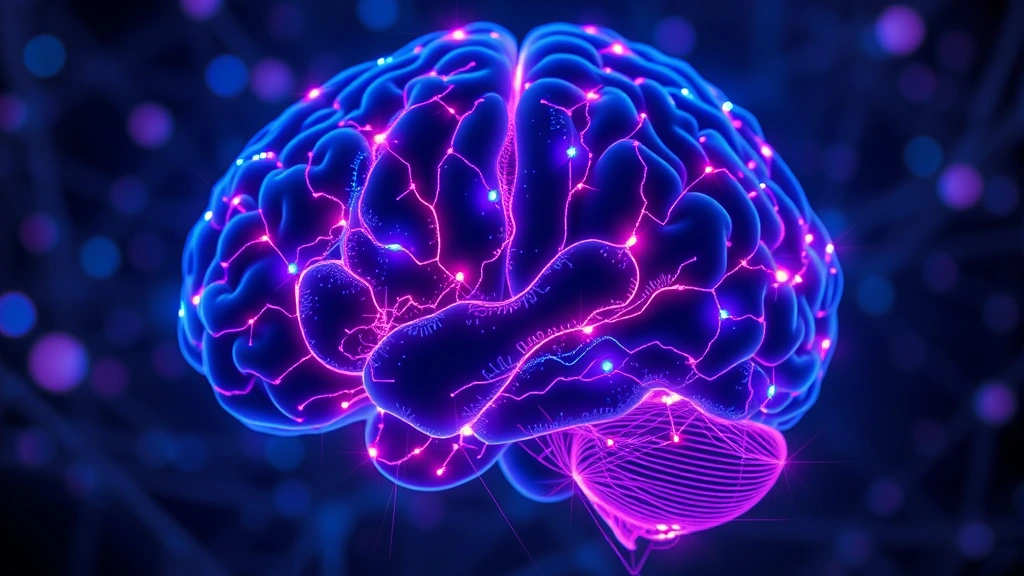
Modern neuroscience has revealed that mindfulness literally changes brain structure and function. Functional MRI studies show that regular mindfulness practice increases gray matter density in regions associated with learning, memory, and emotional regulation. The prefrontal cortex, which governs executive function and rational decision-making, becomes more active and better connected to other brain regions in people who practice mindfulness consistently.
One of the most significant findings involves the amygdala, the brain’s emotional processing center. Chronic stress and anxiety enlarge the amygdala and strengthen its connections to fear-processing networks. However, mindfulness meditation has been shown to reduce amygdala volume and weaken these fear-related neural pathways. Simultaneously, mindfulness strengthens connections between the prefrontal cortex and amygdala, essentially giving your rational brain more control over emotional reactions.
The default mode network (DMN), a set of brain regions active during rest and self-referential thinking, also changes with mindfulness practice. Overactivity in the DMN is associated with rumination, anxiety, and depression. Mindfulness practitioners show reduced activity in the DMN and stronger connections between attention networks, allowing them to step out of repetitive thought patterns more easily. Neuroscientific research published in Nature has documented these changes in detail, providing objective evidence of mindfulness’s neurological benefits.
Mindfulness and Anxiety Reduction
Anxiety disorders affect millions of people worldwide, yet many sufferers struggle to find effective treatment. While medication can help, mindfulness offers a complementary approach that addresses anxiety at its source. Anxiety typically involves excessive future-focused thinking—worrying about what might happen. Mindfulness brings attention back to the present moment, where most people find that things are actually fine.
When you experience anxiety, your nervous system is in a heightened state of alert. Mindfulness activates the parasympathetic nervous system, often called the “rest and digest” system, which counteracts the stress response. Through focused breathing and body awareness, you signal to your nervous system that you’re safe, gradually recalibrating your baseline stress level.
Clinical trials have demonstrated that mindfulness-based stress reduction (MBSR) programs produce anxiety reduction comparable to pharmaceutical treatments for some individuals. The advantage is that mindfulness builds long-term resilience rather than temporary symptom relief. Individuals also report greater confidence in managing anxiety symptoms independently, reducing dependency on external interventions. For those seeking professional support, finding speech therapy near me or other therapeutic services can be enhanced when practitioners understand how mindfulness complements traditional approaches.
Research shows that even brief mindfulness practices—as little as 10 minutes daily—can reduce anxiety symptoms within weeks. The key is consistency and genuine engagement with the practice rather than going through motions mechanically.
Depression Management Through Mindfulness
Depression, characterized by persistent low mood and loss of interest in activities, represents one of the most prevalent mental health challenges globally. Traditional treatments include therapy and medication, but mindfulness offers an additional tool that directly addresses depressive thought patterns.
Depression is closely linked to rumination—repetitively dwelling on negative thoughts and past events. Mindfulness interrupts this cycle by training attention away from rumination toward present-moment experience. When you notice yourself caught in depressive thinking, mindfulness teaches you to observe the thoughts without getting entangled in them. You learn to recognize that thoughts are mental events, not facts, which fundamentally shifts your relationship with depression.
Mindfulness-based cognitive therapy (MBCT), originally developed for depression relapse prevention, combines cognitive behavioral techniques with mindfulness. Studies show that MBCT reduces depression relapse rates by 50% compared to standard treatment alone. The practice helps individuals recognize early warning signs of depression and respond with compassion rather than the self-criticism that typically deepens depressive episodes.
Additionally, mindfulness naturally encourages engagement with the present moment and activities that bring meaning and satisfaction. This directly counters anhedonia—the depressive symptom of inability to enjoy things—by deliberately reconnecting with sensory experience and life activities. exploring therapy resources and information can help you understand how mindfulness fits into comprehensive mental health care.

Mindfulness in Clinical Practice
Mental health professionals increasingly integrate mindfulness into clinical settings. Therapists trained in mindfulness-based approaches report that clients who practice mindfulness show accelerated progress in therapy. The reason is straightforward: mindfulness develops the same skills that therapy aims to cultivate—awareness, acceptance, emotional regulation, and behavioral change.
In clinical practice, mindfulness serves several functions. First, it helps clients develop observing awareness, the ability to notice thoughts and feelings without being controlled by them. Second, it builds distress tolerance, allowing individuals to sit with uncomfortable emotions rather than immediately reacting. Third, it enhances self-compassion, counteracting the harsh self-judgment that perpetuates many mental health conditions.
Many therapists now incorporate brief mindfulness exercises into sessions, teaching clients techniques they can practice between appointments. This creates a bridge between therapy sessions and daily life, extending therapeutic benefits throughout the week. For individuals exploring various treatment options, understanding how physical therapy treatment approaches complement mental health interventions can provide a more complete picture of holistic wellness.
Some clinical settings have established dedicated mindfulness programs. These evidence-based programs, such as MBSR developed at the University of Massachusetts Medical School, typically involve eight weeks of instruction with daily home practice. Participants report significant improvements in stress, anxiety, pain, and overall well-being, with benefits often persisting long after the program ends.
Practical Mindfulness Techniques You Can Start Today
Beginning a mindfulness practice requires no special equipment or extensive training. Here are accessible techniques you can implement immediately:
- Breath awareness meditation: Sit comfortably and focus on your natural breathing. When your mind wanders, gently redirect attention to the breath. Start with five minutes daily.
- Body scan meditation: Lie down and slowly move attention through your body from toes to head, noticing sensations without judgment. This technique builds body awareness and releases tension.
- Mindful walking: Walk slowly while deliberately noticing each step, the feeling of your feet on the ground, and your surroundings. This integrates mindfulness into daily movement.
- Mindful eating: Choose one meal or snack daily to eat with full attention. Notice colors, textures, flavors, and aromas. This practice enhances appreciation and can improve digestive health.
- STOP technique: Throughout the day, pause and STOP—Stop, Take a breath, Observe your thoughts and feelings, Proceed. This quick reset takes just 30 seconds.
- Loving-kindness meditation: Direct compassionate thoughts toward yourself and others. Begin with yourself, then expand to loved ones, neutral people, and eventually difficult people.
The most important aspect of mindfulness practice is consistency rather than duration. Ten minutes daily is more beneficial than sporadic longer sessions. Many people find that establishing a routine—practicing at the same time each day—builds the habit and deepens results.
Integrating Mindfulness with Other Therapeutic Approaches
Mindfulness works synergistically with other mental health interventions. When combined with cognitive behavioral therapy (CBT), mindfulness enhances the cognitive restructuring process. Instead of just intellectually challenging negative thoughts, you observe them with mindful awareness, creating psychological distance that makes change easier.
Mindfulness also complements interpersonal therapy, improving emotional awareness and communication skills. It enhances psychodynamic therapy by increasing insight into unconscious patterns. For individuals considering occupational therapy jobs or other therapeutic careers, understanding mindfulness integration is increasingly important in modern practice.
Many mental health professionals recommend combining mindfulness with lifestyle modifications. Regular exercise, adequate sleep, social connection, and healthy nutrition all amplify mindfulness benefits. Some individuals also find that red light therapy near me and other wellness modalities complement their mindfulness practice, creating a comprehensive approach to mental health.
Research from the National Institute of Mental Health supports integrated treatment approaches, showing that combinations of interventions often produce better outcomes than single treatments. The key is finding the right combination for your individual needs, ideally with guidance from qualified mental health professionals.
Importantly, mindfulness should be viewed as a complement to professional mental health care, not a replacement. Individuals with severe mental illness, acute suicidal ideation, or psychotic disorders require professional intervention. However, mindfulness can be a valuable addition to comprehensive treatment plans for most mental health conditions.
FAQ
How long does it take to experience mindfulness benefits?
Some people notice benefits within days—reduced anxiety or improved sleep. However, significant structural brain changes typically require consistent practice over 8-12 weeks. Most research showing neurological changes involved participants practicing 30-45 minutes daily for at least 8 weeks.
Can mindfulness replace medication for mental health conditions?
Mindfulness can be a powerful complement to medication, but shouldn’t replace it without professional guidance. Some individuals eventually reduce medication with clinical supervision, while others benefit from combining both approaches indefinitely. This is a decision to make with your healthcare provider.
Is mindfulness suitable for everyone?
While generally safe, mindfulness may be challenging for individuals with certain trauma histories or active psychosis. Trauma-informed mindfulness approaches exist for trauma survivors. Anyone with significant mental health concerns should consult a professional before starting intensive mindfulness practice.
What’s the difference between mindfulness and meditation?
Meditation is a formal practice involving dedicated time and specific techniques. Mindfulness is the awareness developed through meditation that you can bring to any activity. You can be mindful while walking, eating, or listening without formal meditation.
How do I know if I’m doing mindfulness correctly?
There’s no “correct” way to practice mindfulness. The goal isn’t to achieve a particular mental state but to observe whatever arises with non-judgmental awareness. If you’re noticing your experience without trying to change it, you’re practicing mindfulness.
Can children benefit from mindfulness?
Yes, children as young as four can benefit from age-appropriate mindfulness practices. Schools increasingly implement mindfulness programs, improving focus, emotional regulation, and behavior. Young children typically do better with shorter practices (2-5 minutes) and concrete activities like mindful breathing or body awareness games.