
How Does Mindfulness Boost Mood? Experts Explain
Mindfulness has become a cornerstone of modern mental wellness practices, with scientific research consistently demonstrating its profound impact on mood regulation and emotional resilience. Whether you’re struggling with daily stress, anxiety, or simply seeking to enhance your overall well-being, understanding how mindfulness works at both neurological and psychological levels can transform your approach to mental health. This comprehensive guide explores the mechanisms behind mindfulness-based mood enhancement, backed by expert insights and peer-reviewed research.
The relationship between mindfulness and mood improvement isn’t merely anecdotal—it’s grounded in neuroscience, psychology, and clinical practice. When individuals engage in regular mindfulness practices, measurable changes occur in brain structure and function, leading to sustained improvements in emotional regulation, stress response, and overall life satisfaction. By the end of this article, you’ll understand exactly how mindfulness works to boost your mood and how you can implement these evidence-based techniques into your daily routine.
The Neuroscience of Mindfulness and Mood
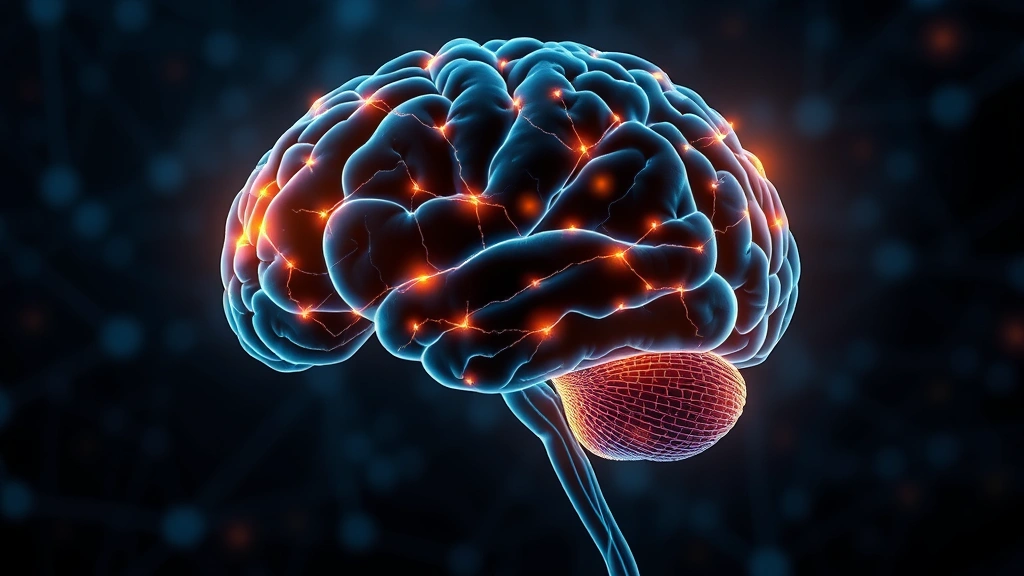
Mindfulness meditation produces measurable changes in brain structure and function that directly correlate with mood improvement. Research from leading neuroscience publications has identified specific brain regions that respond to consistent mindfulness practice. The prefrontal cortex, which governs executive function and emotional regulation, shows increased activation and gray matter density in individuals who practice mindfulness regularly. Simultaneously, the amygdala—your brain’s alarm system responsible for fear and stress responses—actually shrinks in volume, reducing its reactivity to perceived threats.
The anterior cingulate cortex, another critical region for emotional processing and attention control, demonstrates enhanced connectivity when individuals engage in regular mindfulness practice. This improved neural communication means your brain becomes more efficient at processing emotions without becoming overwhelmed by them. Studies using functional MRI imaging show that after just eight weeks of mindfulness-based stress reduction, participants exhibit significantly altered brain activity patterns associated with improved mood regulation.
Beyond structural changes, mindfulness influences the default mode network (DMN)—the brain system active when you’re not focused on external tasks. An overactive DMN is associated with rumination, anxiety, and depression. Mindfulness meditation specifically reduces DMN activity, interrupting the cycle of repetitive negative thinking that perpetuates low mood. This neurological shift explains why people often report feeling “lighter” or more present after meditation sessions, and why consistent practice leads to sustained mood improvements.
How Mindfulness Affects Brain Chemistry
The chemical environment of your brain fundamentally influences your mood, and mindfulness meditation directly modulates key neurotransmitters and hormones responsible for emotional well-being. When you practice mindfulness, your brain increases production of serotonin, often called the “happiness neurotransmitter.” Serotonin regulates mood, sleep, and appetite, and low serotonin levels are associated with depression and anxiety. Regular mindfulness practitioners show elevated serotonin activity, contributing to sustained mood improvement and reduced depressive symptoms.
Dopamine, another critical neurotransmitter associated with motivation, pleasure, and reward, is also enhanced through mindfulness practice. Rather than creating the artificial dopamine spikes associated with addictive behaviors, mindfulness promotes healthy, baseline dopamine levels that support sustained motivation and positive affect. This explains why mindfulness practitioners often report increased drive and engagement with life activities.
Cortisol, the primary stress hormone, decreases significantly with regular mindfulness practice. Research from the American Psychological Association demonstrates that mindfulness-based stress reduction programs reduce cortisol levels by up to 25% over eight weeks. Lower cortisol means reduced physiological stress responses, better sleep quality, and improved immune function—all factors that contribute to enhanced mood and overall health. Additionally, mindfulness increases GABA (gamma-aminobutyric acid), the brain’s primary inhibitory neurotransmitter, which promotes relaxation and reduces anxiety.
The endocannabinoid system, your body’s natural cannabis-like signaling system, is also activated through mindfulness practice. This system regulates stress response, mood, and pain perception. By naturally enhancing endocannabinoid activity, mindfulness provides mood-boosting effects similar to pharmaceutical interventions but without side effects. Understanding these chemical mechanisms helps explain why mindfulness works so reliably for mood enhancement across diverse populations.
Stress Reduction Through Present-Moment Awareness
One of the most immediate and powerful ways mindfulness boosts mood is through stress reduction achieved by anchoring attention to the present moment. Most mood disturbances stem from rumination about the past or anxiety about the future—mental states that pull your attention away from the only moment where you can actually experience peace: now. By training your attention to rest on present-moment experiences, mindfulness interrupts the stress cycle at its source.
When you’re fully present—feeling your breath, noticing sensations in your body, observing sounds around you without judgment—your nervous system naturally shifts from sympathetic (fight-or-flight) dominance to parasympathetic (rest-and-digest) activation. This physiological shift is measurable: heart rate decreases, blood pressure normalizes, and breathing becomes slower and deeper. These changes signal safety to your brain, which responds by reducing stress hormone production and promoting relaxation-related brain states.
The practice of mindfulness and therapeutic wellness approaches teaches you to observe thoughts and emotions without becoming identified with them. Instead of believing “I am anxious” or “I am depressed,” you learn to notice “anxiety is present” or “sadness is passing through.” This subtle but profound shift in perspective reduces the emotional intensity of difficult experiences. By recognizing that thoughts and feelings are temporary mental events rather than permanent truths about yourself, you gain psychological distance from mood disturbances, making them less controlling and less persistent.
Research demonstrates that individuals who practice present-moment awareness show significantly reduced stress biomarkers, including lower cortisol levels, reduced inflammatory markers, and improved heart rate variability. These physiological improvements translate directly into better mood, increased resilience, and improved ability to handle life’s challenges without emotional dysregulation.
Emotional Regulation and Cognitive Reframing
Mindfulness enhances mood by improving your capacity to regulate emotions effectively. Rather than being swept away by intense feelings or suppressing emotions in unhealthy ways, mindfulness teaches you to observe emotions with curiosity and compassion, allowing them to arise, peak, and pass without causing lasting mood disturbance. This emotional flexibility is a key component of psychological resilience and sustained well-being.
Through mindfulness practice, you develop what psychologists call “metacognitive awareness”—the ability to observe your own thinking patterns without being controlled by them. This skill is particularly valuable for mood enhancement because it interrupts automatic negative thought patterns that fuel depression and anxiety. Instead of automatically accepting negative thoughts as truth, you can recognize them as mental events: “My brain is generating this thought, but it’s not necessarily accurate or important.”
When combined with evidence-based therapy approaches, mindfulness amplifies the benefits of cognitive reframing—the therapeutic technique of identifying and changing unhelpful thought patterns. Mindfulness provides the calm, non-judgmental mental state necessary for genuine cognitive change. Rather than white-knuckling your way through positive affirmations, you can gently observe and naturally release negative thought patterns through the clarity that mindfulness cultivates.
The self-compassion component of mindfulness practice is particularly mood-enhancing. Research shows that self-criticism and perfectionism are major contributors to depression and anxiety. Mindfulness teaches you to treat yourself with the same kindness and understanding you’d offer a good friend during difficult moments. This shift from self-judgment to self-compassion directly improves mood and reduces the shame and guilt that often accompany mood disorders.

Mindfulness Practices for Daily Mood Enhancement
Implementing mindfulness into your daily routine doesn’t require extensive time commitments or special equipment. Even brief, consistent practice produces measurable mood improvements. Here are evidence-based mindfulness practices you can start today:
Mindful Breathing: The simplest and most portable mindfulness practice, mindful breathing requires only five to ten minutes. Sit comfortably, close your eyes, and focus your attention on the natural rhythm of your breath. Notice the sensation of air entering and leaving your nostrils, the rise and fall of your chest. When your mind wanders—which it will—gently redirect your attention back to your breath without frustration. This simple practice activates your parasympathetic nervous system and reduces stress hormones within minutes.
Body Scan Meditation: This practice involves systematically directing attention through different areas of your body, noticing sensations without trying to change them. Beginning at your toes and moving upward to the crown of your head, spend a few seconds observing each body region. Body scan meditation is particularly effective for anxiety reduction and improving interoceptive awareness—your ability to notice internal bodily states. A 15-20 minute body scan practice significantly reduces anxiety and improves mood for hours afterward.
Mindful Walking: You don’t need to sit in meditation to practice mindfulness. Walking meditation brings present-moment awareness to everyday movement. As you walk, notice the sensation of your feet contacting the ground, the movement of your legs, the air on your skin. Walking mindfulness can be practiced during your commute, on lunch breaks, or during dedicated practice sessions. This accessible practice combines the mood benefits of mindfulness with the mental health benefits of physical activity.
Loving-Kindness Meditation: This practice directly cultivates positive emotional states. You systematically direct goodwill toward yourself, loved ones, neutral people, difficult people, and all beings. Research shows loving-kindness meditation produces rapid increases in positive emotions and significantly improves mood and sense of connection. Even brief loving-kindness practice (10 minutes) produces measurable increases in positive affect and life satisfaction.
Mindful Eating: Most people eat on autopilot, missing both the enjoyment and satiation signals food provides. Mindful eating involves fully attending to the sensory experience of eating—colors, aromas, textures, tastes. This practice improves mood by enhancing pleasure from daily activities, improving digestive function, and reducing stress-related eating patterns. Taking just one mindful meal per day creates a regular mood-boosting ritual.
For those seeking professional guidance in mental health support, finding qualified speech therapy and therapeutic services near you can complement your mindfulness practice, particularly if you’re working through specific emotional or communication challenges. Similarly, exploring integrated therapeutic approaches ensures comprehensive support for both physical and mental well-being.
Integration with Professional Therapeutic Support
While mindfulness is a powerful standalone practice, integrating it with professional therapeutic support maximizes mood improvement outcomes. Mindfulness-based cognitive therapy (MBCT), developed specifically for depression relapse prevention, combines mindfulness with cognitive-behavioral therapy principles. Research demonstrates MBCT is as effective as antidepressant medication for preventing depression relapse in individuals with recurrent depression.
Mental health professionals increasingly incorporate mindfulness into standard therapeutic protocols. The National Institute of Mental Health recognizes mindfulness-based interventions as evidence-based treatments for mood disorders. If you’re experiencing significant mood disturbances, anxiety, or depression, combining professional therapeutic support with mindfulness practice creates a comprehensive treatment approach addressing both psychological and neurobiological factors.
For individuals interested in career paths supporting mental health and therapeutic wellness, occupational therapy careers offer meaningful opportunities to help others improve their mental and physical well-being. Understanding mindfulness from personal practice enhances your ability to guide others through these transformative techniques.
Additionally, emerging research explores how mindfulness combines with other therapeutic modalities. Some practitioners integrate mindfulness with complementary therapies like light-based treatments for comprehensive mood support, particularly for seasonal mood variations and circadian rhythm disruption.
The key principle is that mindfulness works best as part of a holistic wellness approach. Regular practice, combined with adequate sleep, physical activity, social connection, and professional support when needed, creates the optimal environment for sustained mood improvement and psychological resilience.
FAQ
How long does it take for mindfulness to improve mood?
Many people report mood improvements within days of beginning a regular mindfulness practice, though the most significant changes typically occur after 4-8 weeks of consistent daily practice. Some studies show measurable neurological changes after just 8 weeks of 30-minute daily sessions. However, even brief practices—5-10 minutes daily—produce noticeable mood benefits for most people within 2-3 weeks.
Can mindfulness replace medication for mood disorders?
Mindfulness is an evidence-based mood enhancement technique, but it shouldn’t replace prescribed psychiatric medication without professional guidance. The most effective approach for moderate to severe mood disorders combines medication with mindfulness and therapy. Always consult your psychiatrist before making changes to medication regimens. Mindfulness works best as part of comprehensive mental health treatment.
What’s the difference between mindfulness and meditation?
Meditation is a specific practice—sitting quietly and focusing attention. Mindfulness is a broader quality of present-moment, non-judgmental awareness that can be cultivated through meditation but also through daily activities like walking, eating, or listening. You can practice mindfulness anywhere, anytime, while meditation typically requires dedicated practice time.
Is mindfulness suitable for everyone?
Mindfulness is generally safe and beneficial for most people. However, individuals with certain trauma histories or psychotic conditions should practice under professional guidance, as intensive meditation can sometimes trigger difficult psychological experiences. Starting with brief, gentle practices and working with a qualified instructor ensures a safe, beneficial experience.
How often should I practice mindfulness for mood benefits?
Daily practice is ideal for sustaining mood improvements, even if sessions are brief (5-10 minutes). Research shows that consistency matters more than duration—daily 10-minute practice produces better results than occasional 30-minute sessions. Most studies demonstrating significant mood improvements used daily practice protocols.