Is Vacuum Therapy Effective? Expert Insights and Evidence-Based Analysis
Vacuum therapy has emerged as a popular therapeutic modality in recent years, gaining attention across medical, wellness, and rehabilitation communities. This non-invasive treatment method uses controlled negative pressure to promote healing, improve circulation, and address various musculoskeletal conditions. Whether you’re considering vacuum therapy for injury recovery, pain management, or aesthetic purposes, understanding its effectiveness requires examining scientific evidence, expert opinions, and real-world applications.
The therapy works by creating a partial vacuum around affected tissues, which increases blood flow, reduces inflammation, and stimulates the body’s natural healing response. Practitioners use specialized equipment ranging from simple cups to sophisticated electronic devices that allow precise pressure control. As interest in alternative and complementary therapies continues to grow, many patients and healthcare providers are asking critical questions about whether vacuum therapy truly delivers on its promises or if it remains largely anecdotal in its benefits.
What Is Vacuum Therapy and How Does It Work
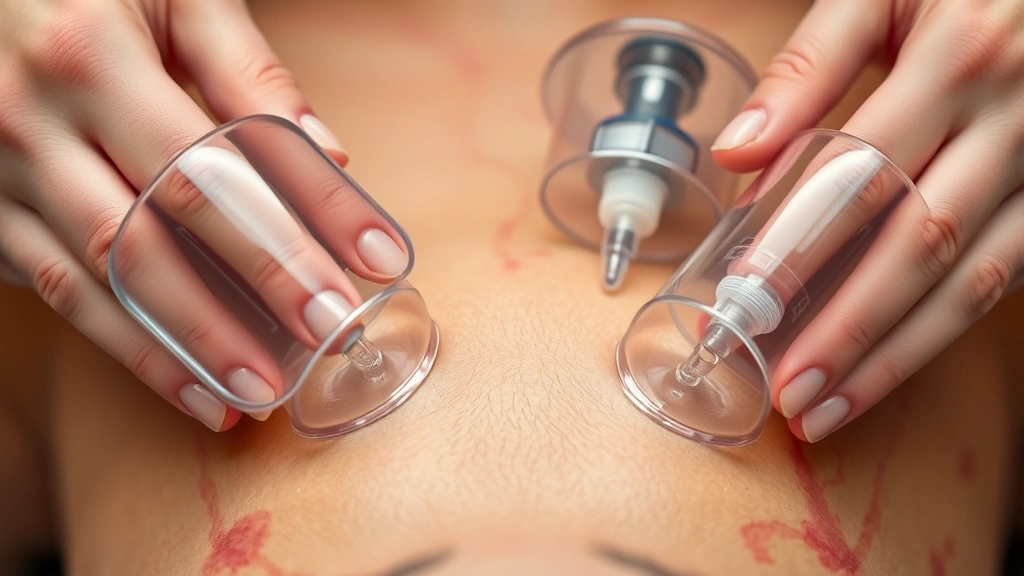
Vacuum therapy, also known as cupping therapy or negative pressure therapy, operates on a fundamental principle of physics: creating a pressure differential between the skin surface and underlying tissues. The mechanism involves placing specialized cups or devices on the skin and removing air to create suction. This negative pressure pulls blood vessels toward the surface, increases localized circulation, and stimulates lymphatic drainage.
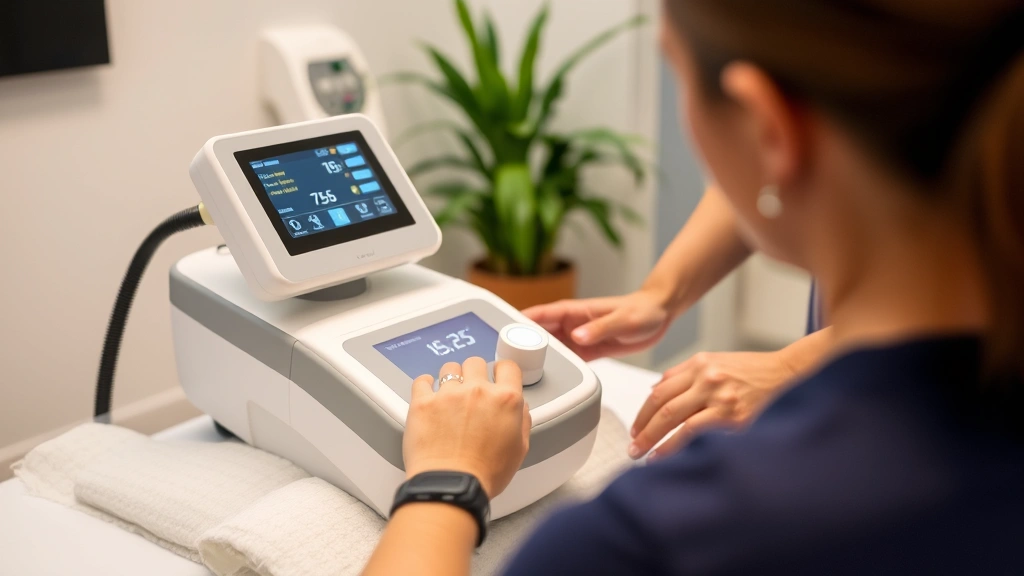
The therapy has ancient roots, with evidence suggesting use in traditional Chinese medicine dating back thousands of years. However, modern vacuum therapy incorporates advanced technology and evidence-based protocols that differ significantly from historical practices. Contemporary applications include silicone cups, glass cups, bamboo cups, and electronic devices that allow practitioners to control pressure levels precisely.
When negative pressure is applied to tissue, several physiological responses occur simultaneously. Blood vessels dilate, promoting increased oxygen and nutrient delivery to affected areas. The therapy stimulates nerve endings, which can help modulate pain perception through gate control theory mechanisms. Additionally, the mechanical stress on tissues triggers inflammatory responses that may accelerate healing processes, similar to how controlled injury stimulates tissue repair.
Scientific Evidence Supporting Vacuum Therapy
Research into vacuum therapy effectiveness presents a mixed but increasingly promising picture. Multiple peer-reviewed studies have demonstrated measurable benefits for specific conditions, though the overall evidence base remains smaller than for established treatments like physical therapy for shoulder pain.
A comprehensive review published in Evidence-Based Complementary and Alternative Medicine examined numerous clinical trials and found moderate evidence supporting vacuum therapy for musculoskeletal pain conditions. The research indicated that vacuum therapy showed particular promise for chronic pain management, with some studies reporting pain reduction rates between 40-60% in treated patients. However, researchers noted that many studies had methodological limitations, including small sample sizes and difficulty in creating appropriate control groups.
For sports-related injuries and muscle tension, several studies from the National Center for Biotechnology Information database documented improvements in muscle recovery time and reduced delayed-onset muscle soreness (DOMS) when vacuum therapy was combined with conventional treatment protocols. Athletes who received vacuum therapy alongside standard rehabilitation showed faster return-to-activity timelines compared to those receiving rehabilitation alone.
Research on circulation improvement provides some of the strongest evidence. Studies measuring skin blood flow and microcirculation found that vacuum therapy significantly increased blood perfusion in treated areas. One study utilizing laser Doppler imaging demonstrated that a single vacuum therapy session increased local blood flow by up to 400% in the immediate treatment area, with effects persisting for several hours post-treatment.
However, it’s important to acknowledge limitations in the current evidence base. Many studies suffer from small sample sizes, inadequate blinding procedures, and lack of standardization in treatment protocols. The heterogeneity of vacuum therapy equipment and application methods makes direct comparison between studies challenging. Additionally, publication bias may skew results toward positive outcomes, as negative or neutral studies are less likely to be published.
Applications in Clinical Practice
Healthcare professionals across multiple disciplines have integrated vacuum therapy into their treatment protocols, though adoption rates vary significantly by specialty. Physical therapists frequently employ vacuum therapy as an adjunct to therapeutic interventions documented on the MindLift Daily Blog, particularly for patients with chronic musculoskeletal conditions who haven’t responded adequately to conventional approaches.
In sports medicine, vacuum therapy has become increasingly common in athletic training rooms and rehabilitation clinics. Athletes use the therapy to accelerate recovery between competitions, reduce muscle soreness, and maintain tissue health during intense training periods. Professional sports teams across various leagues have adopted vacuum therapy as part of their standard injury prevention and recovery protocols.
Pain management specialists have incorporated vacuum therapy into multimodal treatment approaches for chronic pain conditions, including fibromyalgia, myofascial pain syndrome, and post-surgical pain. When combined with other therapies, vacuum therapy appears to enhance overall treatment effectiveness. Some patients report improved outcomes when vacuum therapy precedes other interventions, potentially by increasing tissue accessibility and improving blood flow to affected regions.
Aesthetic medicine represents another growing application area. Practitioners use vacuum therapy for cellulite reduction, skin tightening, and lymphatic drainage promotion. While evidence for aesthetic benefits remains limited compared to other applications, patient satisfaction rates are generally high, and the low-risk profile makes it an attractive option for those seeking non-invasive cosmetic improvements.
Respiratory therapists have explored vacuum therapy applications for patients with compromised circulation or mobility limitations. The therapy’s ability to improve lymphatic drainage has shown promise in reducing edema and promoting tissue healing in post-operative patients and those with chronic venous insufficiency.
Comparing Vacuum Therapy to Other Treatments
Understanding vacuum therapy’s effectiveness requires context comparing it to established treatment options. When evaluated against standard physical therapy approaches, vacuum therapy shows comparable benefits for certain conditions but typically less dramatic results than comprehensive rehabilitation programs.
Compared to massage therapy, vacuum therapy offers distinct advantages in terms of consistency and reproducibility. While massage benefits depend heavily on practitioner skill and client variability, vacuum therapy can be standardized and applied with precise pressure control. However, massage therapy may provide superior results for addressing specific trigger points and muscle tension patterns.
When compared to red light therapy and other modalities, vacuum therapy operates through different physiological mechanisms. Red light therapy primarily works through cellular mitochondrial stimulation, while vacuum therapy creates mechanical and circulatory effects. Some evidence suggests combining these approaches may produce synergistic benefits, though comparative effectiveness studies remain limited.
Against pharmaceutical interventions for pain management, vacuum therapy offers a non-systemic alternative without the side effect profile associated with medications. For patients seeking to reduce pharmaceutical dependency or those with contraindications to pain medications, vacuum therapy provides a viable option, though it may not achieve equivalent pain reduction for all conditions.
Compared to more invasive procedures like injections or surgical interventions, vacuum therapy presents a lower-risk entry point for treatment. Its safety profile makes it appropriate for patients who are not surgical candidates or prefer conservative approaches before considering invasive options.
Potential Risks and Contraindications
While vacuum therapy is generally considered safe when administered by trained professionals, certain contraindications and potential adverse effects warrant discussion. Understanding these limitations helps patients and providers make informed decisions about treatment suitability.
The most common adverse effect is bruising or petechiae (small red or purple spots) at treatment sites. This occurs because vacuum therapy intentionally brings blood vessels closer to the skin surface. While usually benign and temporary, extensive bruising can alarm patients unfamiliar with the therapy. Bruising typically resolves within 5-10 days without intervention.
Absolute contraindications include active infections, open wounds, or compromised skin integrity in treatment areas. Vacuum therapy should not be applied over varicose veins, as the negative pressure could potentially damage fragile vessels. Patients with bleeding disorders or those taking anticoagulant medications require careful evaluation before treatment, as the therapy may increase bleeding risk.
Pregnancy represents a relative contraindication, particularly for abdominal and lower back applications. While some practitioners apply vacuum therapy during pregnancy for specific indications, the evidence base for safety is limited, and conservative approaches typically recommend avoiding treatment during pregnancy unless specifically indicated.
Patients with severe osteoporosis or those at high risk for pathological fractures should avoid aggressive vacuum therapy, as the mechanical stress could potentially compromise bone integrity. Similarly, those with active cancer or recent chemotherapy should consult oncology providers before pursuing treatment.
Skin sensitivity varies considerably among individuals. Some people experience significant discomfort during treatment, while others tolerate it well. Proper communication between practitioner and patient is essential to ensure pressure levels remain within comfortable ranges. Excessive pressure or prolonged treatment duration can cause tissue damage, highlighting the importance of practitioner training and experience.
Expert Recommendations and Best Practices
Leading medical organizations and expert practitioners have developed guidelines for vacuum therapy application that maximize benefits while minimizing risks. These recommendations reflect current evidence and clinical experience from thousands of treatments administered worldwide.
Expert consensus emphasizes that vacuum therapy should rarely serve as a standalone treatment. Instead, it functions most effectively as a component of comprehensive treatment plans that address underlying causes of dysfunction. For patients seeking therapy cost information, understanding that vacuum therapy typically costs between $30-$100 per session helps with treatment planning and budget allocation.
Practitioners should establish clear treatment goals before beginning therapy. Whether the objective is pain reduction, improved circulation, accelerated healing, or aesthetic improvement, specific goals enable measurement of treatment effectiveness and inform protocol adjustments. Sessions typically last 15-30 minutes, with treatment frequency varying based on condition severity and treatment response.
Professional training and certification represent critical quality markers. Practitioners should possess formal training in anatomy, physiology, contraindications, and proper equipment use. Several organizations offer certification programs that establish competency standards and help patients identify qualified providers.
Documentation of treatment response is essential for evidence-based practice. Practitioners should track objective measures such as pain scores, range of motion, functional capacity, and patient-reported outcomes. This data helps determine whether continued treatment is warranted and informs adjustments to treatment protocols.
Integration with other therapies often produces superior results compared to vacuum therapy alone. Combining vacuum therapy with exercise, manual therapy, or other modalities creates synergistic effects that accelerate recovery. Practitioners should coordinate care with other healthcare providers involved in patient treatment to ensure complementary approaches.
Patient education represents a vital component of successful treatment. Understanding the mechanisms of action, expected sensations, normal bruising responses, and realistic outcome timelines helps patients maintain realistic expectations and improves treatment adherence. Patients should be informed that benefits typically accumulate over multiple sessions rather than appearing after single treatments.
Frequently Asked Questions
Is vacuum therapy scientifically proven to work?
Vacuum therapy demonstrates moderate scientific support for specific applications, particularly pain management and circulation improvement. However, evidence quality varies by condition, and more rigorous research is needed. Current evidence supports its use as an adjunct therapy rather than a primary treatment for most conditions.
How many sessions are typically needed to see results?
Results vary considerably based on condition type and individual factors. Some patients report immediate pain reduction, while others require 4-6 sessions before noticing meaningful improvement. Chronic conditions typically require longer treatment courses than acute injuries.
Can vacuum therapy be used alongside other treatments?
Yes, vacuum therapy integrates well with most other therapeutic modalities. It can complement physical therapy, massage, exercise programs, and other treatments. However, patients should inform all healthcare providers about treatments they’re receiving to ensure coordinated care.
What conditions does vacuum therapy help most?
Vacuum therapy shows strongest evidence for musculoskeletal pain conditions, muscle tension, post-operative recovery, and circulation improvement. Effectiveness varies for other applications, and individual results depend on numerous factors including condition severity and practitioner skill.
Are there any long-term risks from regular vacuum therapy?
Long-term safety data is limited, but current evidence suggests regular vacuum therapy poses minimal risks when applied appropriately by trained practitioners. Temporary bruising and mild discomfort represent the primary side effects. Serious adverse events are rare when contraindications are properly observed.
How much does vacuum therapy typically cost?
Costs vary geographically and by provider, typically ranging from $30-$100 per session. Some insurance plans may cover vacuum therapy when prescribed by physicians for specific medical conditions, though many plans consider it investigational or experimental. Patients should verify coverage with their insurance providers before beginning treatment.
Is vacuum therapy appropriate for athletes?
Yes, vacuum therapy is widely used in sports medicine and athletic training. Athletes employ it for injury recovery, muscle soreness reduction, and performance optimization. The therapy’s safety profile and lack of systemic effects make it attractive for athletic populations.
Can I perform vacuum therapy on myself at home?
While home-use vacuum therapy devices are available, professional administration is recommended for optimal results and safety. Proper technique, appropriate pressure control, and knowledge of contraindications significantly influence treatment effectiveness and safety. Consultation with trained practitioners is advisable before attempting self-treatment.