Does Mindfulness Boost Mood? Expert Insights on Mental Wellness
Mindfulness has become one of the most researched and recommended practices for mental health improvement in recent years. The question of whether mindfulness truly boosts mood isn’t merely anecdotal—scientific evidence increasingly supports its effectiveness. This comprehensive guide explores the mechanisms behind mindfulness, examines expert research, and provides practical insights into how this ancient practice can enhance your emotional wellbeing in modern life.
The intersection of mindfulness and mood regulation involves complex neurobiological processes. When you practice mindfulness, you’re essentially training your brain to respond differently to stress, anxiety, and negative thoughts. Unlike passive relaxation, mindfulness is an active engagement with your present moment experience, which fundamentally changes how your brain processes emotional information.
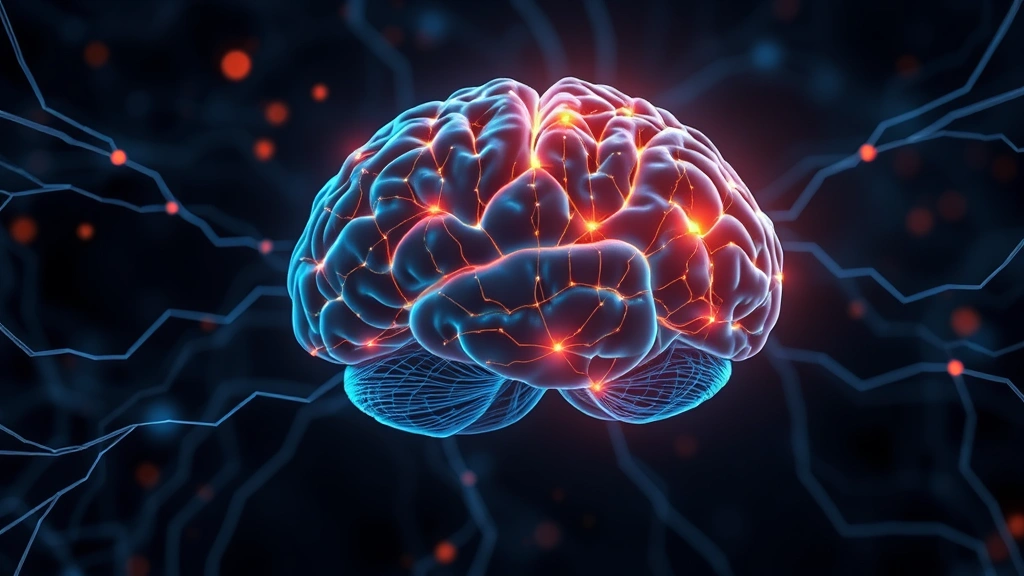
The Science Behind Mindfulness and Mood
Mindfulness operates through several interconnected neurobiological pathways that directly influence mood regulation. The American Psychological Association has documented how mindfulness meditation affects the brain’s emotional processing centers. When you practice mindfulness, you activate the prefrontal cortex—the region responsible for rational thinking and emotional regulation—while simultaneously reducing activity in the amygdala, which processes fear and stress responses.
The limbic system, which includes the amygdala and hippocampus, is particularly responsive to mindfulness practice. Research shows that consistent mindfulness practitioners develop stronger connections between the prefrontal cortex and amygdala, essentially creating a more efficient emotional regulation system. This neuroplasticity—the brain’s ability to reorganize itself—is foundational to understanding why mindfulness produces lasting mood improvements rather than temporary relief.
One crucial mechanism involves the reduction of cortisol, the primary stress hormone. Studies have demonstrated that mindfulness meditation can lower cortisol levels within weeks of consistent practice. When cortisol decreases, your entire physiological stress response calms, which naturally elevates mood. Additionally, mindfulness increases the production of serotonin and dopamine—neurotransmitters directly responsible for happiness and motivation.

How Mindfulness Rewires Your Brain
Brain imaging studies reveal tangible structural changes in the brains of regular mindfulness practitioners. The anterior cingulate cortex, crucial for attention regulation and emotional processing, shows increased gray matter density after mindfulness training. This isn’t metaphorical—your brain actually physically changes through consistent practice.
The default mode network (DMN) represents another critical area affected by mindfulness. The DMN is active when your mind wanders, often engaging in rumination about the past or worry about the future—both mood-depressing activities. Mindfulness practice specifically targets the DMN, reducing its hyperactivity and helping you disengage from negative thought patterns. Research from MIT neuroscientists has shown that even brief mindfulness sessions can interrupt the rumination cycle that perpetuates depression and anxiety.
Neuroinflammation—chronic inflammation in the brain—has emerged as a significant factor in mood disorders. Mindfulness reduces inflammatory markers like IL-6 and TNF-alpha, which are elevated in depression and anxiety. By addressing inflammation at the neurobiological level, mindfulness tackles a root cause of persistent low mood rather than just managing symptoms.
You might also explore complementary approaches like red light therapy near me for additional mood support, as some research suggests light-based therapies work synergistically with mindfulness practices.
Mindfulness Techniques for Mood Enhancement
Various mindfulness techniques produce different but complementary effects on mood. Understanding which approaches work best for your needs allows you to customize your practice for maximum benefit.
Focused Attention Meditation involves concentrating on a single object—your breath, a mantra, or a physical sensation. This technique strengthens the prefrontal cortex and reduces mind-wandering. Studies show it’s particularly effective for anxiety-related mood disturbances.
Body Scan Meditation directs attention systematically through different body regions, cultivating awareness of physical sensations without judgment. This practice is exceptionally valuable for those whose mood is heavily influenced by physical tension and somatic stress responses. By releasing physical tension, you simultaneously release emotional tension.
Loving-Kindness Meditation (metta meditation) specifically targets mood by cultivating compassion toward yourself and others. Research demonstrates this technique increases positive emotions and reduces negative self-talk—a major contributor to persistent low mood. Regular practice literally rewires your emotional default toward kindness.
Open Monitoring Meditation involves observing all thoughts, emotions, and sensations without attachment or judgment. This advanced technique develops remarkable emotional resilience by helping you recognize that negative thoughts and moods are temporary mental events rather than absolute truths.
For those seeking professional guidance on mood-related challenges, exploring speech therapy near me or other therapeutic resources can complement your mindfulness practice, particularly if mood difficulties involve communication challenges.
Expert Research and Clinical Evidence
The clinical evidence supporting mindfulness for mood improvement is robust and continuously expanding. Mindfulness-Based Cognitive Therapy (MBCT), developed specifically for depression relapse prevention, has demonstrated remarkable efficacy. Research published in leading psychiatric journals shows MBCT reduces depression relapse rates by approximately 50% compared to standard care alone.
The National Institute of Mental Health has funded numerous studies confirming that mindfulness produces measurable mood improvements comparable to antidepressant medication for mild to moderate depression, without the side effects. A landmark study found that eight weeks of Mindfulness-Based Stress Reduction (MBSR) produced significant improvements in anxiety and depression scores.
Meta-analyses examining hundreds of mindfulness studies consistently demonstrate moderate to large effect sizes for mood improvement. These aren’t marginal benefits—they’re clinically significant changes that substantially improve quality of life. The effects are particularly pronounced when mindfulness is practiced consistently, with most research showing benefits emerge after 10-20 minutes daily for 8 weeks.
Expert psychologists emphasize that mindfulness works through multiple mechanisms simultaneously. You’re not just reducing negative emotions; you’re actively cultivating positive ones. You’re not just managing stress; you’re fundamentally changing your relationship with stress. This multi-system approach explains why mindfulness produces such durable mood improvements.
Different populations show varying response rates. Research indicates mindfulness is particularly effective for individuals with anxiety-driven mood disorders, chronic stress-related depression, and emotional dysregulation. Those interested in comprehensive mood support might also explore physical therapy for kids if mood challenges are connected to physical health or developmental factors.
Integrating Mindfulness with Other Therapies
While mindfulness is powerful independently, integrating it with other therapeutic approaches often produces superior outcomes. Cognitive Behavioral Therapy (CBT) combined with mindfulness creates a particularly synergistic effect—CBT helps you identify and challenge negative thought patterns, while mindfulness helps you observe these patterns without becoming entangled in them.
Acceptance and Commitment Therapy (ACT) explicitly incorporates mindfulness as a core component, using it to help individuals accept difficult emotions while committing to valued actions. For mood improvement, this combination helps you stop fighting negative emotions, which paradoxically makes them lose their power.
Many individuals benefit from professional therapy pricing information when considering comprehensive mood treatment. Understanding how much therapy costs helps you make informed decisions about combining mindfulness practice with professional support.
Emerging research explores tecar therapy and other physical modalities alongside mindfulness. While tecar therapy (Capacitive and Resistive Electric Transfer) is traditionally used for musculoskeletal issues, some practitioners suggest that addressing physical pain through tecar therapy can enhance mindfulness practice by reducing pain-related mood interference. The synergy between addressing physical and mental wellbeing represents an integrative approach to mood enhancement.
Nutritional psychiatry, exercise science, and sleep optimization all interact with mindfulness to produce comprehensive mood improvement. A holistic approach acknowledging these interconnections tends to produce the most dramatic and lasting results.
Common Misconceptions About Mindfulness
Several misconceptions prevent people from benefiting fully from mindfulness practice. Understanding these clarifications helps you approach the practice with realistic expectations and proper technique.
Misconception 1: Mindfulness requires clearing your mind. This is perhaps the most common misunderstanding. Mindfulness isn’t about achieving a blank mind—it’s about observing whatever arises without judgment. Your mind will wander; that’s completely normal. The practice involves noticing the wandering and gently returning attention, not preventing thoughts altogether.
Misconception 2: You need hours of daily practice for benefits. Research clearly shows that even 10-15 minutes daily produces measurable mood improvements. While longer sessions offer additional benefits, consistency matters far more than duration. Brief daily practice outperforms occasional long sessions.
Misconception 3: Mindfulness works immediately. While some people notice mood shifts within days, most require 3-4 weeks of consistent practice before experiencing noticeable improvements. The brain changes underlying mood enhancement take time to develop.
Misconception 4: Mindfulness replaces medical treatment. For significant mood disorders, mindfulness works best as a complement to professional treatment, not a replacement. Severe depression or anxiety typically requires professional intervention, which mindfulness can enhance.
Misconception 5: If you’re not naturally spiritual, mindfulness won’t work. Mindfulness is a practical neuroscience-based technique, not inherently spiritual. Secular mindfulness programs produce identical neurobiological and mood benefits as spiritually-framed versions.
Getting Started with Your Practice
Beginning a mindfulness practice requires minimal resources but intentional commitment. Here’s a practical framework for establishing an effective routine.
Choose Your Technique: Start with focused attention meditation on the breath, as it’s the most accessible entry point. Sit comfortably, close your eyes, and direct attention to the natural rhythm of your breathing. When your mind wanders—and it will—simply notice this without frustration and return to the breath.
Set Realistic Expectations: Commit to 10 minutes daily for at least 8 weeks before evaluating effectiveness. This timeframe allows neurobiological changes to develop. Use a timer so you’re not watching the clock, which undermines the practice.
Eliminate Barriers: Choose a consistent time and location, preferably free from interruptions. Morning practice often works best as it sets your emotional tone for the day. Even five minutes before checking your phone can make a substantial difference.
Track Your Progress: Keep a simple mood journal noting your emotional state before and after practice. This creates accountability and helps you recognize subtle improvements you might otherwise miss.
Consider Professional Guidance: MBSR programs, offered through hospitals and wellness centers, provide structured eight-week training. Many therapists can integrate mindfulness coaching into broader treatment. Exploring therapy resources through MindLift Daily Blog can help you find qualified practitioners in your area.
Use Technology Wisely: Apps like Insight Timer, Calm, and Ten Percent Happier offer guided meditations. While these can be helpful, avoid becoming dependent on apps—the goal is developing an independent practice.
For those interested in multifaceted wellness approaches, career paths in therapeutic fields might appeal to you. Exploring occupational therapy assistant jobs could connect you with professional opportunities in mood-related healthcare.
FAQ
How long before mindfulness improves mood?
Most people notice measurable mood improvements within 3-4 weeks of consistent daily practice. Some experience shifts within days, while others require 6-8 weeks. Consistency matters more than duration—10 minutes daily outperforms sporadic longer sessions.
Can mindfulness replace antidepressants?
For mild to moderate depression, mindfulness produces comparable effects to medication. However, for severe depression or bipolar disorder, mindfulness works best as a complement to medication, not a replacement. Always consult your healthcare provider before making medication changes.
What if I can’t stop my racing thoughts during meditation?
Racing thoughts are completely normal and don’t indicate meditation failure. Mindfulness involves noticing thoughts without judgment, not eliminating them. Each time you notice your mind has wandered and return to the breath, you’re successfully practicing mindfulness.
Is mindfulness suitable for everyone?
Mindfulness benefits most people, but those with certain trauma histories or psychotic disorders should practice under professional guidance. A qualified therapist can adapt mindfulness techniques for individual needs and contraindications.
Can mindfulness help with anxiety-related mood issues?
Yes, mindfulness is particularly effective for anxiety-driven mood disturbances. By reducing the hyperactivity of the amygdala and strengthening prefrontal regulation, mindfulness directly addresses the neurobiological basis of anxiety.
How does mindfulness differ from other relaxation techniques?
Unlike passive relaxation, mindfulness is active engagement with present-moment awareness. While relaxation reduces physical tension, mindfulness addresses the thought patterns and emotional reactivity underlying mood disturbance. The effects are more comprehensive and longer-lasting.