
Mindfulness & Mental Health: Does It Really Help?
The intersection of mindfulness practices and mental health has become one of the most researched areas in contemporary psychology and wellness. With increasing stress, anxiety, and depression affecting millions worldwide, many people are turning to mindfulness as a potential solution. But does the science actually support these claims? This comprehensive guide explores the evidence, mechanisms, and practical applications of mindfulness for mental health improvement.
Mindfulness, defined as the practice of maintaining moment-to-moment awareness without judgment, has roots in ancient Buddhist meditation traditions. However, it has evolved into a secular, evidence-based approach that healthcare professionals and therapists now incorporate into treatment plans. Understanding whether mindfulness truly helps requires examining rigorous research, understanding how it works neurologically, and recognizing its limitations alongside its benefits.
What Is Mindfulness and How Does It Work?
Mindfulness is fundamentally about awareness. It involves paying attention to your thoughts, feelings, bodily sensations, and surroundings in the present moment, without trying to change them or judge them as good or bad. This non-judgmental observation creates psychological distance between you and your experiences, allowing for clearer thinking and emotional regulation.
The mechanism works through several interconnected processes. When you practice mindfulness, you train your attention system to focus on the here and now rather than ruminating about the past or worrying about the future. This shift in cognitive focus reduces the mental energy spent on unproductive thought patterns. Additionally, mindfulness helps you observe thoughts as temporary mental events rather than facts or commands you must obey.
Unlike relaxation techniques that aim to reduce physical tension, mindfulness accepts all experiences without resistance. This acceptance paradoxically reduces suffering because much of our psychological distress comes from fighting against uncomfortable thoughts and feelings rather than the experiences themselves. The practice cultivates what researchers call “psychological flexibility”—the ability to be present with difficult emotions while still moving toward meaningful goals.

Scientific Evidence Supporting Mindfulness for Mental Health
The scientific community has invested considerable resources in validating mindfulness interventions. A landmark meta-analysis published in JAMA Psychiatry reviewed 47 trials involving over 3,500 participants and found moderate evidence that mindfulness meditation programs show promise for improving anxiety and depression. The research demonstrates effect sizes comparable to antidepressant medications for some individuals.
Multiple randomized controlled trials have demonstrated measurable improvements in mental health outcomes following mindfulness training. Studies show reductions in rumination, increased emotional regulation, decreased anxiety symptoms, and improved overall psychological well-being. These benefits persist even months after the intervention concludes, suggesting lasting neurological changes rather than temporary relief.
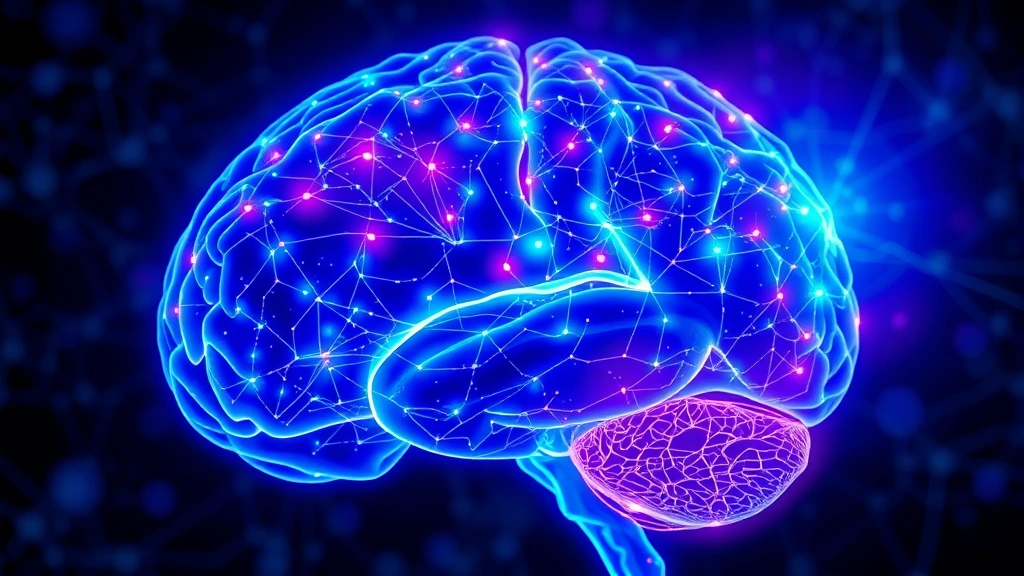
Research from institutions like MIT and Stanford University has illuminated how mindfulness affects brain structure and function. Neuroimaging studies reveal that regular mindfulness practice increases gray matter density in regions associated with emotional regulation, self-awareness, and perspective-taking. Simultaneously, it reduces activity in the default mode network—the brain system active during mind-wandering and self-referential thinking.
The American Psychological Association recognizes mindfulness-based interventions as evidence-based treatments for anxiety disorders and depression. However, researchers emphasize that while the evidence is promising, mindfulness works best as part of a comprehensive treatment approach rather than as a standalone cure.
Mindfulness-Based Interventions and Their Effectiveness
Several structured mindfulness programs have demonstrated clinical efficacy. Mindfulness-Based Stress Reduction (MBSR), developed by Jon Kabat-Zinn at the University of Massachusetts Medical School, is an eight-week program combining meditation, body awareness, and yoga. Thousands of peer-reviewed studies validate MBSR’s effectiveness for chronic pain, anxiety, depression, and overall quality of life.
Mindfulness-Based Cognitive Therapy (MBCT) specifically targets depression relapse prevention. Originally designed for individuals with recurrent major depression, MBCT combines mindfulness practices with cognitive therapy principles. Research shows it reduces depressive relapse rates by approximately 50% in people with three or more previous episodes.
Acceptance and Commitment Therapy (ACT) integrates mindfulness with values-based living. Rather than focusing solely on symptom reduction, ACT helps individuals clarify what matters most and take action aligned with those values, even in the presence of difficult thoughts and emotions. This approach proves particularly effective for anxiety disorders, chronic pain, and substance use disorders.
When comparing these interventions across studies, effectiveness varies based on individual factors, severity of symptoms, and consistency of practice. People who engage more deeply with the practices and attend sessions regularly experience greater benefits. This suggests that mindfulness requires active participation and commitment rather than passive consumption.
The Neuroscience Behind Mindfulness
Understanding how mindfulness produces mental health benefits requires examining brain mechanisms. Neuroimaging research reveals that mindfulness practice strengthens the prefrontal cortex, the brain region responsible for executive function, decision-making, and emotional regulation. Simultaneously, it reduces amygdala reactivity—the amygdala being the brain’s emotional alarm system responsible for fear and threat detection.
This neurological shift has profound implications. A hyperactive amygdala contributes to anxiety disorders and PTSD by triggering excessive fear responses. By training the mind to observe threatening thoughts without immediately reacting, mindfulness gradually recalibrates the amygdala’s sensitivity. Over time, the brain learns that many perceived threats don’t require the emergency response it automatically generates.
Mindfulness also influences the default mode network (DMN), a collection of interconnected brain regions active during mind-wandering and self-focused thinking. Excessive DMN activity correlates with depression, anxiety, and rumination. Meditation practice reduces DMN activity and strengthens connectivity between the DMN and the dorsolateral prefrontal cortex—a region involved in attentional control and emotional regulation.
Neurochemical changes accompany these structural and functional shifts. Mindfulness practice increases production of neurotransmitters like serotonin and dopamine while reducing cortisol, the primary stress hormone. These biochemical changes contribute to improved mood, reduced anxiety, and better stress resilience. The effects accumulate with practice, which explains why regular meditation produces more substantial benefits than occasional sessions.
Mindfulness for Anxiety and Depression
Anxiety and depression represent the most common mental health conditions, affecting approximately one in five adults annually. For anxiety disorders specifically, mindfulness addresses the core mechanism: excessive worry about future events and attempts to suppress anxious thoughts, which paradoxically amplify anxiety.
Mindfulness-based approaches teach individuals to observe anxious thoughts as mental events rather than predictions. This distinction proves crucial. When you notice “I might fail this presentation” as a thought your mind produced rather than a fact about the future, the thought loses its power. You can acknowledge it, feel the accompanying physical sensations, and proceed with the presentation regardless.
For depression, mindfulness interrupts the rumination cycle. Depression involves repetitive negative thinking about the past and persistent self-criticism. By training attention to return to present-moment experience, mindfulness reduces the time spent in rumination. Additionally, mindfulness cultivates self-compassion—treating yourself with the same kindness you’d offer a good friend during difficult times—which directly counteracts the harsh self-judgment characteristic of depression.
Research shows that individuals with anxiety who practice mindfulness experience significant symptom reduction comparable to cognitive-behavioral therapy (CBT) in some studies. For depression, mindfulness-based interventions reduce relapse rates and improve overall functioning. Many mental health professionals now recommend mindfulness as either a primary intervention or as a complement to traditional therapy approaches.
Integrating Mindfulness with Professional Therapy
While mindfulness offers substantial benefits, mental health professionals emphasize that it works optimally as part of comprehensive treatment. MindLift Daily Blog provides extensive resources on integrating mindfulness with professional therapy and wellness strategies.
For severe mental health conditions—major depressive episodes, bipolar disorder, psychotic disorders, or acute suicidality—mindfulness alone is insufficient. These conditions often require medication, intensive therapy, or hospitalization. However, once acute symptoms stabilize, mindfulness becomes a valuable complementary practice that reduces relapse risk and improves long-term outcomes.
Therapists increasingly incorporate mindfulness into various treatment modalities. Speech therapy near me providers and other specialists recognize how mindfulness reduces performance anxiety and increases therapeutic engagement. When working with a therapist, explicitly discussing your mindfulness practice ensures it complements rather than conflicts with your treatment plan.
The combination of mindfulness and professional therapy appears more effective than either approach alone. Therapy provides tools for addressing specific psychological issues and past trauma, while mindfulness develops the attentional and emotional regulation capacities needed to implement those tools effectively. Understanding therapy cost information helps you make informed decisions about integrating professional support with mindfulness practice.
Practical Mindfulness Techniques You Can Start Today
Basic Breath Awareness Meditation: Sit comfortably and focus on your natural breathing pattern. Notice the sensation of air entering and leaving your nostrils, the rise and fall of your chest. When your mind wanders (which it will), gently return attention to the breath without frustration. Start with five minutes daily and gradually extend to 20-30 minutes. This foundational practice strengthens attention and activates the parasympathetic nervous system.
Body Scan Meditation: Lie down or sit comfortably and systematically direct attention through each body part from your toes to the top of your head. Notice sensations without trying to change them. This practice increases interoceptive awareness—your ability to perceive internal bodily states—which improves emotional regulation and reduces dissociation.
Mindful Eating: Choose a single food item and eat it with full attention. Notice its appearance, smell, texture, and taste. Observe the impulse to swallow and the sensation of eating. This simple practice extends mindfulness into daily life and often reveals unconscious eating patterns.
Walking Meditation: Walk slowly while maintaining attention on the physical sensations of walking. Feel your feet contacting the ground, the movement of your legs, the swing of your arms. This accessible practice suits people who find sitting meditation difficult and can be integrated into your daily routine.
Loving-Kindness Meditation: Direct compassionate wishes toward yourself and others using phrases like “May I be safe, may I be healthy, may I be at ease.” Research shows this practice specifically reduces self-criticism and increases positive emotions. It’s particularly helpful for individuals struggling with depression or interpersonal difficulties.
Consistency matters more than duration. Five minutes daily proves more beneficial than occasional 30-minute sessions. Many people find that using meditation apps, attending group classes, or joining an online community increases adherence and deepens their practice.
Limitations and When Mindfulness Isn’t Enough
Despite substantial evidence, mindfulness has important limitations that deserve acknowledgment. For individuals with severe trauma, particularly complex PTSD, certain mindfulness practices can trigger retraumatization by directing attention inward to bodily sensations and emotions. In these cases, trauma-informed therapy approaches often precede mindfulness training.
Some individuals with psychotic disorders experience exacerbation of symptoms when practicing certain meditation techniques that involve introspection and altered states of consciousness. Similarly, people with dissociative disorders may find that inward focus worsens dissociative symptoms. These populations benefit from modified approaches or alternative interventions.
Mindfulness also isn’t a substitute for medication when medication is necessary. While mindfulness can reduce symptoms of depression and anxiety, individuals with moderate to severe depression often require antidepressants to achieve sufficient symptom relief that allows them to engage effectively with mindfulness practice or therapy. The combination of medication and mindfulness typically produces superior outcomes compared to either alone.
Additionally, mindfulness requires cognitive capacity and motivation. Severe depression, mania, or acute anxiety can make meditation difficult or impossible. Addressing acute symptoms through other means first often becomes necessary before mindfulness practice becomes feasible or beneficial.
Research also reveals individual differences in mindfulness responsiveness. Some people naturally benefit from meditation while others show minimal effects regardless of effort. This variation reflects differences in brain structure, personality traits, and learning history. People who don’t respond to mindfulness shouldn’t interpret this as personal failure but rather as valuable information about which interventions suit them best.
Understanding physical therapy treatment for cerebral palsy and other specialized interventions reminds us that different conditions require different approaches. Similarly, occupational therapy jobs and red light therapy near me represent other evidence-based modalities that address specific health concerns. Mental health treatment works best when tailored to individual needs rather than applying one-size-fits-all solutions.
FAQ
Does mindfulness actually work for anxiety?
Yes, substantial research demonstrates that mindfulness effectively reduces anxiety symptoms. Multiple randomized controlled trials show effect sizes comparable to medication and cognitive-behavioral therapy. However, effectiveness varies among individuals, and mindfulness works best as part of comprehensive treatment rather than as a standalone intervention.
How long does it take to see benefits from mindfulness?
Some people notice improvements in anxiety and mood within two to four weeks of consistent daily practice. However, more substantial neurological changes typically require eight to twelve weeks of regular meditation. The benefits continue accumulating with ongoing practice, and research shows that maintaining meditation produces lasting improvements.
Can mindfulness replace therapy?
Mindfulness complements professional therapy but doesn’t replace it for most people with diagnosed mental health conditions. Therapy addresses specific issues, processes past trauma, and provides tools for behavioral change, while mindfulness develops the attentional and emotional regulation capacities needed to implement those tools. The combination typically produces superior outcomes.
Is mindfulness religious or spiritual?
While mindfulness has roots in Buddhist traditions, contemporary mindfulness-based interventions like MBSR and MBCT are secular and evidence-based. These programs don’t require any religious beliefs and can be practiced by people of any faith tradition or no religious affiliation.
What if I can’t quiet my mind during meditation?
A “quiet mind” isn’t the goal of mindfulness meditation. Instead, the practice involves noticing when your mind has wandered and gently returning attention to your focus point. Your mind will wander countless times during meditation, and that’s completely normal. The practice is in the returning, not in achieving an empty mind.
Are there any side effects of mindfulness meditation?
Mindfulness is generally safe for most people. However, some individuals experience increased anxiety, dissociation, or emotional distress when starting meditation. If you have a history of trauma or psychosis, consult with a mental health professional before beginning mindfulness practice to ensure it’s appropriate for your situation.