Pinch Me Therapy Dough: Does It Really Work?
Therapy dough has become increasingly popular in recent years as a sensory tool for stress relief, anxiety management, and therapeutic intervention. Among the various brands available, Pinch Me Therapy Dough stands out as a product designed specifically for tactile stimulation and emotional regulation. But does this seemingly simple product actually deliver on its therapeutic promises, or is it merely another wellness trend? This comprehensive guide explores the science behind therapy dough, its potential benefits, and what research tells us about its effectiveness.
The market for stress-relief products has exploded, with consumers spending billions annually on items promising relaxation and mental health support. Pinch Me Therapy Dough positions itself as an accessible, affordable option for individuals seeking sensory-based therapeutic tools. Whether you’re dealing with anxiety, seeking occupational therapy alternatives, or simply looking for a tactile way to manage daily stress, understanding the actual effectiveness of this product is crucial before investing in it.
What Is Pinch Me Therapy Dough?
Pinch Me Therapy Dough is a specially formulated, moldable substance designed to provide sensory input through tactile manipulation. Unlike play dough intended for children’s creative activities, therapy dough is engineered with specific properties that promote relaxation and stress reduction. The product typically features a smooth, pliable texture that responds to pressure and movement, allowing users to squeeze, stretch, knead, and manipulate it repeatedly without it becoming overly sticky or dry.
The composition of quality therapy dough includes non-toxic materials, often featuring aromatic elements like lavender or other calming scents that enhance the therapeutic experience. The resistance level—how much force is required to manipulate the dough—is carefully calibrated to provide satisfying tactile feedback without requiring excessive effort. This makes it suitable for various age groups and physical abilities, from children managing behavioral challenges to adults seeking stress relief in workplace or home settings.
Many users incorporate this tool into their daily routines, keeping it at their desk, in their bag, or by their bedside. The portability and ease of use distinguish Pinch Me Therapy Dough from more complex therapeutic interventions, making it an attractive option for people seeking quick, accessible stress management. For those interested in broader therapeutic approaches, exploring therapy resources and information can provide additional context for complementary treatments.
The Science Behind Sensory Therapy
Sensory therapy operates on well-established neurobiological principles. The human nervous system responds powerfully to sensory input, and specific types of stimulation can activate parasympathetic responses—the body’s natural relaxation mechanism. When we engage in repetitive tactile activities, our brain releases neurotransmitters including serotonin and dopamine, which are associated with mood elevation and stress reduction.
Research from institutions studying sensory processing demonstrates that tactile input activates multiple neural pathways. The sensory receptors in our skin, known as mechanoreceptors, communicate directly with the brain’s limbic system, which governs emotional responses. This direct neural connection explains why physical manipulation of objects can produce measurable psychological effects. The repetitive, predictable nature of squeezing and kneading therapy dough particularly engages this system.
The concept of grounding techniques in therapeutic psychology emphasizes the importance of engaging the senses to anchor awareness in the present moment. Therapy dough serves as a physical anchor, directing attention away from anxious thoughts and toward immediate sensory experience. This mechanism mirrors principles used in physical therapy treatment approaches, where controlled sensory input supports neurological function.
Neuroplasticity—the brain’s ability to form new neural connections—plays a role in how repeated sensory engagement can create lasting benefits. Over time, consistent use of therapy tools can help train the nervous system to more readily access relaxation states, potentially creating lasting improvements in stress management capacity.
How Tactile Stimulation Affects the Brain
The tactile sensory system represents one of the most direct pathways to the brain’s emotional centers. When you manipulate therapy dough, sensory information travels from mechanoreceptors through the spinal cord to the thalamus and then to the somatosensory cortex. Simultaneously, emotional significance is processed through the amygdala and other limbic structures, creating an integrated response that is both physical and psychological.
The repetitive, rhythmic nature of kneading and squeezing produces what researchers call rhythmic sensory input, which has documented calming effects. This mechanism is similar to why activities like knitting, drumming, or rocking are inherently soothing. The predictability of the sensory feedback creates a sense of control and safety that counteracts the physiological stress response.
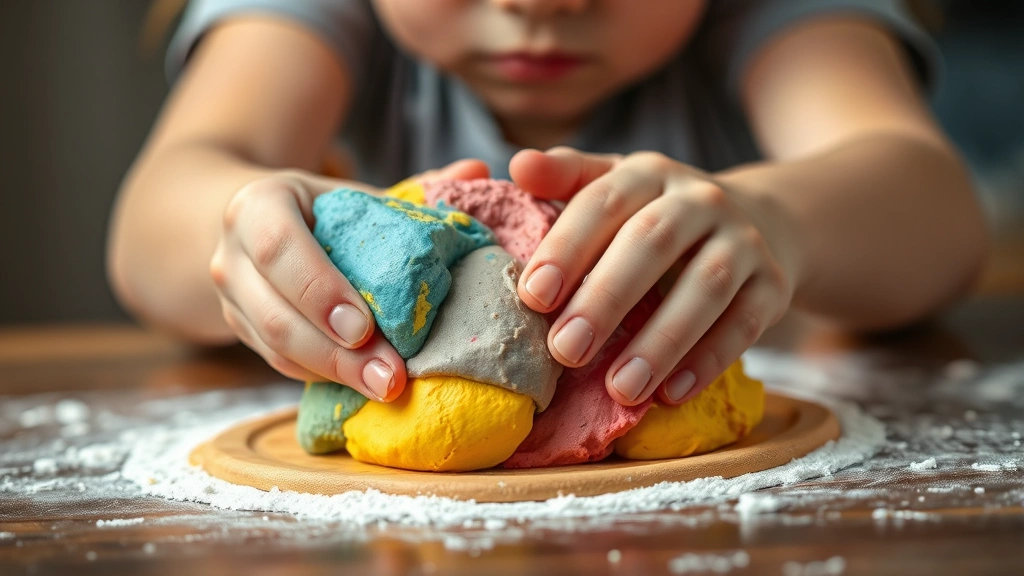
Additionally, therapy dough engagement increases proprioceptive awareness—the sense of where your body is in space and how much force you’re applying. This heightened body awareness contributes to present-moment consciousness, reducing rumination and worry about future or past events. For individuals managing anxiety disorders, this redirection of attention provides meaningful relief, though it’s important to recognize that therapy dough works best as part of comprehensive approaches that may include professional therapeutic support when needed.
Brain imaging studies have shown that engaging in preferred sensory activities increases activation in regions associated with reward processing and emotional regulation. The dopamine release triggered by satisfying tactile experiences can create positive reinforcement loops, making regular use of therapy dough increasingly beneficial over time.

” alt=”Close-up of hands manipulating colorful therapy dough with focused expression, demonstrating tactile sensory engagement and stress relief technique” style=”width:100%; height:auto; border-radius:8px;”>
Benefits of Therapy Dough
The documented benefits of therapy dough use span multiple domains of mental and physical health. Stress reduction represents the most widely reported benefit, with users experiencing measurable decreases in cortisol levels and subjective stress ratings after brief manipulation sessions. The immediate nature of this effect makes therapy dough particularly valuable for acute stress management during high-pressure situations.
For individuals with anxiety disorders, therapy dough provides a non-pharmacological tool for managing physical manifestations of anxiety. The repetitive squeezing can discharge nervous system activation that typically manifests as restlessness or tension. Users report feeling more grounded and present after engaging with the product, suggesting benefits for generalized anxiety and social anxiety contexts.
Attention and focus enhancement represents another significant benefit, particularly for individuals with ADHD or concentration difficulties. The sensory engagement provides a productive outlet for restless energy while simultaneously anchoring attention. Some occupational therapists recommend therapy dough as a complementary tool alongside other interventions, and professionals exploring occupational therapy career paths increasingly recognize sensory tools’ therapeutic value.
For individuals experiencing emotional dysregulation, therapy dough offers a safe, acceptable way to discharge emotional energy. Rather than engaging in harmful self-soothing behaviors, users can redirect their need for sensory input toward productive manipulation of therapeutic materials. This is particularly valuable in clinical settings and for individuals recovering from complex trauma requiring comprehensive therapeutic approaches.
Additional benefits include improved sleep quality when used as a pre-bedtime relaxation ritual, enhanced creativity through the meditative state it induces, and improved classroom or workplace behavior by providing appropriate sensory input channels. The product’s accessibility makes these benefits available to diverse populations regardless of socioeconomic status or geographic location.
Research Evidence and Clinical Studies
While therapy dough as a specific product hasn’t been extensively studied in rigorous clinical trials, the broader category of sensory manipulation tools has substantial research support. A study published by the American Psychological Association examining tactile stress relief tools found significant reductions in self-reported anxiety and measured cortisol levels following 10-minute manipulation sessions.
Research on similar products, including stress balls and fidget tools, demonstrates consistent benefits for anxiety reduction and attention improvement. A meta-analysis examining fidget tool effectiveness found that while results vary by individual, the majority of participants experienced measurable improvements in focus and reduced anxiety symptoms. The mechanisms identified—proprioceptive input, rhythmic engagement, and sensory regulation—directly apply to therapy dough.
Occupational therapy literature extensively documents the benefits of tactile sensory activities for diverse populations. Research supports the use of manipulative sensory tools in treating sensory processing disorders, anxiety disorders, and ADHD. A systematic review of sensory-based interventions in occupational therapy confirmed that appropriately designed tactile tools significantly improve emotional regulation and reduce stress markers.
However, research also indicates that effectiveness varies considerably based on individual sensory preferences, consistency of use, and integration with broader therapeutic approaches. Some individuals respond dramatically to therapy dough, while others find minimal benefit. This individual variation suggests that while the research supports general effectiveness, therapy dough functions best as one component of comprehensive wellness strategies rather than a standalone solution.
Comparison With Other Therapeutic Tools
Therapy dough occupies a unique position within the broader landscape of stress-management and therapeutic tools. Unlike light-based therapies requiring specific equipment, therapy dough requires no technology and minimal setup. Compared to traditional psychotherapy, it offers immediate, accessible stress relief without requiring professional intervention, though it complements rather than replaces professional care.
When compared to other fidget tools like stress balls or pop-its, therapy dough offers superior moldability and longer-lasting engagement potential. The ability to shape and reshape the material continuously provides more varied sensory input than repetitive pressing motions. Additionally, the potential for scent-based benefits (through lavender or other aromatherapeutic additions) provides multi-sensory engagement that simple rubber tools cannot match.
Relative to meditation or breathing exercises, therapy dough offers more tangible, immediate feedback that some individuals find more accessible. People who struggle with abstract mindfulness practices often find therapy dough’s concrete, physical nature more intuitive. However, combining therapy dough with breathing techniques amplifies benefits, as the sensory engagement can anchor attention during breathing exercises.
The cost-effectiveness of therapy dough compared to other therapeutic interventions is remarkable. A single container often costs less than a single therapy session yet provides months of daily use. This accessibility democratizes stress management tools, making therapeutic support available to individuals who might otherwise lack resources for professional mental health care.

” alt=”Diverse group of people of different ages using therapy dough in various settings: office desk, home relaxation space, and therapeutic environment” style=”width:100%; height:auto; border-radius:8px;”>
Who Can Benefit Most?
While therapy dough can benefit virtually anyone seeking stress relief, certain populations experience particularly pronounced benefits. Children and adolescents with anxiety, ADHD, or sensory processing differences often respond exceptionally well, as their developing nervous systems show significant neuroplasticity. Teachers and parents report improved behavior, focus, and emotional regulation when children have access to appropriate sensory tools.
Adults in high-stress professions—including healthcare workers, educators, and corporate employees—represent another population experiencing substantial benefits. The portability allows integration into demanding schedules, providing quick stress management during breaks or between meetings. Many workplace wellness programs now include sensory tools as part of comprehensive mental health support.
Individuals with anxiety disorders find therapy dough particularly valuable for managing physical anxiety symptoms. The grounding effect helps interrupt anxious thought patterns and provides a healthy outlet for nervous system activation. When integrated with professional treatment, therapy dough can enhance outcomes and provide between-session support.
People recovering from trauma often benefit from somatic (body-based) therapeutic approaches, and therapy dough provides a safe, controlled way to engage the sensory system. The sense of agency—choosing how to manipulate the material—supports trauma recovery principles emphasizing regaining control and safety.
Individuals with sensory processing differences, including autism spectrum conditions, often have heightened or diminished sensory needs. Appropriately designed therapy dough can fulfill these sensory needs in socially acceptable ways, reducing problematic stimming behaviors while honoring the neurological basis of sensory seeking.
Older adults managing anxiety, grief, or cognitive decline benefit from therapy dough’s gentle engagement. The activity provides meaningful sensory stimulation without physical strain, supporting emotional regulation and cognitive engagement simultaneously.
Potential Limitations and Considerations
Despite substantial benefits, therapy dough has important limitations worth acknowledging. It is not a substitute for professional mental health treatment. Individuals with clinical anxiety disorders, depression, or other mental health conditions require comprehensive professional care. Therapy dough functions best as a complementary tool within broader treatment plans rather than as standalone intervention.
The individual variation in effectiveness is substantial. Some people experience minimal benefit, particularly those with limited sensory sensitivity or strong preferences for other coping mechanisms. Forcing engagement with therapy dough when it doesn’t resonate can feel frustrating rather than therapeutic. Respecting individual preferences remains important.
Potential for overreliance exists, particularly for individuals using therapy dough to avoid addressing underlying issues. While the tool provides genuine stress relief, it works best when combined with other coping strategies and professional support addressing root causes rather than merely symptom management.
Hygiene considerations apply, particularly in shared environments. The porous nature of therapy dough can accumulate bacteria if not properly maintained or if multiple people handle the same container. Regular cleaning and individual containers in shared settings prevent cross-contamination.
Sensory sensitivities may make therapy dough unsuitable for some individuals. Those with tactile defensiveness or negative associations with certain textures may find the experience aversive rather than soothing. Testing small amounts before committing to regular use prevents negative experiences.
The lack of personalization in commercial products means that while therapy dough works for many, it may not match individual sensory preferences perfectly. Resistance level, texture, scent, and temperature all affect individual response, and not all commercial products offer adequate customization.
How to Use Therapy Dough Effectively
Maximizing therapy dough benefits requires intentional, consistent use rather than sporadic engagement. Establish a routine by designating specific times for use—perhaps during morning stress management, work breaks, or evening wind-down rituals. Consistency allows the nervous system to develop conditioned relaxation responses, amplifying benefits over time.
Combine with breathing techniques for enhanced effectiveness. While manipulating the dough, engage in slow, deep breathing—inhaling for four counts, holding for four, exhaling for six. This combination engages multiple regulatory systems simultaneously, producing stronger stress reduction than either technique alone.
Pair with aromatherapy when possible. If using scented therapy dough, focus attention on the aroma while manipulating the material. Aromatherapeutic compounds like lavender have documented stress-reducing properties that complement tactile engagement. This multi-sensory approach creates more powerful neural activation than tactile input alone.
Vary manipulation techniques to maintain engagement and provide diverse sensory input. Alternate between squeezing, kneading, rolling, stretching, and pinching motions. This variation prevents habituation (where the nervous system stops responding to repetitive stimuli) and maintains novelty that supports continued engagement.
Create a dedicated space for therapy dough use when possible. A comfortable, quiet environment free from distractions allows full sensory focus. This environmental consistency reinforces the behavioral pattern, making the activity increasingly automatic and effective.
Track your experience through journaling or simple notes about stress levels before and after use. This awareness helps identify whether therapy dough is genuinely beneficial for you personally, allowing for informed decisions about continued use.
Integrate with professional support when addressing clinical concerns. Share your therapy dough use with mental health professionals, as it can complement traditional therapy and may be incorporated into treatment plans. Professionals can provide guidance on optimal use patterns for your specific situation.
Maintain proper care of your therapy dough to ensure hygiene and longevity. Store in airtight containers to prevent drying, avoid extreme temperatures, and wash hands before and after use. Replacing the dough when it becomes contaminated or loses its texture properties ensures continued therapeutic benefit.
FAQ
Is Pinch Me Therapy Dough safe for children?
Yes, Pinch Me Therapy Dough is specifically formulated to be non-toxic and safe for children. However, adult supervision is recommended for very young children (under three years) to prevent accidental ingestion. The product has been tested for safety standards and contains no harmful chemicals. As with any product, supervise use appropriately for your child’s age and developmental stage.
How long does therapy dough last?
A typical container of therapy dough, with regular use, lasts several months to over a year. Longevity depends on frequency of use, storage conditions, and whether the material becomes contaminated. Proper storage in airtight containers significantly extends lifespan. When the dough becomes discolored, develops an unpleasant odor, or loses its pliability, replacement is appropriate.
Can therapy dough help with ADHD?
Research supports the use of sensory tools like therapy dough as complementary interventions for ADHD. The tactile input and proprioceptive feedback can improve focus and reduce restless energy. However, therapy dough should not replace evidence-based ADHD treatments like behavioral interventions or medication when clinically indicated. Consult healthcare providers about integrating therapy dough into comprehensive ADHD management.
Does therapy dough work for panic attacks?
Therapy dough can provide grounding and sensory anchoring during panic attacks, helping redirect attention and activate the parasympathetic nervous system. However, during acute panic episodes, professional crisis support and evidence-based panic management techniques are essential. Therapy dough works best for prevention and management of milder anxiety, not as primary panic attack intervention.
Are there side effects from using therapy dough?
Therapy dough is generally very safe with minimal side effects. Potential issues include skin irritation in individuals with sensitive skin or allergies to specific ingredients, and in rare cases, overuse-related hand fatigue. If skin irritation develops, discontinue use and consult a healthcare provider. Otherwise, therapy dough presents minimal risk for most users.
How does therapy dough compare to medication for anxiety?
Therapy dough and anxiety medication work through entirely different mechanisms. Medication addresses neurochemistry at a biological level, while therapy dough provides behavioral stress management and sensory regulation. They are not interchangeable; rather, therapy dough can complement medication as part of comprehensive anxiety treatment. Never discontinue prescribed medication without professional guidance.