
Does Mederma Work for Stretch Marks? Expert Insights and Evidence-Based Analysis
Stretch marks are a common concern for millions of people worldwide, affecting approximately 80% of the population at some point in their lives. These linear scars appear when the skin stretches rapidly due to pregnancy, weight gain, growth spurts, or muscle development, causing the collagen and elastin fibers to tear. The appearance of stretch marks can significantly impact self-confidence, leading many individuals to search for effective treatment solutions.
Mederma has become one of the most popular over-the-counter products marketed for scar and stretch mark reduction. Available in pharmacies and online retailers, this topical treatment promises to improve the appearance of various types of scars through regular application. However, the question remains: does Mederma actually work for stretch marks, and what does the scientific evidence say about its effectiveness?
Understanding Stretch Marks and Their Formation
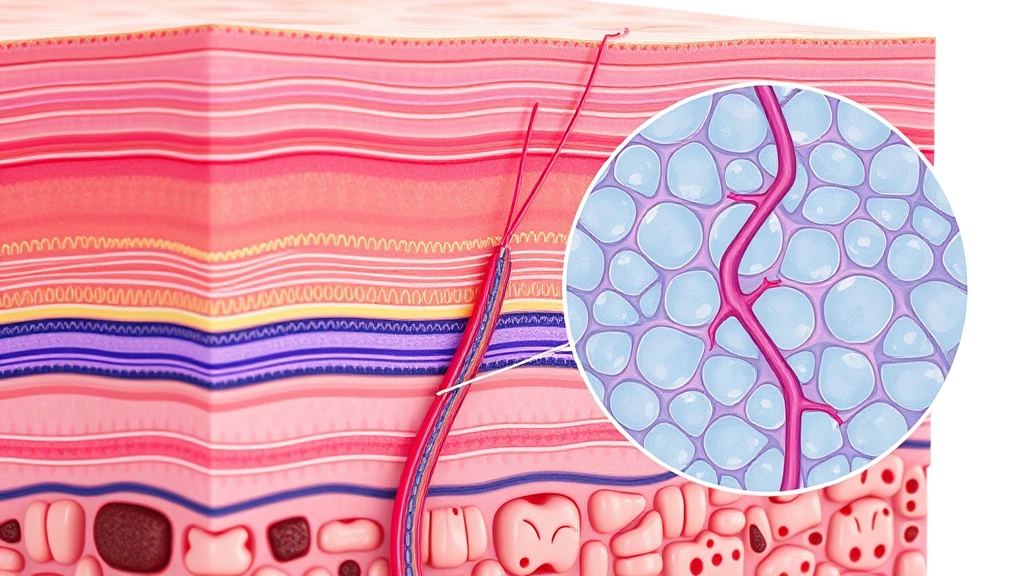
Stretch marks, medically known as striae distensae, develop when the dermis—the thick layer of skin beneath the epidermis—experiences rapid stretching. This stretching causes microscopic tears in the collagen and elastin fibers that provide skin with its strength and elasticity. When these structural proteins rupture, the body initiates a healing response, but the repair process often results in visible scarring.
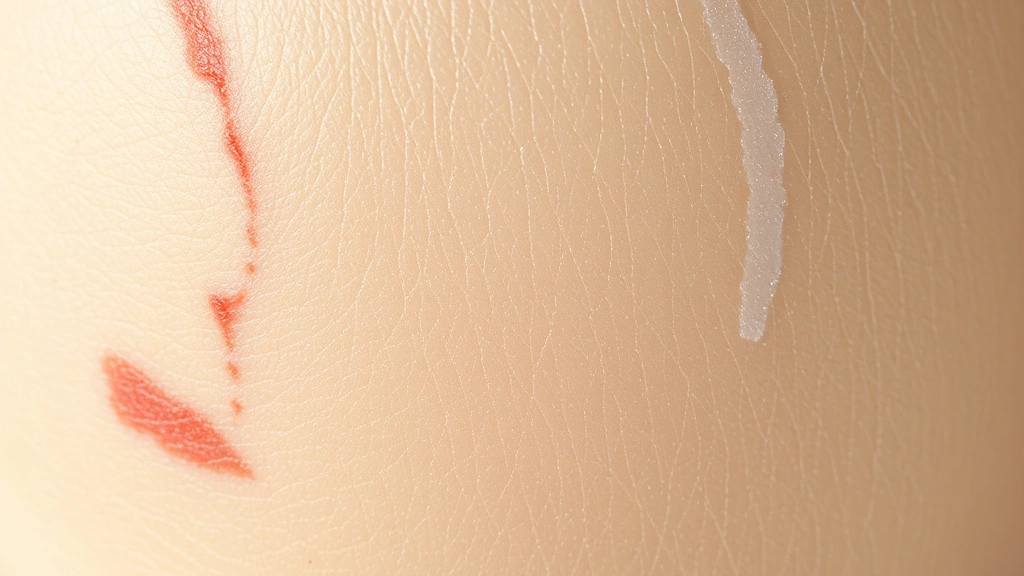
The appearance of stretch marks evolves over time. Initially, they appear as red or purple lines, indicating active inflammation and increased blood flow to the affected area. This early stage, known as striae rubra, presents the best opportunity for treatment intervention. As time progresses, stretch marks fade to a silvery-white color (striae alba), becoming less responsive to topical treatments. Understanding this timeline is crucial when evaluating any treatment’s potential effectiveness, as newer stretch marks respond better to intervention than established ones.
Several factors influence susceptibility to stretch marks, including genetic predisposition, skin elasticity, age, hormonal fluctuations, and the speed of skin stretching. Pregnant women, adolescents during growth spurts, and individuals gaining weight rapidly face higher risk. The location matters too, with stretch marks commonly appearing on the abdomen, breasts, thighs, and buttocks—areas that experience significant expansion.
What is Mederma and How Does It Work
Mederma is a topical gel formulation developed by Merz Pharmaceuticals that contains onion bulb extract (Allium cepa), commonly marketed under the trade name Mederma Advanced Scar Gel. The product also includes other ingredients such as cepalin, allantoin, and various botanical extracts designed to work synergistically on scar tissue appearance.
The primary active ingredient, onion bulb extract, is believed to work through several mechanisms. According to the manufacturer’s claims, cepalin—a proprietary compound derived from onion extract—possesses anti-inflammatory and antimicrobial properties that may improve skin hydration and promote more organized collagen remodeling. Allantoin, another key component, is a keratolytic agent that helps soften and hydrate the outer skin layer, potentially making scars appear smoother and less prominent.
The theoretical mechanism suggests that regular application increases skin hydration, reduces inflammation, and promotes more uniform collagen alignment within scar tissue. However, the actual depth of penetration and effectiveness at reaching the dermis—where stretch marks form—remains a significant consideration. Topical treatments face inherent limitations due to the skin’s barrier function, which restricts the passage of larger molecules into deeper skin layers where structural damage occurs.
Scientific Evidence on Mederma Efficacy
The scientific evidence regarding Mederma’s effectiveness presents a mixed picture that warrants careful examination. Several clinical studies have investigated the product’s ability to improve scar appearance, with results ranging from modest improvements to negligible effects.
A randomized controlled trial published in PubMed Central examined Mederma’s efficacy compared to placebo in patients with surgical scars. The study found that Mederma produced statistically significant improvements in scar appearance compared to placebo, though the clinical significance of these improvements was modest. Participants using Mederma showed approximately 2-3 point improvements on standardized scar assessment scales, while placebo groups showed minimal changes.
However, it’s important to note that most rigorous clinical trials evaluating Mederma have focused on surgical scars and traumatic wounds rather than stretch marks specifically. Stretch marks present a different biological challenge than typical surgical scars because they involve a different pathophysiological mechanism—they result from dermal rupture rather than incision healing. This distinction is crucial when interpreting study results.
A dermatology journal review examining multiple studies on topical scar treatments found that evidence supporting onion-based preparations like Mederma remains limited. The review noted that while some studies showed modest benefits, the effect sizes were generally small and often fell within the range of what could be achieved through simple skin moisturization alone. This finding suggests that much of Mederma’s benefit may derive from increased hydration rather than specific active ingredients.
Research from the American Academy of Dermatology indicates that topical treatments, in general, have limited efficacy for established stretch marks. The organization acknowledges that while topical agents may provide modest cosmetic improvements, they cannot reverse the underlying structural damage that characterizes mature stretch marks. For newer stretch marks in the inflammatory phase, topical treatments may offer slightly better results, but expectations should remain realistic.
Comparing Mederma to Alternative Treatments
When evaluating Mederma’s effectiveness, it’s valuable to compare it against other available stretch mark treatments. Professional dermatological interventions generally demonstrate superior efficacy compared to over-the-counter topical products.
Prescription Retinoids: Tretinoin (Retin-A) and other retinoid medications have shown more robust evidence for improving stretch mark appearance than Mederma. These vitamin A derivatives increase cell turnover and stimulate collagen production, addressing the underlying structural deficiency. Studies demonstrate that tretinoin applied during the early inflammatory phase can reduce stretch mark severity more effectively than topical over-the-counter products.
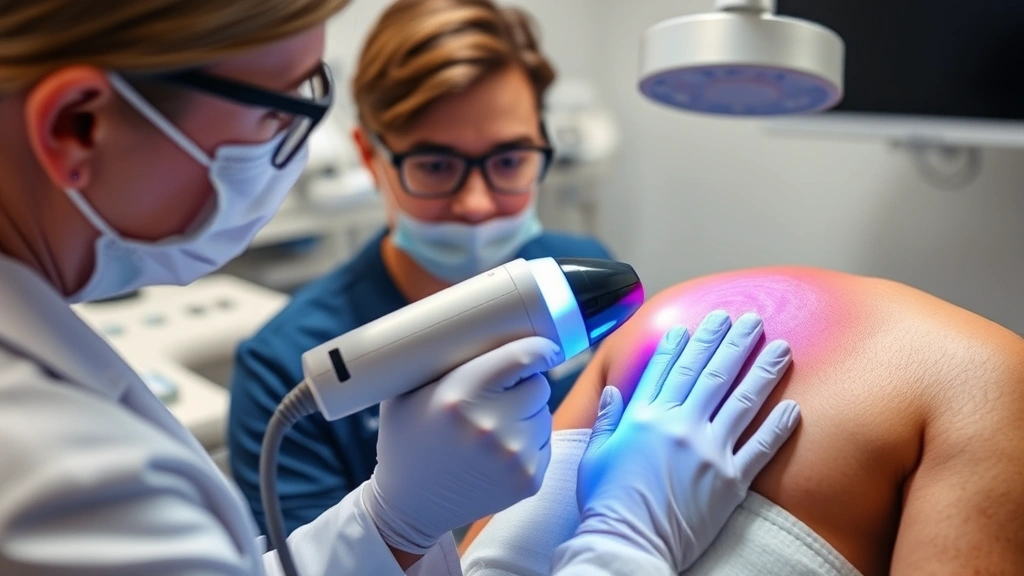
Laser and Light-Based Therapies: Professional treatments including fractional laser resurfacing, pulsed dye laser, and microneedling radiofrequency have demonstrated significant efficacy for stretch mark improvement. These treatments work by stimulating collagen remodeling and creating controlled micro-injuries that trigger the body’s healing response. Results are particularly impressive when treatments begin during the red/purple phase of stretch marks.
Microneedling: This minimally invasive procedure involves creating controlled punctures in the skin with fine needles, triggering collagen induction therapy. Microneedling has shown promising results for stretch mark reduction, with studies reporting 40-80% improvement in appearance after multiple sessions. The treatment is more affordable than laser therapy while still offering superior results to topical applications.
Chemical Peels: Glycolic acid and other chemical peels can improve stretch mark appearance by promoting exfoliation and stimulating dermal remodeling. While less dramatic than laser or microneedling treatments, chemical peels offer a middle ground between topical products and invasive procedures.
When comparing these options, the evidence hierarchy clearly places professional treatments above over-the-counter products like Mederma. However, cost considerations, accessibility, and individual preferences may make Mederma an acceptable starting point for individuals with mild stretch marks or those seeking low-risk initial treatment before considering professional interventions.
When to Seek Professional Treatment
Determining whether to pursue professional treatment versus continuing with topical products depends on several factors, including stretch mark severity, age, location, and personal goals. Understanding when professional intervention becomes appropriate requires realistic assessment of topical treatment limitations.
Professional dermatological treatment becomes increasingly justified when stretch marks are extensive, long-standing, or significantly affecting quality of life and self-confidence. Individuals who have applied Mederma or similar products consistently for 2-3 months without satisfactory improvement should consider consulting dermatologists about professional options. Early intervention during the inflammatory phase yields superior results, so younger stretch marks respond better to professional treatments than established ones.
Consulting with a dermatologist provides access to professional assessment, customized treatment planning, and evidence-based interventions unavailable through over-the-counter channels. Dermatologists can evaluate stretch mark characteristics, assess skin type, identify contraindications, and recommend appropriate professional treatments or combination approaches. This personalized evaluation often results in more effective outcomes than self-directed topical therapy.
For those interested in exploring therapy resources and understanding different treatment modalities, the MindLift Daily Blog provides comprehensive therapy resources and information that may help contextualize treatment decisions. Additionally, understanding the psychological aspects of appearance-related concerns can support decision-making around treatment options.
Best Practices for Stretch Mark Management
While Mederma may provide modest benefits, a comprehensive approach to stretch mark management incorporates multiple strategies that address prevention, early intervention, and realistic expectations.
Prevention Strategies: The most effective approach to stretch marks involves prevention when possible. Maintaining healthy skin hydration through adequate water intake, using moisturizing products during periods of rapid weight change or pregnancy, and gradually gaining or losing weight reduces stretch mark severity. Keeping skin well-moisturized improves its elasticity and resilience, potentially minimizing damage during stretching periods.
Early Intervention: Beginning treatment during the red or purple inflammatory phase yields better results than waiting until stretch marks fade to white. During this early window, topical treatments may provide modest benefits, and professional treatments demonstrate superior efficacy. Consistency in application matters significantly—sporadic use provides minimal benefit compared to regular, sustained application.
Combination Approaches: Rather than relying solely on Mederma, combining topical treatments with sun protection, adequate hydration, and strength training that improves skin elasticity creates a more comprehensive management strategy. For individuals pursuing professional treatment, combining modalities (such as laser therapy followed by microneedling) often produces superior results than single treatments.
Realistic Expectations: Understanding that complete stretch mark elimination is unrealistic helps establish appropriate goals. The objective should be improvement and fading rather than total removal. Mature white stretch marks may never become completely invisible, but professional treatments can significantly reduce their visibility and make them less noticeable against surrounding skin.
Ongoing Maintenance: Maintaining skin health through consistent moisturization, sun protection, and healthy lifestyle practices supports long-term appearance improvement. Products like Mederma can be incorporated into ongoing skincare routines even if they provide only modest benefits, as the additional hydration and attention to affected areas contribute to overall skin health.
For those navigating the broader landscape of therapeutic options and considering how therapy goals and objectives relate to appearance concerns, professional mental health support can also be valuable when appearance-related distress significantly impacts psychological wellbeing.
Frequently Asked Questions
How long does Mederma take to work on stretch marks?
Most users should apply Mederma consistently for at least 8-12 weeks before expecting noticeable results. The product requires daily application, typically two to three times daily, for optimal benefit. However, many users report minimal visible improvement even with consistent application. Results vary significantly based on individual factors including stretch mark age, skin type, and individual healing response.
Can Mederma work on old white stretch marks?
Mederma is significantly less effective on mature white stretch marks compared to newer red or purple stretch marks. Once stretch marks transition to the white phase, the inflammatory process has resolved and structural remodeling has largely completed. Topical treatments have limited ability to reverse established collagen changes, making professional treatments more appropriate for older stretch marks.
Is Mederma safe during pregnancy?
Mederma is generally considered safe for topical application during pregnancy, as the onion extract and other ingredients are not systemically absorbed in significant quantities. However, pregnant individuals should consult healthcare providers before using any new products. Some dermatologists recommend beginning preventative moisturization early in pregnancy rather than waiting until stretch marks appear.
Does Mederma work better than plain moisturizer?
Clinical evidence suggests that Mederma may provide modest improvements over plain moisturizer, but the difference is often small. The primary benefit may derive from the consistent hydration provided by any quality moisturizer rather than specific active ingredients. Using Mederma as part of a comprehensive skincare routine that includes hydration and sun protection offers reasonable value for modest expectations.
What ingredients in Mederma make it effective?
The primary active ingredient is onion bulb extract (Allium cepa), which contains cepalin and other compounds believed to have anti-inflammatory properties. Allantoin works as a keratolytic agent to soften and hydrate skin. While these ingredients have theoretical benefits, the clinical evidence supporting their specific efficacy remains limited compared to other scar treatments.
Should I use Mederma before or after professional treatments?
Mederma can be incorporated into pre-treatment and post-treatment skincare routines. Before professional treatment, consistent Mederma application demonstrates commitment to stretch mark management. After professional treatments like laser therapy or microneedling, Mederma can support healing and maintain skin hydration during recovery, though specific post-treatment skincare recommendations from the treating dermatologist should take priority.
Are there better alternatives to Mederma for stretch marks?
Professional treatments including fractional laser therapy, microneedling, and prescription retinoids demonstrate superior efficacy compared to Mederma. For individuals seeking over-the-counter alternatives, products containing retinol, vitamin C, or hyaluronic acid may provide comparable benefits. However, professional dermatological treatment remains the gold standard for significant stretch mark improvement.

