
Does Mindfulness Reduce Stress? Studies Confirm
Stress has become an epidemic in modern society, affecting millions of people across all demographics. Whether caused by work pressures, relationship challenges, health concerns, or financial worries, chronic stress can significantly impact both mental and physical well-being. In recent years, mindfulness has emerged as a scientifically-backed approach to stress reduction, with numerous clinical studies demonstrating its effectiveness. But what exactly is mindfulness, and how does it actually reduce stress at a physiological level?
Mindfulness is the practice of maintaining present-moment awareness without judgment, allowing individuals to observe their thoughts and emotions as they arise without becoming overwhelmed by them. Unlike other stress-management techniques, mindfulness doesn’t require expensive equipment, medications, or lengthy commitments. Instead, it leverages the brain’s natural neuroplasticity to create lasting changes in how we respond to stressors. This article explores the scientific evidence behind mindfulness-based stress reduction, examining peer-reviewed research, neurobiological mechanisms, and practical applications.
The Science Behind Mindfulness and Stress
When we experience stress, our bodies activate the sympathetic nervous system, commonly known as the “fight-or-flight” response. This ancient survival mechanism floods the bloodstream with cortisol and adrenaline, preparing us to face immediate threats. However, in modern life, this response often activates for non-life-threatening situations like work deadlines or traffic jams, keeping our nervous systems in a perpetual state of heightened alert.
Mindfulness interrupts this cycle by activating the parasympathetic nervous system, often called the “rest-and-digest” response. When you practice mindfulness meditation, your body’s heart rate decreases, blood pressure normalizes, and cortisol levels drop significantly. A landmark study published in JAMA Psychiatry found that mindfulness meditation produced effects comparable to antidepressants for some patients, highlighting its profound neurochemical impact.
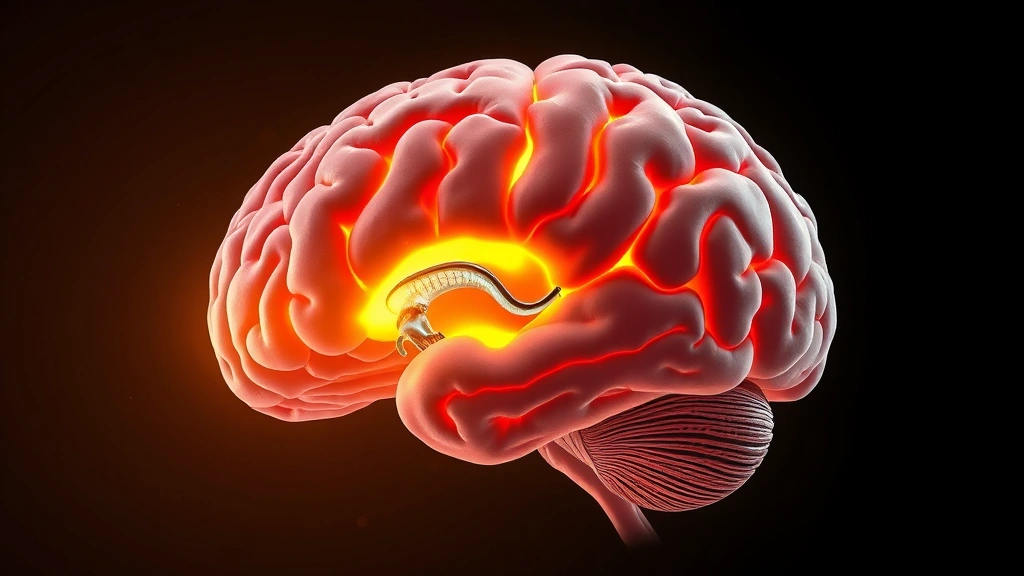
The stress-reduction mechanism of mindfulness operates through several pathways. First, it increases awareness of stress triggers before they escalate into full-blown anxiety episodes. Second, it reduces the amygdala’s reactivity—the brain region responsible for processing fear and emotional responses. Third, it strengthens connections between the prefrontal cortex (responsible for rational thinking) and the amygdala, giving the conscious mind greater control over emotional reactions.
Research from the National Institutes of Health demonstrates that regular mindfulness practitioners show measurably lower baseline cortisol levels, suggesting that the benefits extend beyond individual meditation sessions into daily life.

Key Research Studies on Mindfulness Effectiveness
Numerous randomized controlled trials have established mindfulness as an evidence-based stress-reduction technique. One of the most significant studies, conducted by Jon Kabat-Zinn at the University of Massachusetts Medical School, involved 90 patients with anxiety disorders. Participants in the mindfulness-based stress reduction (MBSR) program showed a 39% reduction in anxiety symptoms compared to the control group, with benefits persisting even after the program concluded.
The American Psychological Association has recognized mindfulness-based interventions as an effective treatment for anxiety, depression, and chronic pain. A 2019 meta-analysis examining 142 studies found that mindfulness interventions produced statistically significant improvements in anxiety and depression outcomes across diverse populations, from healthcare workers to military personnel.
Another compelling study published in Psychiatry Research used brain imaging to track changes in eight-week MBSR participants. The results showed significant gray matter density increases in the hippocampus (crucial for memory and emotional regulation) and decreases in the amygdala (associated with fear processing). These structural brain changes correlated directly with participants’ self-reported stress reduction.
When exploring therapeutic interventions for stress-related conditions, it’s worth understanding how cognitive behavioral therapy for generalized anxiety disorder compares to mindfulness approaches, as both are evidence-based but use different mechanisms.
Corporate wellness programs have also demonstrated mindfulness’s effectiveness. Companies implementing mindfulness training reported 20-30% reductions in employee stress levels, corresponding with improved productivity and decreased absenteeism. These real-world applications validate laboratory findings in practical settings.
A comprehensive review in Frontiers in Psychology noted that mindfulness interventions show particular promise for individuals with chronic stress conditions, with effects comparable to pharmaceutical interventions but without the associated side effects.
How Mindfulness Changes Brain Structure
Perhaps the most revolutionary finding in mindfulness research is that meditation physically rewires the brain. Neuroimaging studies using functional MRI (fMRI) and structural MRI have revealed that consistent mindfulness practice literally changes brain architecture and function.
The prefrontal cortex, responsible for executive function and rational decision-making, shows increased activation and gray matter density in long-term meditators. Simultaneously, the amygdala—the brain’s alarm system—becomes smaller and less reactive. This neural remodeling explains why experienced mindfulness practitioners respond to stressors with greater calm and perspective.
The default mode network (DMN), a collection of brain regions active during mind-wandering and self-referential thinking, becomes less dominant in meditators. Excessive DMN activity is associated with anxiety, depression, and rumination. By quieting the DMN, mindfulness reduces the tendency to get stuck in worry loops and negative thought patterns.
Research from MIT demonstrates that mindfulness strengthens the anterior cingulate cortex, enhancing attention regulation and emotional awareness. Additionally, the insula—involved in interoceptive awareness (sensing internal body states)—becomes more developed, allowing practitioners to recognize stress signals earlier and intervene more effectively.
These neuroplastic changes aren’t permanent fixtures requiring decades of practice. Studies show that measurable brain changes occur within eight weeks of regular mindfulness training, making it an accessible intervention even for busy individuals. The brain remains plastic throughout life, meaning it’s never too late to develop these beneficial neural pathways.
Understanding how physical therapies impact the body can provide additional context for comprehensive wellness; for instance, learning about physical therapy treatment for cerebral palsy shows how different interventions address various health challenges.
Mindfulness vs Traditional Therapy Approaches
While traditional talk therapy and medication remain valuable tools, mindfulness offers distinct advantages. Unlike cognitive-behavioral therapy, which requires identifying and challenging specific thoughts, mindfulness teaches acceptance and non-judgment of thoughts without necessarily changing their content. Both approaches are effective but operate through different mechanisms.
Medication can provide rapid symptom relief but often comes with side effects and potential dependency issues. Mindfulness, by contrast, produces no adverse effects and actually enhances the brain’s natural healing capabilities. Many clinicians now integrate both approaches, using medication to stabilize acute symptoms while building long-term resilience through mindfulness practice.
Mindfulness also differs from distraction-based coping strategies. Rather than avoiding stressful thoughts and emotions, mindfulness teaches people to face them with curiosity and compassion. This approach leads to deeper, more lasting healing than avoidance-based techniques.
The accessibility of mindfulness represents another significant advantage. While therapy requires finding qualified practitioners and managing costs, mindfulness can be practiced anywhere, anytime, using free resources or affordable apps. This democratization of stress management makes it available to populations that might otherwise lack access to mental health services.
Research comparing mindfulness to other stress-reduction techniques—including exercise, social support, and hobby engagement—shows that mindfulness produces comparable or superior outcomes, particularly for chronic stress conditions. Importantly, mindfulness complements these other approaches rather than replacing them, creating a comprehensive wellness strategy.
Practical Mindfulness Techniques for Daily Life
Understanding the science is valuable, but practical application determines real-world benefits. Several evidence-based mindfulness techniques can be integrated into daily routines without requiring extensive training or time commitment.
Body Scan Meditation: This foundational technique involves systematically directing attention through different body regions, noticing sensations without judgment. A 10-minute daily body scan activates the parasympathetic nervous system and builds awareness of stress-related physical tension before it becomes problematic.
Focused Attention Meditation: Concentrating on a single anchor—such as the breath, a mantra, or a visual object—trains attention and interrupts rumination patterns. When the mind wanders (which is normal), practitioners simply notice and gently return attention to the anchor. This repeated redirection strengthens neural circuits supporting attention control.
Loving-Kindness Meditation: This practice involves directing compassionate wishes toward oneself and others. Research shows it reduces self-criticism and increases emotional resilience, making it particularly valuable for stress-related to social anxiety or perfectionism.
Mindful Breathing: Simple breath awareness—counting breaths or focusing on the sensation of breathing—can be practiced during work breaks, commutes, or moments of rising stress. Even two minutes of conscious breathing activates the vagus nerve, initiating relaxation responses.
Walking Meditation: For those who find sitting meditation challenging, walking meditation combines movement with mindfulness. Practitioners walk slowly, noticing each footstep, the sensation of movement, and environmental details. This technique works well for people with restless energy or attention difficulties.
For comprehensive stress management strategies, exploring resources like MindLift Daily Blog provides additional therapeutic insights and practical tools.
Mindful Eating: Applying mindfulness to meals—noticing flavors, textures, and hunger cues—reduces stress-related overeating and improves digestive health. This practice also increases enjoyment of food and strengthens the mind-body connection.
Consistency matters more than duration. Research indicates that 10-15 minutes of daily practice produces measurable stress reduction within two weeks, with benefits increasing over time. Even brief practices provide immediate physiological benefits, making mindfulness accessible regardless of time constraints.
Combining Mindfulness with Other Treatments
While mindfulness is powerful independently, integrating it with other evidence-based approaches creates synergistic benefits. Many clinicians recommend combining mindfulness with traditional therapy modalities for comprehensive stress management.
When paired with cognitive-behavioral therapy, mindfulness enhances outcomes by reducing reactivity to anxious thoughts while CBT techniques help restructure unhelpful thought patterns. This combination addresses both the emotional and cognitive dimensions of stress.
Physical activity combined with mindfulness produces superior stress-reduction outcomes compared to either intervention alone. Exercise reduces stress hormones while mindfulness prevents rumination about stressors, creating dual pathways to wellness. Additionally, mindful movement practices like yoga and tai chi integrate both benefits simultaneously.
For individuals considering various therapeutic options, understanding couples therapy cost and other treatment investments helps with informed decision-making about comprehensive wellness strategies.
Sleep quality significantly impacts stress resilience, and mindfulness meditation improves sleep outcomes. Practicing mindfulness before bed reduces racing thoughts and physical tension, facilitating deeper, more restorative sleep. Better sleep then enhances mindfulness practice effectiveness, creating a positive feedback loop.
Nutritional support also complements mindfulness practice. Adequate omega-3 fatty acids, B vitamins, and magnesium support brain function and stress resilience. Combined with mindfulness, proper nutrition optimizes the neurochemical environment for stress reduction.
Social connection represents another powerful stress buffer. Mindfulness improves emotional regulation and empathy, enhancing relationship quality and social support—both crucial for long-term stress management. Group mindfulness classes provide community benefits alongside individual practice.
For healthcare professionals interested in stress management, exploring occupational therapy jobs reveals how various professionals integrate wellness practices into their work.
Workplace implementation of mindfulness programs, often combined with organizational stress reduction initiatives, produces measurable improvements in employee well-being and productivity. Progressive companies recognize mindfulness as essential infrastructure for supporting mental health and workplace culture.
FAQ
How long does it take for mindfulness to reduce stress?
Research shows measurable stress reduction within 2-4 weeks of consistent practice, with greater benefits accumulating over months and years. However, many people report feeling calmer immediately after individual meditation sessions, even before long-term changes occur.
Can mindfulness replace medication for anxiety?
Mindfulness can be highly effective for anxiety, and some people reduce medication with medical supervision. However, it shouldn’t replace medication without professional guidance. Many benefit from combining both approaches, with mindfulness providing lasting resilience while medication offers acute symptom relief.
How much daily practice is necessary?
Studies show significant benefits from 10-15 minutes daily. Even shorter practices—5-10 minutes—produce measurable physiological changes. Consistency matters more than duration; daily practice is superior to occasional longer sessions.
Can anyone practice mindfulness?
Yes, mindfulness is accessible to virtually everyone, including children, elderly individuals, and people with various disabilities. Modifications exist for different physical and cognitive abilities, making it truly inclusive.
Is mindfulness religious or spiritual?
While mindfulness has roots in Buddhist traditions, secular mindfulness-based interventions remove religious elements while retaining scientific benefits. You don’t need to adopt any beliefs; mindfulness is a practical cognitive skill supported by neuroscience.
What’s the difference between mindfulness and meditation?
Mindfulness is present-moment awareness that can be practiced anytime. Meditation is a formal practice session. All meditation involves mindfulness, but mindfulness can occur during daily activities without formal meditation.
Does mindfulness work for everyone?
Research shows mindfulness benefits most people significantly, though individual responses vary. Some find it more effective than others, and different techniques resonate with different individuals. Exploring various approaches helps identify what works best personally.