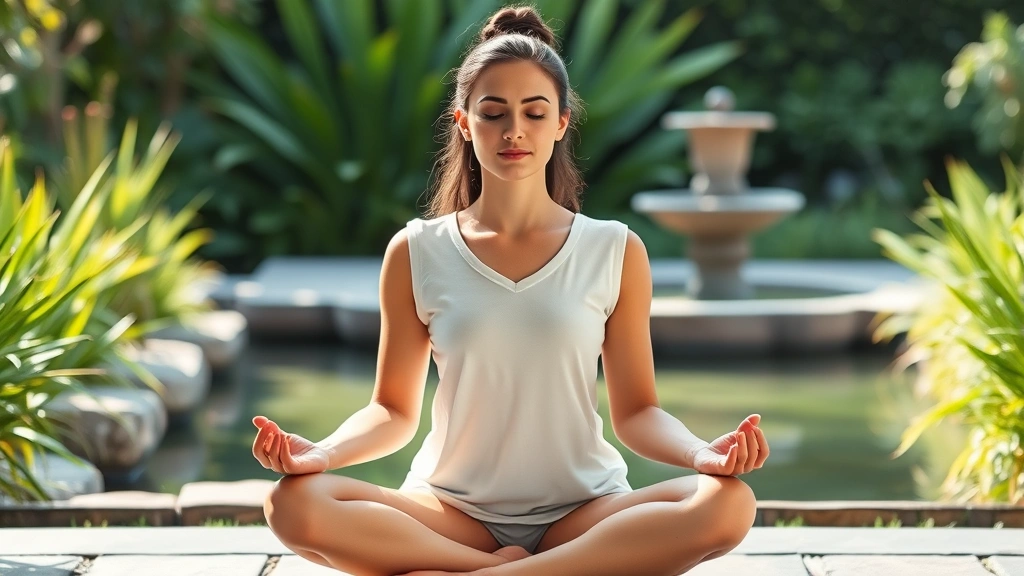
Mindfulness for Anxiety: What Experts Recommend
Anxiety disorders affect millions of people worldwide, making them among the most common mental health conditions today. While traditional treatments like medication and talk therapy remain valuable, mindfulness has emerged as a powerful evidence-based complement to conventional approaches. Mental health professionals increasingly recommend mindfulness practices as a way to reduce anxiety symptoms and build resilience against future episodes.
Mindfulness—the practice of paying attention to the present moment without judgment—has been studied extensively by neuroscientists and psychologists over the past two decades. Research consistently shows that regular mindfulness practice can rewire the brain’s response to stress, reduce the activity in anxiety-related neural circuits, and help individuals develop a healthier relationship with their anxious thoughts. Whether you’re managing generalized anxiety disorder, social anxiety, or everyday stress, understanding what experts recommend about mindfulness can help you choose the right approach for your situation.
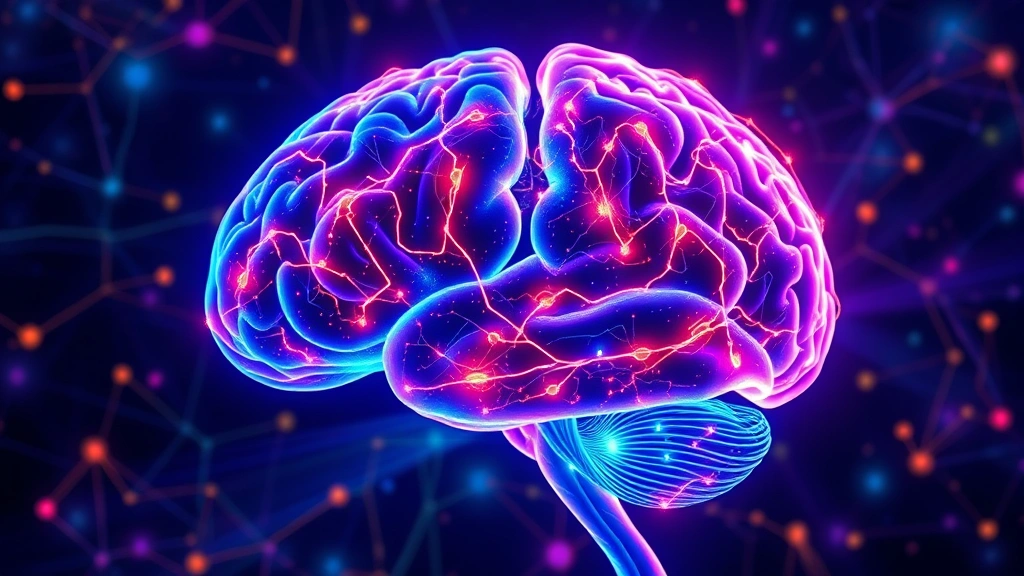
How Mindfulness Reduces Anxiety at the Brain Level
The scientific explanation for mindfulness’s effectiveness lies in how it affects brain structure and function. When anxiety takes hold, the amygdala—the brain’s threat-detection center—becomes overactive, triggering the fight-or-flight response even when no real danger exists. Research from leading neuroscience institutions demonstrates that consistent mindfulness practice strengthens the prefrontal cortex, the brain region responsible for rational thinking and emotional regulation.
Studies using functional MRI scans show that people who practice mindfulness regularly experience reduced amygdala reactivity. This means their brains become less prone to perceiving threats in ambiguous situations. Additionally, mindfulness enhances communication between the prefrontal cortex and amygdala, allowing the rational mind to better regulate emotional responses. Over time, this neuroplasticity—the brain’s ability to reorganize itself—can lead to lasting changes in how you experience anxiety.
The default mode network (DMN), a set of brain regions active during mind-wandering and self-referential thinking, also responds positively to mindfulness. Anxiety often involves rumination and worry, which keep the DMN overactive. By training attention through mindfulness, practitioners can deactivate this network, reducing the tendency to get caught in anxious thought spirals. Cognitive neuroscience research shows these changes can occur within 8 weeks of regular practice.
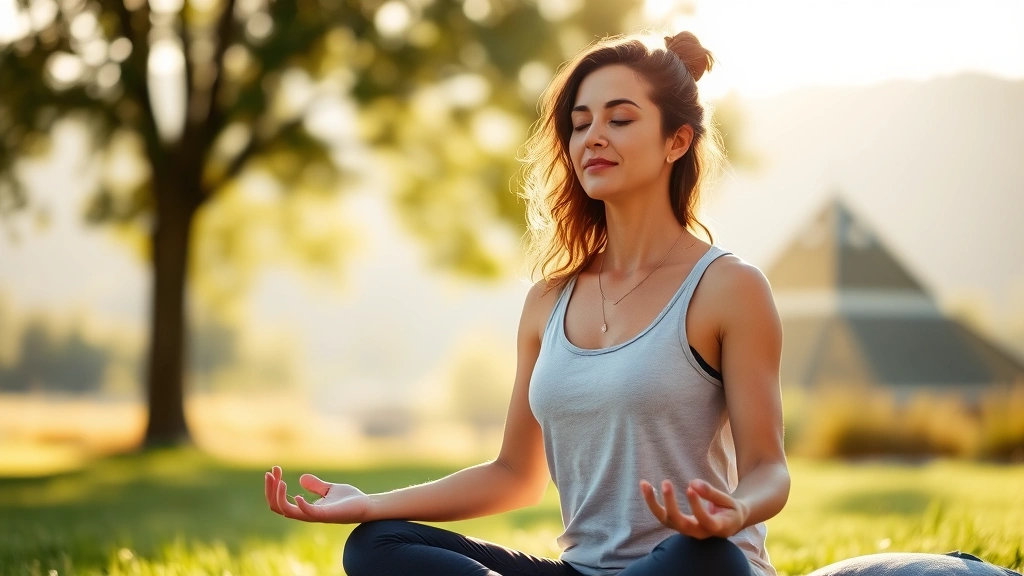
Core Mindfulness Techniques Recommended by Experts
Mindfulness-Based Stress Reduction (MBSR), developed by Jon Kabat-Zinn at the University of Massachusetts Medical School, is one of the most well-researched and widely recommended programs. MBSR combines meditation, body awareness, and yoga to help participants relate differently to stress and anxiety. The program typically spans 8 weeks and includes daily practice sessions. Many therapists recommend MBSR as a structured entry point for those new to mindfulness, and it’s often available through hospitals, clinics, and wellness centers.
Focused attention meditation is another cornerstone technique. In this practice, you direct your attention to a single object—your breath, a sound, or a physical sensation—and gently return your focus whenever your mind wanders. Experts recommend starting with just 5-10 minutes daily. This technique directly trains your ability to redirect anxious thoughts, giving you a practical tool you can use whenever anxiety arises. Many people find this approach less overwhelming than trying to clear their mind completely.
Body scan meditation involves systematically moving your attention through different parts of your body, noticing sensations without trying to change them. This technique is particularly effective for anxiety because it helps you recognize where tension accumulates and teaches you to observe physical sensations without judgment. Mental health professionals often recommend body scans for people with anxiety, as the practice naturally calms the nervous system and increases interoceptive awareness—your ability to sense what’s happening inside your body.
Loving-kindness meditation (metta) involves directing compassionate phrases toward yourself and others. Research published in Nature journals shows this practice reduces social anxiety and increases feelings of connection. For people whose anxiety involves self-criticism or perfectionism, loving-kindness meditation can be transformative. Experts suggest starting with 10 minutes daily, repeating phrases like “May I be safe, may I be healthy, may I be happy, may I live with ease.”
Mindful breathing techniques like the 4-7-8 technique (breathing in for 4 counts, holding for 7, exhaling for 8) activate the parasympathetic nervous system—your body’s natural calming mechanism. These techniques are particularly valuable during acute anxiety episodes because they provide immediate relief while you develop longer-term mindfulness skills. Therapists often teach breathing exercises as a first step before introducing more complex meditation practices.
When exploring therapy goals, many individuals find that integrating these core techniques helps them make measurable progress. The key is finding which technique resonates most with your natural tendencies and lifestyle.
Building a Sustainable Mindfulness Practice
Consistency matters more than duration when developing a mindfulness practice. Experts recommend starting small—even 5 minutes daily is more effective than sporadic 30-minute sessions. The goal is to make mindfulness a habit, integrated into your daily routine like brushing your teeth. Many people find it helpful to practice at the same time each day, perhaps first thing in the morning or during a lunch break.
Creating a dedicated practice space, even if it’s just a corner of your room, signals to your brain that it’s time to shift into mindfulness mode. Some people use meditation apps like Headspace or Calm, which provide guided sessions and track progress. Others prefer silent practice or in-person classes. The MindLift Daily Blog offers additional resources for building sustainable wellness practices that complement mindfulness work.
Tracking your practice creates accountability and helps you notice benefits over time. Many practitioners keep a simple journal noting how long they practiced and any observations about their anxiety levels that day. After 2-3 weeks, most people report noticeable improvements in their ability to notice anxious thoughts without getting caught in them.
Experts also recommend adjusting your practice as circumstances change. During high-stress periods, you might increase practice duration. During calmer times, you might maintain a baseline practice to prevent anxiety from returning. This flexibility prevents mindfulness from becoming another source of pressure or guilt—a common pitfall that actually undermines the practice’s benefits.
For those interested in professional guidance, exploring speech therapy near me or other therapeutic resources can complement your independent mindfulness practice with personalized expert support.
Mindfulness Combined with Professional Support
While mindfulness is powerful, experts emphasize that it works best as part of a comprehensive approach to anxiety management. Cognitive-behavioral therapy (CBT), which focuses on changing unhelpful thought patterns, pairs exceptionally well with mindfulness. Mindfulness-based cognitive therapy (MBCT) explicitly combines these approaches and has strong research support for preventing anxiety relapse.
Mental health professionals recommend mindfulness alongside traditional therapy because they work through complementary mechanisms. Therapy helps you identify and challenge the content of anxious thoughts, while mindfulness teaches you to change your relationship with those thoughts—observing them without judgment rather than fighting or believing them. This two-pronged approach addresses anxiety from multiple angles.
If you’re considering therapy options, understanding what resources are available is important. Some people explore physical therapy treatment for cerebral palsy or other specialized therapeutic services when anxiety accompanies physical health conditions. Others seek out counseling specifically trained in anxiety disorders. The integration of mindfulness with professional occupational therapy jobs expertise has also expanded, with therapists increasingly incorporating mindfulness into comprehensive treatment plans.
For couples dealing with anxiety that affects their relationship, mindfulness can be particularly valuable. Partners can practice together, creating shared experiences that strengthen connection while managing stress. Understanding where couples can access support—whether through traditional therapy or mindfulness-based couples programs—helps relationships weather anxiety together.
Medication can also complement mindfulness practice. While mindfulness can reduce anxiety, some people benefit from medication that makes their nervous system less reactive, allowing mindfulness practice to be more effective. Your healthcare provider can help determine whether medication, mindfulness, therapy, or a combination makes sense for your situation.
Common Mistakes People Make with Mindfulness
One frequent mistake is expecting mindfulness to eliminate anxious thoughts completely. Experts clarify that mindfulness isn’t about achieving a blank mind or never experiencing anxiety. Instead, it’s about noticing thoughts and anxiety without being controlled by them. When people expect anxiety to disappear immediately, they often become frustrated and abandon the practice prematurely.
Forcing relaxation is another common error. Mindfulness isn’t about trying to feel calm; it’s about observing whatever you’re experiencing without judgment. Paradoxically, this non-striving approach often leads to relaxation naturally. When people approach mindfulness as another performance task where they must achieve a certain state, they create tension that actually increases anxiety.
Practicing inconsistently represents a significant barrier. Like physical exercise, mindfulness requires regular repetition to build neural pathways. Practicing intensively for a week, then abandoning the practice for months, won’t produce lasting benefits. Experts recommend treating mindfulness like taking medication—a daily commitment rather than an occasional intervention.
Some people try to practice while exhausted, overstimulated, or in highly chaotic environments, then conclude mindfulness doesn’t work for them. Creating supportive conditions—practicing in a calm space, at a time when you’re reasonably alert, without major distractions—significantly improves outcomes. As you develop proficiency, you can practice mindfulness in busier settings, but beginners benefit from optimal conditions.
Finally, people sometimes practice mindfulness as a substitute for necessary professional help. While mindfulness is evidence-based and powerful, severe anxiety disorders often require therapy, medication, or both. Experts recommend viewing mindfulness as a valuable addition to, not a replacement for, professional mental health care when needed.
Exploring additional wellness practices like red light therapy near me can also support your comprehensive anxiety management strategy, as complementary approaches often work synergistically with mindfulness practice.
FAQ
How long does it take for mindfulness to reduce anxiety?
Most research shows noticeable improvements within 2-4 weeks of consistent daily practice. However, significant neurological changes typically occur after 8 weeks. Some people report immediate benefits after a single session, while others need 6-8 weeks before noticing substantial changes. Consistency matters more than duration—daily 5-minute practice outperforms occasional 30-minute sessions.
Can mindfulness completely cure anxiety?
Mindfulness is highly effective for managing anxiety symptoms and preventing relapse, but it’s not a cure in the traditional sense. Instead, it teaches your brain to respond differently to anxiety triggers. Many people achieve such significant improvements that they no longer meet diagnostic criteria for anxiety disorders. However, occasional anxiety is a normal human experience, and mindfulness helps you navigate it skillfully rather than eliminating it entirely.
Is mindfulness suitable for all types of anxiety?
Mindfulness benefits most anxiety disorders, including generalized anxiety disorder, social anxiety, panic disorder, and PTSD. However, some people with severe PTSD or certain trauma histories may need specialized trauma-informed approaches initially. A mental health professional can help determine whether standard mindfulness is appropriate or whether modifications are needed for your specific situation.
What’s the difference between mindfulness and meditation?
Meditation is a formal practice where you sit quietly and direct attention inward, often using mindfulness techniques. Mindfulness, however, is a broader approach to living—paying attention to the present moment without judgment throughout your daily activities. You can practice mindfulness while walking, eating, or talking with others. Most people benefit from both formal meditation practice and informal mindfulness integrated throughout the day.
Can I practice mindfulness if I have racing thoughts?
Absolutely. Racing thoughts are exactly what mindfulness practice addresses. The goal isn’t to stop thoughts but to notice them without getting caught in them. Many people with anxiety actually find mindfulness more helpful than people without anxious tendencies, because they have more opportunities to practice redirecting attention. Start with shorter sessions (3-5 minutes) and gradually increase duration as your ability to observe thoughts without engagement strengthens.
Should I use apps, classes, or practice on my own?
All three approaches work. Apps provide structure, guidance, and progress tracking, making them excellent for beginners. Classes offer community support and real-time feedback from teachers. Self-guided practice develops independence and deeper personalization. Many people use a combination—perhaps using an app for daily practice while attending monthly group classes for community and instruction refreshers. Choose based on your learning style and preferences.