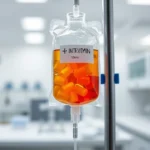
Vitamin IV Therapy: Does It Boost Mental Health?
Vitamin IV therapy has gained significant popularity in wellness circles as a potential treatment for mental health concerns, fatigue, and overall cognitive function. Unlike oral supplements that pass through the digestive system, intravenous vitamin therapy delivers nutrients directly into the bloodstream, theoretically bypassing absorption limitations. This method has attracted attention from individuals seeking alternative approaches to mental wellness, though the scientific evidence remains nuanced and sometimes contradictory.
The appeal of vitamin IV therapy near me searches reflects growing interest in personalized, direct-delivery health interventions. Mental health challenges affect millions globally, and many individuals explore complementary therapies alongside conventional treatment. This comprehensive guide examines the current research, mechanisms of action, potential benefits, risks, and evidence-based considerations for those contemplating IV vitamin therapy for mental health support.

How Vitamin IV Therapy Works
Vitamin IV therapy operates on a fundamental principle: delivering micronutrients directly into the circulatory system achieves higher bioavailability than oral administration. When you consume vitamins orally, your digestive system processes them, and absorption rates vary based on stomach acid, digestive enzymes, gut health, and food interactions. IV delivery bypasses these variables entirely.
The process involves inserting a catheter into a peripheral vein, typically in the arm, and infusing a saline solution containing various vitamins, minerals, and sometimes amino acids. The infusion typically takes 30-60 minutes, and patients can feel effects ranging from immediate energy boosts to subtle changes over days. Proponents argue this method achieves plasma concentrations impossible through oral supplementation, potentially supporting cellular function more effectively.
However, achieving higher blood concentrations doesn’t automatically translate to better health outcomes. The body maintains sophisticated regulatory mechanisms controlling nutrient absorption and utilization. Excess water-soluble vitamins are typically excreted through urine, while fat-soluble vitamins can accumulate to toxic levels. Understanding these physiological realities is crucial when evaluating IV therapy’s legitimacy for mental health applications.

Common Vitamins Used in IV Therapy
IV therapy protocols typically include several key micronutrients with proposed neurological and psychological benefits:
- B Vitamins (B1, B2, B3, B5, B6, B12): Essential for energy metabolism and neurotransmitter synthesis. B vitamins play documented roles in mood regulation and cognitive function.
- Vitamin C: A powerful antioxidant supporting immune function and potentially reducing oxidative stress implicated in depression and anxiety.
- Magnesium: Involved in over 300 enzymatic reactions, including neurotransmitter regulation. Deficiency correlates with anxiety and depression symptoms.
- Calcium: Critical for nerve signal transmission and synaptic plasticity underlying learning and memory.
- Amino Acids: Precursors to neurotransmitters like serotonin, dopamine, and GABA. Specific amino acids like L-theanine and 5-HTP target mood directly.
- Glutathione: The body’s master antioxidant, proposed to support brain health and neuroinflammation reduction.
Each component theoretically addresses different mechanisms contributing to mental health challenges. The logic seems sound—if deficiencies exist, correcting them should improve symptoms. Yet clinical evidence supporting this chain of reasoning remains surprisingly limited.
Mental Health Claims and Evidence
IV vitamin therapy providers often claim benefits for depression, anxiety, PTSD, bipolar disorder, and cognitive dysfunction. These claims rest on several premises: that mental health disorders involve micronutrient deficiencies, that IV delivery uniquely corrects these deficiencies, and that correcting deficiencies alleviates psychiatric symptoms.
The evidence supporting these claims is mixed. Some research demonstrates that specific vitamin deficiencies correlate with increased depression risk. A comprehensive review published in nutritional psychiatry literature found associations between B vitamin deficiency and depression, between magnesium deficiency and anxiety, and between vitamin D insufficiency and mood disorders.
However, correlation differs fundamentally from causation. Most individuals with depression have adequate micronutrient levels. Additionally, randomized controlled trials examining supplementation in people with normal baseline levels show minimal psychiatric benefits. A landmark study on B vitamin supplementation in depressed patients found no significant mood improvement compared to placebo in those without documented deficiencies.
The placebo effect deserves serious consideration. IV therapy’s ritualistic nature, professional setting, and high cost ($150-500 per session) activate powerful placebo mechanisms. Research consistently shows placebos produce measurable improvements in subjective symptoms like mood, anxiety, and fatigue—particularly when involving medical procedures.
The Myers’ Cocktail Explained
The Myers’ Cocktail represents the most popular IV therapy formulation, developed by Baltimore physician John Myers in the 1970s. The original formula combines magnesium chloride, calcium gluconate, B-complex vitamins, and vitamin C in saline solution. Modern variations often include additional components like glutathione, amino acids, or trace minerals.
Originally designed for fatigue and muscle pain, the Myers’ Cocktail expanded into mental health applications through practitioner enthusiasm rather than robust clinical validation. Some IV therapy clinics claim the cocktail addresses depression, anxiety, and cognitive fog, though Myers himself never published peer-reviewed research demonstrating psychiatric benefits.
A small number of studies examined Myers’ Cocktail efficacy for various conditions. Results show marginal benefits for fibromyalgia and chronic fatigue in some trials, but psychiatric outcome research remains virtually nonexistent. The formulation’s popularity stems more from tradition and anecdotal reports than from randomized controlled evidence.
When exploring alternative therapies like red light therapy near me, similar evidence gaps exist across complementary medicine. This pattern suggests the importance of evidence-based evaluation before investing time and resources.
Potential Benefits for Mental Wellness
Despite limited psychiatric research, certain populations might theoretically benefit from IV vitamin therapy:
- Documented Deficiency States: Individuals with confirmed micronutrient deficiencies (through blood testing) may experience mood improvements when deficiencies are corrected. This represents legitimate medical treatment rather than wellness optimization.
- Malabsorption Disorders: Conditions like celiac disease, Crohn’s disease, or short bowel syndrome compromise nutrient absorption. IV therapy provides an alternative delivery route when oral supplementation fails.
- Chronic Alcoholism: Alcohol damages the digestive tract and impairs nutrient metabolism. Thiamine (B1) deficiency specifically causes neuropsychiatric complications including Wernicke-Korsakoff syndrome. IV thiamine replacement is medically indicated.
- Certain Medication Interactions: Some psychiatric medications deplete specific vitamins. Metformin reduces B12 absorption; phenytoin affects folate metabolism. IV supplementation might address medication-induced deficiencies.
- Adjunctive Support: While not a primary treatment, IV therapy might support overall wellness during conventional mental health treatment, similar to how exploring comprehensive therapy resources provides multiple intervention layers.
These scenarios represent appropriate IV therapy applications. The critical distinction separates legitimate medical treatment from unproven wellness enhancement.
Safety Concerns and Risks
IV vitamin therapy carries real medical risks despite its wellness positioning:
- Infection and Thrombophlebitis: Any IV insertion risks bacterial contamination, leading to infection, blood clots, or vein inflammation. Repeated sessions increase infection probability.
- Electrolyte Imbalances: Aggressive mineral supplementation can disrupt sodium, potassium, and calcium balance, causing cardiac arrhythmias or neurological complications.
- Vitamin Toxicity: While water-soluble vitamins rarely accumulate, high-dose vitamin C can cause kidney stones and hemolysis in susceptible individuals. Fat-soluble vitamins accumulate dangerously with repeated infusions.
- Allergic Reactions: Infused substances can trigger anaphylaxis, particularly in individuals with unidentified sensitivities.
- Hypercalcemia: Excessive calcium infusion raises blood calcium to dangerous levels, causing confusion, cardiac problems, and kidney damage.
- Vitamin B6 Neuropathy: Chronic high-dose B6 supplementation causes peripheral neuropathy, paradoxically worsening neurological symptoms.
- Regulatory Gaps: Unlike pharmaceutical medications, IV vitamin preparations face minimal FDA oversight. Quality control, sterility, and ingredient accuracy vary widely between providers.
These risks exist even when IV therapy is administered by licensed medical professionals. Many IV therapy clinics operate under wellness frameworks with minimal medical supervision, increasing risk substantially.
Finding Quality IV Therapy Providers
If pursuing IV vitamin therapy despite mixed evidence, provider selection becomes critical. Seek practitioners meeting these criteria:
- Licensed Medical Professionals: IV administration should only occur under physician, nurse practitioner, or physician assistant supervision. Verify credentials independently through state licensing boards.
- Comprehensive Assessment: Quality providers conduct thorough health histories, medication reviews, and baseline blood work before treatment. They identify contraindications and drug interactions.
- Transparent Protocols: Reputable practitioners explain exact formulations, evidence supporting their approach, and realistic expectations. They discourage frequent unnecessary sessions.
- Infection Control: Observe sterilization procedures, single-use needle practices, and clean facility environments. Ask about infection rates and adverse event protocols.
- Realistic Marketing: Providers making miraculous cure claims or guaranteeing psychiatric symptom resolution lack credibility. Medicine acknowledges uncertainty.
- Insurance Considerations: Most insurance plans don’t cover elective IV vitamin therapy, reflecting evidence gaps. If a provider emphasizes insurance billing, verify their medical credibility carefully.
When searching for “vitamin IV therapy near me,” research thoroughly before committing. Check online reviews, verify practitioner credentials, and consult your primary care physician about safety and appropriateness for your specific situation.
Comparing IV Therapy to Other Treatments
Understanding how IV vitamin therapy compares to established mental health interventions provides important perspective:
Versus Conventional Psychiatric Medication: Antidepressants and anxiolytics undergo rigorous clinical trials demonstrating efficacy. While imperfect, they produce measurable symptom reduction in controlled research. IV vitamin therapy lacks comparable evidence. For moderate to severe mental health conditions, evidence-based medications typically outperform unproven alternatives.
Versus Psychotherapy: Cognitive-behavioral therapy, dialectical behavior therapy, and other evidence-based psychotherapies demonstrate robust effectiveness for depression, anxiety, and trauma. Exploring comprehensive therapeutic approaches often provides better outcomes than single interventions. Psychotherapy addresses root causes rather than simply supplementing nutrients.
Versus Nutritional Approaches: Eating a nutrient-dense diet rich in whole foods, vegetables, and omega-3 fatty acids supports mental health through multiple mechanisms. This approach costs less than IV therapy, poses minimal risk, and aligns with extensive evidence. If nutritional gaps exist, oral supplementation of deficient nutrients typically suffices for individuals with normal digestion.
Versus Exercise and Lifestyle: Regular physical activity, sleep optimization, stress management, and social connection produce powerful mental health benefits with extensive research support. These interventions cost nothing or minimal amounts while offering numerous co-benefits.
Complementary Integration: IV therapy might reasonably complement comprehensive treatment including therapy, medication, nutrition, and lifestyle optimization. However, positioning it as a primary treatment or replacement for evidence-based interventions represents a concerning approach to mental health care.
Similar considerations apply to physical therapy approaches for neurological conditions—comprehensive, evidence-based protocols typically outperform single interventions or unproven alternatives.
The mental health field increasingly recognizes that optimal treatment often involves multiple complementary approaches. However, these approaches should be selected based on evidence, not marketing claims or anecdotal enthusiasm. When evaluating any new treatment, ask: What does the research actually show? Who benefits from this treatment’s popularity? What are realistic expectations?
Frequently Asked Questions
Is IV vitamin therapy FDA-approved for mental health treatment?
No. The FDA hasn’t approved any IV vitamin formulation as a psychiatric treatment. While individual vitamins are regulated, the formulations used in IV therapy clinics often fall into regulatory gray areas. This distinction matters significantly—lack of FDA approval indicates insufficient evidence demonstrating safety and efficacy for claimed uses.
How much does IV vitamin therapy cost?
Sessions typically range from $150-$500 depending on formulation and location. Many providers recommend weekly or bi-weekly treatments, creating substantial cumulative costs. Insurance rarely covers these treatments. Compare this to evidence-based alternatives: psychotherapy sessions cost $100-$300 but demonstrate proven benefits, while generic antidepressants cost $10-$30 monthly with decades of research support.
Can IV therapy replace psychiatric medications?
No. Discontinuing psychiatric medications without medical supervision risks serious relapse and safety concerns. If you’re considering reducing medications, discuss this with your prescribing psychiatrist. They can help develop safe tapering schedules while monitoring for withdrawal symptoms or psychiatric destabilization. IV vitamin therapy shouldn’t influence medication decisions.
What does research say about IV therapy for depression?
Published research on IV vitamin therapy for depression is extremely limited. The few studies examining this question show minimal benefit beyond placebo. Most depression research focuses on established treatments—antidepressants, psychotherapy, exercise, and sleep optimization—which demonstrate clear efficacy. If you’re interested in nutritional approaches, discuss them with your mental health provider rather than pursuing unproven IV protocols.
Are there any proven benefits of IV vitamin therapy?
IV therapy has established medical uses in specific contexts: treating documented vitamin deficiencies, managing malabsorption disorders, supporting alcohol withdrawal, and providing rapid rehydration. For general wellness or psychiatric symptom management in people without documented deficiencies, proven benefits remain elusive. This doesn’t mean IV therapy is harmful, but rather that evidence supporting its use in these contexts is insufficient.
How do I know if I have vitamin deficiencies?
Blood testing is the only reliable method. If you suspect deficiencies, request comprehensive micronutrient testing from your primary care physician. This approach identifies actual deficiencies requiring treatment rather than assuming you need supplementation. For most people eating reasonably diverse diets, deficiencies are uncommon. Testing prevents unnecessary treatment and unnecessary expense.
Is IV therapy safer than medications?
This comparison oversimplifies risk. Psychiatric medications undergo extensive safety testing and FDA review before approval. Adverse events are documented and reported. IV vitamin therapy’s safety profile is less well-understood because it receives minimal research attention. Both carry risks—medications have known side effects and withdrawal syndromes, while IV therapy risks infection, electrolyte imbalances, and vitamin toxicity. Neither is inherently “safer” without context.
Can I combine IV therapy with my psychiatric treatment?
Potentially, but inform your psychiatrist first. Certain vitamin combinations interact with psychiatric medications. High-dose B vitamins can affect medication metabolism; excessive magnesium might potentiate sedating effects; vitamin C supplementation can interact with certain drugs. Your psychiatrist can assess whether IV therapy poses risks given your specific medication regimen.
What questions should I ask IV therapy providers?
Ask about their medical credentials, what research supports their claims, what their exact formulation contains, what they’ve observed in patients with your specific condition, what side effects are possible, how they screen for contraindications, and whether they recommend baseline and follow-up blood testing. Quality providers welcome these questions and provide detailed, honest answers.