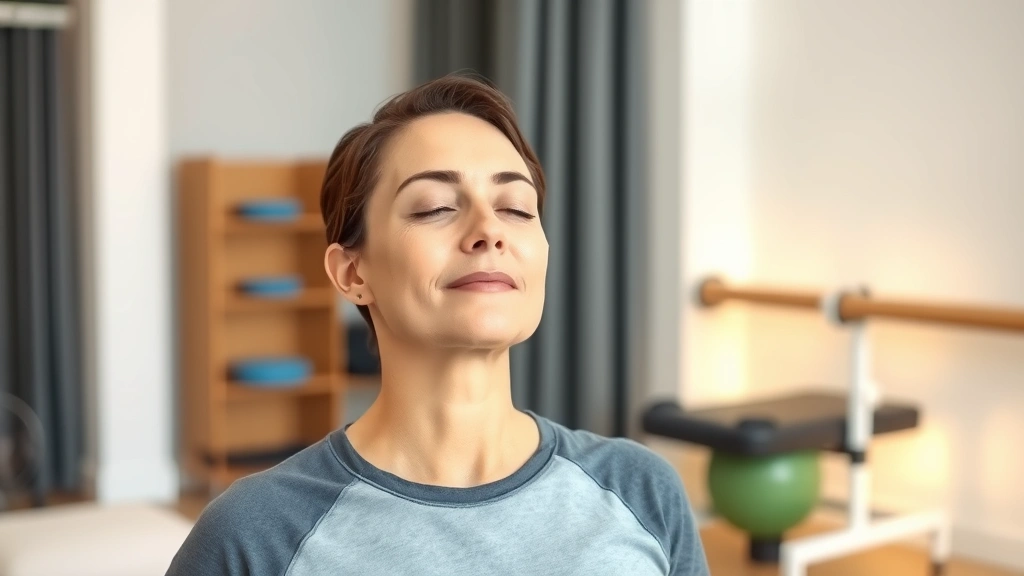
How Can Mindfulness Aid Physical Therapy? Insights from Vista Physical Therapy and Beyond
Mindfulness—the practice of maintaining present-moment awareness without judgment—has emerged as a powerful complementary approach to physical therapy. When integrated thoughtfully into rehabilitation programs, mindfulness can enhance pain management, accelerate recovery, and improve overall therapeutic outcomes. At facilities like Vista Physical Therapy, practitioners increasingly recognize that the mind-body connection is not merely philosophical but neurobiologically grounded, supported by decades of peer-reviewed research demonstrating measurable improvements in patient outcomes.
The intersection of mindfulness and physical rehabilitation represents a paradigm shift in how we approach healing. Rather than treating the body as a mechanical system separate from mental processes, modern evidence-based therapy acknowledges that psychological factors profoundly influence physical recovery. This comprehensive guide explores the scientific foundations, practical applications, and transformative potential of mindfulness in physical therapy settings.

The Neuroscience Behind Mindfulness and Physical Recovery
Mindfulness activates specific neural pathways that facilitate healing and neuroplasticity. When patients practice mindful attention during physical therapy, they engage the prefrontal cortex—the brain region responsible for conscious awareness and emotional regulation—while simultaneously modulating activity in the amygdala, which processes fear and pain signals. This neural rebalancing creates optimal conditions for recovery.
Research from Frontiers in Psychology demonstrates that mindfulness practitioners show increased gray matter density in regions associated with learning, memory, and emotional processing. For physical therapy patients, this translates to improved ability to learn new movement patterns, retain therapeutic gains, and process painful sensations without catastrophizing. The brain’s remarkable capacity for neuroplasticity—its ability to rewire itself—becomes more accessible when patients approach rehabilitation with mindful intention.
Additionally, mindfulness reduces inflammation markers in the body. Studies measuring cytokine levels in regular meditators show decreased inflammatory responses, which directly supports tissue healing and reduces chronic pain. For patients recovering from injuries or managing conditions like those treated through physical therapy treatment for cerebral palsy, this anti-inflammatory effect provides measurable physiological benefits beyond psychological improvement.

Pain Management Through Mindful Awareness
Chronic and acute pain represent primary barriers to effective physical therapy participation. Traditional pain management often relies heavily on pharmaceutical interventions, but mindfulness offers a complementary approach that changes how the brain processes pain signals. Rather than attempting to eliminate pain entirely—an often unrealistic goal—mindfulness teaches patients to alter their relationship with pain, reducing suffering and improving functional capacity.
The concept of “pain versus suffering” distinguishes between the sensory experience of pain and the emotional reaction to it. Mindfulness cultivates this distinction by training attention to observe pain sensations without judgment or resistance. When patients practice this technique during therapy sessions, they often discover that pain intensity decreases naturally as anxiety and tension diminish. Research published in JAMA Internal Medicine found mindfulness-based stress reduction equally effective as standard pain medication for certain conditions, with lasting benefits that extend beyond the intervention period.
For patients at Vista Physical Therapy or similar facilities, integrating mindfulness-based pain management allows therapists to gradually increase exercise intensity while maintaining patient comfort and compliance. Breathing techniques, body scans, and present-moment awareness create a psychological buffer that enables deeper engagement with therapeutic exercises without fear-avoidance behaviors that typically limit progress.
Reducing Anxiety and Stress in Rehabilitation
Fear and anxiety about re-injury or inadequate recovery frequently undermine physical therapy effectiveness. Patients may unconsciously guard injured areas, limiting movement and perpetuating weakness. This fear-avoidance cycle creates a self-reinforcing pattern where anxiety reduces participation, leading to deconditioning, which increases vulnerability and anxiety further.
Mindfulness interrupts this cycle by reducing the threat perception associated with movement. Through regular practice, patients develop confidence in their body’s capacity to handle physical stress. The parasympathetic nervous system—responsible for “rest and digest” responses—becomes more activated, counteracting the sympathetic “fight or flight” dominance that characterizes anxiety states. This physiological shift enables patients to approach rehabilitation with greater ease and openness.
Stress reduction through mindfulness also improves sleep quality, which is essential for tissue repair and recovery. Poor sleep impairs immune function, increases inflammation, and prolongs recovery timelines. By helping patients achieve deeper, more restorative sleep through regular meditation practice, mindfulness indirectly accelerates physical healing. Patients often report improved sleep quality within weeks of beginning a consistent mindfulness practice, creating a positive feedback loop supporting overall rehabilitation goals.
Enhancing Motor Learning and Movement Quality
Motor learning—the process of acquiring and refining movement skills—depends on attention and neural efficiency. Mindfulness enhances both factors by training the brain to maintain focused attention while reducing mental clutter and distraction. When patients practice exercises with full present-moment awareness rather than autopilot engagement, neural encoding of movement patterns strengthens significantly.
The concept of “embodied awareness” describes the integration of physical sensation, proprioception, and conscious attention during movement. Research in motor neuroscience demonstrates that this integrated awareness accelerates motor learning and improves movement quality. Patients who combine mindfulness with physical exercises develop better body mechanics, more efficient movement patterns, and greater proprioceptive sensitivity—the ability to sense body position and movement in space.
This principle applies across various rehabilitation contexts. Whether recovering from orthopedic surgery, managing neurological conditions, or improving athletic performance, mindful movement practice optimizes learning efficiency. Therapists increasingly emphasize quality over quantity, encouraging patients to perform fewer repetitions with complete attention rather than numerous repetitions performed mechanically. This mindful approach yields superior long-term outcomes and reduces injury risk during rehabilitation.
Mindfulness Techniques for Physical Therapy Sessions
Practical mindfulness techniques can be seamlessly integrated into therapy sessions. Body scan meditation, where attention systematically moves through different body regions, helps patients develop awareness of tension patterns and movement limitations. This technique proves particularly valuable at the beginning of sessions, preparing the nervous system for therapeutic work and establishing baseline awareness for progress monitoring.
Breathing exercises, specifically diaphragmatic breathing, activate the parasympathetic nervous system while improving oxygenation for tissue healing. Therapists often teach patients to synchronize breathing with movement, creating a meditative quality that enhances focus and reduces pain perception. Simple techniques like box breathing—inhaling for four counts, holding for four, exhaling for four, and pausing for four—can be practiced during therapeutic exercises to maintain calm awareness.
Mindful movement itself becomes meditation when patients approach exercise with full attention to sensation, breath, and alignment. Walking meditation, adapted for various mobility levels, can serve as both therapeutic exercise and mindfulness practice. Progressive muscle relaxation, where muscles are systematically tensed and released, combines physical benefit with awareness cultivation. These techniques require minimal additional time while dramatically enhancing session effectiveness.
Visualization and imagery techniques leverage the brain’s capacity to activate neural networks associated with movement without physical execution. Studies show that vivid mental rehearsal of correct movement patterns activates similar neural pathways as actual movement, accelerating motor learning when combined with physical practice. This proves especially valuable when physical limitations temporarily restrict exercise, maintaining neuromotor engagement during recovery phases.
Integration with Treatment Protocols
Effective integration of mindfulness into physical therapy requires systematic implementation rather than ad-hoc application. Progressive rehabilitation protocols increasingly include mindfulness components from initial evaluation through discharge. Baseline assessments might include measures of pain catastrophizing, kinesiophobia (fear of movement), and anxiety levels—psychological factors that mindfulness directly addresses.
Treatment planning can explicitly incorporate mindfulness objectives alongside traditional physical goals. Rather than viewing mindfulness as supplementary, evidence-based approaches position it as a core component of comprehensive care. This might involve 5-10 minutes of guided practice at session beginning, mindful movement during therapeutic exercises, and home program instruction incorporating mindfulness elements.
For specialized conditions like those addressed through red light therapy near me or other advanced modalities, mindfulness complements technological interventions by optimizing the psychological state during treatment. Similarly, patients exploring speech therapy near me may benefit from mindfulness practices that reduce anxiety about communication performance, facilitating better therapeutic engagement and outcomes.
Documentation should track mindfulness-related outcomes alongside traditional metrics. Measures like the Five Facet Mindfulness Questionnaire, Pain Catastrophizing Scale, and Tampa Scale of Kinesiophobia provide objective data demonstrating mindfulness efficacy. This evidence base supports continued integration and helps justify time investment in mindfulness components within busy therapy schedules.
Real-World Applications and Success Stories
Clinical evidence from facilities incorporating mindfulness demonstrates consistent outcome improvements. Patients recovering from anterior cruciate ligament (ACL) reconstruction who received mindfulness training alongside standard physical therapy showed significantly better functional outcomes, greater quadriceps strength, and improved confidence in knee stability compared to control groups receiving standard therapy alone.
Chronic pain populations represent another area where mindfulness integration yields remarkable results. Patients with persistent low back pain who learned mindfulness-based pain management techniques in physical therapy settings reported greater pain reduction, improved activity tolerance, and superior long-term outcomes compared to those receiving conventional therapy exclusively. Many continue mindfulness practice independently after therapy discharge, maintaining gains and preventing recurrence.
Post-stroke rehabilitation exemplifies mindfulness benefits for neurological recovery. Patients practicing mindful movement during physical therapy demonstrate improved motor control, faster functional recovery, and better psychological adjustment to disability. The combination of neuroplasticity-optimizing physical exercise with mindfulness-induced neural pathway strengthening accelerates recovery trajectories that might otherwise require years to achieve.
Athletes seeking performance enhancement increasingly incorporate mindfulness into physical training. By combining strength and conditioning with mindfulness practice, athletes develop superior movement efficiency, reduced injury risk, and improved recovery from training stress. This application demonstrates that mindfulness benefits extend beyond rehabilitation into performance optimization, broadening its relevance across clinical and athletic populations.
For those researching comprehensive therapy options, exploring resources like how much is therapy can provide context for integrating mindfulness-enhanced physical therapy into treatment planning. Understanding cost-benefit analysis becomes important when considering facilities that offer integrated approaches versus standard-only services.
FAQ
How long before mindfulness practice improves physical therapy outcomes?
Most patients notice benefits within 2-4 weeks of consistent practice, though measurable physiological changes begin occurring within days. Regular daily practice—even 10-15 minutes—yields faster results than sporadic engagement. Some improvements appear immediately during individual sessions as nervous system activation shifts toward parasympathetic dominance.
Can mindfulness replace traditional physical therapy exercises?
No. Mindfulness is a complementary approach that enhances physical therapy effectiveness but cannot replace the mechanical benefits of targeted exercise, manual therapy, and progressive loading. The combination of mindfulness with comprehensive physical therapy yields superior outcomes compared to either approach alone.
What if I have difficulty meditating or maintaining focus?
Difficulty focusing is entirely normal and does not indicate failure. Mindfulness involves noticing when attention wanders and gently redirecting focus—that redirection process is the actual practice. Working with a therapist experienced in mindfulness instruction helps develop personalized techniques suited to individual learning styles and preferences.
Are there conditions where mindfulness is contraindicated in physical therapy?
Mindfulness is generally safe for most populations. However, individuals with certain psychiatric conditions like active psychosis may require adapted approaches. Therapists should discuss mindfulness practices during initial evaluation, ensuring appropriateness for individual circumstances and adjusting techniques as needed.
How does mindfulness in physical therapy differ from standalone meditation practice?
Mindfulness integrated into physical therapy specifically targets movement-related anxiety, pain perception, and motor learning within therapeutic contexts. While both involve present-moment awareness, therapy-based mindfulness emphasizes embodied awareness during functional movement, whereas standalone meditation may emphasize breath or body scanning without explicit movement components.
Can I practice mindfulness techniques at home between physical therapy sessions?
Absolutely. Home practice significantly enhances therapeutic benefits. Therapists typically provide specific techniques and guided recordings for independent practice. Consistent home practice—ideally daily—extends mindfulness benefits between sessions, accelerates recovery, and helps maintain psychological gains supporting long-term health.