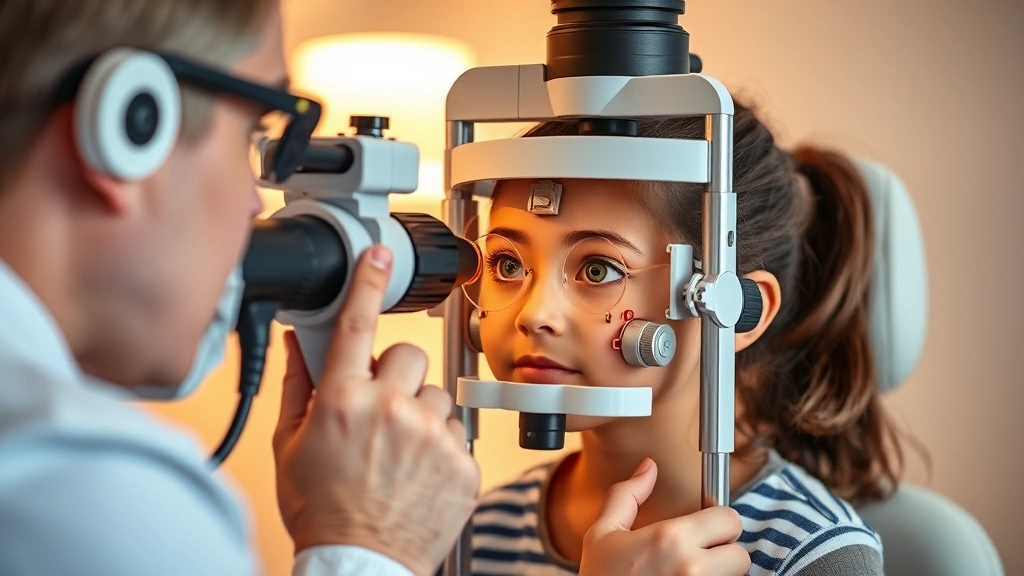
Can Vision Therapy Aid Amblyopia? Expert Insights and Evidence-Based Solutions
Amblyopia, commonly known as lazy eye, affects millions of people worldwide and represents one of the most prevalent causes of vision impairment in children. This condition develops when one eye fails to achieve normal visual acuity during the critical developmental years, leading to the brain favoring the stronger eye and essentially shutting down signals from the weaker one. The question of whether vision therapy can effectively treat amblyopia has sparked considerable debate among ophthalmologists, optometrists, and vision specialists for decades. Recent advances in neuroscience and therapeutic techniques have provided compelling evidence that vision therapy, when properly administered, can indeed produce significant improvements in visual function and neuroplasticity.
Understanding the mechanisms behind amblyopia and the scientific basis for vision therapy is essential for patients, parents, and healthcare providers seeking optimal treatment outcomes. Unlike refractive errors that can be corrected with glasses or contact lenses, amblyopia requires active intervention to retrain the brain’s visual pathways. This comprehensive guide explores the latest expert insights, clinical evidence, and practical applications of vision therapy for amblyopia treatment.
Understanding Amblyopia: Causes and Development
Amblyopia develops during the critical period of visual development, typically between birth and age seven, when the visual system is establishing neural connections between the eyes and the brain. During this window, if one eye receives clearer visual input than the other, the brain gradually suppresses signals from the weaker eye. This suppression mechanism, while protective in some contexts, ultimately leads to permanently reduced vision in the affected eye if left untreated.
Several factors can trigger amblyopia development. Strabismus, a condition where the eyes are misaligned, is one of the most common causes. When eyes point in different directions, the brain receives conflicting visual information and responds by ignoring input from one eye. Refractive amblyopia occurs when one eye has significantly different focusing power than the other, such as when one eye is much more nearsighted or farsighted. Deprivation amblyopia results from physical obstruction of light entering one eye, such as from cataracts, drooping eyelids, or corneal scarring. Understanding these underlying causes is crucial because the treatment approach may vary depending on the etiology.
The neuroplasticity research conducted at institutions like Stanford and MIT has demonstrated that the visual cortex maintains some capacity for reorganization even after the critical developmental period. This discovery fundamentally changed the understanding of amblyopia treatment possibilities, suggesting that therapeutic interventions can potentially rewire neural pathways at any age.

What Is Vision Therapy and How Does It Work?
Vision therapy, also called orthoptic therapy or visual training, is a personalized program of supervised eye exercises and activities designed to improve visual function and strengthen the neural connections between the eyes and brain. Unlike simple eye exercises that people might perform at home, clinical vision therapy involves specialized equipment, carefully calibrated difficulty levels, and professional guidance from trained vision therapists or optometrists with additional certification in vision therapy.
The fundamental principle underlying vision therapy is neuroplasticity—the brain’s remarkable ability to reorganize and form new neural connections throughout life. By systematically presenting visual challenges that require the weaker eye to work harder and engage the visual cortex more actively, vision therapy stimulates the brain to strengthen connections associated with that eye. This process essentially forces the brain to stop suppressing the amblyopic eye and instead integrate visual information from both eyes.
The therapy works through several mechanisms. Penalization techniques, such as patching the stronger eye or using pharmaceutical agents to blur its vision temporarily, reduce the visual advantage of the stronger eye and force the brain to rely on the weaker eye. Dichoptic training presents different images to each eye simultaneously, requiring both eyes to work together and preventing suppression. Perceptual learning tasks gradually increase in complexity, challenging the visual system to process increasingly sophisticated visual information. Binocular fusion activities train the eyes to work together smoothly, improving depth perception and stereopsis.
Scientific Evidence Supporting Vision Therapy
The scientific evidence for vision therapy’s effectiveness has grown substantially over the past two decades. Landmark studies, including the Amblyopia Treatment Studies (ATS) conducted by the National Eye Institute, have provided robust data supporting vision therapy’s efficacy. The ATS research demonstrated that vision therapy combined with patching produced superior outcomes compared to patching alone in many cases, particularly for children with moderate amblyopia.
A systematic review published in the journal Ophthalmology analyzed multiple randomized controlled trials and concluded that vision therapy is an evidence-based treatment for amblyopia. The research indicated that approximately 60-70% of patients undergoing comprehensive vision therapy experience meaningful improvements in visual acuity. These improvements often translate to functional benefits, such as better reading ability, improved sports performance, and enhanced quality of life.
Neuroimaging studies using functional MRI have provided fascinating insights into how vision therapy actually changes brain structure and function. Researchers at Stanford University found that successful vision therapy correlates with increased activation in visual cortex regions associated with the previously suppressed eye. This neural evidence confirms that vision therapy produces genuine biological changes, not merely behavioral compensation.
The research also reveals that vision therapy effectiveness depends on several factors, including patient age, severity of amblyopia, duration of therapy, and consistency of treatment adherence. Studies show that younger children typically respond more quickly to therapy, but adults can still achieve meaningful improvements with extended, intensive programs.
Types of Vision Therapy Techniques
Modern vision therapy encompasses diverse techniques and approaches, each targeting different aspects of visual function and neural processing. Understanding these various methods helps patients and providers select the most appropriate intervention strategy.
Patching and Penalization: Traditional patching remains a foundational component of amblyopia treatment. The stronger eye is covered with a patch, forcing the brain to rely on the weaker eye. Penalization techniques achieve similar results using pharmaceutical drops or specialized contact lenses that blur vision in the stronger eye. Research from the National Eye Institute suggests that part-time patching (2-6 hours daily) can be as effective as full-time patching while reducing the psychological burden on patients.
Dichoptic Training: This cutting-edge approach uses specialized software and equipment to present different images to each eye simultaneously. The brain cannot suppress one eye because both receive distinct, meaningful visual information. Studies indicate dichoptic training may produce faster results than traditional patching in some cases, though it requires access to specialized equipment.
Perceptual Learning: These activities involve practicing visual discrimination tasks of increasing difficulty. Patients might distinguish subtle differences in patterns, orientations, or spatial positions. The graduated difficulty ensures the visual system is constantly challenged but not overwhelmed, optimizing neural adaptation.
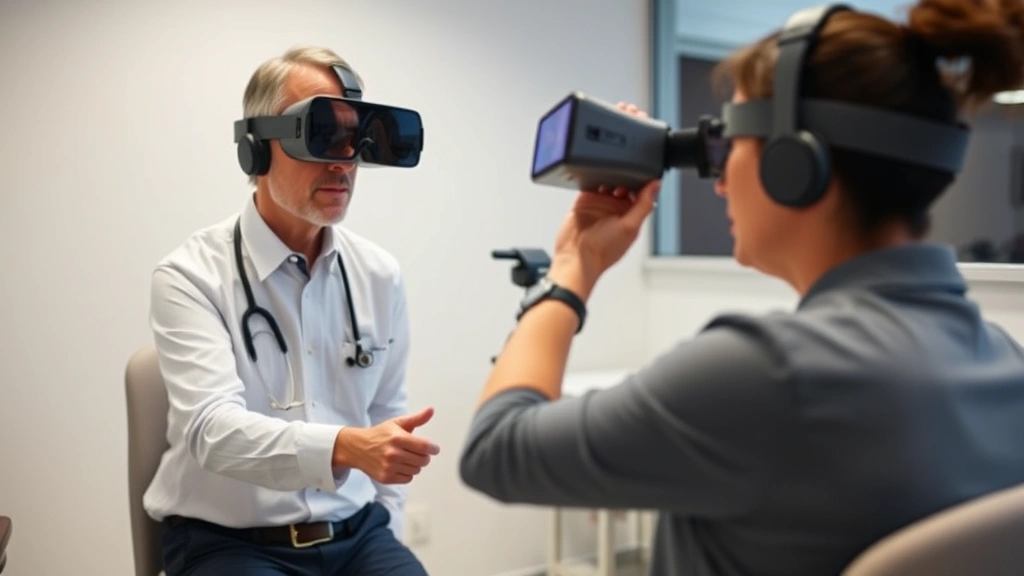
Binocular Integration Activities: These exercises train the eyes to work together smoothly. Stereoscopic activities, which create three-dimensional perception, are particularly valuable because they require both eyes to function cooperatively. Video games and virtual reality applications have revolutionized this aspect of therapy, making binocular training more engaging and accessible.
Accommodative and Vergence Training: These exercises strengthen the eye muscles and improve the coordination between focusing (accommodation) and eye alignment (vergence). Stronger eye muscles and better coordination support overall visual function and can enhance the benefits of other therapy components.
Effectiveness Rates and Success Metrics
Quantifying vision therapy effectiveness requires understanding how success is measured. Clinicians track several key metrics to assess treatment outcomes. Visual acuity improvement is the most obvious measure—the ability to read smaller letters on an eye chart. However, functional improvements in stereopsis (three-dimensional vision), contrast sensitivity, and visual processing speed also indicate successful therapy.
Clinical data shows that approximately 50-80% of patients experience measurable improvements in visual acuity with vision therapy, with success rates varying based on multiple factors. Children under age eight typically show faster and more dramatic improvements than older patients, reflecting the greater neuroplasticity of younger brains. Patients with strabismic amblyopia often respond better to vision therapy than those with refractive or deprivation amblyopia, though all types can benefit from appropriate intervention.
The duration of improvement also matters. Research indicates that gains achieved through vision therapy tend to be stable long-term, unlike some other treatments where vision may regress after therapy cessation. This permanence reflects genuine neural reorganization rather than temporary behavioral adaptation. Most studies suggest that maintaining results requires periodic reinforcement therapy, particularly in younger patients whose visual systems continue developing.
Success metrics extend beyond visual acuity numbers. Patients often report improved confidence in social situations, better academic performance, enhanced athletic ability, and superior overall quality of life. These functional improvements frequently matter more to patients than small changes in visual acuity measurements.
Vision Therapy vs. Traditional Treatment Approaches
Vision therapy represents one component of a comprehensive amblyopia treatment strategy that may also include optical correction, patching, and in some cases, surgery. Understanding how vision therapy compares to and complements other approaches helps guide treatment decisions.
Glasses and Contact Lenses: Correcting any refractive error in both eyes is typically the first step in amblyopia treatment. If one eye is significantly more nearsighted or farsighted, proper optical correction equalizes visual input to both eyes and may be sufficient to resolve mild amblyopia, particularly in very young children. However, when refractive correction alone doesn’t resolve amblyopia, vision therapy becomes necessary.
Traditional patching, discussed in the context of comprehensive therapeutic approaches, remains effective but has limitations. Patching forces the weaker eye to work but doesn’t actively retrain binocular vision. Vision therapy goes beyond simple patching by training the eyes and brain to work together effectively, potentially producing more complete functional recovery.
Surgical Correction: When strabismus (eye misalignment) causes amblyopia, eye muscle surgery may be necessary to align the eyes properly. Surgery addresses the underlying cause but doesn’t directly treat the visual suppression that has already developed. Vision therapy post-surgery helps the brain learn to use both eyes together, often enhancing surgical outcomes significantly.
Modern treatment protocols typically combine multiple approaches. A patient might receive optical correction for refractive errors, undergo patching for part-time penalization, and simultaneously participate in vision therapy to actively retrain visual processing. This multimodal approach generally produces superior outcomes compared to any single intervention alone.
Age Considerations in Vision Therapy Treatment
Age significantly influences both the potential for vision therapy success and the treatment approach. Understanding age-related considerations helps set realistic expectations and optimize outcomes.
Pediatric Patients: Children under age seven show the most dramatic responses to vision therapy, reflecting the heightened neuroplasticity of the developing visual system. Young children often require shorter therapy durations to achieve meaningful improvements. However, engaging young children in therapy activities presents challenges that require creative, game-based approaches. Modern vision therapy incorporates interactive video games, virtual reality, and engaging visual activities that maintain children’s interest and motivation.
School-Age Children: Children aged 7-12 still demonstrate good neuroplasticity and respond well to vision therapy, though improvements typically occur more gradually than in younger children. School-age children can participate in more sophisticated therapy activities and understand the importance of treatment adherence. Coordination with schools and teachers helps ensure consistent patching schedules and supports therapy goals.
Adolescents and Adults: Contrary to older beliefs that amblyopia cannot be treated after age seven or eight, research now demonstrates that adolescents and adults can achieve meaningful vision improvements through vision therapy. However, therapy typically requires longer duration and more intensive effort. Older patients benefit from understanding the neuroplasticity research that supports the possibility of improvement, as motivation and treatment adherence are crucial for success. Adults seeking vision therapy often have specific functional goals, such as improving depth perception for professional requirements or enhancing sports performance.
Considerations for Older Adults: While age-related changes in the visual system present additional challenges, older adults can still benefit from vision therapy when amblyopia was never previously treated or when vision has declined due to other factors. Vision therapy combined with treatment of age-related conditions often produces better outcomes than addressing any single condition alone.
Integration with Other Therapies
Vision therapy achieves optimal results when integrated with other therapeutic and medical interventions. Professionals providing occupational therapy and related services often coordinate with vision specialists to ensure comprehensive care.
For patients with therapy involving various modalities, vision therapy can complement other treatments. Children with developmental delays or neurological conditions may benefit from vision therapy coordinated with speech therapy, physical therapy, and occupational therapy. The vision system’s fundamental role in learning and development means that improving visual function often enhances outcomes in other therapeutic domains.
Psychological support also plays an important role. Patients undergoing extended vision therapy benefit from counseling or coaching to maintain motivation and address any frustration with gradual progress. Parents of children in therapy need education about realistic timelines and strategies for maintaining treatment adherence. Some practices incorporate complementary approaches like light-based therapies alongside vision therapy, though the primary evidence base supports vision therapy itself.
Coordination between the optometrist or ophthalmologist prescribing vision therapy, the vision therapist administering treatment, and other healthcare providers ensures that all interventions work synergistically. Regular communication about progress, challenges, and adjustments to the therapy plan optimizes outcomes and helps patients achieve their visual goals.
Recent research from institutions advancing vision science continues to refine our understanding of how different therapeutic approaches can be combined for maximum effectiveness. The emerging picture suggests that personalized, multimodal treatment protocols tailored to individual patient characteristics produce the best long-term outcomes.
Frequently Asked Questions
What is the success rate of vision therapy for amblyopia?
Success rates range from 50-80% depending on patient age, amblyopia severity, and treatment adherence. Children under eight typically show faster improvements than older patients. Success is measured not only by visual acuity gains but also by functional improvements in binocular vision and quality of life.
How long does vision therapy typically take?
Treatment duration varies considerably. Young children with mild amblyopia might improve significantly within 3-6 months, while older patients with more severe amblyopia may require 1-2 years of consistent therapy. Most patients attend sessions 1-2 times weekly, supplemented with home exercises.
Can adults benefit from vision therapy for amblyopia?
Yes, adults can achieve meaningful improvements through vision therapy, though results typically develop more slowly than in children. Adults’ greater motivation and ability to participate in sophisticated therapy activities often compensates for reduced neuroplasticity. Many adults pursue vision therapy for specific functional goals.
Is vision therapy covered by insurance?
Coverage varies significantly by insurance plan and geographic location. Many insurance plans cover vision therapy when prescribed by an ophthalmologist or optometrist, particularly for pediatric patients. Understanding your specific coverage requires contacting your insurance provider directly.
Can vision therapy replace patching?
Vision therapy and patching serve complementary functions. Patching forces the weaker eye to work, while vision therapy actively retrains binocular visual processing. Most effective treatment protocols combine both approaches, though the specific balance depends on individual patient factors.
What should I expect during vision therapy sessions?
Sessions typically include a combination of exercises using specialized equipment, computer-based activities, and manual exercises. A trained vision therapist guides the patient through increasingly challenging tasks designed to stimulate visual processing and strengthen eye-brain connections. Sessions usually last 30-60 minutes.
Are there any risks or side effects from vision therapy?
Vision therapy is generally safe with minimal side effects. Some patients report temporary eye strain or fatigue, particularly early in treatment. These typically resolve as the visual system adapts. The primary “risk” is time investment without achieving expected improvements, which occurs in a minority of cases despite appropriate treatment.