
Virtual Physical Therapy: Does It Really Work? Experts Weigh In
The healthcare landscape has undergone a dramatic transformation over the past few years, with telehealth becoming an increasingly mainstream option for patients seeking convenient care. Among these innovations, virtual physical therapy has emerged as a compelling alternative to traditional in-person sessions, offering accessibility and flexibility that appeals to millions of people worldwide. But beneath the surface of this digital revolution lies an important question: does virtual physical therapy actually deliver results comparable to conventional physical therapy?
This comprehensive guide explores the efficacy of virtual physical therapy based on current research, expert opinions, and real-world outcomes. Whether you’re considering this option for recovery, rehabilitation, or managing a chronic condition, understanding both the benefits and limitations is crucial for making an informed decision about your healthcare.

What Is Virtual Physical Therapy?
Virtual physical therapy, also known as telehealth physical therapy or remote rehabilitation, involves receiving physical therapy services through digital platforms such as video conferencing, mobile apps, and specialized telehealth software. A licensed physical therapist guides patients through exercises, assessments, and treatment protocols from a remote location, typically using the patient’s home as the treatment environment.
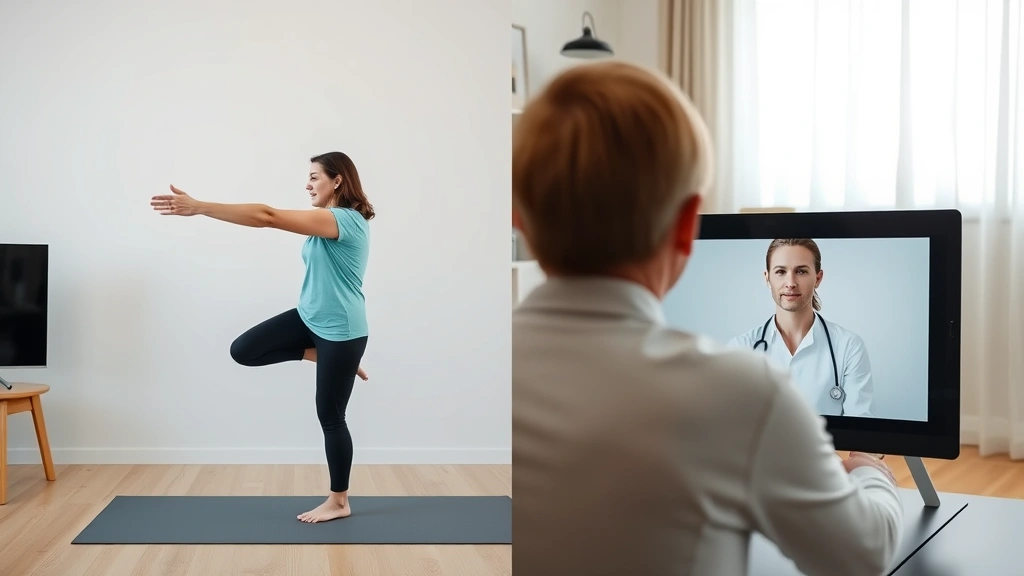
This model represents a significant shift from the traditional brick-and-mortar clinic setting where patients travel to a physical location for in-person appointments. During virtual sessions, therapists can observe patient movement, provide real-time feedback, adjust exercise intensity, and answer questions—all without physical proximity. The session structure typically mirrors traditional physical therapy, including assessment, treatment planning, exercise prescription, and progress monitoring.
Understanding the foundational concepts of virtual physical therapy is essential before diving into its effectiveness. If you’re exploring various therapy options, you might also want to learn about therapy goals to clarify what you hope to achieve through treatment.
The Evidence Behind Virtual Physical Therapy Effectiveness
Recent research has produced encouraging findings regarding the effectiveness of virtual physical therapy. A growing body of scientific literature supports the notion that remote physical therapy can produce outcomes comparable to in-person treatment for many conditions.
Research Studies and Clinical Outcomes: Multiple peer-reviewed studies have demonstrated positive results. Research published in journals examining telehealth interventions shows that patients receiving virtual physical therapy experience improvements in pain reduction, functional mobility, strength, and quality of life. One significant finding from systematic reviews on telehealth physical therapy indicates that remote treatment produces comparable outcomes to traditional therapy for musculoskeletal conditions, particularly when therapists employ proper assessment techniques and exercise supervision.
The American Physical Therapy Association has increasingly recognized the legitimacy of virtual physical therapy, with numerous clinical practice guidelines now incorporating telehealth as a viable treatment modality. This institutional support reflects the accumulating evidence base supporting remote rehabilitation.
Patient Satisfaction and Compliance: Virtual physical therapy demonstrates high patient satisfaction rates, often exceeding traditional therapy in certain demographics. Patients appreciate the convenience, reduced travel time, and ability to receive treatment in familiar environments. Importantly, research indicates that improved access and convenience can lead to better treatment adherence, which is a critical factor in rehabilitation success.
However, effectiveness varies depending on multiple factors including the specific condition being treated, the severity of the injury or dysfunction, the patient’s technological comfort level, and the quality of the virtual platform being used.
Key Advantages of Virtual Physical Therapy
Understanding the benefits of virtual physical therapy helps explain its rapid adoption and growing popularity among both patients and healthcare providers.
- Accessibility and Convenience: Patients can receive treatment from home, eliminating travel time and costs. This is particularly beneficial for individuals with mobility limitations, those living in rural areas, or people with busy schedules. The flexibility of scheduling also allows patients to fit therapy into their daily routines more easily.
- Cost Effectiveness: Virtual physical therapy typically costs less than in-person sessions because overhead expenses are reduced. Patients also save on transportation costs and time away from work or other responsibilities.
- Reduced Infection Risk: Especially relevant post-pandemic, virtual therapy eliminates exposure to pathogens in clinical settings, making it safer for immunocompromised individuals or those concerned about infectious disease transmission.
- Personalized Home Environment: Therapists can assess and treat patients in their actual living spaces, understanding the home setup and making environment-specific recommendations for safety and exercise modification.
- Detailed Movement Analysis: High-quality video allows therapists to observe movement patterns with precision, often enabling them to identify subtle compensatory patterns that might be missed in clinic settings.
- Enhanced Documentation: Virtual sessions can be recorded (with consent) for patient review, creating valuable resources for home exercise program reinforcement.
- Continuity of Care: Patients can continue therapy during travel, transitions, or other circumstances that might otherwise interrupt treatment.
These advantages collectively make virtual physical therapy an attractive option for many individuals seeking rehabilitation services. For those interested in broader healthcare perspectives, exploring MindLift Daily Blog offers additional insights into wellness and treatment modalities.
Limitations and Challenges
Despite its advantages, virtual physical therapy does have notable limitations that must be acknowledged and considered when deciding on treatment approaches.
Inability to Provide Hands-On Treatment: The most significant limitation is the absence of manual therapy techniques. Physical therapists often use hands-on interventions such as soft tissue mobilization, joint mobilization, myofascial release, and manual stretching. These techniques cannot be delivered virtually and may be essential components of certain treatment plans.
Assessment Limitations: Some clinical assessments require hands-on palpation, resistance testing, or specific positioning that cannot be accurately performed remotely. Certain diagnostic procedures and detailed physical examinations may be compromised in virtual settings.
Technology Barriers: Not all patients have reliable internet connectivity, appropriate devices, or technological literacy. Technical difficulties, poor video quality, or inadequate equipment can compromise treatment quality and patient experience.
Limited Environmental Control: Home environments may lack appropriate space, equipment, or privacy for effective therapy. Distractions, family members, pets, or household noise can interfere with treatment quality.
Acute Injury Management: Virtual therapy is generally not appropriate for immediate post-injury care requiring urgent assessment, intervention, or emergency referral decisions that require in-person evaluation.
Severe Functional Limitations: Patients with significant mobility restrictions or those requiring intensive hands-on intervention may not benefit adequately from remote treatment.
Understanding these limitations helps ensure that virtual physical therapy is appropriately matched to patient needs and clinical presentations.
Which Conditions Respond Best to Virtual Treatment
Virtual physical therapy proves most effective for certain conditions while being less suitable for others. Identifying which conditions respond favorably to remote treatment is essential for optimal outcomes.
Ideal Candidates for Virtual Physical Therapy:
- Chronic pain conditions (lower back pain, neck pain, shoulder pain)
- Post-surgical rehabilitation (after sufficient healing has occurred)
- Sports injuries in recovery phases
- Arthritis and degenerative joint conditions
- Stroke rehabilitation and neurological conditions
- Vestibular disorders and balance dysfunction
- Pelvic floor dysfunction (with appropriate assessment)
- Occupational or repetitive strain injuries
- Lymphedema management
- General fitness and conditioning following injury
For those interested in specialized rehabilitation approaches, learning about physical therapy treatment for cerebral palsy demonstrates how specialized conditions may require more comprehensive evaluation before virtual treatment initiation.
Less Suitable for Virtual Physical Therapy:
- Acute traumatic injuries requiring immediate assessment
- Complex fractures needing detailed palpation and positioning
- Severe neurological conditions with significant motor control deficits
- Conditions requiring intensive manual therapy
- Patients with substantial cognitive or communication impairments
- Those unable to safely perform exercises without hands-on guidance
The condition-specific appropriateness of virtual physical therapy should be determined collaboratively between the patient and physical therapist during the initial consultation.
Technology and Equipment Requirements
Successful virtual physical therapy depends on having appropriate technology and equipment. Understanding these requirements helps patients prepare for effective remote treatment.
Essential Technology: A reliable internet connection (minimum 5 Mbps recommended), a device with video capability (computer, tablet, or smartphone), and a secure telehealth platform complying with privacy regulations such as HIPAA are fundamental requirements. High-quality video and audio are crucial for therapist observation and clear communication.
Physical Space Considerations: Patients need a clear space of approximately 8×10 feet to safely perform exercises without obstruction. Good lighting allowing the therapist clear visibility of body positioning and movement is important. Appropriate background setup ensuring privacy is also necessary.
Equipment for Exercise: Depending on the treatment plan, patients may need basic equipment such as resistance bands, dumbbells, foam rollers, balance boards, or therapy balls. Many virtual physical therapy programs are designed using minimal equipment or household items, making them accessible to most people.
Recording and Documentation: Some platforms allow session recording for patient education purposes, though this requires explicit consent and secure storage to maintain privacy.
Many reputable virtual physical therapy providers supply detailed equipment guides and help patients understand exactly what they need before beginning treatment.
Comparing Virtual vs In-Person Physical Therapy
A comprehensive comparison between virtual and in-person physical therapy reveals distinct advantages and disadvantages for each modality, helping inform treatment decisions.
Manual Therapy Capabilities: In-person therapy excels in delivering hands-on interventions including joint mobilizations, soft tissue work, and manual stretching. Virtual therapy cannot replicate these techniques, which may be essential for certain conditions.
Assessment Accuracy: In-person therapists can perform comprehensive physical examinations including palpation, resistance testing, and specialized orthopedic tests with greater precision. Virtual assessment, while increasingly sophisticated, has inherent limitations in detecting subtle findings.
Patient Motivation and Engagement: In-person therapy provides structured environment and direct accountability that some patients find motivating. Conversely, virtual therapy’s convenience and home-based nature appeals to patients who struggle with clinic attendance.
Exercise Instruction and Feedback: Both modalities can effectively teach exercises and provide real-time feedback on form and technique. Video allows detailed observation of movement patterns from multiple angles.
Cost and Accessibility: Virtual therapy generally costs less and requires less time investment, making it more accessible to broader populations. In-person therapy may be more expensive but provides comprehensive hands-on intervention.
Treatment Continuity: Virtual therapy enables consistent access regardless of location changes, while in-person therapy requires proximity to a clinic.
Many experts recommend a hybrid approach where appropriate, combining virtual sessions for exercise programming and maintenance with periodic in-person visits for hands-on intervention and detailed reassessment. This integrated approach optimizes both accessibility and clinical outcomes.
Expert Recommendations and Best Practices
Leading physical therapy organizations and experts have developed evidence-based recommendations for maximizing virtual physical therapy effectiveness.
Initial Evaluation Considerations: Experts emphasize that comprehensive initial evaluation—ideally in-person when possible—establishes appropriate baseline measurements and ensures virtual therapy is suitable for the specific condition. This evaluation should include detailed history, functional assessment, movement analysis, and determination of whether manual therapy is necessary.
Therapist Qualifications: Patients should verify that virtual physical therapists are licensed, hold appropriate credentials, and have experience with telehealth delivery. The quality of therapist-patient communication and technical expertise significantly impacts outcomes.
Home Exercise Program Emphasis: Virtual physical therapy inherently places greater emphasis on home exercise performance. Experts recommend that therapists provide clear written instructions, video demonstrations, and regular progression modifications to maximize compliance and effectiveness.
Regular Reassessment: Systematic reassessment at regular intervals ensures that treatment remains appropriate and effective. Virtual platforms should include mechanisms for objective measurement tracking and progress documentation.
Hybrid Treatment Models: Research increasingly supports hybrid models combining virtual sessions with periodic in-person visits for hands-on intervention, detailed reassessment, and manual therapy when indicated. This approach optimizes outcomes while maintaining convenience benefits.
Patient Education: Successful virtual therapy requires educated, engaged patients who understand their condition, exercise rationale, and progression principles. Therapists should invest time in patient education and empowerment.
For those exploring broader healthcare and therapeutic landscapes, understanding occupational therapy jobs and career paths can provide insight into how telehealth is transforming the rehabilitation professions.
Leading research institutions and professional organizations continue investigating optimal virtual physical therapy implementation. Studies from the American Physical Therapy Association and international physical therapy bodies provide evidence-based practice guidelines for virtual delivery models.
FAQ
Is virtual physical therapy covered by insurance?
Many insurance plans now cover virtual physical therapy, particularly after increased regulatory acceptance during recent years. However, coverage varies significantly by plan, state regulations, and specific conditions. Patients should contact their insurance provider to verify coverage before beginning treatment. Most virtual physical therapy providers can verify insurance coverage on behalf of patients.
How effective is virtual physical therapy compared to in-person treatment?
Research demonstrates that virtual physical therapy produces comparable outcomes to in-person treatment for many musculoskeletal and neurological conditions. Effectiveness depends on the specific condition, therapist expertise, patient engagement, and treatment appropriateness. For conditions requiring extensive manual therapy, in-person treatment may be more appropriate.
Can virtual physical therapy help with post-surgical rehabilitation?
Virtual physical therapy can be effective for post-surgical rehabilitation, particularly after the initial acute phase has passed. However, immediate post-operative assessment and early-stage rehabilitation may require in-person evaluation. A hybrid approach combining initial in-person assessment with virtual follow-up sessions often works well.
What equipment do I need for virtual physical therapy?
Most virtual physical therapy programs require minimal equipment, using resistance bands, body weight exercises, and common household items. Your therapist will provide a specific equipment list based on your treatment plan. A clear exercise space, reliable internet, and a device with video capability are essential.
How do I find a qualified virtual physical therapist?
Look for licensed physical therapists (PT) with appropriate credentials through platforms that verify provider qualifications. Check state licensure databases, read patient reviews, and ensure the provider uses secure, HIPAA-compliant telehealth platforms. Professional organizations like the American Physical Therapy Association provide resources for finding qualified providers.
Is virtual physical therapy suitable for severe injuries?
Virtual physical therapy is generally not appropriate for acute severe injuries requiring immediate comprehensive assessment and hands-on intervention. However, once acute phases have resolved and the patient has been cleared by a physician, virtual therapy can support ongoing rehabilitation effectively.
Can virtual physical therapy treat neurological conditions?
Yes, virtual physical therapy can effectively treat many neurological conditions including stroke recovery, Parkinson’s disease, multiple sclerosis, and vestibular disorders. Therapists use movement analysis, exercise programming, and patient education to address neurological dysfunction. However, some severe neurological conditions may benefit from hybrid approaches combining virtual and in-person treatment.
How long are typical virtual physical therapy sessions?
Virtual physical therapy sessions typically last 30-60 minutes, similar to in-person sessions. Session duration depends on the treatment plan, condition severity, and individual patient needs. Your therapist will recommend appropriate session length and frequency during initial evaluation.