
Trigger Finger Relief: What Experts Recommend
Trigger finger, medically known as stenosing tenosynovitis, is a painful condition affecting the tendons in your hand that control finger movement. When you have trigger finger, the affected digit gets stuck in a bent position and then suddenly straightens with a painful snapping sensation, much like pulling and releasing a trigger. This condition develops when inflammation builds up around the tendon sheath, restricting smooth movement and causing considerable discomfort during daily activities.
Whether you’re experiencing mild discomfort or severe pain that interferes with work and personal life, understanding the available therapy resources and treatment options can help you make informed decisions about your care. This comprehensive guide explores evidence-based trigger finger therapies that medical professionals, hand specialists, and physical therapists recommend to relieve symptoms and restore normal hand function.
Understanding Trigger Finger: Causes and Risk Factors
Trigger finger develops when the tendon that controls finger movement becomes inflamed or develops nodules that prevent smooth gliding through the tendon sheath. The flexor tendons in your fingers allow you to curl them into a fist; when these tendons swell, the protective sheath becomes too tight, creating friction and restricting movement. This condition can affect any finger, though it most commonly impacts the ring finger and thumb.
Several factors increase your risk of developing trigger finger. Repetitive gripping activities—whether from work, hobbies, or sports—place excessive stress on the tendons. Individuals with diabetes, rheumatoid arthritis, or thyroid disorders face higher incidence rates. Age also plays a role, with trigger finger most common in people between 40 and 60 years old. Women are affected more frequently than men, and having a family history of the condition increases your likelihood of developing it.
Understanding these underlying causes helps explain why different treatment approaches work for different people. Someone whose trigger finger stems from repetitive work activities may benefit most from ergonomic modifications and rest, while those with inflammatory conditions like rheumatoid arthritis might require more aggressive medical intervention.
Conservative Treatment Approaches
Most hand specialists recommend starting with conservative treatments before pursuing more invasive options. These approaches address inflammation, reduce stress on the affected tendon, and allow the body’s natural healing processes to work. Conservative therapy typically involves a combination of strategies tailored to your specific situation and severity level.
Rest and Activity Modification
The first step in managing trigger finger is reducing activities that aggravate symptoms. This doesn’t mean complete immobilization but rather being mindful of repetitive gripping, pinching, and forceful hand activities. Taking frequent breaks during work, using proper ergonomic positioning, and modifying your grip technique can significantly reduce pain and inflammation. Many people find relief simply by consciously adjusting how they hold objects and distribute the workload across their fingers rather than relying on one digit.
Splinting and Immobilization
Night splints represent one of the most effective conservative treatments for trigger finger. These devices keep your finger in a slightly extended position while you sleep, preventing the tendon from getting stuck in the bent position that causes pain upon waking. Most people wear splints for 4 to 6 weeks, though some benefit from continued use. Daytime splinting during particularly aggravating activities can also help. According to research published in the Journal of Hand Surgery, splinting alone resolves symptoms in approximately 50% of cases within three months.
Ice Therapy and Anti-inflammatory Measures
Applying ice to the affected area for 15-20 minutes several times daily reduces inflammation and provides pain relief. Cold therapy constricts blood vessels, decreasing swelling around the tendon sheath. Combining ice therapy with non-steroidal anti-inflammatory drugs (NSAIDs) like ibuprofen or naproxen can enhance results. Always consult your healthcare provider before starting any medication regimen, as NSAIDs aren’t appropriate for everyone.
Gentle Stretching and Mobility Work
While rest is important, complete immobility can lead to stiffness. Gentle stretching exercises—performed carefully to avoid triggering pain—help maintain flexibility and prevent contractures. Simple stretches like gently extending your fingers and holding for a few seconds, or using your other hand to gently extend the affected finger, can be beneficial when done regularly throughout the day.
Physical Therapy and Hand Exercises
Professional physical therapy treatment plays a crucial role in trigger finger management, particularly when conservative home care isn’t providing adequate relief. Licensed physical therapists specializing in hand therapy understand the complex biomechanics of your hand and can design targeted intervention programs.
Therapeutic Exercises and Protocols
Hand therapists recommend specific exercises that improve tendon gliding while avoiding positions that trigger symptoms. The most effective exercises include isolated finger flexion and extension, hook fists (bending only the middle and end joints), and straight fists (bending all joints). These exercises help the tendon move smoothly through its sheath and prevent adhesions from forming. Progressive resistance exercises, using therapy putty or resistance bands, gradually strengthen the hand without overloading the affected tendon.
Manual Therapy Techniques
Skilled manual therapy techniques can address soft tissue restrictions and improve tendon mobility. Gentle mobilization of the joints, soft tissue massage around the tendon sheath, and myofascial release techniques reduce tension and improve circulation. These hands-on approaches complement home exercise programs and accelerate recovery when performed by trained professionals.
Ergonomic Assessment and Workplace Modifications
Many trigger finger cases result from poor ergonomics and repetitive strain. Physical therapists evaluate your work setup, daily activities, and movement patterns to identify contributing factors. They recommend specific modifications—such as adjusting keyboard height, changing grip techniques, or using ergonomic tools—that reduce stress on the affected tendon. For those seeking local therapy services, many hand therapists provide comprehensive ergonomic consultations as part of their practice.
Medical Interventions and Professional Care
Corticosteroid Injections
When conservative measures don’t provide adequate relief within 4 to 6 weeks, corticosteroid injections offer a minimally invasive option. A physician injects a corticosteroid medication directly into the tendon sheath, reducing inflammation and allowing the tendon to move more freely. Studies show that 50-70% of patients experience significant symptom improvement following steroid injections. However, the effects are typically temporary, lasting 3 to 6 months, and repeat injections are sometimes necessary. Multiple injections carry increased risk of complications, so most physicians limit them to two or three over time.
Percutaneous Release Procedures
Percutaneous release represents a newer, less invasive alternative to traditional surgery. Using ultrasound guidance, a physician makes a small needle puncture in the affected area to release the constricted tendon sheath. This outpatient procedure requires minimal anesthesia and allows faster recovery than surgical approaches. Success rates range from 70-90%, making it an attractive option for those who haven’t responded to other treatments.
Seeking Professional Evaluation
If your symptoms persist beyond two weeks or significantly impact your daily functioning, scheduling an appointment with a hand specialist is advisable. Orthopedic surgeons, rheumatologists, or physiatrists specializing in hand conditions can provide accurate diagnosis, assess severity, and recommend the most appropriate treatment pathway for your situation. Professional evaluation ensures you’re not missing underlying conditions requiring different management approaches.
Advanced Treatment Options
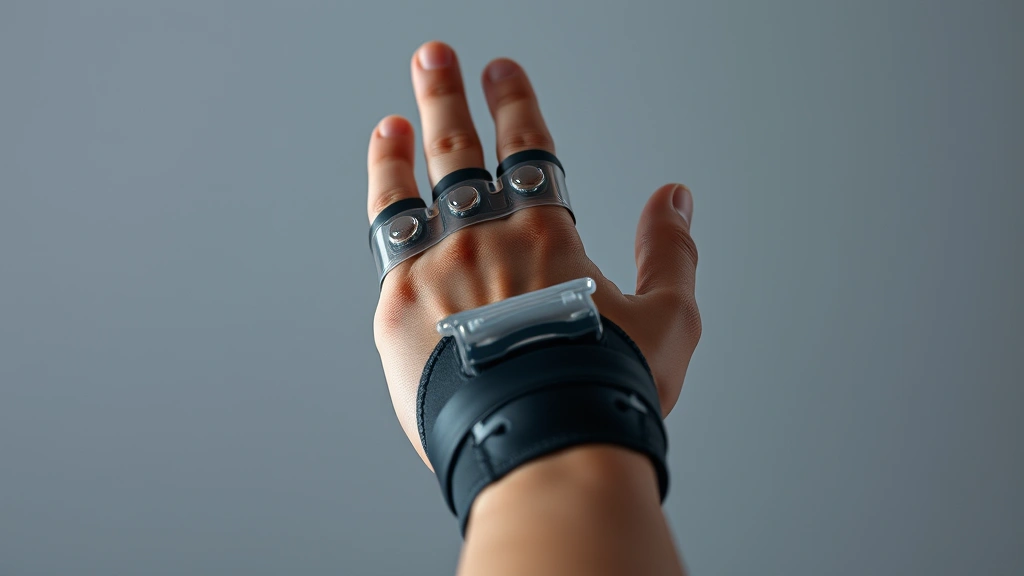
Surgical Intervention: Trigger Finger Release Surgery
When conservative treatments and injections fail to resolve symptoms after several months, surgical intervention becomes appropriate. Trigger finger release surgery involves creating a small incision in the palm and carefully cutting the constricted tendon sheath, allowing the tendon to move freely. The procedure takes approximately 15-20 minutes and is typically performed under local anesthesia as an outpatient surgery.
Success rates for surgical trigger finger release exceed 90%, with most patients experiencing complete symptom resolution. Recovery is relatively quick—most people resume light activities within one to two weeks and return to normal hand function within 4 to 6 weeks. Potential complications are rare but can include infection, nerve damage, or scar tissue formation. Your surgeon will discuss these risks thoroughly before the procedure.
Platelet-Rich Plasma (PRP) Therapy
Emerging research supports platelet-rich plasma injections for trigger finger treatment. PRP contains concentrated growth factors that promote healing and reduce inflammation. While not yet standard treatment, several studies suggest PRP may be effective for patients who haven’t responded to corticosteroid injections. This treatment remains relatively new and may not be available at all facilities, but represents a promising avenue for ongoing research.
Regenerative Medicine Approaches
Regenerative medicine techniques, including stem cell therapy, show potential for treating tendon-related conditions. These approaches aim to repair damaged tissue rather than simply managing symptoms. However, most regenerative treatments for trigger finger remain in research phases and aren’t yet widely available or covered by insurance. As research progresses, these options may become more accessible to patients seeking alternatives to surgery.

Prevention and Long-Term Management
Ergonomic Strategies for Daily Life
Preventing trigger finger recurrence requires ongoing attention to ergonomics and movement patterns. Maintain neutral wrist position while typing, use tools with padded grips, and take regular breaks during repetitive activities. If your occupation involves significant gripping or pinching, consider wearing protective gloves or using modified tools designed to reduce tendon strain. These preventive measures are particularly important for those with risk factors like diabetes or inflammatory arthritis.
Strength and Flexibility Maintenance
Regular hand exercises maintain strength and flexibility while preventing future problems. Gentle stretching routines, performed daily, keep tendons mobile and muscles flexible. Progressive strengthening exercises, using resistance bands or therapy putty, build protective muscle around the hand and wrist. Many hand therapists recommend continuing a maintenance exercise program even after symptoms resolve, as this significantly reduces recurrence rates.
Managing Underlying Conditions
For those with diabetes, rheumatoid arthritis, or other conditions increasing trigger finger risk, optimizing management of the underlying disease is crucial. Working with your primary care physician or specialist to maintain good disease control reduces inflammation throughout your body, including in the hand tendons. Wellness and recovery approaches that support overall health can complement medical management of these conditions.
Recognizing Early Warning Signs
Remaining alert to early symptoms allows for prompt intervention before the condition becomes severe. If you notice stiffness in your fingers upon waking, clicking sensations during movement, or mild pain with gripping activities, addressing these symptoms immediately with conservative measures often prevents progression. Early intervention is significantly more effective than waiting until symptoms become debilitating.
Frequently Asked Questions
How long does trigger finger take to heal with conservative treatment?
Most people experience improvement within 4 to 6 weeks of starting conservative treatment, including splinting, rest, and anti-inflammatory measures. However, complete resolution can take 2 to 3 months. Some cases resolve within weeks, while others require longer treatment periods. Consistency with your treatment plan significantly influences healing timeline.
Can trigger finger go away on its own without treatment?
While some mild cases may improve with minimal intervention, most trigger finger doesn’t resolve without treatment. The condition tends to progress if left untreated, potentially leading to permanent finger contracture where the digit remains stuck in a bent position. Early intervention prevents this progression and typically results in faster, more complete recovery.
Is surgery necessary for trigger finger?
Surgery isn’t immediately necessary and should only be considered after conservative treatments have failed over several months. Most people find relief through splinting, physical therapy, and injections before reaching the point where surgery becomes appropriate. Surgery is highly effective when needed but is typically reserved for cases that haven’t responded to other interventions.
Can trigger finger affect multiple fingers at once?
Yes, some people develop trigger finger in multiple digits simultaneously or sequentially. This is particularly common in those with systemic inflammatory conditions like rheumatoid arthritis. If you develop symptoms in multiple fingers, comprehensive evaluation by a hand specialist is important to identify any underlying conditions requiring treatment.
What’s the difference between trigger finger and carpal tunnel syndrome?
While both are hand conditions causing pain and dysfunction, they result from different problems. Trigger finger involves tendon sheath inflammation affecting a single finger’s movement, while carpal tunnel syndrome involves nerve compression in the wrist affecting sensation and function of multiple fingers. Treatment approaches differ significantly, making accurate diagnosis essential.
Are there occupational considerations for trigger finger management?
Yes, work activities significantly impact trigger finger. Those in professions involving repetitive gripping—such as assembly work, masonry, or certain trades—face higher risk. Occupational therapy professionals can assess your work environment and recommend modifications or alternative techniques that reduce trigger finger risk while maintaining job performance.
Can stress and anxiety worsen trigger finger symptoms?
Stress can indirectly worsen trigger finger by increasing muscle tension and reducing activity modification compliance. Additionally, therapy for managing anxiety may help some patients better cope with chronic pain associated with trigger finger. Addressing stress through relaxation techniques, mindfulness, or professional counseling complements physical treatment approaches.
What role does nutrition play in trigger finger recovery?
While no specific diet cures trigger finger, proper nutrition supports healing and reduces inflammation. Adequate protein intake supports tendon repair, while anti-inflammatory foods like fatty fish, berries, and leafy greens may help reduce systemic inflammation. Staying well-hydrated and maintaining healthy vitamin D levels supports overall tissue healing.