TMJ Relief: Can Physical Therapy Help? Expert Insights
Temporomandibular joint (TMJ) disorder affects millions of people worldwide, causing pain, clicking sounds, and difficulty chewing. If you’re searching for TMJ physical therapy near me, you’re likely experiencing the frustration and discomfort that comes with this condition. The good news is that physical therapy has emerged as one of the most effective and non-invasive treatment options available for TMJ relief.
Physical therapists specializing in TMJ disorders use targeted exercises, manual therapy techniques, and ergonomic education to address the root causes of jaw dysfunction. Unlike surgical interventions or medication-dependent approaches, physical therapy offers a sustainable path to recovery that empowers patients to manage their symptoms long-term. This comprehensive guide explores how physical therapy can transform your TMJ experience and what you should expect when seeking treatment.

Understanding TMJ Disorder and Its Impact
The temporomandibular joint is a complex hinge joint that connects your lower jaw to your skull. It’s responsible for all jaw movements—opening, closing, and side-to-side motion. When this joint becomes dysfunctional, it can trigger a cascade of symptoms affecting not just your mouth, but your entire head, neck, and shoulders.
TMJ disorder manifests in various ways. Some people experience sharp pain in front of the ears, while others report a constant ache in the jaw muscles. Common symptoms include clicking or popping sounds when opening the mouth, difficulty chewing certain foods, headaches, ear pain, and neck stiffness. The condition can range from mild and occasional to severe and debilitating, significantly impacting quality of life.
The causes of TMJ disorder are multifaceted. Poor posture—particularly the forward head position common among desk workers—places excessive strain on the jaw joint. Stress and anxiety often lead to teeth grinding and jaw clenching, which overwork the muscles. Trauma from accidents or dental procedures, arthritis, and muscle tension in the neck and shoulders can all contribute to TMJ dysfunction. Understanding these contributing factors is essential because physical therapy addresses them comprehensively rather than simply masking symptoms.
How Physical Therapy Works for TMJ
Physical therapy for TMJ operates on the principle that proper joint mechanics, muscle balance, and movement patterns can restore function and eliminate pain. A skilled physical therapist conducts a thorough assessment, examining jaw range of motion, muscle strength, posture, and identifying movement restrictions or imbalances.
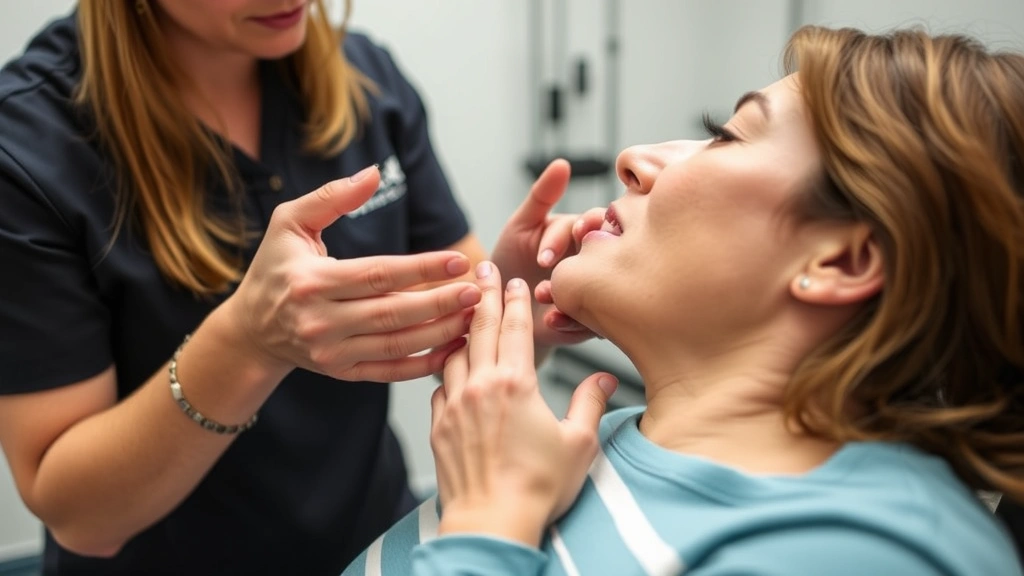
The therapeutic approach typically includes several key components. Manual therapy techniques involve hands-on treatment where the therapist applies gentle pressure, mobilizations, and soft tissue work to release tension in the jaw muscles, neck, and shoulders. These techniques improve circulation, reduce muscle guarding, and restore normal joint mechanics.
Therapeutic exercises form the cornerstone of TMJ physical therapy. These are specifically designed to strengthen weak muscles, improve coordination, and restore proper movement patterns. Exercises might include gentle jaw opening and closing movements, lateral movements, resistance exercises using the therapist’s fingers or specialized equipment, and stabilization exercises that train the muscles to support the joint properly.
Postural correction is critical because poor posture directly impacts TMJ function. Forward head posture—where the head juts forward from the shoulders—increases stress on the jaw joint and supporting muscles. Physical therapists teach patients proper alignment and provide ergonomic guidance for workspaces, sleeping positions, and daily activities.
Relaxation and stress management techniques address the muscle tension caused by psychological stress. Therapists teach breathing exercises, progressive muscle relaxation, and mindfulness strategies to reduce the unconscious jaw clenching and teeth grinding that exacerbate TMJ symptoms.
When seeking speech therapy near me or other specialized services, you’ll find that TMJ physical therapy shares similar principles of personalized care. The interdisciplinary approach to therapy—combining physical, psychological, and educational elements—ensures comprehensive treatment.
Evidence-Based Treatment Approaches
Research strongly supports the effectiveness of physical therapy for TMJ disorders. A study published in the Journal of Dental Research demonstrated that physical therapy interventions significantly reduced pain and improved jaw function in patients with TMJ disorder, with benefits sustained at long-term follow-up.
The most evidence-supported techniques include:
- Jaw mobilization exercises: Gentle, controlled movements that improve range of motion and reduce stiffness
- Stabilization exercises: Movements that strengthen the deep jaw stabilizer muscles, preventing abnormal movement patterns
- Myofascial release: Techniques targeting the connective tissue surrounding muscles, releasing trigger points that cause referred pain
- Cervical spine treatment: Addressing neck tension and dysfunction, which often accompany and perpetuate TMJ problems
- Proprioceptive training: Exercises that improve the body’s awareness of jaw position and movement
A comprehensive review in Oral Diseases found that physical therapy combined with patient education yielded superior outcomes compared to passive treatments alone. This highlights why finding a knowledgeable therapist matters—they don’t just perform treatments but educate you about your condition and empower self-management.
Similar to how physical therapy treatment for cerebral palsy requires specialized expertise, TMJ treatment benefits tremendously from therapists with specific training in orofacial dysfunction. These specialists understand the unique biomechanics of the jaw and can identify subtle dysfunction patterns that general practitioners might miss.
Finding Quality TMJ Physical Therapy Services
Locating appropriate TMJ physical therapy near me requires knowing what qualifications and specializations to seek. Not all physical therapists have expertise in TMJ disorders, so targeted searching is important.
Look for these credentials and specializations:
- Licensed Physical Therapist (PT) with state licensure
- Certification in Orofacial Physical Therapy or Temporomandibular Disorders
- Continuing education in TMJ-specific treatment techniques
- Experience treating temporomandibular dysfunction specifically
- Knowledge of related conditions like cervical dysfunction and postural problems
When researching providers, check online reviews, ask for referrals from your dentist or physician, and don’t hesitate to call clinics to ask about their TMJ experience. Many physical therapy clinics now offer free consultations where you can discuss your symptoms and treatment approach before committing.
Consider the clinic environment and approach. The best TMJ physical therapy combines hands-on treatment with a comprehensive exercise program you perform at home. Facilities should have equipment for therapeutic exercises and a therapist willing to spend adequate time with each patient—TMJ cases typically require 30-45 minute sessions, not rushed 15-minute appointments.
As you explore options, you might also investigate complementary services. Some clinics offer red light therapy near me, which some patients find helpful for reducing inflammation alongside physical therapy. Additionally, understanding therapy cost and insurance coverage helps you plan financially for treatment.
Expected Results and Timeline
The timeline for TMJ relief through physical therapy varies based on disorder severity, how long you’ve had symptoms, and your consistency with home exercises. Most patients experience initial improvement within 2-4 weeks of starting treatment, though significant pain reduction often takes 6-12 weeks.
Typical progression includes:
- Weeks 1-2: Initial assessment, education about your condition, introduction to basic exercises, and passive treatment to reduce acute pain
- Weeks 3-6: Progressive exercise advancement, postural corrections, and noticeable improvement in pain levels and function
- Weeks 7-12: Continued strengthening, increased independence from therapist guidance, and significant functional improvements
- Weeks 13+: Maintenance exercises, fine-tuning movement patterns, and establishing long-term self-management strategies
Success depends heavily on patient compliance. Physical therapy requires active participation—exercises performed at home between sessions are as important as clinic visits. Patients who consistently perform prescribed exercises experience faster, more complete recovery than those who only attend therapy sessions.
Research from Physical Therapy Reviews indicates that 80-85% of TMJ disorder patients achieve significant improvement with physical therapy, with many becoming symptom-free. Those with chronic, severe cases may require longer treatment or ongoing maintenance exercises, but even these patients typically achieve meaningful functional improvement.
Complementary Therapies and Lifestyle Modifications
While physical therapy is highly effective, combining it with complementary approaches enhances results. Stress management is paramount—patients who practice relaxation techniques, meditation, or yoga often see faster improvement. These practices reduce the unconscious muscle tension that perpetuates TMJ symptoms.
Heat and ice therapy support physical therapy efforts. Moist heat before exercises increases muscle flexibility, while ice after activity reduces inflammation. Some patients benefit from using a night guard to prevent grinding during sleep, though a physical therapist should assess whether this is necessary and ensure proper fit.
Dietary modifications matter too. Avoiding hard, sticky, or chewy foods reduces stress on the healing joint. Eating softer foods, cutting food into smaller pieces, and chewing with both sides of the mouth prevents overloading the affected joint.
Sleep quality significantly impacts recovery. Sleeping on your back with proper pillow support maintains neutral spine alignment and prevents jaw strain. Side sleeping or stomach sleeping can aggravate TMJ symptoms.
If you’re exploring broader wellness approaches, you might investigate MindLift Daily Blog – Therapy Resources and Articles for additional insights on integrating physical therapy with holistic health practices. Additionally, understanding the financial aspects through therapy cost information helps you budget for comprehensive treatment.
Workplace ergonomics deserve attention, especially for those with desk jobs. Monitor height, chair support, keyboard positioning, and frequent movement breaks prevent postural stress that triggers TMJ symptoms. Physical therapists can assess your workspace and recommend modifications.
FAQ
How long does TMJ physical therapy typically take?
Most patients see significant improvement within 6-12 weeks of consistent physical therapy, attending sessions 1-2 times per week and performing daily home exercises. Severe or chronic cases may require longer treatment, but meaningful progress usually appears within the first month.
Is physical therapy better than surgery for TMJ?
Physical therapy is typically recommended as the first-line treatment because it’s non-invasive, has no surgical risks, and addresses underlying dysfunction rather than just symptoms. Surgery is generally reserved for cases that don’t respond to conservative treatment after 6+ months. Most patients avoid surgery entirely through successful physical therapy.
Can I do TMJ exercises at home without seeing a therapist?
While some self-directed exercises help, professional assessment is valuable because therapists identify individual dysfunction patterns and provide personalized exercise progressions. Self-treatment without professional guidance sometimes worsens symptoms if exercises are performed incorrectly or if underlying issues like postural problems aren’t addressed.
Does insurance cover TMJ physical therapy?
Most insurance plans cover physical therapy for TMJ when prescribed by a physician or dentist. Coverage varies by plan and provider, so check with your insurance company. Many clinics also offer payment plans for out-of-pocket costs.
Can TMJ symptoms return after physical therapy?
With proper maintenance—continuing exercises, maintaining good posture, and managing stress—most patients maintain improvement long-term. Symptoms may recur if you stop exercises and return to habits that caused the original problem, but you’ll understand how to manage them effectively.
What’s the difference between physical therapy and other TMJ treatments?
Physical therapy addresses root causes of dysfunction through exercise and manual therapy, offering lasting results. Medications mask pain but don’t resolve problems. Dental interventions like night guards prevent grinding but don’t address underlying muscle and postural issues. The most effective approach often combines physical therapy with targeted dental treatment when needed.