How Does Therapy Help? Expert Insights Into Mental Health Treatment
Therapy has become an increasingly vital component of modern healthcare, yet many people still wonder about its fundamental mechanisms and effectiveness. Whether you’re considering mental health support for the first time or exploring different treatment modalities, understanding how therapy actually works can help you make informed decisions about your wellbeing. This comprehensive guide explores the science, methods, and proven benefits of therapeutic intervention.
The question “how does therapy help?” encompasses multiple dimensions of human psychology and emotional healing. From cognitive restructuring to emotional processing, therapy operates through several interconnected mechanisms that address the root causes of psychological distress rather than merely treating symptoms. Research from leading institutions demonstrates that therapeutic interventions create measurable changes in brain function, emotional regulation, and behavioral patterns.

The Neuroscience Behind Therapeutic Change
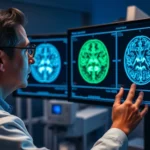
When you engage in therapy, your brain undergoes measurable physiological changes. The American Psychological Association documents how therapeutic interventions activate specific neural pathways associated with emotional regulation and cognitive processing. Neuroimaging studies reveal that psychotherapy can literally reshape brain structure, particularly in regions responsible for fear response, memory processing, and emotional control.
The prefrontal cortex, which governs decision-making and rational thought, becomes increasingly active during successful therapy. Simultaneously, the amygdala—your brain’s alarm system—shows reduced reactivity to stress triggers. This neuroplasticity, the brain’s ability to form new neural connections, underlies why therapy produces lasting change rather than temporary relief. The National Institute of Mental Health emphasizes that consistent therapeutic work strengthens these new neural pathways, making healthier thought patterns and emotional responses more automatic over time.
Neurotransmitter regulation represents another crucial mechanism. Therapy influences serotonin, dopamine, and norepinephrine levels—neurotransmitters directly involved in mood, motivation, and stress response. Unlike medication that introduces external chemical changes, therapy teaches your brain to naturally optimize its own neurochemistry through behavioral and cognitive shifts.

Core Mechanisms of How Therapy Works
Therapy operates through several interconnected mechanisms that work synergistically to produce psychological change:
- Cognitive Restructuring: Identifying and challenging distorted thought patterns that maintain emotional distress. By examining evidence for and against unhelpful beliefs, you develop more balanced perspectives.
- Exposure and Habituation: Gradually confronting feared situations or traumatic memories in safe contexts, which reduces their emotional intensity over repeated exposure.
- Behavioral Activation: Engaging in meaningful activities that counteract avoidance patterns and depression, creating positive feedback loops.
- Emotional Validation: Having your feelings acknowledged and normalized by a trained professional, reducing shame and isolation.
- Insight Development: Understanding the origins and patterns of your difficulties, which creates opportunities for deliberate change.
These mechanisms don’t operate in isolation. A skilled therapist integrates multiple approaches tailored to your specific needs and presentation. Someone experiencing therapy for narcissistic abuse might emphasize rebuilding self-esteem and establishing boundaries, while someone working through therapy for breakups might focus on processing grief and identity reconstruction.
Research published in the Journal of Consulting and Clinical Psychology demonstrates that integrating multiple therapeutic techniques produces superior outcomes compared to single-method approaches. The flexibility to adapt interventions based on individual response patterns distinguishes effective therapy from generic self-help strategies.
Different Therapy Approaches and Their Benefits
Various therapeutic modalities work through distinct mechanisms, each offering specific advantages:
Cognitive Behavioral Therapy (CBT) operates on the principle that thoughts, feelings, and behaviors interconnect. By modifying thought patterns and behaviors, emotions naturally improve. CBT excels for anxiety disorders, depression, and PTSD because it provides concrete, measurable progress and practical tools clients can use independently.
Psychodynamic Therapy explores unconscious patterns and how past experiences shape current difficulties. This approach helps people understand deeper motivations and relationship patterns, producing profound insight and lasting change through increased self-awareness.
Acceptance and Commitment Therapy (ACT) teaches psychological flexibility—accepting difficult emotions while pursuing meaningful values. Rather than eliminating negative thoughts, ACT changes your relationship with them, reducing their power to control behavior.
Dialectical Behavior Therapy (DBT) combines cognitive-behavioral techniques with mindfulness and acceptance strategies, proving particularly effective for emotion dysregulation and self-harm behaviors. The four-module structure—individual therapy, skills training, phone coaching, and therapist consultation—creates comprehensive support.
Humanistic and Person-Centered Therapy emphasizes the therapeutic relationship itself as healing. The therapist’s genuine empathy, unconditional positive regard, and authentic presence create safety that allows psychological growth and self-actualization.
Emotional Processing and Healing
One fundamental way therapy helps involves processing emotions that have been suppressed, avoided, or incompletely metabolized. Trauma and significant life events often leave emotional residue—unprocessed feelings that continue affecting your nervous system and behavior.
When you discuss painful experiences with a trained therapist, several therapeutic processes occur simultaneously. First, the act of verbalizing previously unspoken experiences externalizes them, making them less overwhelming. Second, your therapist helps you organize chaotic emotional memories into coherent narratives with beginning, middle, and end points. Third, emotional expression in a safe environment gradually reduces the emotional charge associated with memories.
This process relates to how memory consolidation works. Traumatic memories often remain fragmented and emotionally charged because they weren’t properly processed during encoding. Therapy facilitates reconsolidation—the brain’s ability to re-store memories in modified form. Through repeated safe discussion and cognitive reframing, traumatic memories transform from vivid, intrusive flashbacks into manageable autobiographical memories.
Emotional validation during this process cannot be overstated. Many people have learned that their emotions are wrong, excessive, or unacceptable. A therapist’s consistent validation—confirming that your emotional responses make sense given your experiences—begins reversing shame and self-criticism that often accompany psychological difficulties.
Building Coping Skills and Resilience
Beyond addressing current problems, effective therapy builds lasting capabilities for managing future challenges. Therapists teach concrete skills adapted to individual needs and preferences:
- Stress management techniques including progressive muscle relaxation, controlled breathing, and grounding exercises
- Assertiveness and communication skills for healthy relationship navigation
- Problem-solving frameworks for approaching difficulties systematically
- Mindfulness and meditation practices for emotional regulation and present-moment awareness
- Sleep hygiene, exercise, and nutrition guidance supporting physiological wellbeing
- Relapse prevention planning for maintaining gains and managing setbacks
These skills represent portable tools you continue using long after therapy concludes. Unlike medication effects that cease when you stop taking it, skillfully developed coping abilities remain available indefinitely. Research demonstrates that people who develop robust coping skills maintain therapeutic gains better and experience lower relapse rates across various psychological conditions.
Resilience—the capacity to navigate adversity and recover from setbacks—develops through successful therapy. As you practice new skills and experience mastery, your confidence grows. You realize you can handle difficulties previously seeming insurmountable, fundamentally shifting self-perception from victim to capable agent.
The Therapeutic Relationship Factor
The relationship between therapist and client constitutes one of therapy’s most powerful mechanisms. Decades of research consistently demonstrate that the quality of this relationship predicts outcomes more strongly than specific therapeutic techniques. A strong therapeutic alliance—characterized by trust, collaboration, and shared goals—creates the safety necessary for psychological risk-taking and vulnerability.
In this relationship, you experience corrective emotional experiences. If past relationships involved criticism, rejection, or invalidation, the therapist’s consistent acceptance and genuine interest begin healing those wounds. This doesn’t mean the therapist becomes a substitute for healthy relationships, but rather provides a template for what respectful, boundaried, supportive connection looks like.
The therapist’s expertise matters, but equally important is their humanity. Therapists who acknowledge their own limitations, admit uncertainty when appropriate, and maintain appropriate self-disclosure create authenticity that clients recognize and trust. This genuine human connection activates your brain’s social engagement system, creating physiological calm that supports psychological work.
Specialized Therapy Applications
Different life circumstances and conditions benefit from specialized therapeutic approaches. People experiencing therapy for narcissistic abuse require specific focus on rebuilding identity and trust after relational trauma. Similarly, those navigating therapy for breakups benefit from grief processing combined with identity reconstruction and future-oriented goal setting.
Physical healing also connects to psychological therapy. While physical therapy in Los Angeles addresses biomechanical concerns, the psychological dimensions of chronic pain, injury recovery, and physical limitations often require therapeutic support. Mind-body approaches recognize that physical trauma and chronic pain carry psychological components requiring integrated treatment.
Career and vocational concerns also benefit from therapeutic exploration. Those considering occupational therapy jobs or other career transitions might explore identity, values, and motivation through therapy. Understanding deeper patterns affecting career satisfaction enables more authentic professional choices.
Emerging modalities like red light therapy near me represent complementary approaches that some integrate with traditional psychotherapy. While red light therapy addresses physiological processes, comprehensive mental health treatment typically combines multiple evidence-based approaches.
Trauma-specific therapies including Eye Movement Desensitization and Reprocessing (EMDR) and Prolonged Exposure Therapy demonstrate particular effectiveness for PTSD. These approaches leverage specific mechanisms—bilateral stimulation in EMDR, systematic exposure in PE—to facilitate trauma processing and resolution.
Group therapy provides unique benefits unavailable in individual settings. Hearing others’ experiences normalizes struggles, reduces isolation, and provides diverse perspectives. The corrective emotional experiences occurring in group contexts—being accepted despite vulnerability, providing support to others—strengthen therapeutic gains.
FAQ
How long does therapy typically take to show results?
Most people notice initial improvements within 4-6 weeks of consistent therapy, particularly symptom reduction. However, deeper psychological change typically requires 3-6 months minimum, with optimal benefits often emerging over a year or longer. Duration depends on problem complexity, trauma history, motivation, and therapeutic approach. Short-term therapy (8-12 sessions) can address specific issues, while ongoing therapy produces more comprehensive transformation.
Is therapy as effective as medication?
Research indicates therapy and medication show comparable effectiveness for many conditions, with some evidence suggesting therapy produces more durable long-term benefits. The optimal approach often combines both. Therapy addresses root causes and builds skills, while medication can stabilize neurochemistry enough to engage therapeutically. Individual factors determine the best approach for each person.
Can therapy help with severe mental illness?
Absolutely. Therapy remains crucial for severe conditions including schizophrenia, bipolar disorder, and severe depression. While medication often stabilizes acute symptoms, therapy addresses coping, medication adherence, social functioning, and meaning-making. Integrated treatment combining medication, therapy, and potentially hospitalization when necessary offers optimal outcomes.
What makes one therapist better than another?
Beyond credentials and experience, therapeutic effectiveness depends on the therapist’s ability to form strong relationships, adapt approaches to individual needs, and maintain ongoing assessment of progress. Cultural competence, openness to feedback, and genuine interest in client wellbeing matter significantly. Finding the right fit sometimes requires trying several therapists.
Can therapy address physical symptoms?
Yes. Psychosomatic symptoms—physical manifestations of psychological distress—often improve substantially through therapy. Chronic pain, tension headaches, gastrointestinal issues, and fatigue frequently have psychological components. Therapy doesn’t mean symptoms are imaginary; rather, addressing psychological factors often provides relief where purely physical interventions failed.
How does therapy prevent relapse?
Therapy builds understanding of personal patterns, triggers, and early warning signs. Clients develop concrete relapse prevention plans identifying specific strategies for managing high-risk situations. Continued practice of coping skills maintains neural pathways supporting mental health. Booster sessions after therapy completion help sustain gains and address emerging challenges.