Can a Therapy Pillow Improve Sleep Quality? Expert Insight
Sleep quality remains one of the most critical factors affecting overall health and wellness, yet millions struggle with poor sleep each night. The average adult requires 7-9 hours of quality sleep to maintain cognitive function, emotional regulation, and physical recovery. Many people turn to various solutions—from medications to lifestyle changes—but one often-overlooked tool gaining recognition among sleep specialists is the therapy pillow. These specially designed pillows go beyond standard bedding, incorporating ergonomic principles and therapeutic materials to address common sleep disruptions and physical discomfort.
A therapy pillow is fundamentally different from conventional pillows because it combines supportive architecture with therapeutic elements specifically engineered to enhance sleep quality. Whether you’re dealing with neck pain, spinal misalignment, or simply seeking better rest, understanding how therapy pillows work and whether they deliver measurable benefits is essential. This comprehensive guide explores the science behind therapy pillows, their effectiveness, and expert recommendations for choosing the right one for your needs.
What is a Therapy Pillow and How Does It Work
A therapy pillow represents an advancement in sleep technology designed with specific anatomical considerations in mind. Unlike standard pillows that primarily provide cushioning, therapy pillows incorporate contoured designs, specialized materials, and ergonomic features that actively support proper spinal alignment during sleep. The fundamental principle behind therapy pillow design is maintaining neutral spine positioning—where your head, neck, and spine form a straight line without unnatural curves or pressure points.
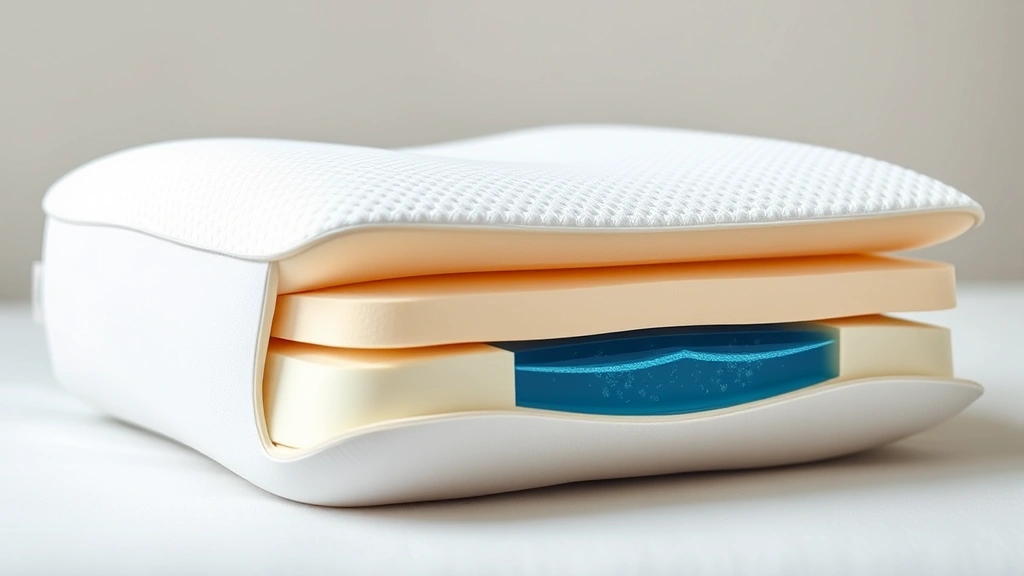
The construction of quality therapy pillows typically involves multiple layers working in concert. The base layer often uses high-density memory foam or latex that provides structural support, while upper layers may include gel-infused materials for temperature regulation. Many therapy pillows feature cervical contours—dips and rises specifically shaped to cradle the neck and provide targeted support. This design philosophy extends from principles used in physical therapy treatment where proper body alignment is crucial for healing and comfort.
The mechanism through which therapy pillows improve sleep involves multiple factors working simultaneously. By maintaining proper cervical alignment, these pillows reduce the strain on neck muscles and ligaments during the 6-8 hours you spend sleeping. This reduced muscle tension translates to fewer nighttime awakenings and improved sleep continuity. Additionally, quality therapy pillows distribute pressure more evenly across the head and neck region, preventing the localized pressure points that cause discomfort with traditional pillows.
The Science Behind Sleep Quality Improvement
Research into sleep architecture and ergonomic support reveals compelling evidence for therapy pillow effectiveness. Sleep quality isn’t simply about duration—it’s about achieving deep, uninterrupted cycles where your brain can complete essential processes including memory consolidation, emotional regulation, and physical restoration. When your pillow creates pressure points or fails to support proper spinal alignment, your body experiences micro-arousals—brief awakenings so subtle you don’t consciously remember them, yet they fragment your sleep architecture and reduce restorative value.
According to research from sleep medicine specialists, improper pillow support contributes to cervical spine strain, which activates pain receptors and disrupts the transition between sleep stages. A properly designed therapy pillow addresses this by maintaining the cervical spine’s natural lordotic curve—the gentle forward curve that characterizes healthy neck positioning. This support allows your muscles to fully relax, reducing the neuromuscular tension that triggers sleep fragmentation.
Memory foam therapy pillows specifically have been studied extensively in sleep research. A study published in the Journal of Chiropractic Medicine found that participants using memory foam pillows with cervical support reported significant improvements in sleep quality and reductions in morning neck pain compared to standard pillow users. The study measured sleep quality through both subjective reports and objective measures including sleep onset time and sleep efficiency.
The relationship between pillow ergonomics and sleep quality extends to thermal regulation as well. Many therapy pillows incorporate cooling gel or breathable materials that prevent heat accumulation. Temperature stability is crucial because your body’s core temperature naturally drops during sleep, and pillows that trap heat interfere with this thermoregulation process, causing frequent awakenings and reducing time spent in deep sleep stages.

Types of Therapy Pillows Available
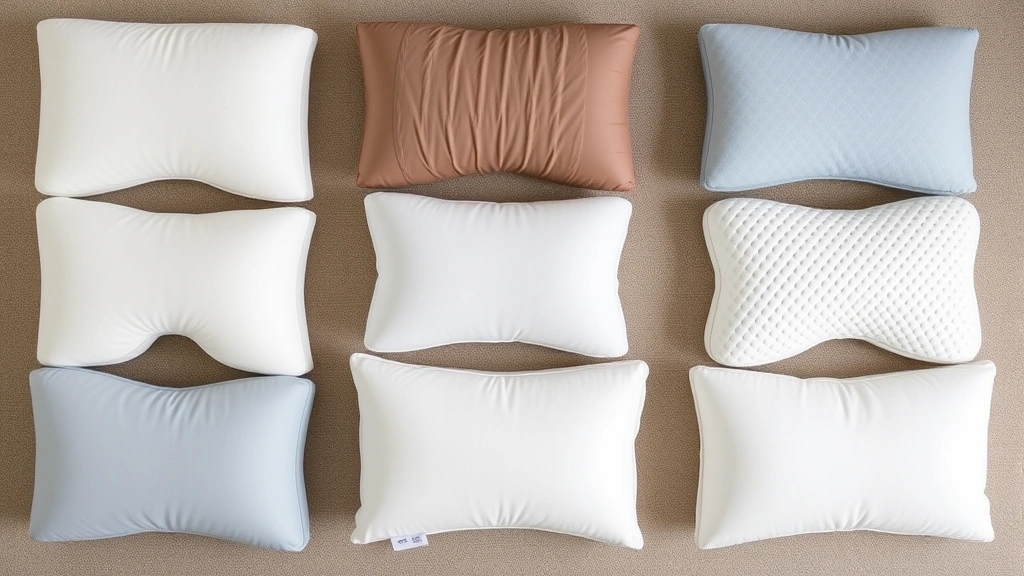
The therapy pillow market has diversified significantly, offering options tailored to different needs, sleep positions, and preferences. Understanding the various types helps you identify which therapy pillow might best address your specific sleep challenges.
Memory Foam Pillows: These pillows use viscoelastic foam that responds to body heat and weight, molding to your unique head and neck contours. Memory foam therapy pillows provide excellent pressure relief and maintain their shape throughout the night. They’re particularly effective for side sleepers and those with neck pain. However, some users find memory foam retains heat, which is why many modern versions include gel infusions or cooling covers.
Latex Therapy Pillows: Natural or synthetic latex offers firm support with more responsiveness than memory foam. Latex pillows tend to sleep cooler and provide excellent durability. They’re ideal for people who prefer a firmer feel and those sensitive to the off-gassing sometimes associated with memory foam. Latex naturally resists dust mites and mold, making these pillows a good choice for allergy-prone individuals.
Cervical Pillows: These specialized therapy pillows feature pronounced contours with a deeper indentation for the head and raised edges supporting the neck. The cervical design is particularly beneficial for those with specific therapy needs related to neck alignment issues. They’re excellent for individuals with chronic neck pain or those recovering from cervical spine injuries.
Adjustable Fill Pillows: These pillows contain removable fill material (often shredded memory foam or buckwheat), allowing you to customize loft height and firmness. This adjustability makes them versatile for different sleep positions and changing preferences, though they require periodic adjustment to maintain optimal support.
Gel-Infused Pillows: Incorporating cooling gel into memory foam or other base materials, these pillows address temperature regulation concerns. The gel absorbs and dissipates body heat, maintaining a cooler surface throughout the night—a feature particularly valuable for hot sleepers.
Benefits for Different Sleep Positions
Your primary sleep position significantly influences which therapy pillow features will most benefit your sleep quality. Each position creates different spinal alignment challenges, and therapy pillows can be selected to address position-specific needs.
Side Sleepers: Side sleeping creates the greatest lateral spinal curvature, requiring pillows with adequate height and firmness to fill the gap between shoulder and head. The best therapy pillows for side sleepers feature thicker profiles with cervical support designed to maintain neutral spine alignment despite the lateral position. A properly designed therapy pillow prevents your head from dropping too low, which would create unhealthy neck flexion.
Back Sleepers: Back sleeping is often considered the most neutral position, but requires different pillow support than side sleeping. Back sleepers benefit from therapy pillows with moderate loft that support the cervical curve without over-extending the neck. Contoured cervical pillows work particularly well for back sleepers, as they cradle the neck’s natural curve while providing appropriate head support.
Stomach Sleepers: Sleep specialists generally discourage stomach sleeping due to the extreme neck rotation required, but many people naturally prefer this position. Stomach sleepers benefit from lower-profile therapy pillows that minimize neck extension. Some sleep experts recommend combination pillows that support multiple positions, allowing stomach sleepers to transition to healthier positions gradually.
Combination sleepers—those who shift positions throughout the night—benefit from versatile therapy pillows that provide adequate support across multiple positions. Adjustable fill pillows often work well for this group, as they can be modified to support different positions with a simple adjustment.
Addressing Common Sleep Issues
Therapy pillows prove particularly valuable for addressing specific sleep-related challenges that compromise rest quality. Understanding how therapy pillows target these issues helps explain their growing popularity among sleep medicine professionals.
Neck Pain and Stiffness: One of the most common reasons people seek therapy pillows is morning neck pain or stiffness. This discomfort typically results from improper cervical support during sleep, causing muscles to remain tense throughout the night. Therapy pillows with cervical contours specifically address this by maintaining proper neck positioning, allowing muscles to fully relax and reducing morning stiffness. Many users report significant pain reduction within 1-2 weeks of switching to an appropriate therapy pillow.
Sleep Apnea and Snoring: While therapy pillows alone don’t treat sleep apnea, certain designs can help position the airway more optimally. Pillows that encourage slight head elevation and proper neck alignment can reduce airway collapse tendencies. Some therapy pillows specifically designed for breathing support elevate the head slightly while maintaining cervical support, potentially reducing snoring and apnea episodes. However, sleep apnea requires professional medical evaluation and treatment alongside any pillow changes.
Migraines and Headaches: Tension headaches and migraines often relate to muscle tension and poor neck positioning during sleep. By reducing cervical strain, therapy pillows can decrease headache frequency and severity. Users with tension-related headaches frequently report improvement within days of using a properly fitted therapy pillow.
Insomnia and Sleep Fragmentation: Physical discomfort contributes significantly to insomnia and frequent nighttime awakenings. Therapy pillows that eliminate pressure points and support proper alignment reduce these physical disruptions, allowing you to maintain sleep continuity and spend more time in restorative deep sleep stages.
Shoulder and Upper Back Pain: Poor pillow support affects not just the neck but the entire shoulder girdle and upper back. Therapy pillows designed to support proper shoulder alignment can reduce upper back pain and improve overall sleep comfort. This is particularly important for side sleepers, whose pillows must accommodate shoulder width while supporting cervical alignment.
Choosing the Right Therapy Pillow
Selecting an appropriate therapy pillow requires considering multiple factors beyond simple preference. A systematic approach ensures you find a pillow that genuinely improves your sleep quality rather than merely feeling comfortable initially.
Assess Your Primary Sleep Position: Begin by identifying your dominant sleep position and how frequently you shift positions. This determines the loft height, firmness, and contour specifications your ideal pillow should have. Side sleepers generally need higher-loft pillows than back sleepers, while stomach sleepers benefit from lower-profile options.
Consider Existing Pain or Discomfort: If you have chronic neck pain, cervical spine issues, or shoulder problems, prioritize therapy pillows specifically designed for these conditions. Consulting with healthcare providers or physical therapists can provide personalized recommendations. Those exploring occupational therapy perspectives on ergonomics often benefit from professional guidance in pillow selection.
Evaluate Material Preferences: Consider your temperature regulation needs, firmness preferences, and any material sensitivities. Memory foam provides excellent contouring but can retain heat. Latex offers cooler sleep but firmer feel. Gel-infused options balance these considerations. Some people prefer the adjustability of fill pillows, while others want a fixed design.
Test Before Committing: Whenever possible, try therapy pillows before purchasing. Many retailers offer trial periods or return policies. A pillow that feels perfect for 10 minutes in a store might not suit your actual sleeping patterns. Most experts recommend at least a 2-week adjustment period before fully evaluating a new therapy pillow’s effectiveness.
Check Durability and Warranty: Quality therapy pillows represent an investment in your health. Look for pillows with strong warranties, durable materials, and positive long-term durability reviews. A pillow that maintains its support properties for years provides better value than cheaper options requiring frequent replacement.
Review Independent Research: Seek out peer-reviewed studies and expert reviews rather than relying solely on manufacturer claims. Organizations like the Sleep Foundation provide evidence-based pillow recommendations and testing data. Research-backed information helps you make informed decisions based on actual effectiveness rather than marketing.
Expert Recommendations and Research
Sleep medicine specialists and orthopedic experts increasingly recognize therapy pillows as legitimate tools for improving sleep quality. Research published in peer-reviewed sleep medicine journals consistently demonstrates that properly selected therapy pillows significantly improve sleep quality metrics including sleep efficiency, reduced nighttime awakenings, and decreased morning pain.
The American Chiropractic Association acknowledges that cervical support during sleep contributes meaningfully to spinal health and pain reduction. Physical therapists regularly recommend therapy pillows as part of comprehensive treatment plans for cervical spine conditions. This professional endorsement reflects growing evidence that pillow selection significantly impacts sleep quality and musculoskeletal health.
However, experts emphasize that therapy pillows work best as part of comprehensive sleep hygiene practices. Combining a quality therapy pillow with consistent sleep schedules, appropriate bedroom temperature, darkness, and reduced screen time before bed creates optimal conditions for sleep improvement. Those interested in comprehensive therapy resources and sleep optimization should explore integrated approaches combining multiple evidence-based strategies.
Recent research from Sleep Health journal indicates that the most significant sleep quality improvements occur when people select therapy pillows matching their specific anatomical needs and sleep patterns. Generic recommendations work less effectively than personalized selection based on sleep position, existing pain conditions, and material preferences.
Considering therapy cost implications, quality therapy pillows typically range from $100-$300, which many sleep experts view as a worthwhile investment given the significant impact on sleep quality. Some health insurance plans cover therapeutic pillows when prescribed for specific medical conditions, though coverage varies considerably.
FAQ
How long does it take for a therapy pillow to improve sleep quality?
Most users notice initial comfort improvements within days, but significant sleep quality enhancement typically requires 2-4 weeks as your body adjusts to proper cervical support. Some people experience dramatic improvements immediately if they were using inadequate pillows, while others with less acute issues require longer adaptation periods. Consistency is key—using your therapy pillow nightly accelerates the adaptation process.
Can therapy pillows help with sleep apnea?
While therapy pillows alone don’t treat sleep apnea, certain designs can help optimize airway positioning and may reduce apnea severity. Sleep apnea requires professional medical diagnosis and treatment, typically involving CPAP devices or other medical interventions. Therapy pillows can complement medical treatment by improving overall sleep quality and comfort, but shouldn’t replace evidence-based apnea treatments.
Are memory foam therapy pillows better than other materials?
Memory foam pillows excel at contouring and pressure relief, but they’re not universally superior to other materials. Latex pillows offer cooler sleep and excellent durability. Adjustable fill pillows provide customization. The best material depends on your specific needs, sleep position, temperature preferences, and budget. Research your options and ideally test multiple types before deciding.
How should I care for my therapy pillow?
Follow manufacturer care instructions carefully. Most therapy pillows have removable, machine-washable covers that should be washed every 1-2 weeks. The pillow interior typically requires spot-cleaning only, with occasional air-drying to maintain freshness. Proper care extends your pillow’s lifespan and maintains its therapeutic properties. Avoid submerging memory foam pillows in water, as this can damage the material.
Can therapy pillows help with migraines?
Tension-related migraines often improve with therapy pillows that reduce cervical muscle strain. By maintaining proper neck alignment and eliminating pressure points, these pillows can decrease migraine frequency and intensity. However, migraines have multiple causes, and a therapy pillow alone may not resolve all migraine-related sleep disruption. Combining pillow optimization with other evidence-based migraine management strategies typically produces the best results.
What’s the difference between therapy pillows and regular pillows?
Therapy pillows feature ergonomic design, cervical contours, and materials specifically selected for therapeutic benefit. Regular pillows prioritize basic cushioning and comfort without addressing spinal alignment or therapeutic needs. Therapy pillows typically cost more but provide targeted support addressing specific sleep or pain-related issues. For people without significant sleep problems, regular pillows may suffice, but those with neck pain, alignment issues, or sleep quality concerns benefit from therapy-specific design.
Should I use a therapy pillow if I don’t have neck pain?
Yes, therapy pillows benefit anyone seeking improved sleep quality, not just those with existing pain. Proper cervical support prevents future pain development and optimizes sleep architecture. Even without current symptoms, using a therapy pillow can enhance sleep depth, reduce nighttime awakenings, and improve morning alertness. Think of it as preventive investment in long-term sleep health and musculoskeletal wellness.