Do Therapy Pillows Aid Sleep? Expert Insights on Sleep Quality and Therapeutic Support
Sleep quality remains one of the most critical factors affecting overall health and wellbeing, yet millions struggle with discomfort, poor alignment, and restless nights. Therapy pillows have emerged as a popular solution, marketed to provide targeted support and improve sleep outcomes. But do these specialized pillows actually deliver on their promises? Understanding the science behind therapy pillows requires examining their design, materials, and evidence-based effectiveness.
The global sleep wellness market continues to expand rapidly, with consumers investing billions annually in products designed to enhance rest and recovery. Among these innovations, therapy pillows occupy a significant niche, appealing to individuals with chronic pain, neck issues, and those seeking ergonomic support. However, distinguishing between marketing claims and genuine therapeutic benefits requires careful analysis of available research and expert perspectives.
What Are Therapy Pillows?
Therapy pillows represent a specialized category of sleep support products designed with therapeutic objectives beyond standard comfort. Unlike conventional pillows, therapy pillows incorporate specific design features, materials, and structural elements intended to address particular physical concerns. These may include cervical alignment issues, pressure point relief, temperature regulation, and postural support during sleep.
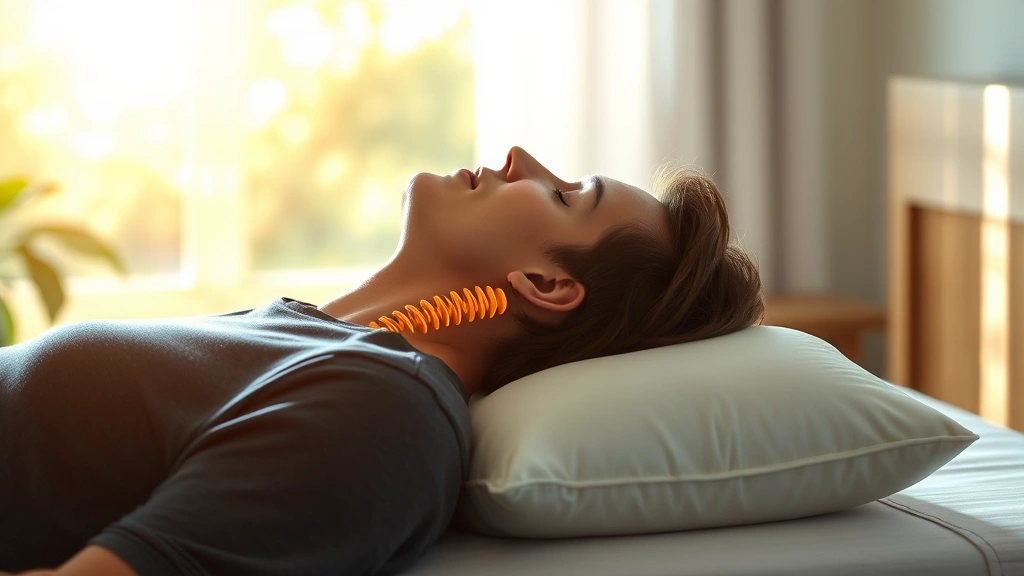
The fundamental concept behind therapy pillows involves maintaining proper spinal alignment throughout the night. During sleep, the head and neck must remain in neutral position to prevent muscle strain and tension. Standard pillows often fail to provide adequate support, leading to misalignment that contributes to morning stiffness, chronic pain, and disrupted sleep cycles. Therapy pillows address this gap through engineered support structures.
Most therapy pillows incorporate memory foam, gel-infused materials, or specialized latex compounds. These materials conform to individual body contours while maintaining structural integrity. The goal involves distributing pressure evenly across the head and neck region, reducing focal stress points that commonly cause discomfort. Many also feature ergonomic shaping designed to cradle the cervical spine in its natural curved position.
Types of Therapy Pillows and Their Functions
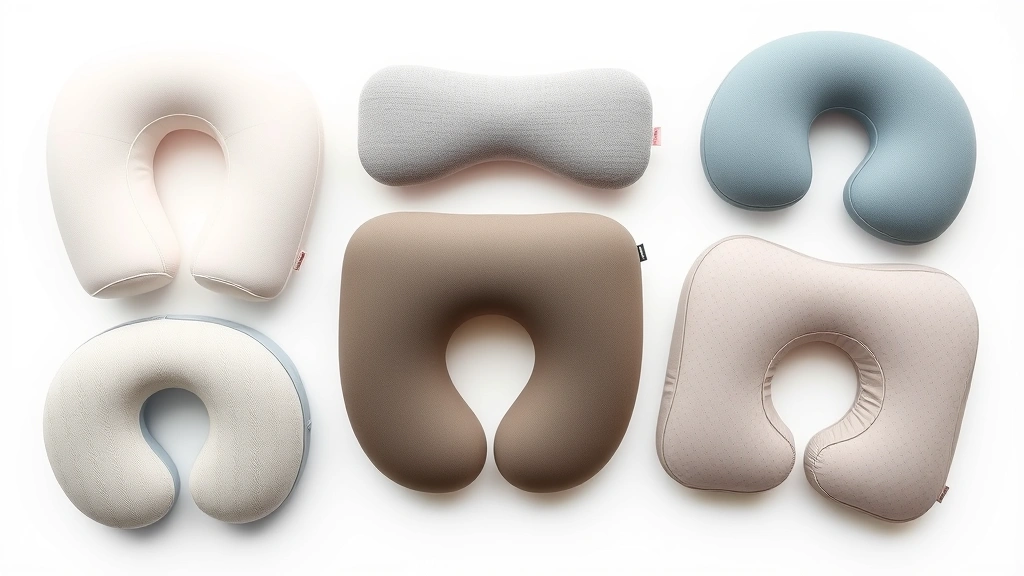
The therapy pillow market encompasses several distinct categories, each targeting specific therapeutic needs and sleep positions. Understanding these variations helps consumers identify products aligned with their particular requirements.
Cervical Pillows: These specialized pillows feature distinctive contoured shapes designed specifically for neck support. The contours typically include a depression for the head and raised edges supporting the cervical spine’s natural curve. Research from the National Center for Biotechnology Information indicates cervical pillows can reduce neck pain symptoms in certain populations.
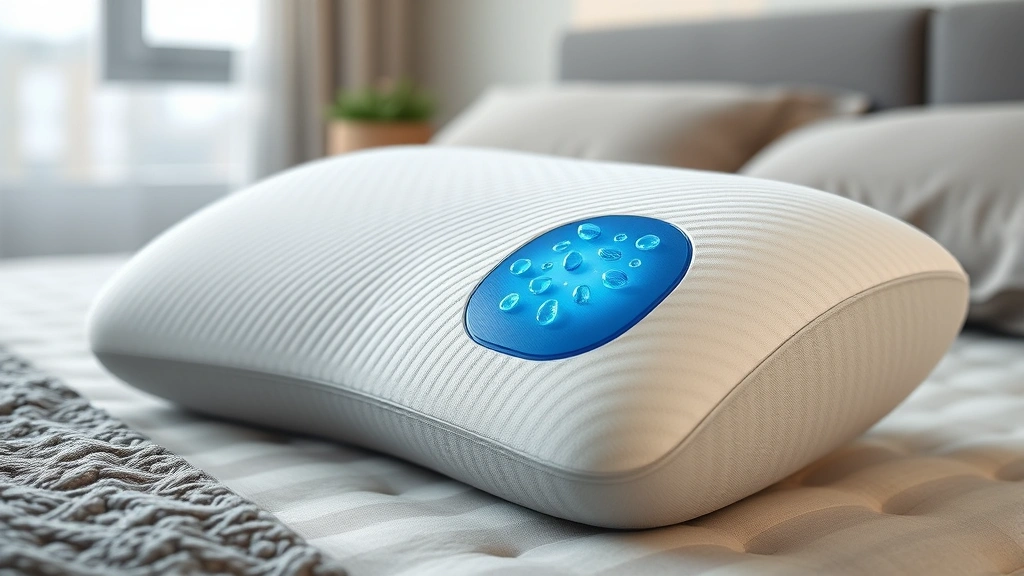
Cooling Gel Pillows: These incorporate gel-infused memory foam or specialized cooling technologies. Temperature regulation plays a crucial role in sleep quality, as elevated body temperature disrupts sleep cycles. Cooling therapy pillows address this by dispersing heat and maintaining optimal sleeping temperatures throughout the night.
Body Pillows: Extended pillows supporting the entire body length provide alignment benefits for side sleepers and pregnant individuals. These help maintain spinal alignment from neck through legs, reducing compensatory strain patterns.
Orthopedic Pillows: Designed with clinical considerations, orthopedic pillows often incorporate medical-grade materials and shapes validated through physical therapy protocols. Many are recommended by healthcare providers for post-surgical recovery or chronic pain management.
When exploring options, consulting resources like MindLift Daily Blog for therapy resources and articles can provide additional context on selecting appropriate therapeutic products.
Scientific Evidence Supporting Therapy Pillows
Evaluating therapy pillow effectiveness requires examining peer-reviewed research and clinical studies. The scientific landscape reveals nuanced findings rather than universal endorsements.
Multiple studies demonstrate that proper cervical support reduces neck pain and improves sleep quality. A systematic review published in the Sleep Health journal examined fifteen randomized controlled trials investigating pillow interventions. Results indicated that pillows specifically designed to maintain cervical alignment produced measurable improvements in pain reduction and sleep quality metrics compared to standard pillows.
Research from leading sleep medicine institutions shows that individuals using ergonomically designed pillows report approximately 20-30% improvement in sleep quality scores. However, effectiveness varies significantly based on individual factors including sleep position, existing musculoskeletal conditions, and pillow selection accuracy.
Temperature regulation studies provide strong evidence supporting cooling therapy pillows. The National Sleep Foundation research indicates that maintaining core body temperature between 60-67 degrees Fahrenheit optimizes sleep architecture. Cooling pillows facilitate this thermoregulation, particularly benefiting hot sleepers and those experiencing night sweats.
However, research also reveals important limitations. Generic memory foam pillows without specific therapeutic shaping show minimal advantage over traditional pillows in some studies. Effectiveness correlates strongly with proper pillow selection matched to individual needs rather than pillow category alone.
How Therapy Pillows Improve Sleep Quality
Therapy pillows enhance sleep through multiple interconnected mechanisms affecting both physical comfort and sleep architecture.
Spinal Alignment: Maintaining neutral spinal position reduces muscle activation during sleep. When the spine aligns properly, muscles can fully relax, preventing microarousals caused by tension and discomfort. This deeper, more restorative sleep improves overall sleep quality and daytime functioning.
Pressure Relief: Therapeutic materials distribute weight evenly, reducing pressure concentration on specific points. Traditional pillows often create pressure hotspots at the head and neck, triggering discomfort and position changes. Therapy pillows minimize these pressure points, allowing longer periods of uninterrupted sleep.
Pain Reduction: Individuals with chronic neck pain, headaches, or temporomandibular joint (TMJ) disorders often experience sleep disruption. Therapy pillows designed for these conditions provide targeted support that reduces pain signals, enabling better sleep onset and maintenance.
Temperature Optimization: Sleep quality deteriorates when body temperature rises excessively. Cooling therapy pillows maintain optimal temperatures, facilitating the natural temperature drop necessary for sleep progression through all stages. This supports deeper REM and slow-wave sleep phases essential for cognitive restoration.
Postural Support: Maintaining proper sleep posture prevents compensatory strain patterns that emerge during sleep. Side sleepers who maintain neutral spinal alignment experience fewer morning symptoms and better overall sleep continuity.
Choosing the Right Therapy Pillow
Successful therapy pillow selection requires matching product specifications to individual needs and sleep characteristics.
Sleep Position Assessment: Back sleepers benefit from pillows providing moderate height with cervical support. Side sleepers require higher loft pillows maintaining neck-shoulder alignment. Stomach sleepers need minimal height to prevent excessive neck rotation. Identifying primary sleep position guides appropriate pillow category selection.
Existing Health Conditions: Individuals with specific conditions should select pillows addressing those concerns. Cervical arthritis patients benefit from contoured cervical pillows. Those with allergies require hypoallergenic materials. Chronic pain sufferers may benefit from memory foam or gel-infused options. Consulting healthcare providers helps identify condition-specific recommendations.
Material Preferences: Memory foam, latex, gel-infused foam, and polyester alternatives each offer distinct advantages. Memory foam conforms gradually and provides pressure relief but may retain heat. Gel-infused options offer cooling benefits. Latex provides responsive support and durability. Individual preferences regarding firmness, responsiveness, and temperature regulation should guide material selection.
Budget Considerations: Quality therapy pillows range from $50 to $300+. Mid-range options ($100-$150) typically balance quality, durability, and affordability. Premium options offer advanced materials and enhanced features but may not provide proportionally greater benefits for all users.
For comprehensive information about therapeutic approaches, exploring interactive therapeutic tools and local wellness services can complement pillow selection strategies.
Potential Limitations and Considerations
While therapy pillows offer genuine benefits, important limitations warrant acknowledgment.
Individual Variability: Sleep needs vary significantly among individuals. A pillow providing excellent support for one person may prove uncomfortable for another. This variability means therapy pillow effectiveness cannot be guaranteed universally.
Adjustment Period: Transitioning to a new pillow typically requires 7-14 days as the body adapts to different support patterns. Some individuals experience initial discomfort before experiencing benefits. Patience during this adjustment phase proves essential.
Underlying Sleep Disorders: Therapy pillows address mechanical support issues but cannot resolve sleep disorders like sleep apnea, insomnia, or restless leg syndrome. Individuals with diagnosed sleep disorders should address underlying conditions through appropriate medical treatment alongside supportive measures.
Durability and Maintenance: Therapy pillow quality degrades over time, typically requiring replacement every 1-3 years depending on material and usage intensity. Regular maintenance including proper cleaning and appropriate storage extends pillow lifespan.
Not a Complete Solution: While therapy pillows contribute to sleep quality, optimal sleep requires comprehensive approaches including consistent sleep schedules, appropriate bedroom environment, stress management, and overall lifestyle factors. Pillows represent one component of holistic sleep wellness rather than standalone solutions.
Integration with Comprehensive Sleep Wellness
Maximizing therapy pillow benefits requires integration within broader sleep wellness strategies. A comprehensive approach addresses multiple factors affecting sleep quality simultaneously.
Sleep Environment Optimization: Even the best therapy pillow cannot overcome an unsuitable sleep environment. Maintaining bedroom darkness, appropriate temperature (typically 65-68 degrees Fahrenheit), low noise levels, and minimal light exposure optimizes sleep conditions. Quality bedding, mattress support, and furniture arrangement complement therapeutic pillow benefits.
Sleep Schedule Consistency: Maintaining consistent sleep and wake times strengthens circadian rhythm regulation, enhancing sleep quality independent of pillow choice. Establishing regular schedules trains the body to anticipate sleep, improving sleep onset and maintenance.
Physical Activity and Movement: Regular daytime physical activity improves sleep quality and reduces chronic pain contributing to sleep disruption. Stretching and mobility work, particularly addressing neck and shoulder tension, complement therapy pillow benefits.
Stress Management Practices: Anxiety and stress significantly disrupt sleep quality through elevated cortisol and activation of the sympathetic nervous system. Meditation, deep breathing, progressive muscle relaxation, and mindfulness practices reduce stress-related sleep disruption.
Healthcare Provider Collaboration: Individuals with chronic pain, existing medical conditions, or persistent sleep issues should consult healthcare providers. Physical therapists can recommend specific physical therapy approaches complementing pillow selection, while sleep medicine specialists can rule out underlying sleep disorders.
Resources exploring occupational therapy perspectives and local therapeutic services can provide additional support for holistic wellness integration.
FAQ
Do therapy pillows work for everyone?
Therapy pillows benefit many individuals, but effectiveness varies based on individual factors including sleep position, existing conditions, and pillow selection accuracy. Some people experience significant improvements while others notice minimal changes. Proper pillow matching to individual needs maximizes potential benefits.
How long does it take to experience benefits from a therapy pillow?
Most individuals require 7-14 days to adjust to a new therapy pillow as their body adapts to different support patterns. Some experience immediate comfort improvements, while others need extended adjustment periods. Consistent use during this period optimizes adaptation.
Can therapy pillows replace medical treatment for neck pain?
Therapy pillows provide supportive care for certain types of neck pain but cannot replace medical treatment for serious conditions. Individuals with chronic pain, injury, or diagnosed medical conditions should consult healthcare providers for appropriate treatment while using supportive pillows as complementary measures.
What makes therapy pillows different from standard pillows?
Therapy pillows incorporate specific design features, materials, and shaping intended to address particular therapeutic objectives. Standard pillows prioritize general comfort without targeting specific support needs. Therapeutic design elements include cervical contouring, pressure-relieving materials, cooling technologies, and ergonomic shaping.
Are expensive therapy pillows better than affordable options?
Price does not always correlate with effectiveness. Mid-range therapy pillows ($100-$150) often provide excellent value and comparable benefits to premium options. Effectiveness depends more on proper pillow selection matching individual needs than on price point alone.
Can therapy pillows help with sleep apnea?
While proper head and neck positioning may provide slight symptom relief, therapy pillows cannot treat sleep apnea, which requires medical intervention. Individuals with diagnosed sleep apnea should pursue appropriate medical treatment including CPAP therapy while using supportive pillows as complementary measures.