
How Can Therapy Games Aid Mental Health? Expert View
Therapy games represent a transformative intersection of entertainment and clinical psychology, offering innovative pathways for mental health treatment and emotional wellness. These specially designed interactive experiences leverage the engagement and motivation inherent in gaming to deliver therapeutic interventions, making mental health support more accessible, affordable, and appealing to diverse populations. The convergence of neuroscience, behavioral psychology, and game design has created powerful tools that mental health professionals increasingly integrate into treatment plans alongside traditional therapeutic approaches.
The digital revolution has fundamentally reshaped how we approach mental health care. Where once therapy relied exclusively on face-to-face sessions, technology now enables continuous support through interactive platforms. Therapy games capitalize on this shift by creating immersive environments where individuals can practice coping strategies, build resilience, and address psychological challenges in a low-pressure, game-like setting. This article explores the science, applications, and expert perspectives on how therapy games are revolutionizing mental health care.
What Are Therapy Games and How Do They Work
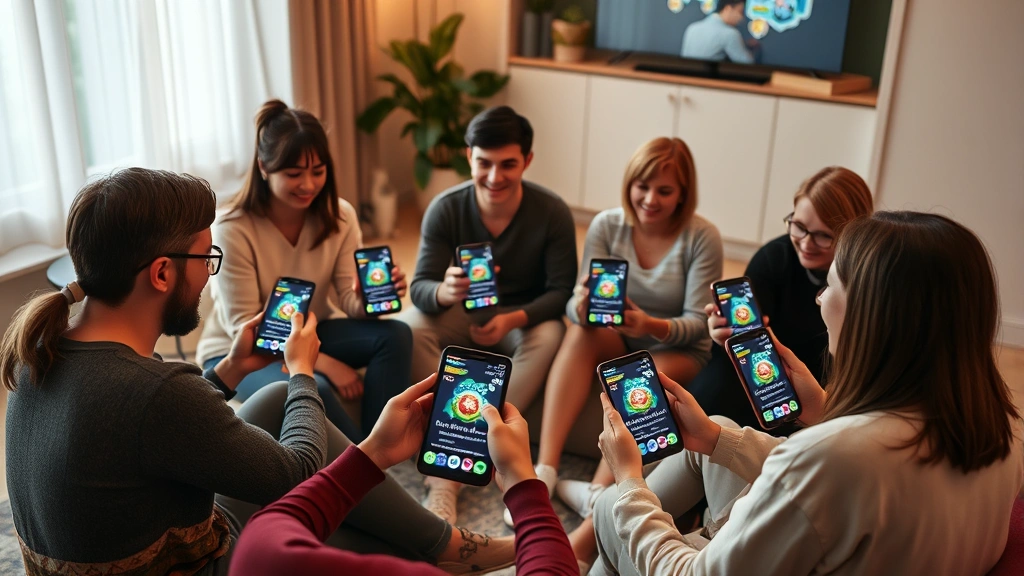
Therapy games are digital applications specifically designed to deliver therapeutic benefits while maintaining the engaging, interactive qualities of traditional games. Unlike casual games created purely for entertainment, therapy games incorporate evidence-based psychological principles, clinical validation, and measurable therapeutic outcomes. These applications might include puzzle-solving mechanics tied to emotional regulation, narrative-driven experiences addressing trauma, or interactive challenges that build social skills.
The core mechanism behind therapy games involves what psychologists call “gamification of therapy”—applying game design elements like progression systems, rewards, immediate feedback, and achievement badges to create motivation for sustained engagement. When a patient struggling with anxiety completes a breathing exercise game, they receive immediate feedback and rewards, reinforcing the behavior. This creates a positive feedback loop that encourages consistent practice outside of formal therapy sessions.
Therapy games operate through several psychological principles. First, they reduce stigma by framing mental health work as a game rather than a clinical intervention. Second, they provide immediate, concrete feedback that helps users understand their progress. Third, they allow repeated practice in a safe, consequence-free environment. Fourth, they can be accessed anonymously and at any time, removing barriers to care. The interactive nature also increases dopamine release, naturally reinforcing therapeutic behaviors and creating positive associations with mental health work.
Research from the National Institutes of Health demonstrates that game-based interventions produce measurable changes in brain activity patterns associated with emotional regulation. The gamification element doesn’t diminish the therapeutic value; rather, it enhances engagement and compliance, which are critical factors determining treatment success.
Scientific Evidence Supporting Therapy Games
The scientific community has increasingly validated therapy games as legitimate mental health interventions. Multiple randomized controlled trials demonstrate that therapy games produce outcomes comparable to traditional therapy for certain conditions, particularly anxiety disorders and depression. A landmark study published in JAMA Psychiatry found that a cognitive training game reduced clinical depression symptoms in participants over an eight-week period, with effects maintained at six-month follow-up.
Research examining therapy games for anxiety reveals particularly promising results. Studies show that exposure-based therapy games—where users gradually confront anxiety-triggering scenarios in controlled digital environments—produce significant symptom reduction. The advantage lies in the ability to repeat exposures indefinitely without therapist time, making treatment more scalable and cost-effective.
Neuroscientific research reveals that therapy games activate similar neural pathways as traditional therapy. Functional MRI studies show that individuals playing therapeutic games demonstrate increased activity in prefrontal cortex regions associated with emotional regulation and decreased amygdala reactivity (the brain’s fear center). This neural evidence validates what clinical outcomes suggest: therapy games create genuine therapeutic change.
The effectiveness varies by condition and individual. Meta-analyses indicate strong evidence for therapy games addressing:
- Generalized anxiety disorder and specific phobias
- Mild to moderate depression
- Attention and executive function deficits
- Social anxiety and social skills development
- Post-traumatic stress disorder symptoms
- Substance use disorder relapse prevention
However, researchers emphasize that therapy games function best as adjuncts to professional care, not replacements for serious mental illness requiring intensive intervention. The evidence base continues expanding as more rigorous studies examine specific game designs and populations.
Types of Therapy Games for Mental Health
The landscape of therapy games encompasses diverse applications targeting different mental health conditions and therapeutic goals. Understanding these categories helps individuals and professionals identify appropriate interventions.
Cognitive Training Games focus on improving attention, memory, and executive function. Applications like Lumosity and CogniFit incorporate game mechanics with neuroscience-backed exercises. These benefit individuals with ADHD, cognitive decline, and attention-related anxiety. While some early claims proved overstated, recent research supports their use for specific cognitive deficits when properly validated.
Exposure Therapy Games simulate anxiety-triggering situations in safe digital environments. A patient with social anxiety might play a game involving increasingly challenging social interactions, gradually building confidence. Virtual reality versions create particularly immersive experiences, allowing therapists to precisely control exposure intensity and complexity.
Emotion Regulation Games teach skills for managing difficult emotions. Games might involve identifying emotional states, selecting coping strategies, and receiving feedback on effectiveness. These prove particularly valuable for adolescents with emotional dysregulation and borderline personality features.
Narrative-Based Therapeutic Games embed therapeutic content within compelling stories. Games addressing trauma might use branching narratives where player choices influence story outcomes, creating agency and processing opportunities. These resonate particularly with individuals who respond well to metaphor and storytelling.
Mindfulness and Relaxation Games gamify meditation and breathing practices. These make mindfulness more engaging for skeptical users, particularly younger populations. By incorporating progress tracking and achievement systems, they increase consistent practice—essential for mindfulness benefits.
Social Skills Games provide safe practice environments for individuals with autism spectrum disorder, social anxiety, or developmental delays. Users navigate social scenarios, receive feedback on their choices, and gradually build confidence in real-world interactions.
Cognitive Behavioral Therapy and Gamification
Cognitive Behavioral Therapy (CBT), the most extensively researched psychotherapy approach, translates particularly well into game format. CBT’s structured nature—identifying thoughts, examining evidence, challenging distortions, and practicing new behaviors—maps cleanly onto game mechanics.
In CBT-based therapy games, players encounter scenarios triggering automatic thoughts. The game mechanics require examining these thoughts, identifying cognitive distortions (catastrophizing, black-and-white thinking, etc.), and generating alternative perspectives. Players receive immediate feedback on their reasoning, reinforcing therapeutic skills. Over time, this cognitive restructuring becomes more automatic, reducing anxiety and depression symptoms.
The gamification of CBT principles offers distinct advantages. Traditional CBT requires patients to practice between sessions through homework assignments—a compliance challenge that undermines outcomes. Therapy games make practice enjoyable and immediately rewarding, dramatically improving adherence. Additionally, the game format allows unlimited repetition without therapist time, accelerating skill development.
Research comparing CBT delivered through games versus traditional methods shows comparable effectiveness for anxiety and mild depression, with therapy games demonstrating superior engagement and cost-effectiveness. The American Psychological Association recognizes properly validated therapy games as evidence-based interventions when used appropriately within treatment plans.
However, experts emphasize that therapy games supplement rather than replace the therapeutic relationship. The personalization, empathy, and collaborative problem-solving that human therapists provide remain essential, particularly for complex presentations or treatment-resistant cases. Therapy games work best when integrated into comprehensive treatment coordinated by qualified professionals.
Accessibility and Reach Benefits
Perhaps the most significant advantage of therapy games lies in their potential to democratize mental health care. Approximately 70% of Americans lack access to adequate mental health services due to geographic, financial, or stigma-related barriers. Therapy games address multiple access dimensions simultaneously.
Geographic Accessibility: Unlike traditional therapy requiring physical proximity to qualified providers, therapy games work anywhere with internet access. Rural residents, homebound individuals, and those in underserved regions gain access to evidence-based interventions previously unavailable to them. This addresses the critical therapist shortage affecting millions.
Cost Effectiveness: Therapy games typically cost $10-50 per month compared to $100-300 per therapy session. For individuals without insurance or with high deductibles, this price difference proves transformative. The scalability means that therapy games can serve millions simultaneously without proportional cost increases.
Reduced Stigma: Many individuals avoid therapy due to shame or fear of judgment. Accessing mental health support through a game app in private feels less threatening than entering a therapist’s office. This reduced stigma barrier proves particularly important for adolescents and men, populations traditionally underutilizing mental health services.
24/7 Availability: Mental health crises don’t respect business hours. Therapy games provide immediate support during anxiety attacks, depressive episodes, or urges for self-harm—times when professional help may be unavailable. This continuous availability reduces crisis severity and improves outcomes.
For those already in professional therapy, games provide valuable between-session support. Individuals can practice skills learned in therapy, track progress, and extend the therapeutic relationship’s impact. This combination of professional care with supplemental digital support produces superior outcomes compared to either approach alone.
The accessibility benefits extend to specific populations. Individuals with autism spectrum disorder may find digital interaction less overwhelming than face-to-face therapy. Those with severe social anxiety can build confidence through graduated digital exposures before attempting real-world interactions. Elderly individuals comfortable with technology gain mental health support tailored to their needs and capabilities.
Integration with Professional Treatment
Expert consensus emphasizes that therapy games function optimally when integrated into comprehensive treatment plans supervised by qualified mental health professionals. This integration involves several key components.
First, assessment and matching prove critical. Therapists evaluate whether a particular client would benefit from therapy games, which specific games align with treatment goals, and how games fit within the broader treatment plan. Not all conditions benefit equally from gamified interventions, and professional judgment determines appropriateness.
Second, monitoring and adjustment ensure games maintain therapeutic value. Therapists regularly review game data—progress metrics, engagement patterns, skill development—to assess whether the intervention produces expected benefits. If games aren’t helping, therapists modify the approach, introduce different tools, or intensify traditional therapy.
Third, therapy games enhance rather than replace the therapeutic relationship. Sessions might involve discussing game experiences, processing emotions that arose during play, and connecting game-based learning to real-world situations. This integration deepens therapeutic work by creating multiple pathways for skill development and emotional processing.
Professional oversight also protects against potential harms. Some individuals may become overly reliant on games, avoiding necessary human connection. Others might use games to procrastinate on difficult therapeutic work. Trained professionals recognize these patterns and intervene appropriately.
Additionally, therapists can access data from therapy games to enhance treatment. If a game reveals that a patient struggles particularly with certain cognitive distortions or anxiety triggers, the therapist can emphasize these areas in sessions. This data-driven approach personalizes treatment and improves outcomes.
For those seeking therapy services in their area, discussing therapy game integration with providers proves worthwhile. Forward-thinking therapists increasingly incorporate validated games into their practice.
Challenges and Limitations
Despite significant promise, therapy games face important limitations that researchers and clinicians acknowledge.
Validation and Quality Variation: The therapy game market includes both rigorously validated applications and unproven products making unsubstantiated claims. Unlike medications requiring FDA approval before marketing, most health apps lack independent validation. Consumers struggle distinguishing legitimate therapeutic tools from entertainment apps with therapeutic marketing. The proliferation of unvalidated products undermines trust in the entire category.
Digital Divide: While therapy games increase access, they don’t eliminate it. Individuals without smartphones, reliable internet, or digital literacy may struggle benefiting from games. Older adults and those with lower socioeconomic status sometimes lack the technology access that games require, potentially widening mental health disparities.
Engagement Challenges: Initial enthusiasm often wanes. Many users abandon therapy games within weeks, reducing therapeutic benefit. Engagement rates for health apps average 20-30%, meaning most users discontinue use before meaningful change occurs. Game design can address this through compelling narratives and appropriate difficulty progression, but many apps fail this challenge.
Insufficient for Severe Illness: Therapy games cannot replace intensive interventions for serious mental illness. Individuals with severe depression, psychosis, or active suicidality require professional evaluation and potentially hospitalization. Marketing games as solutions for serious conditions represents dangerous misinformation.
Privacy and Data Security: Health apps collect sensitive mental health data. Inadequate privacy protections expose users to exploitation, discrimination, or identity theft. Users should carefully review privacy policies before sharing mental health information through apps.
Limited Research on Long-Term Outcomes: While short-term efficacy studies are encouraging, long-term outcome research remains limited. Do benefits persist after discontinuing games? Do therapy games create lasting change or merely temporary symptom relief? These important questions require additional research.
Personalization Limitations: Therapy games use algorithms to personalize content, but cannot match the nuanced understanding that human therapists develop. Complex presentations, comorbid conditions, and individual differences sometimes exceed what standardized games can address.
Future Trends in Therapeutic Gaming
The therapy game landscape continues evolving rapidly, with several exciting developments on the horizon.
Artificial Intelligence Integration: AI-powered therapy games adapt in real-time to individual performance, automatically adjusting difficulty and content to maintain optimal challenge levels. Machine learning algorithms analyze user data to predict which interventions will prove most effective for specific individuals, enabling truly personalized treatment.
Virtual and Augmented Reality: Immersive technologies create increasingly realistic therapeutic environments. VR exposure therapy for phobias or PTSD offers unparalleled realism while maintaining safety. AR applications might overlay therapeutic cues into users’ real-world environments, bridging the gap between game and reality.
Wearable Integration: Therapy games increasingly integrate with wearable devices tracking heart rate, sleep, and activity. Games can respond to physiological data, providing just-in-time interventions when stress levels spike or anxiety emerges. This real-time responsiveness increases relevance and effectiveness.
Social Features: Multiplayer therapy games enable users to practice social skills with others, creating community and reducing isolation. Peer support features help users feel less alone in their struggles while providing accountability for continued engagement.
Blockchain and Digital Credentials: Some developers explore blockchain technology to create verified, portable mental health records. Users could grant therapists access to game data, creating integrated treatment documentation that follows them across providers.
Regulatory Clarity: Governments increasingly regulate health apps, requiring validation before marketing therapeutic claims. This regulatory trend will likely eliminate unproven products while establishing standards for legitimate therapy games. Organizations like the FDA are developing frameworks for digital therapeutics approval.
Insurance Coverage: As evidence accumulates, insurance companies increasingly cover validated therapy games. This shift dramatically improves accessibility by removing financial barriers for insured individuals.
Integration with Telehealth: Therapy games work synergistically with telehealth, enabling therapists to monitor patient progress remotely while providing personalized guidance. This combination addresses access challenges while maintaining the therapeutic relationship.
For those interested in therapeutic interventions for specific conditions, staying informed about gaming approaches proves increasingly relevant as technology advances.
FAQ
Are therapy games FDA approved?
FDA approval varies by application. Some therapy games have received FDA clearance as medical devices, indicating they meet safety and efficacy standards. Others operate as wellness apps without formal approval. Always verify a game’s validation status and research its evidence base before use. Legitimate therapy games should cite peer-reviewed research and professional endorsements.
Can therapy games replace traditional therapy?
For mild to moderate anxiety or depression, therapy games can provide significant benefit as standalone interventions. However, experts recommend them as supplements to professional therapy rather than replacements, particularly for severe conditions, trauma, or complex presentations. The therapeutic relationship provides irreplaceable elements including empathy, personalization, and real-time adjustment that games cannot fully replicate.
How long before therapy games produce results?
Most users notice initial improvements within 2-4 weeks of consistent use, though this varies by condition and individual. Anxiety symptoms typically respond quickly, while depression and trauma-related conditions may require longer engagement. Consistent daily use produces better results than sporadic engagement. Meaningful change usually requires 8-12 weeks of regular practice.
Are therapy games appropriate for children?
Many therapy games are specifically designed for children, addressing conditions like ADHD, anxiety, and social skills deficits. However, age-appropriateness varies by game. Parents should research games carefully, consider their child’s comfort with technology, and discuss the approach with their child’s healthcare provider. Parental involvement generally improves outcomes.
How do I know if a therapy game is legitimate?
Legitimate therapy games typically feature: peer-reviewed research supporting efficacy, clear developer credentials and qualifications, transparent privacy policies, professional endorsements from psychological organizations, and specific clinical claims backed by evidence. Be skeptical of games making vague wellness claims without specific research, or those promising cures for serious conditions. Consulting with mental health professionals provides valuable guidance on game selection.
Do therapy games work for everyone?
Like all mental health interventions, therapy games work better for some people than others. Individuals comfortable with technology, who enjoy games, and who have mild to moderate conditions tend to benefit most. Those with severe mental illness, limited digital literacy, or preference for human interaction may benefit less. Professional assessment helps determine whether games suit individual needs and preferences.
Can therapy games help with crisis situations?
While some therapy games include crisis resources and coping tools, they cannot replace emergency mental health services. Individuals experiencing suicidal thoughts, severe depression, or acute anxiety should contact crisis hotlines or emergency services immediately. Games work best for ongoing symptom management rather than acute crisis intervention.