
Therapy Dog Classes: Benefits Backed by Studies
Therapy dog classes represent a scientifically-validated approach to mental and physical wellness that combines the unconditional companionship of canines with structured therapeutic intervention. Unlike emotional support animals or service dogs, therapy dogs undergo specialized training to provide comfort and healing benefits to multiple individuals in clinical, educational, and community settings. The growing body of research demonstrates that therapy dog classes deliver measurable improvements in anxiety, depression, blood pressure, and overall quality of life.
The human-animal bond has been recognized for centuries, but modern neuroscience now explains the biological mechanisms behind why interaction with trained therapy dogs produces such profound therapeutic effects. When properly structured and delivered by certified professionals, therapy dog classes offer an evidence-based complement to traditional mental health treatment, making them increasingly accessible to diverse populations seeking alternative or supplementary wellness interventions.
What Are Therapy Dog Classes
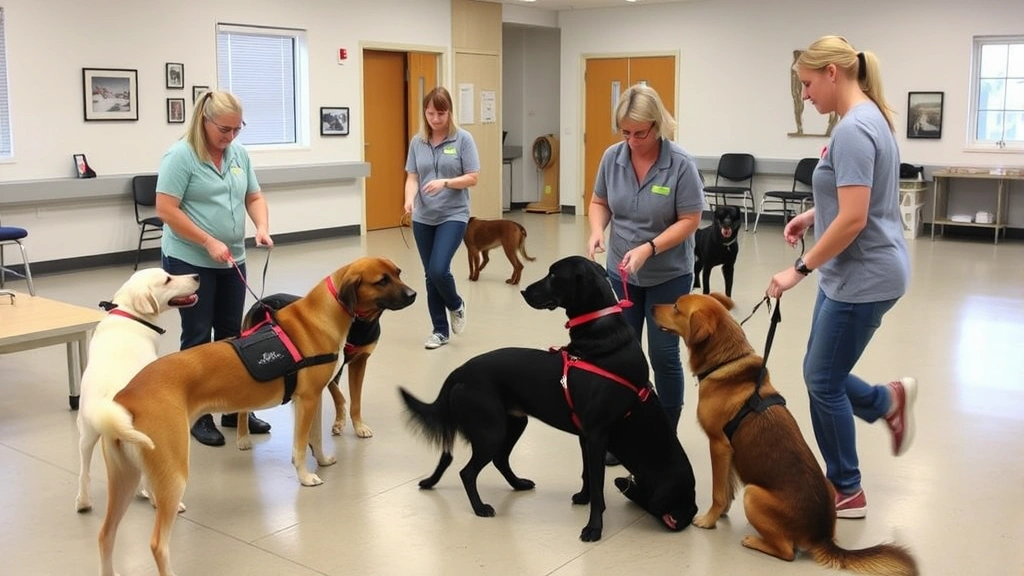
Therapy dog classes are structured educational programs where certified handlers learn to work with trained dogs to provide therapeutic services to clients across various settings. These classes differ fundamentally from pet ownership or dog training classes because they emphasize the therapeutic relationship between handler, dog, and recipient rather than obedience or behavioral correction alone.
Participants in therapy dog classes learn evidence-based techniques for facilitating human-animal interaction, understanding canine body language, maintaining professional boundaries, and recognizing when clients need additional mental health support. The dogs themselves undergo rigorous temperament assessment and training to ensure they remain calm, responsive, and beneficial in therapeutic contexts such as hospitals, nursing homes, schools, and mental health clinics.
A comprehensive therapy dog class curriculum typically covers animal behavior, ethical considerations, documentation practices, and hands-on supervised experience. Graduates emerge equipped to conduct individual and group therapy sessions, integrate animal-assisted therapy into existing treatment plans, and maintain compliance with facility regulations and insurance requirements. This structured approach distinguishes legitimate therapy dog programs from informal pet visitation, ensuring consistent quality and measurable therapeutic outcomes.
Scientific Evidence and Research Findings
Rigorous peer-reviewed research has established that therapy dog interaction produces measurable physiological and psychological changes. Studies published in the American Journal of Public Health demonstrate that petting a dog for just 10-15 minutes significantly reduces cortisol levels—the primary stress hormone—while simultaneously increasing oxytocin and serotonin production.
A landmark study from the Journal of Psychiatric and Mental Health Nursing found that patients receiving animal-assisted therapy showed 35-40% greater improvement in depression symptoms compared to control groups receiving standard care alone. Blood pressure reductions averaging 5-10 mmHg were documented in hypertension patients participating in therapy dog classes, with benefits persisting for hours after sessions concluded.
Research from the American Psychological Association indicates that therapy dogs activate the parasympathetic nervous system—the body’s natural relaxation response—through mechanisms still being investigated. Neuroimaging studies reveal increased activity in brain regions associated with reward, social bonding, and emotional regulation when individuals interact with trained therapy dogs. These findings validate what practitioners have observed clinically: structured therapy dog classes produce genuine therapeutic benefits rather than merely providing pleasant distractions.
Long-term cohort studies tracking therapy dog program participants over 6-12 months show sustained improvements in anxiety, loneliness, and medication compliance. This persistence of benefits suggests that therapy dog classes create lasting neurobiological and psychological changes rather than temporary mood elevation. The evidence base continues expanding as more institutions integrate animal-assisted therapy into standard clinical protocols and fund rigorous outcome research.

Mental Health Benefits
Therapy dog classes produce particularly robust benefits for individuals struggling with anxiety disorders, depression, post-traumatic stress, and social isolation. The non-judgmental presence of a trained therapy dog creates a uniquely safe therapeutic environment where clients often disclose sensitive information more readily than in traditional talk therapy settings.
Anxiety reduction represents one of the most consistently documented benefits. Petting a therapy dog triggers immediate autonomic nervous system changes: heart rate decreases, breathing slows, and muscle tension releases. This physiological calming effect makes therapy dog classes especially valuable for individuals with generalized anxiety, social anxiety, or panic disorder. Clients can practice anxiety management skills in the presence of a grounding, comforting animal, building confidence and coping capacity.
Depression frequently co-occurs with social withdrawal and anhedonia—the inability to experience pleasure. Therapy dog classes interrupt this negative cycle by providing structured social interaction, gentle accountability for attendance, and the specific joy that many people experience when connecting with animals. Dogs offer unconditional acceptance that can be powerfully healing for individuals experiencing shame, guilt, or low self-worth. The responsibility of caring for or interacting with a therapy dog also provides purpose and meaning, protective factors against depression.
For individuals with PTSD and trauma histories, therapy dogs offer grounding and regulation support. The physical sensation of petting a dog anchors clients in the present moment, interrupting traumatic flashbacks. Trained therapy dogs can be taught to respond to signs of distress, providing deep pressure or proximity that activates parasympathetic calming. Combat veterans, trauma survivors, and abuse victims often show remarkable progress when therapy dog classes are integrated into trauma-informed treatment programs.
Loneliness and social isolation have reached epidemic proportions, particularly among elderly populations and individuals with disabilities. Therapy dog classes facilitate social connection by providing natural conversation starters and shared positive experiences. Group therapy dog classes create community among participants while each person benefits from the therapeutic presence of trained animals. This dual mechanism—individual therapeutic benefit plus social connection—makes therapy dog classes especially effective for addressing isolation-related mental health challenges.
Physical Health Improvements
Beyond mental health benefits, therapy dog classes produce measurable improvements in physical health markers. Blood pressure reduction occurs almost immediately upon petting a therapy dog, with systolic readings dropping 5-10 mmHg on average. For individuals with hypertension, regular therapy dog class participation can provide clinically meaningful improvements comparable to some antihypertensive medications.
Heart rate variability—a marker of cardiovascular health and stress resilience—improves significantly with consistent therapy dog interaction. Studies measuring heart rate coherence in therapy dog class participants show enhanced parasympathetic tone and improved autonomic balance. These changes reduce cardiovascular disease risk and improve outcomes for individuals with existing heart conditions.
Immune function strengthens through regular therapy dog engagement. Research documents increased immunoglobulin A production and natural killer cell activity in individuals participating in animal-assisted therapy. These immune enhancements may explain why some therapy dog program participants report fewer infections and faster recovery from illness. The stress-reducing effects of therapy dog classes likely contribute substantially to these immune benefits, as chronic stress is known to suppress immune function.
Pain perception decreases measurably during and after therapy dog interaction. Individuals with chronic pain conditions report lower pain ratings during therapy dog sessions, likely through multiple mechanisms including distraction, endorphin release, and stress reduction. This makes therapy dog classes valuable adjuncts in pain management programs, potentially reducing opioid dependence and improving quality of life for individuals with persistent pain.
Motor coordination and physical rehabilitation progress accelerates in therapy dog class contexts. Individuals recovering from stroke, surgery, or injury often demonstrate greater engagement and motivation during physical therapy integrated with animal-assisted intervention. The positive emotional state induced by therapy dogs may enhance neuroplasticity and recovery trajectories. Occupational and physical therapists increasingly incorporate therapy dogs into rehabilitation protocols, with the American Physical Therapy Association recognizing animal-assisted therapy as an evidence-based intervention option.
Who Can Benefit Most
While therapy dog classes benefit diverse populations, certain groups show particularly robust responses. Elderly individuals experience profound benefits, as therapy dogs address multiple age-related challenges simultaneously: social isolation, depression, cognitive decline, and mobility limitations. Nursing home residents receiving regular therapy dog visits show improved engagement, reduced behavioral symptoms, and better overall quality of life. Therapy dog classes can be adapted for mobility-limited seniors, with dogs brought to participants rather than requiring travel.
Children and adolescents benefit tremendously from therapy dog classes, particularly those with autism spectrum disorder, ADHD, anxiety, and social difficulties. Dogs provide non-verbal communication opportunities and can be trained to respond to specific behaviors, making therapy dog interaction especially valuable for children with speech or language challenges. Schools increasingly integrate therapy dogs into classrooms and counseling offices, recognizing that many children engage more readily with animal-assisted interventions than traditional counseling.
Individuals with disabilities—whether physical, sensory, or developmental—often show significant improvements through therapy dog classes. Blind and low-vision individuals develop enhanced trust and spatial orientation through interaction with mobility-trained therapy dogs. Deaf individuals benefit from the tactile communication possible with therapy dogs. People with intellectual disabilities experience joy, stress reduction, and improved social skills through structured therapy dog engagement.
Veterans and active military personnel represent a rapidly growing beneficiary population, with therapy dog classes specifically designed for PTSD, traumatic brain injury, and military sexual trauma. Programs like Vet Dogs and similar military-focused organizations provide specialized training ensuring therapy dogs effectively support service members’ unique mental health needs. The veteran community has embraced animal-assisted therapy enthusiastically, with waiting lists for therapy dog programs often exceeding available slots.
Individuals in addiction recovery benefit from therapy dog classes as part of comprehensive treatment. The non-judgmental acceptance and unconditional positive regard offered by therapy dogs contrasts sharply with shame and stigma many individuals in recovery experience. Therapy dog classes provide healthy social connection, structure, and meaning-making—all protective factors supporting sustained recovery.
How to Find Quality Therapy Dog Programs
Locating reputable therapy dog classes requires understanding certification standards and program accreditation. The most widely recognized certifying organizations include the Delta Society, Therapy Dogs Inc., and the American Kennel Club’s Therapy Dog program. Programs affiliated with these organizations have met rigorous standards for handler training, dog temperament assessment, and therapeutic outcome tracking.
Verify that therapy dog class instructors hold current certification and maintain liability insurance. Legitimate programs require documented training hours, supervised practice, and demonstrated competency before handlers can work with clients. Ask potential programs for references from healthcare facilities, schools, or organizations where their graduates work. Contact these references directly to assess handler competency and client satisfaction.
Examine the specific curriculum offered. Quality therapy dog classes cover animal behavior, ethical considerations, therapeutic techniques, documentation, and client safety. Programs should address how to recognize when clients require additional mental health intervention and establish clear protocols for referral. Training should include hands-on practice with feedback from experienced supervisors, not merely lecture-based information delivery.
Assess the dogs themselves. Therapy dogs should undergo temperament testing and be cleared for their specific role. Certifying organizations maintain standards for dog health, vaccination status, and behavioral assessment. Ask about the dog selection process and whether the program places dogs based on handler needs and client populations served. Well-designed programs carefully match dogs with handlers and therapeutic contexts.
Consider whether the program addresses your specific needs. Some therapy dog classes focus on hospital settings, others on mental health clinics, schools, or community centers. Specialized programs exist for trauma-informed therapy, geriatric care, and pediatric applications. Identifying programs aligned with your therapeutic goals and client population ensures you receive relevant, applicable training.
Research program costs and accessibility. Quality training involves substantial time and resources, so expect meaningful fees. However, some organizations offer sliding scale rates or scholarships for individuals with financial constraints. Determine whether the program provides ongoing support after certification and whether continuing education is available to maintain and advance your skills.
Certification and Training Standards
Professional certification distinguishes legitimate therapy dog programs from informal pet visitation. The Delta Society’s Pet Partners program, one of the oldest and most respected certifications, requires handlers to complete comprehensive coursework covering human-animal interaction, therapeutic principles, and practical skills. Candidates must pass written examinations and demonstrate competency through supervised practice with clients.
Therapy Dogs Inc. maintains similarly rigorous standards, requiring handlers to complete training specific to their intended therapeutic setting. Their certification process includes evaluation of handler knowledge, dog temperament, and the handler-dog team’s ability to respond appropriately to client needs and facility requirements. Recertification requirements ensure that certified handlers maintain current knowledge and skills.
The American Kennel Club’s Therapy Dog program certifies handler-dog teams through a combination of AKC registration, passing the Canine Good Citizen test, and meeting evaluation standards. While somewhat less intensive than some alternative certifications, AKC Therapy Dog designation provides nationally recognized credibility and opens doors to many healthcare and educational facilities.
Beyond initial certification, professional development through the International Association of Human-Animal Interaction Organizations (IAHAIO) supports evidence-based practice advancement. Continuing education opportunities, conference attendance, and peer consultation ensure that certified handlers remain current with emerging research and best practices. Many professional organizations now require continuing education for recertification, maintaining standards and promoting ongoing learning.
Insurance and liability considerations are critical for anyone working with therapy dogs. Professional liability insurance protects handlers and the organizations where they practice in case of injury or adverse incidents. Reputable therapy dog training programs address insurance requirements explicitly and may provide resources for obtaining appropriate coverage. Facilities hosting therapy dog programs require handlers to maintain adequate liability insurance, making this a practical necessity for professional practice.
Ethical standards form the foundation of legitimate therapy dog practice. Professional codes of conduct emphasize animal welfare, client safety, informed consent, and appropriate boundaries. Handlers must understand when therapy dog intervention is appropriate and when clients require alternative or additional interventions. Ethical practice includes honest assessment of a dog’s well-being and willingness to retire animals from active work when appropriate, prioritizing animal welfare over program continuity.
Frequently Asked Questions
How long does therapy dog training typically take?
Comprehensive therapy dog certification programs usually require 100-200 hours of training spread over 3-6 months. This includes classroom instruction, hands-on practice, supervised client interaction, and evaluation. Some accelerated programs compress content into intensive formats, while others spread training over longer periods. The specific timeline depends on program structure, prior experience, and the intended therapeutic setting. After initial certification, handlers typically commit to ongoing continuing education and practice.
Can any dog become a therapy dog?
Not all dogs possess the temperament and behavioral characteristics necessary for therapy work. Therapy dogs require calm, stable dispositions; comfort with physical handling by strangers; and ability to remain focused despite environmental distractions. Many dogs are wonderful pets but lack the specific qualities needed for therapeutic settings. Reputable therapy dog programs carefully assess candidate dogs and may recommend that some owners pursue pet ownership rather than therapy dog certification. Dogs with aggression histories, extreme anxiety, or health conditions precluding safe client interaction typically cannot become therapy dogs.
Are therapy dog classes covered by insurance?
Coverage varies significantly based on insurance provider, specific plan, and whether therapy dog services are integrated into a licensed therapist’s practice. Some health insurance plans cover animal-assisted therapy when delivered by licensed mental health professionals as part of comprehensive treatment. Veterans’ healthcare systems increasingly cover therapy dog programs for PTSD and related conditions. Individuals should contact their insurance provider directly to determine coverage for specific programs. Many people pay out-of-pocket for therapy dog classes, treating them as healthcare investments similar to fitness or wellness programs.
What’s the difference between therapy dogs and emotional support animals?
Therapy dogs are trained animals working in professional therapeutic contexts under handler supervision, providing benefits to multiple individuals. Emotional support animals (ESAs) provide comfort to individual owners through companionship but receive no formal training and may not be suited for therapeutic settings. Service dogs are trained to perform specific tasks for individuals with disabilities. While all three categories involve human-animal relationships, their training, legal status, and appropriate contexts differ substantially. Only therapy dogs and service dogs require formal certification and training standards.
Can therapy dog classes help with specific conditions like PTSD or autism?
Yes, specialized therapy dog programs address specific conditions. PTSD-focused programs train handlers and dogs to recognize trauma responses and provide grounding support. Autism-specific programs teach handlers to facilitate social interaction and communication through animal-assisted methods. Depression and anxiety programs emphasize stress reduction and emotional regulation techniques. Condition-specific training builds on general therapy dog foundations, adding targeted interventions evidence-based for particular diagnoses. Individuals seeking therapy dog services for specific conditions should seek programs specializing in those areas.
How do I know if a therapy dog program is legitimate?
Verify affiliation with recognized certifying organizations like Delta Society, Therapy Dogs Inc., or American Kennel Club. Check instructor credentials and ask about their training background and experience. Request references from healthcare facilities or organizations where program graduates work. Review curriculum content to ensure it covers animal behavior, ethics, therapeutic techniques, and documentation. Legitimate programs maintain liability insurance and have clear policies regarding dog welfare and client safety. Be cautious of programs making exaggerated claims or offering certification with minimal training requirements.