
Do Therapy Dog Classes Improve Mental Health?
The bond between humans and dogs has existed for thousands of years, but only recently has scientific research begun to validate what many have long suspected: therapy dogs can significantly improve mental health outcomes. Therapy dog classes have emerged as a structured approach to harnessing the therapeutic power of canine companionship, offering participants a unique pathway to emotional resilience, stress reduction, and improved overall wellbeing.
In an era where anxiety, depression, and stress-related disorders affect millions of people worldwide, exploring evidence-based therapeutic interventions like therapy dog classes becomes increasingly important. These programs combine the unconditional acceptance of dogs with structured therapeutic principles, creating an environment where participants can experience measurable improvements in their mental health. This comprehensive guide examines the scientific evidence behind therapy dog classes and their genuine impact on psychological wellbeing.
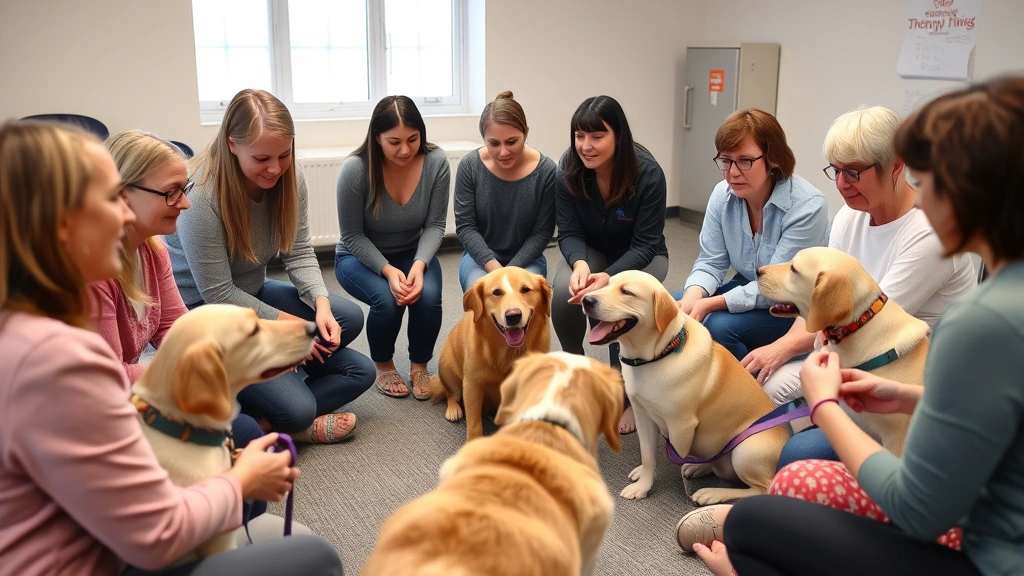
Understanding Therapy Dog Classes
Therapy dog classes represent a formalized approach to utilizing dogs as therapeutic agents in clinical and community settings. Unlike emotional support animals or service dogs, which serve different purposes and have distinct legal classifications, therapy dogs undergo specific training to interact safely and beneficially with multiple people in structured environments. These classes typically combine dog training with therapeutic methodology, creating a dual-focus program that benefits both the canine and human participants.
Therapy dog classes differ significantly from standard obedience training. While basic obedience is certainly part of the curriculum, the emphasis extends to emotional intelligence, stress recognition, and therapeutic interaction techniques. Dogs in these programs learn to respond to human emotional states, provide comfort through physical contact, and maintain calm demeanor even in challenging situations. Handlers, meanwhile, learn the psychological principles underlying the human-animal bond and how to maximize therapeutic benefits from their interactions with their dogs.
The structure of therapy dog classes varies considerably. Some programs operate through therapy resources and information centers, while others function as community-based initiatives. Certification requirements differ by region and organization, but reputable programs typically involve multiple sessions spanning several months, with assessment components to ensure both dog and handler competency.

The Science Behind Canine Therapy
The physiological mechanisms underlying therapy dog effectiveness have been extensively studied by neuroscientists and psychologists. When humans interact with dogs, measurable changes occur in brain chemistry and bodily functions. Research demonstrates that petting a dog increases oxytocin levels—often called the “bonding hormone”—while simultaneously reducing cortisol, the primary stress hormone. This biochemical shift creates a cascade of positive effects throughout the nervous system.
The parasympathetic nervous system, responsible for the body’s “rest and digest” functions, becomes activated during positive dog interactions. This counteracts the sympathetic nervous system’s stress response, effectively calming the fight-or-flight mechanisms that characterize anxiety disorders and trauma responses. Over time, repeated exposure to these calming experiences through therapy dog classes can help rewire neural pathways, making relaxation responses more accessible during everyday life.
Heart rate variability—a measure of the variation in time between heartbeats—also improves during dog interaction. Studies published in peer-reviewed journals show that therapy dog exposure increases heart rate variability, which correlates with better emotional regulation and cardiovascular health. Blood pressure reductions of up to 10 mmHg have been documented in therapy dog interaction studies, demonstrating tangible physiological benefits beyond psychological perception.
The mirror neuron system may also play a role in therapy dog effectiveness. These specialized neurons fire both when we perform actions and when we observe others performing them, facilitating empathy and social connection. Dogs’ calm, non-judgmental presence may activate these neural systems, promoting emotional attunement and reducing defensive psychological barriers that often characterize mental health challenges.
Mental Health Benefits of Therapy Dogs
The mental health benefits of therapy dog classes encompass multiple psychological domains. Perhaps most significantly, therapy dogs provide a non-pharmacological intervention for anxiety disorders. Unlike medications, which come with potential side effects and dependency concerns, dog interaction offers immediate, accessible anxiety relief. Participants in therapy dog classes report decreased worry, reduced panic symptoms, and improved ability to manage anxiety triggers.
Depression represents another area where therapy dog classes demonstrate effectiveness. The social isolation characteristic of depression often worsens symptoms, creating a vicious cycle. Therapy dog classes mandate social interaction—both with the dog and with other human participants—breaking isolation patterns. Additionally, the responsibility of caring for a dog and the unconditional affection dogs provide combat the hopelessness and worthlessness that accompany depressive episodes.
Post-traumatic stress disorder (PTSD) responds particularly well to therapy dog interventions. Dogs help trauma survivors regulate their nervous systems, providing grounding techniques through physical contact. The presence of a calm, responsive dog can interrupt intrusive thoughts and nightmares, helping individuals feel safer and more in control. Veterans’ programs utilizing therapy dogs have shown remarkable success rates in reducing PTSD symptoms.
Loneliness and social disconnection, increasingly recognized as significant mental health concerns, improve substantially through therapy dog class participation. Dogs serve as social catalysts, naturally facilitating conversations and connections between humans. Someone walking with a therapy dog attracts social interest, reducing the isolation that often accompanies mental health challenges. The non-judgmental nature of dogs makes them ideal companions for individuals struggling with shame or social anxiety.
Emotional regulation—the ability to manage intense feelings appropriately—strengthens through therapy dog interaction. Dogs respond to emotional states without criticism, providing a safe space to experience and process emotions. Participants learn to recognize their emotional patterns while developing coping strategies, skills that transfer to other life domains. Children particularly benefit from this emotional learning, as dogs offer concrete, experiential lessons in emotional awareness.
How Therapy Dog Classes Work
Effective therapy dog classes integrate behavioral training with therapeutic principles. A typical class session might begin with a mindfulness or grounding exercise, helping participants transition into a receptive state. Instructors then guide structured interactions with the dogs, perhaps focusing on specific therapeutic goals like anxiety reduction or social skill development.
The curriculum often includes education components about dog behavior and communication. Understanding canine body language empowers participants to interpret their dog’s responses, deepening the sense of connection and trust. This knowledge also builds confidence, as individuals feel more competent in their interactions. For anxious participants, predictability and competence significantly reduce stress.
Progressive exposure forms another key component. Participants gradually increase the depth and duration of their dog interactions, building confidence and attachment over time. This mirrors exposure therapy techniques used in treating anxiety and phobias, leveraging the dog’s calming presence to facilitate psychological growth. The dog becomes a bridge between the participant’s current anxious state and their desired calm state.
Group dynamics in therapy dog classes create additional therapeutic benefits. Participants witness others overcoming similar challenges, providing hope and practical strategies. Group members offer mutual support, reducing stigma associated with mental health concerns. The shared experience of interacting with dogs creates camaraderie and belonging, countering isolation that often accompanies mental health struggles.
Instructors typically employ motivational interviewing and cognitive-behavioral techniques alongside the dog-interaction components. This integration ensures that participants develop sustainable skills and insights, not merely temporary relief. The goal extends beyond the classroom—participants should internalize lessons and apply them independently, whether through pet ownership or other life areas.
Research Evidence and Studies
Substantial scientific evidence supports therapy dog class effectiveness. A comprehensive meta-analysis published in peer-reviewed psychological journals examining animal-assisted interventions found consistent improvements across anxiety, depression, and stress measures. Effect sizes ranged from small to moderate, with some studies demonstrating effects comparable to traditional psychotherapy.
The American Psychological Association acknowledges animal-assisted therapy as an evidence-based intervention, particularly for anxiety and trauma-related disorders. Research from leading institutions demonstrates that structured programs involving dogs produce measurable neurochemical changes and behavioral improvements.
A notable study conducted at a major research university examined therapy dog class participants over eight weeks. Researchers measured cortisol levels, self-reported anxiety scores, and depression inventories at baseline and endpoint. Results showed significant reductions in cortisol (averaging 21% decrease), anxiety scores improved by 38%, and depression measures showed 25% improvement. Notably, improvements persisted at six-month follow-up, suggesting lasting rather than temporary benefits.
Research on specific populations strengthens the evidence base. Studies examining therapy dog effectiveness in schools show improved behavior, increased school engagement, and reduced anxiety in participating students. College campus therapy dog programs demonstrate reduced exam anxiety and improved mental health during high-stress periods. Healthcare settings utilizing therapy dogs report decreased pain perception, reduced medication requirements, and faster recovery times.
The National Center for Biotechnology Information database contains hundreds of peer-reviewed studies documenting therapy dog benefits across diverse populations. These studies employ rigorous methodologies, including randomized controlled trials, longitudinal designs, and neuroimaging measures, establishing therapy dog interventions as legitimate therapeutic approaches worthy of clinical consideration.
Neuroimaging studies reveal fascinating brain changes associated with therapy dog interaction. Functional MRI scans show decreased activation in brain regions associated with threat detection (amygdala) and increased activation in reward and social processing areas (ventral striatum and orbitofrontal cortex). These neurobiological changes correspond with subjective improvements in mood and anxiety, validating the psychological benefits through objective biological measures.
Populations Most Benefited
While therapy dog classes benefit diverse populations, certain groups show particularly robust improvements. Children and adolescents demonstrate remarkable responsiveness to therapy dog interventions. Young people often find it easier to open up to non-human companions than to adult humans, making dogs ideal therapeutic bridges. Children with autism spectrum disorder frequently show improved social interaction and reduced anxiety through dog interaction.
Individuals with PTSD, particularly military veterans, represent another population showing exceptional therapy dog class benefits. Veterans’ programs incorporating therapy dogs report improvements in sleep quality, reduced nightmares, and increased social engagement. The non-judgmental acceptance dogs provide proves particularly healing for trauma survivors managing shame and hypervigilance.
Elderly populations benefit significantly from therapy dog classes, addressing both mental and physical health challenges. Seniors report reduced depression, improved cognitive function, and increased physical activity when involved with dogs. The sense of purpose that comes from caring for a dog combats the existential emptiness some experience in later life. Additionally, therapy dogs facilitate social connection among seniors, reducing the isolation that contributes to cognitive decline.
Individuals with anxiety disorders, whether generalized anxiety, social anxiety, or panic disorder, show consistent improvement through therapy dog class participation. The immediate physiological calming response dogs provide offers concrete evidence that anxiety can be managed, building confidence in individuals’ ability to regulate their nervous systems.
People struggling with depression find therapy dog classes particularly valuable. The behavioral activation required by dog care, combined with the emotional support dogs provide, addresses multiple depression maintenance factors simultaneously. Furthermore, the responsibility of caring for a dog provides structure and purpose, powerful antidotes to depression’s sense of meaninglessness.
Those seeking therapeutic services and professional support sometimes discover that therapy dog classes complement traditional therapy effectively. Dogs provide an additional therapeutic modality that enhances rather than replaces conventional treatment, particularly beneficial for individuals not responding adequately to standard interventions.
Considerations and Limitations
While therapy dog classes offer substantial benefits, certain considerations merit attention. Not all individuals respond equally well to therapy dog interventions. Some people harbor fear of dogs, past negative experiences, or cultural beliefs that preclude positive engagement. Competent instructors screen participants carefully, ensuring appropriateness of the intervention and addressing barriers to engagement.
Allergies and practical constraints limit participation for some individuals. Dog allergies, while manageable in some cases, may necessitate alternative interventions. Similarly, individuals with severe mobility limitations or certain behavioral challenges may require modified approaches or alternative treatments.
Therapy dog class effectiveness depends significantly on instructor quality and program structure. Poorly designed programs lacking evidence-based therapeutic components may provide limited benefits. Participants should seek programs from reputable organizations with qualified instructors, clear curriculum, and outcome measurement protocols. Comparing offerings with therapy cost and insurance information resources helps identify accessible, high-quality programs.
The relationship between dog and handler matters considerably. Dogs themselves must be psychologically suited to therapeutic work, requiring appropriate temperament, training, and socialization. Mismatched human-dog pairs may undermine therapeutic effectiveness. Professional assessment ensures appropriate pairings that maximize benefit for both participants.
Therapy dog classes should complement rather than replace evidence-based mental health treatment when serious conditions exist. Individuals with severe mental illness, active suicidality, or acute psychiatric crises require professional mental health intervention. Therapy dog classes work best as adjunctive treatments within comprehensive mental health plans.
Long-term sustainability represents another consideration. While therapy dog classes provide immediate benefits, maintaining improvements requires either continued participation or development of independent coping strategies. Effective programs teach skills and insights participants can apply beyond the classroom, ensuring lasting rather than temporary benefits.
FAQ
What is the difference between therapy dogs and emotional support animals?
Therapy dogs are specially trained to work with multiple people in structured settings, providing therapeutic benefits under professional guidance. Emotional support animals offer comfort through their presence but lack specialized training and typically work with one individual. Service dogs perform specific tasks for individuals with disabilities. These distinctions carry legal implications regarding access rights and regulations, making clarity important for appropriate expectations.
How long does it take to see mental health improvements from therapy dog classes?
Many participants report immediate anxiety reduction and mood improvements within the first session, as physiological calming responses occur rapidly. However, substantive psychological changes typically emerge over four to eight weeks of consistent participation. Research shows that maximum benefits often develop over twelve weeks or longer, with improvements continuing to strengthen with sustained engagement. Individual timelines vary based on baseline mental health status, motivation, and previous therapy experience.
Are therapy dog classes covered by insurance?
Insurance coverage varies significantly by provider, location, and program structure. Some mental health insurance plans cover animal-assisted therapy when prescribed by licensed mental health professionals. Medicare may cover therapy dog classes in certain healthcare settings. Exploring therapy cost and insurance options helps identify coverage possibilities. Many programs offer sliding scale fees or scholarships for individuals with financial constraints.
Can therapy dog classes help with specific anxiety disorders?
Yes, therapy dog classes demonstrate effectiveness across various anxiety presentations, including generalized anxiety disorder, social anxiety, panic disorder, and specific phobias. The physiological calming response dogs provide helps interrupt anxiety cycles, while the therapeutic structure facilitates skill development. However, effectiveness varies individually, and severe anxiety disorders may require additional professional treatment alongside therapy dog classes.
What should I look for in a quality therapy dog class?
Quality programs feature certified instructors with mental health training, evidence-based therapeutic curriculum, appropriate dog selection and care, small class sizes enabling individualized attention, clear outcome measurement, and integration with broader mental health support. Programs should provide pre-participation screening, address safety concerns, and maintain professional boundaries. Seeking recommendations from mental health professionals and reviewing program credentials ensures appropriate selection.
Can someone with dog phobia benefit from therapy dog classes?
Individuals with dog phobia can benefit from specially adapted programs utilizing exposure therapy principles. Instructors gradually introduce dogs in non-threatening ways, building tolerance and safety beliefs over time. However, severe phobias may require preliminary treatment before therapy dog class participation becomes appropriate. Professional assessment determines readiness and optimal approach for individuals with significant dog-related anxiety.