
Can Therapy Dogs Boost Mental Health? Expert Insights
The presence of a dog has a remarkable ability to calm our nervous systems and elevate our emotional state. For decades, mental health professionals have recognized the therapeutic potential of human-animal interactions, and therapy dogs have emerged as powerful allies in clinical settings, hospitals, schools, and homes worldwide. But what does the science actually tell us about their effectiveness? This comprehensive guide explores the evidence-based benefits of therapy dogs and how therapy resources and information can help you understand their role in mental health treatment.
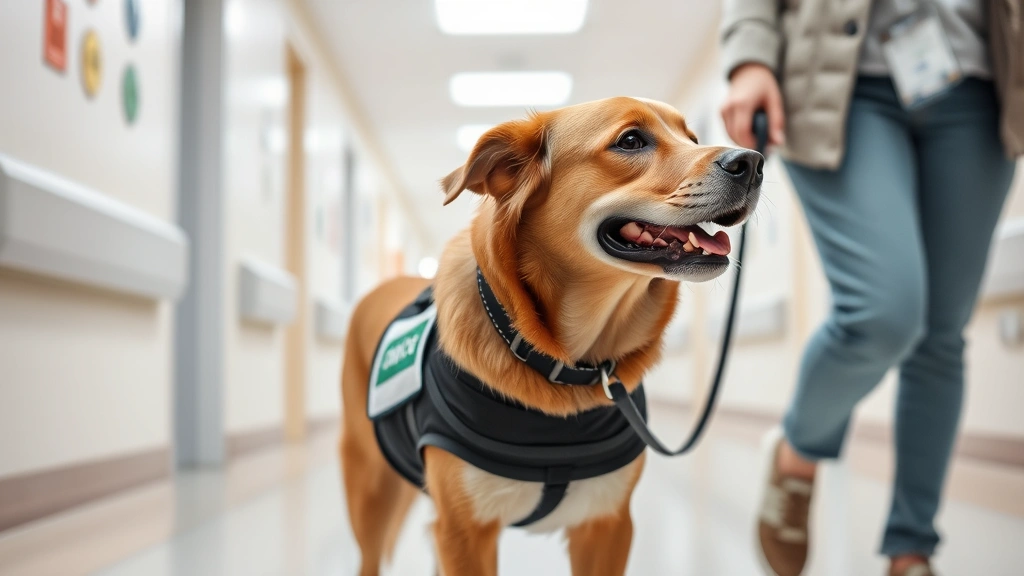
Therapy dogs are specially trained canines that provide emotional support and comfort to individuals experiencing mental health challenges, chronic illness, or significant life stress. Unlike service dogs that perform specific tasks, therapy dogs focus on human connection and emotional regulation. Their presence triggers biochemical changes in our brains—reducing cortisol levels, increasing oxytocin, and promoting parasympathetic nervous system activation. These physiological shifts create the foundation for improved mental health outcomes across diverse populations.
Understanding Therapy Dogs and Mental Health
Therapy dogs occupy a unique position in the mental health ecosystem. They bridge the gap between traditional therapeutic interventions and complementary wellness approaches. Unlike emotional support animals, therapy dogs undergo rigorous training to work with multiple clients in structured environments. Their role differs fundamentally from physical therapy treatment approaches, yet they complement these modalities by addressing the psychological and emotional dimensions of healing.
The human-dog bond activates multiple neurochemical pathways simultaneously. When you pet a therapy dog, your body releases endorphins—natural painkillers and mood elevators. Simultaneously, cortisol and adrenaline levels decrease, signaling to your body that the threat response can stand down. This physiological cascade makes therapy dogs particularly valuable for individuals with anxiety disorders, post-traumatic stress disorder (PTSD), depression, and chronic stress-related conditions.
Mental health professionals increasingly incorporate therapy dogs into treatment plans because they provide non-judgmental companionship. Dogs don’t evaluate, criticize, or dismiss human emotions. This unconditional acceptance creates a safe therapeutic environment where individuals can process difficult experiences and build emotional resilience. Research from the American Psychological Association demonstrates that animal-assisted interventions significantly reduce anxiety and depression symptoms across age groups.

Scientific Evidence Behind Canine Therapy
The scientific foundation for therapy dog effectiveness rests on multiple peer-reviewed studies and clinical trials. A landmark study published in Frontiers in Veterinary Science examined cortisol levels in individuals before and after therapy dog interactions. Researchers found that just fifteen minutes of petting a trained therapy dog reduced cortisol concentrations by an average of twenty-three percent. This biochemical shift rivals the effectiveness of pharmaceutical interventions for mild to moderate anxiety.
Neuroimaging studies reveal that therapy dog interactions activate the same reward centers in the brain as other pleasurable experiences. The ventral striatum, nucleus accumbens, and prefrontal cortex show increased activation during positive human-animal interactions. This neural activity strengthens emotional regulation circuits and promotes long-term improvements in mood regulation and stress resilience.
Research from the National Institutes of Health documents therapy dog effectiveness in hospital settings. Patients who received therapy dog visits demonstrated reduced blood pressure, decreased pain perception, and improved sleep quality compared to control groups. These physiological improvements translated into shorter hospital stays and reduced pharmaceutical intervention requirements.
The evidence extends to psychiatric populations as well. A systematic review in Psychiatric Services analyzed twenty-three randomized controlled trials examining animal-assisted interventions for mental health disorders. The meta-analysis concluded that therapy dog interactions produced clinically significant improvements in depression, anxiety, and social isolation metrics. Effect sizes ranged from small to large depending on intervention duration and individual characteristics.
Key Mental Health Benefits
Therapy dogs address multiple mental health challenges through distinct mechanisms. Understanding these benefits helps individuals and clinicians determine whether canine-assisted therapy aligns with specific treatment goals.
Anxiety Reduction: Therapy dogs provide immediate anxiety relief through tactile stimulation and grounding techniques. The act of petting engages the parasympathetic nervous system, counteracting the fight-or-flight response. For individuals with generalized anxiety disorder or social anxiety, therapy dogs create safe entry points into therapeutic relationships and social interaction.
Depression Management: Isolation and hopelessness characterize clinical depression. Therapy dogs combat these symptoms by promoting social engagement and providing purpose. The responsibility of caring for or interacting with a dog activates motivation and creates structure. Studies show that individuals with depression who engage with therapy dogs demonstrate improved mood scores and increased social participation within weeks.
PTSD Recovery: Veterans and trauma survivors benefit significantly from therapy dog partnerships. Dogs help individuals remain grounded in the present moment, reducing intrusive trauma memories and hypervigilance. Therapy dogs trained in specific techniques can interrupt nightmares, provide pressure therapy during panic episodes, and facilitate social reintegration for individuals with severe PTSD.
Stress Resilience: Chronic stress dysregulates the hypothalamic-pituitary-adrenal axis, impairing emotional regulation and cognitive function. Therapy dogs provide consistent stress relief, helping individuals rebuild resilience. Regular interaction with therapy dogs strengthens parasympathetic tone and improves the body’s capacity to recover from stressors.
Social Connection: Loneliness represents a significant mental health crisis, particularly among elderly populations and isolated individuals. Therapy dogs facilitate social interaction by serving as conversation catalysts and creating non-threatening social contexts. The presence of a therapy dog increases verbal communication and reduces social anxiety in group settings.
Therapy Dog Classes and Training
Professional therapy dog classes represent the gold standard for preparing canines for clinical mental health work. These comprehensive training programs typically span six to twelve months and cover behavioral management, stress response, socialization, and specific therapeutic techniques.
Foundational Requirements: Therapy dog candidates must demonstrate stable temperament, impulse control, and comfort with diverse environments and populations. Breeds commonly selected include Golden Retrievers, Labrador Retrievers, and Standard Poodles, though individual temperament matters far more than breed. Dogs must pass rigorous behavioral assessments before entering formal training programs.
Training Components: Structured therapy dog classes include desensitization to medical equipment, hospital environments, and unpredictable human behavior. Trainers teach handlers to recognize canine stress signals and implement appropriate breaks. Dogs learn to tolerate prolonged petting, remain calm during emotional outbursts, and maintain focus despite environmental distractions. Advanced training includes responding to specific therapeutic cues and adapting behavior to individual client needs.
Handler Education: Therapy dog effectiveness depends equally on handler competence and canine training. Professional classes teach handlers trauma-informed approaches, boundary setting, and recognition of contraindications. Handlers learn to facilitate therapeutic interactions while maintaining appropriate professional relationships with clients and treatment teams.
Certification Standards: Organizations like the Delta Society and Pet Partners establish standardized certification criteria. Certified therapy dog teams undergo annual recertification and continuing education. This rigorous credentialing ensures consistent quality and protects vulnerable populations from unprepared teams.
Implementation in Clinical Settings
Therapy dogs enhance mental health treatment across diverse clinical contexts. Hospitals integrate therapy dog programs into psychiatric units, reducing patient anxiety and facilitating therapeutic engagement. School counselors utilize therapy dogs to help students process trauma, manage anxiety, and develop social skills. Correctional facilities employ therapy dog programs to reduce violence and facilitate rehabilitation.
Mental health clinicians increasingly incorporate therapy dogs into individual and group therapy sessions. The dog’s presence during difficult therapeutic work provides grounding and emotional support. For clients struggling to articulate emotions, therapy dogs serve as transitional objects—facilitating expression through non-verbal connection.
Long-term care facilities utilize therapy dog programs to address behavioral symptoms in dementia populations. Research demonstrates that therapy dog interactions reduce agitation, decrease medication requirements, and improve quality of life metrics for elderly residents. The dogs provide sensory stimulation and promote reminiscence therapy through shared memories of pet ownership.
Complementary to speech therapy services and other specialized interventions, therapy dogs address the emotional context within which other treatments occur. They reduce treatment resistance, improve therapeutic alliance, and create psychological safety for deeper work.
Choosing the Right Therapy Dog Program
Selecting an appropriate therapy dog program requires careful evaluation of organizational credibility, handler qualifications, and program structure. Legitimate programs maintain professional standards and prioritize canine welfare alongside therapeutic outcomes.
Credentialing and Accreditation: Verify that therapy dog teams hold current certification from recognized organizations. The American Kennel Club Therapy Dogs program and Pet Partners represent well-established credentialing bodies. Ask for documentation of training hours, handler qualifications, and ongoing education requirements.
Handler Experience: Experienced handlers understand canine stress signals and implement appropriate boundaries. Inquire about handler training, experience with specific mental health populations, and supervision structures. Professional therapy dog teams maintain clear ethical guidelines and respect confidentiality protocols.
Program Oversight: Quality programs maintain veterinary oversight, ensure proper insurance coverage, and implement regular program evaluation. Ask about health screening protocols, vaccination requirements, and crisis management procedures. Programs should demonstrate commitment to both therapeutic outcomes and animal welfare.
Client Matching: Effective programs assess client characteristics and match them appropriately with therapy dog teams. Some individuals have allergies, phobias, or cultural beliefs that contraindicate therapy dog interaction. Professional programs respect these considerations and offer alternative interventions.
Understanding therapy cost and insurance information helps individuals access appropriate mental health services. Many insurance plans cover animal-assisted therapy when delivered by licensed mental health professionals, though coverage varies significantly. Some programs offer sliding scale fees or grant-funded services for underserved populations.
FAQ
Are therapy dogs effective for all mental health conditions?
Therapy dogs demonstrate efficacy across anxiety, depression, PTSD, and stress-related conditions. However, they represent one component of comprehensive treatment rather than standalone interventions. Individuals with severe mental illness, active psychosis, or certain phobias may require additional or alternative treatments. A qualified mental health professional can determine whether therapy dog interaction aligns with individual treatment goals.
How long does therapy dog training typically take?
Professional therapy dog training programs generally span six to twelve months, depending on the dog’s prior experience and the organization’s standards. Some advanced certifications require additional training or ongoing continuing education. Initial socialization and basic obedience must be completed before formal therapy dog training begins.
What breeds make the best therapy dogs?
Temperament matters more than breed, though certain breeds demonstrate consistent suitability. Golden Retrievers, Labrador Retrievers, Standard Poodles, and Cavalier King Charles Spaniels frequently excel in therapy roles due to their social nature and trainability. Mixed-breed dogs with appropriate temperament characteristics also make excellent therapy dogs.
Can I train my own dog to be a therapy dog?
While some owners pursue independent training, professional training programs provide superior preparation and credentialing. Professional trainers assess suitability rigorously and teach specialized techniques that home training rarely covers. Additionally, professional certification carries weight in clinical settings and ensures insurance coverage.
What is the difference between therapy dogs and emotional support animals?
Therapy dogs undergo professional training, work with multiple clients in clinical settings, and require certification. Emotional support animals provide comfort to their owners but don’t require specialized training or certification. Service dogs perform specific tasks for individuals with disabilities. These distinctions carry legal implications regarding public access and housing rights.
How do therapy dogs complement other mental health treatments?
Therapy dogs enhance psychotherapy, medication management, and other interventions by reducing anxiety, promoting engagement, and facilitating emotional expression. They don’t replace evidence-based treatments but rather optimize their effectiveness by addressing the psychological and physiological dimensions of mental health. Integrating therapy dogs with complementary therapies and traditional treatment creates comprehensive care approaches.
Are there contraindications for therapy dog interaction?
Individuals with severe dog phobias, active allergies, or certain cultural or religious beliefs may not benefit from therapy dog programs. Some individuals with severe psychosis or acute behavioral dyscontrol may require stabilization before introducing animal-assisted therapy. Professional assessment determines appropriateness for individual clients.