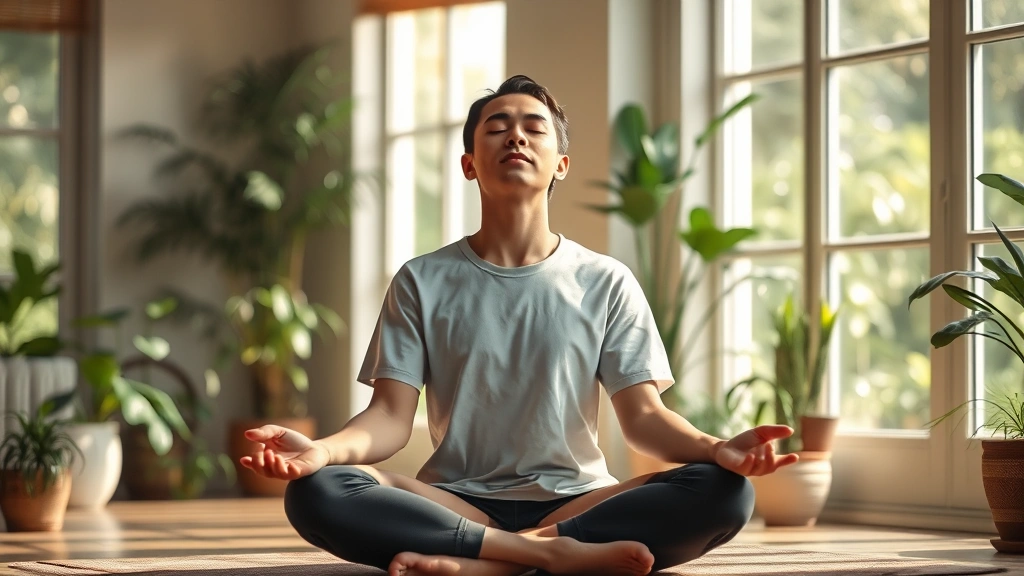
Mindfulness: Can It Boost Mental Health? Studies Reveal
The modern world moves at an unprecedented pace, leaving many people feeling overwhelmed, anxious, and disconnected from their own wellbeing. In response, mindfulness has emerged as one of the most researched and recommended practices for improving mental health outcomes. But what does the scientific evidence actually say? Can mindfulness truly boost your mental health, or is it simply another wellness trend destined to fade away?
Recent studies from leading research institutions and clinical trials provide compelling evidence that mindfulness practices offer measurable benefits for anxiety, depression, stress management, and overall psychological resilience. Understanding these findings can help you determine whether mindfulness might be a valuable addition to your mental health toolkit, whether used alongside professional therapy cost considerations or as a standalone practice.
What Is Mindfulness and How Does It Work?
Mindfulness is the practice of maintaining present-moment awareness without judgment. Rather than dwelling on past regrets or future worries, mindfulness encourages you to observe your thoughts, feelings, and bodily sensations as they arise, acknowledging them without attempting to change or suppress them. This deceptively simple practice has roots in Buddhist meditation traditions dating back over 2,500 years, though modern secular mindfulness developed significantly through the work of Jon Kabat-Zinn and the Mindfulness-Based Stress Reduction (MBSR) program at the University of Massachusetts Medical School.
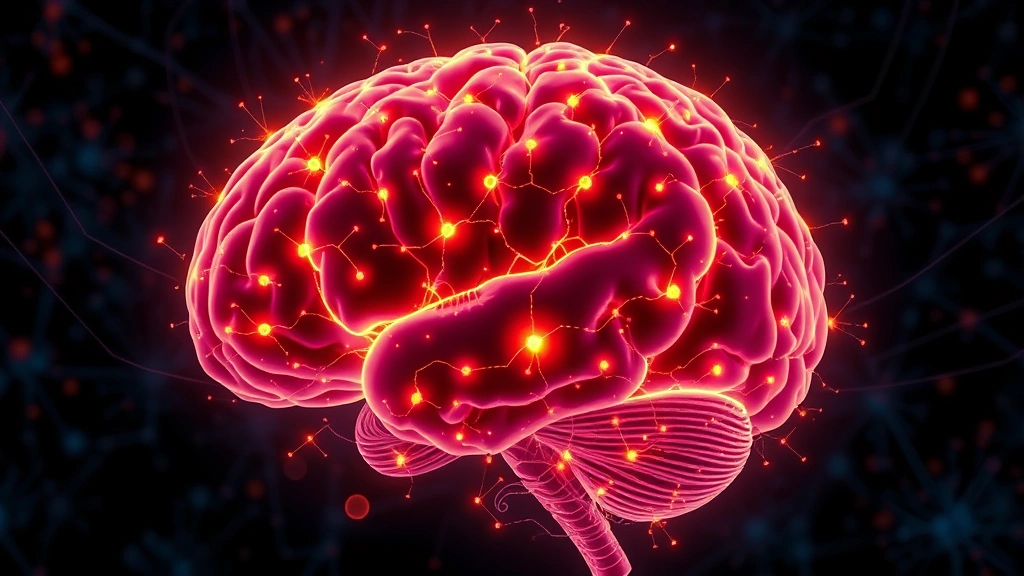
The mechanism behind mindfulness’s effectiveness lies in how it influences brain activity and nervous system regulation. When you practice mindfulness, you activate the parasympathetic nervous system—your body’s natural relaxation response—while simultaneously reducing activity in the amygdala, the brain region responsible for processing fear and emotional reactivity. This neurobiological shift has been documented through functional MRI studies, showing that regular mindfulness practitioners develop measurable changes in brain structure and connectivity patterns associated with emotional regulation and self-awareness.
Unlike some mental health interventions that require external resources or professional intervention, mindfulness can be practiced anywhere, anytime, making it an accessible tool for individuals seeking to enhance their psychological wellbeing. Whether you’re interested in formal meditation sessions or informal mindfulness practices integrated into daily activities, the flexibility of this approach contributes to its widespread adoption and research interest.
Scientific Evidence Supporting Mindfulness
The scientific community has invested considerable effort in validating mindfulness’s mental health benefits through rigorous research methodologies. A landmark meta-analysis published in JAMA Psychiatry examined 47 trials involving over 3,500 participants and found that mindfulness-based interventions produced improvements in anxiety and depression comparable to pharmaceutical treatments for some individuals. This finding is particularly significant because it suggests mindfulness can serve as either a complementary or alternative approach to traditional therapy modalities.
Research from the National Institutes of Health has documented that mindfulness practice increases gray matter density in brain regions associated with learning, memory, and emotional regulation. Additionally, studies show that mindfulness reduces cortisol—the primary stress hormone—and decreases inflammatory markers linked to various mental and physical health conditions. The consistency of these findings across independent research teams and diverse populations strengthens the evidence base considerably.
A particularly compelling study conducted at Georgetown University Medical Center demonstrated that individuals with generalized anxiety disorder who participated in an eight-week mindfulness-based stress reduction program showed sustained improvements in anxiety symptoms for up to one year following the intervention. These results suggest that mindfulness produces lasting changes rather than temporary relief, supporting its use as a foundational mental health practice.
When considering how mindfulness fits into a comprehensive mental health approach, many individuals also explore professional therapy resources and information to determine the best combination of treatments for their specific needs.
Mindfulness for Anxiety and Stress Reduction
Anxiety disorders represent one of the most prevalent mental health conditions, affecting millions of people worldwide. Traditional treatments include cognitive-behavioral therapy (CBT) and pharmaceutical interventions, but mindfulness-based approaches have demonstrated remarkable efficacy in reducing anxiety symptoms. The mechanism appears to involve breaking the cycle of anxious thoughts and worry by teaching individuals to observe their anxious patterns without becoming entangled in them.
Mindfulness-Based Stress Reduction (MBSR) programs, which typically consist of eight weekly sessions plus a full-day retreat, have shown consistent effectiveness for anxiety reduction. Participants learn various techniques including body scan meditation, sitting meditation, and mindful movement, all designed to cultivate present-moment awareness and interrupt the automatic worry patterns that perpetuate anxiety. Research indicates that these programs produce effect sizes comparable to standard pharmacological treatments, with some studies showing even greater sustained benefits.
The beauty of mindfulness for anxiety management lies in its empowering nature. Rather than relying solely on external interventions, individuals develop an internal capacity to regulate their nervous system and respond to anxiety with greater equanimity. This skill-building aspect makes mindfulness particularly valuable for individuals seeking to develop long-term resilience and independence from anxiety symptoms.
For those interested in exploring mindfulness alongside other therapeutic approaches, understanding speech therapy near me and other local mental health resources can help you build a comprehensive support system.
Impact on Depression and Mood Disorders
Depression represents another major focus of mindfulness research, with particularly promising results emerging from studies of Mindfulness-Based Cognitive Therapy (MBCT). Originally developed to prevent depressive relapse in individuals with recurrent depression, MBCT combines mindfulness practices with cognitive-behavioral principles to help individuals recognize and interrupt depressive thought patterns before they develop into full episodes.
A landmark study published in The Lancet found that MBCT was as effective as maintenance antidepressant medication in preventing depressive relapse among individuals with a history of recurrent depression. This finding has profound implications, suggesting that mindfulness-based interventions can serve as a viable alternative or adjunct to pharmaceutical treatment for depression management. Participants in the study showed sustained benefits, with relapse rates remaining lower even after the formal intervention concluded.
The mechanism through which mindfulness addresses depression involves several interconnected processes. First, mindfulness reduces rumination—the repetitive, negative thinking pattern central to depression’s maintenance. Second, it increases behavioral activation by helping individuals notice and engage in valued activities despite depressive symptoms. Third, mindfulness cultivates self-compassion, directly counteracting the harsh self-criticism and shame that often accompany depression.
For individuals experiencing depression, the combination of mindfulness practice with professional physical therapy treatment cerebral palsy or other therapeutic modalities may provide comprehensive support addressing both mental and physical health dimensions.

Mindfulness in Clinical Practice
The integration of mindfulness into clinical practice reflects growing recognition of its therapeutic value. Major medical institutions, including the Mayo Clinic and Johns Hopkins Medicine, now offer mindfulness-based programs as part of their mental health treatment portfolios. Clinical psychologists increasingly incorporate mindfulness principles into their practice, recognizing how these techniques complement and enhance traditional therapeutic approaches.
Insurance companies and healthcare systems have begun covering mindfulness-based interventions, acknowledging both their efficacy and cost-effectiveness. MBSR and MBCT programs have become standardized treatments in many healthcare settings, with training protocols ensuring consistent quality and evidence-based delivery. This institutional adoption reflects the substantial body of research validating mindfulness’s mental health benefits.
The clinical application of mindfulness extends beyond anxiety and depression to address trauma, chronic pain, substance use disorders, eating disorders, and various other mental health conditions. This broad applicability stems from mindfulness’s fundamental mechanism—teaching individuals to develop a different relationship with their internal experiences rather than attempting to eliminate or avoid unwanted thoughts and feelings.
Healthcare providers often recommend exploring red light therapy near me and other complementary approaches in conjunction with mindfulness practices for comprehensive mental health support.
Practical Mindfulness Techniques for Daily Life
Implementing mindfulness doesn’t require extensive training or special equipment. Several accessible techniques can be integrated into your daily routine immediately:
- Sitting Meditation: Find a quiet space, sit comfortably, and focus your attention on your breath. When your mind wanders—which it inevitably will—gently redirect your attention back to breathing without self-judgment. Beginning with just five to ten minutes daily can establish a foundation for practice.
- Body Scan Meditation: Systematically move your attention through different body regions, noticing sensations without trying to change them. This practice cultivates interoceptive awareness and helps identify areas where you habitually hold tension.
- Mindful Walking: Transform ordinary walking into a meditation practice by focusing on the physical sensations of each step, the rhythm of your movement, and your surroundings. This technique seamlessly integrates mindfulness into activities you already perform daily.
- Mindful Eating: Slow down during meals to notice colors, aromas, textures, and flavors. This practice not only enhances eating enjoyment but also improves digestion and promotes healthier food choices.
- Loving-Kindness Meditation: Direct compassionate wishes toward yourself and others in a structured sequence. Research shows this practice increases positive emotions and social connection while reducing self-criticism.
- Mindful Breathing Techniques: Simple breathing exercises like box breathing (inhale for four counts, hold for four, exhale for four, hold for four) activate your parasympathetic nervous system and provide immediate stress relief.
Consistency matters more than duration when developing a mindfulness practice. Research suggests that practicing for even ten to fifteen minutes daily produces measurable mental health benefits, while sporadic longer sessions provide less sustained improvement. Most individuals benefit from combining formal meditation practice with informal mindfulness—bringing present-moment awareness to routine activities throughout the day.
Combining Mindfulness with Professional Treatment
While mindfulness offers substantial mental health benefits, it works optimally when integrated with comprehensive treatment approaches. For individuals with significant mental health conditions, combining mindfulness practice with professional therapy, medication when appropriate, and lifestyle modifications creates a robust treatment plan addressing multiple dimensions of wellbeing.
Mental health professionals often recommend mindfulness as a complement to evidence-based psychotherapies like cognitive-behavioral therapy, dialectical behavior therapy, and acceptance and commitment therapy. These combinations leverage mindfulness’s mechanisms for emotional regulation while incorporating other therapeutic techniques for addressing specific issues. For individuals seeking career development in mental health fields, exploring occupational therapy jobs can provide pathways to professional involvement in therapeutic practice.
The decision to incorporate mindfulness into your mental health approach should involve consultation with qualified mental health professionals who can assess your specific needs and recommend appropriate interventions. Some individuals may benefit primarily from mindfulness, while others require medication, intensive therapy, or hospitalization alongside mindfulness practice. A personalized approach considering your unique circumstances, symptom severity, and treatment history produces the most favorable outcomes.
Research from the American Psychological Association emphasizes that mindfulness should not be viewed as a replacement for professional mental health treatment when such treatment is clinically indicated. Rather, mindfulness serves as a valuable tool that individuals can use to enhance their overall mental health and resilience, often making formal therapy more effective by developing greater self-awareness and emotional regulation capacity.
FAQ
How long does it take for mindfulness to improve mental health?
Many individuals notice improvements in anxiety and stress levels within the first few weeks of regular practice, though more substantial benefits typically emerge after eight weeks of consistent engagement. Depression symptoms often require longer to shift, with research suggesting meaningful improvements occur over two to three months of regular practice. Individual variation is significant, with some people experiencing rapid benefits while others require extended practice before noticing substantial changes.
Can mindfulness replace psychiatric medication?
For some individuals with mild to moderate anxiety or depression, mindfulness-based interventions produce outcomes comparable to medication. However, mindfulness should not be discontinued without professional guidance, and many individuals benefit from combining mindfulness with appropriate pharmacological treatment. This decision should always involve consultation with qualified psychiatrists or physicians who can assess your specific situation.
What’s the difference between mindfulness and meditation?
Meditation is a formal practice where you dedicate specific time to cultivating present-moment awareness, while mindfulness is the quality of awareness itself—something you can bring to any activity. You can meditate without being particularly mindful, and you can practice mindfulness without formal meditation. Both contribute to mental health benefits, though research suggests combining them produces optimal results.
Are there any risks or downsides to mindfulness practice?
For most people, mindfulness is safe and beneficial. However, some individuals with certain trauma histories or psychotic disorders may experience adverse effects from intensive meditation practices. Starting with shorter sessions, working with experienced instructors, and consulting with mental health professionals helps minimize potential risks. Mindfulness should complement rather than replace professional treatment for serious mental health conditions.
How does mindfulness compare to other mental health interventions?
Research indicates that mindfulness-based interventions produce outcomes comparable to cognitive-behavioral therapy and medication for many conditions, with the advantage of minimal side effects and cost-effectiveness. The most robust results typically emerge when mindfulness is combined with other evidence-based treatments rather than used as a sole intervention, particularly for moderate to severe mental health conditions.