
Stem Cell Therapy for Back Pain Relief: Does It Really Work?
Back pain affects millions of people worldwide, with chronic cases significantly impacting quality of life and productivity. Traditional treatment approaches—from physical therapy to surgical interventions—have helped many patients, but results vary considerably. In recent years, stem cell therapy has emerged as a promising frontier in regenerative medicine, offering potential relief for those suffering from degenerative disc disease, herniated discs, and other spine-related conditions. This innovative approach harnesses the body’s own healing mechanisms to repair damaged tissue and reduce inflammation.
The science behind stem cell therapy is compelling, yet the evidence remains mixed. While preliminary studies show encouraging results, regulatory approval remains limited in many countries, and the cost can be prohibitive for average patients. Understanding what stem cell therapy entails, how it works, and what current research reveals is essential before considering this treatment option for back pain management.
What Are Stem Cells and How Do They Work?
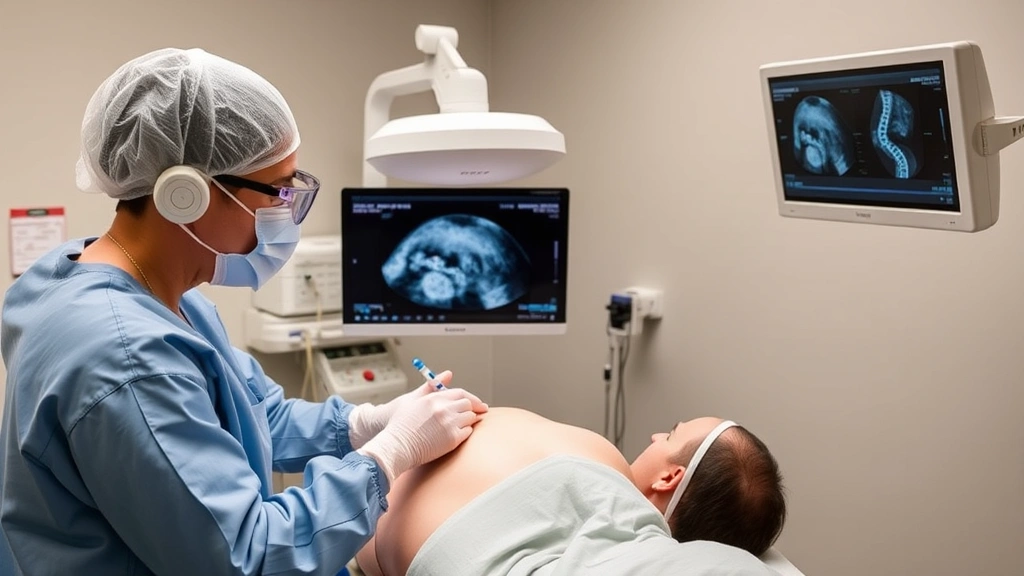
Stem cells are undifferentiated cells with remarkable properties: they can divide to produce more stem cells or differentiate into specialized cell types. In the context of back pain treatment, stem cells are introduced into damaged spinal tissue where they theoretically promote healing, reduce inflammation, and regenerate healthy disc and bone tissue. The mechanism involves several biological pathways that scientists are still actively investigating.
There are two primary categories of stem cells used in therapeutic applications: embryonic stem cells and adult (somatic) stem cells. Adult stem cells, particularly mesenchymal stem cells derived from bone marrow or adipose tissue, are more commonly used in clinical settings due to fewer ethical concerns and lower immunological rejection rates. When injected into the intervertebral disc or surrounding tissues, these cells release anti-inflammatory substances and growth factors that may promote tissue repair and reduce pain signals.
The regenerative process involves multiple steps. First, stem cells home to the damaged area through chemical signaling. Next, they secrete bioactive molecules that suppress inflammatory responses and promote angiogenesis (new blood vessel formation). Finally, some cells differentiate into the specific cell types needed—such as chondrocytes in cartilage or fibroblasts in disc tissue—to restore structural integrity. This biological approach differs fundamentally from traditional treatments that manage symptoms rather than addressing underlying tissue damage.
Types of Stem Cell Therapy for Back Pain
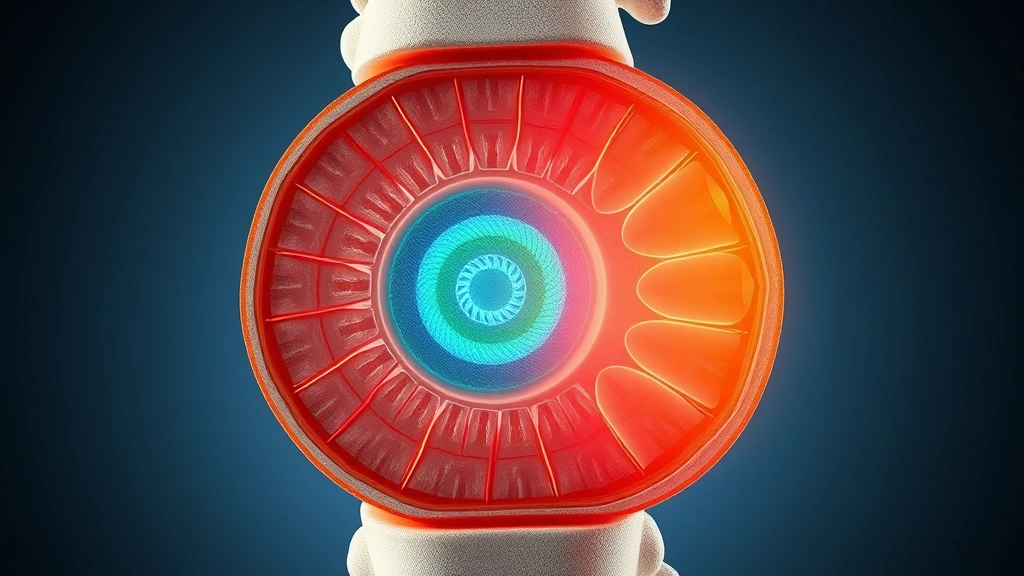
Several stem cell therapy approaches exist for treating back pain, each with distinct characteristics and potential benefits. Understanding these variations is crucial for patients considering this treatment.
Autologous Bone Marrow-Derived Stem Cells: This approach uses stem cells harvested from the patient’s own bone marrow, typically from the iliac crest. The cells are extracted, processed, and concentrated before injection into the damaged disc or surrounding structures. Because the cells come from the patient’s own body, there is minimal risk of immune rejection. This method has been used in numerous clinical trials and shows promise for degenerative disc disease.
Adipose-Derived Stem Cells: Fat tissue contains a rich population of mesenchymal stem cells that can be harvested through liposuction. These cells are easier to obtain in larger quantities compared to bone marrow and may have similar regenerative properties. Several physical therapy approaches combined with stem cell therapy have shown synergistic benefits in rehabilitation protocols.
Allogeneic Stem Cells: These are stem cells derived from donor sources rather than the patient’s own tissue. While they expand treatment availability and reduce processing time, they carry higher risks of immune rejection and require careful immunological matching. Regulatory oversight of allogeneic products is generally more stringent.
Umbilical Cord-Derived Stem Cells: Cells harvested from umbilical cord blood or Wharton’s jelly represent another option, though their use remains controversial in many jurisdictions. These cells are younger and potentially more potent but raise additional ethical and regulatory questions.
Each approach involves different preparation methods, injection techniques, and clinical protocols. The choice depends on factors including patient age, health status, specific diagnosis, and regulatory approval in the patient’s region.
Current Research and Clinical Evidence
The scientific literature on stem cell therapy for back pain presents a complex picture. While numerous studies demonstrate biological plausibility and some clinical improvements, high-quality randomized controlled trials remain limited. Recent systematic reviews indicate that stem cell therapy shows potential for degenerative disc disease, but evidence quality ranges from low to moderate.
A landmark study published in Spine Journal examined autologous bone marrow-derived mesenchymal stem cells for discogenic back pain. Researchers found that 73% of treated patients experienced clinically significant pain reduction at 12-month follow-up, compared to 27% in the control group receiving saline injection. However, the study was relatively small (n=24) and lacked the rigorous blinding protocols of larger trials.
Additional research from international institutions has yielded encouraging but not universally conclusive results. Some studies show improvements in pain scores, disability measures, and imaging findings, while others demonstrate modest or no significant benefit. Variables affecting outcomes include patient selection criteria, cell preparation protocols, injection techniques, follow-up duration, and outcome measurement methods.
Nature Medicine published research highlighting the anti-inflammatory mechanisms of mesenchymal stem cells, providing biological rationale for their therapeutic use. The cells produce interleukin-10 and other immunosuppressive cytokines that may explain clinical improvements observed in some patients.
A critical limitation of current evidence is the relatively short follow-up periods in many studies. Most trials assess outcomes at 6-12 months, but degenerative disc disease is a chronic, progressive condition. Longer-term studies examining whether benefits persist over years remain scarce. Additionally, publication bias likely favors studies with positive results, potentially skewing the overall evidence base toward favorable outcomes.
The therapeutic landscape for pain management continues evolving with multiple modalities being investigated. Stem cell therapy represents one innovative approach among several regenerative medicine strategies.
Effectiveness Compared to Traditional Treatments
Comparing stem cell therapy to established back pain treatments requires careful consideration of evidence quality and patient populations studied. Traditional approaches include physical therapy, medications, epidural steroid injections, and surgical interventions.
Versus Physical Therapy: Evidence-based physical therapy remains the first-line treatment for most back pain cases and shows consistent, well-documented benefits. Physical therapy is non-invasive, has minimal side effects, costs significantly less, and benefits are supported by decades of research. Stem cell therapy could potentially complement physical therapy in cases where conservative treatment alone proves insufficient, though this combination remains under investigation.
Versus Epidural Steroid Injections: Steroid injections provide temporary inflammation reduction and are less invasive than stem cell procedures. They typically cost $500-$2,000 compared to $5,000-$20,000 for stem cell therapy. However, their effects are temporary (3-6 months typically), whereas stem cell therapy theoretically provides longer-lasting benefits through tissue regeneration. Direct comparative studies are limited, making definitive conclusions difficult.
Versus Spinal Surgery: For severe cases requiring decompression or fusion, surgery offers proven structural correction. However, surgery carries significant risks including infection, blood loss, and failed back surgery syndrome. Stem cell therapy is less invasive but also less effective for structural problems requiring mechanical stabilization. As a pre-surgical intervention, stem cell therapy might potentially delay or prevent the need for surgery in some patients, though evidence remains preliminary.
Versus Medication Management: Opioids and NSAIDs manage pain symptoms but don’t address underlying tissue damage and carry risks of dependency and gastrointestinal complications. Stem cell therapy targets the disease process itself, offering a fundamentally different approach, though with less established efficacy than traditional pain medications.
The ideal treatment approach likely depends on the specific diagnosis, disease severity, patient age and health status, and individual preferences regarding invasiveness and cost.
Risks and Safety Considerations
While stem cell therapy is generally considered safer than major surgery, potential risks and adverse effects warrant serious consideration before pursuing treatment.
Injection-Related Complications: The procedure itself carries risks inherent to any spinal injection, including infection, bleeding, nerve damage, and spinal cord injury. These complications are rare when performed by experienced practitioners but remain possible.
Immune and Inflammatory Responses: Even autologous stem cells can trigger unexpected immune reactions. Patients may experience temporary increased pain and inflammation as the cells integrate and initiate healing responses. Some individuals report post-injection flare-ups lasting days to weeks.
Infection Risk: Any injection introduces infection risk. Proper sterile technique minimizes this, but cases of meningitis and discitis (disc space infection) have been reported following stem cell injections in clinical literature.
Tumor Formation Potential: Theoretically, stem cells could undergo malignant transformation, though this risk appears extremely low with properly differentiated mesenchymal stem cells. Embryonic stem cells carry higher theoretical tumor risk, which is one reason adult stem cells are preferred clinically.
Unknown Long-Term Effects: Stem cell therapy is relatively new, and long-term safety data spanning decades is unavailable. Unknown effects may emerge only after prolonged follow-up periods.
Variable Outcomes and Failure: Not all patients respond to treatment. Some experience minimal or no improvement despite undergoing the procedure and incurring substantial costs. Expectations management is critical.
Unregulated Clinics and Marketing: The stem cell therapy landscape includes numerous unregulated clinics making exaggerated claims and using unproven protocols. Patients must carefully verify practitioner credentials, institutional oversight, and adherence to ethical standards.
The financial and practical considerations of therapy extend beyond stem cell options to encompassing risk-benefit analysis across all treatment modalities.
Cost and Insurance Coverage
Stem cell therapy for back pain represents a significant financial investment for most patients. Understanding costs and coverage options is essential for treatment decision-making.
Typical Cost Range: Stem cell therapy for back pain generally costs between $5,000 and $20,000 per injection, with many facilities charging $10,000-$15,000. This typically covers the initial consultation, cell harvesting and processing, imaging guidance for injection, and follow-up care. Multiple injections may be recommended, substantially increasing total costs.
Insurance Coverage: Most major insurance companies, including Medicare, do not cover stem cell therapy for back pain in the United States. Insurance carriers classify the procedure as experimental or investigational, given the limited evidence base and lack of FDA approval for most applications. This means patients pay entirely out-of-pocket, representing a significant barrier to access.
Financing Options: Some clinics offer payment plans or financing through medical credit companies, allowing patients to spread costs over time. However, interest rates can substantially increase the total amount paid.
International Treatment Considerations: Some patients travel internationally to countries with less stringent regulatory oversight where stem cell therapy may be cheaper and more readily available. However, this approach carries additional risks including variable quality standards, difficulty pursuing recourse if complications occur, and potential issues with follow-up care.
Research Study Participation: Patients may access stem cell therapy through clinical trials at academic medical centers, potentially at reduced or no cost. This option provides the benefit of rigorous oversight and scientific contribution but requires meeting specific inclusion criteria and accepting research protocols.
The cost-benefit analysis must consider not only the direct procedure expense but also potential savings from reduced pain medication use, improved work productivity, and avoided surgical costs if stem cell therapy delays or prevents future surgery.
Future Prospects in Regenerative Medicine
The field of regenerative medicine continues advancing rapidly, with stem cell therapy representing just one component of emerging technologies that may transform back pain treatment.
Enhanced Stem Cell Engineering: Researchers are developing methods to genetically modify stem cells, enhance their regenerative capacity, and direct their differentiation more precisely. Recent advances in gene therapy may enable stem cells to produce higher concentrations of therapeutic molecules or target specific pathways involved in disc degeneration.
Combination Therapies: Future protocols likely will combine stem cells with other regenerative approaches including platelet-rich plasma, growth factors, and complementary therapeutic modalities. Synergistic combinations may enhance efficacy beyond single-agent approaches.
Tissue Engineering Scaffolds: Three-dimensional scaffolds designed to support stem cell integration and tissue regeneration are under development. These biocompatible materials may improve outcomes by providing structure and guidance for new tissue formation.
Artificial Intelligence and Personalization: Machine learning algorithms may eventually enable clinicians to predict which patients will respond best to stem cell therapy based on imaging, genetic, and biochemical markers. Personalized medicine approaches could optimize patient selection and protocol design.
Regulatory Evolution: As evidence accumulates, regulatory pathways for stem cell therapies are becoming clearer. The FDA and similar agencies worldwide are developing frameworks for approving regenerative medicine products, which should increase access to proven therapies while maintaining safety standards.
Cost Reduction: As stem cell therapy technologies mature and become more standardized, production costs should decrease, making treatment more accessible to broader patient populations.
The future of back pain management likely involves an integrated approach combining traditional therapies, regenerative medicine, and precision medicine strategies tailored to individual patient characteristics and disease mechanisms.
Frequently Asked Questions
Is stem cell therapy FDA approved for back pain?
In the United States, stem cell therapy for back pain is not FDA approved as a standard treatment. The FDA has approved some stem cell-derived products for specific conditions, but not for degenerative disc disease or general back pain. Many clinics offer the procedure under research protocols or as investigational treatment, but patients should understand the experimental nature and limited regulatory oversight.
How long do stem cell therapy results last?
Available evidence suggests benefits may persist for 12-24 months in responsive patients, but long-term durability data beyond two years is limited. Some patients report sustained improvement, while others experience gradual pain return. The duration likely depends on disease severity, patient age, and individual biological factors.
Can stem cell therapy replace back surgery?
For some patients with mild to moderate degenerative disc disease, stem cell therapy might delay or prevent the need for surgery. However, for structural problems requiring decompression or fusion, surgery remains necessary. Stem cell therapy should be considered complementary to, rather than a replacement for, surgical intervention in appropriate cases.
What is the success rate of stem cell therapy for back pain?
Success rates vary widely across studies, ranging from 40% to 80% depending on how success is defined and which patient populations are included. Most studies show that 50-70% of treated patients experience meaningful pain reduction, but definitions of success vary significantly between trials.
Are stem cell treatments for back pain covered by insurance?
Most major insurance companies classify stem cell therapy as experimental and do not provide coverage. Patients typically pay entirely out-of-pocket. Some clinical trial participation may provide treatment at reduced cost, and international facilities may offer lower prices, though with varying quality standards.
What are the risks of stem cell injection into the spine?
Potential risks include infection, bleeding, nerve damage, spinal cord injury, immune reactions, and temporary pain exacerbation. The procedure should only be performed by experienced practitioners using proper sterile technique and imaging guidance. Serious complications are rare but possible.
How does stem cell therapy compare to platelet-rich plasma?
Both approaches are regenerative medicine strategies, but they work through different mechanisms. PRP concentrates growth factors from the patient’s blood, while stem cell therapy uses cells capable of differentiation and tissue repair. PRP is typically cheaper and more readily available, while stem cell therapy may offer more substantial tissue regeneration potential. Direct comparative studies are limited.