
Is Sound Therapy Effective? Expert Opinions and Scientific Evidence
Sound therapy has emerged as one of the most intriguing complementary health practices in recent years, with practitioners and patients alike claiming remarkable benefits for stress reduction, pain management, and overall wellness. From binaural beats to singing bowl sessions, sound-based interventions have captured public imagination and spawned a growing industry. However, the critical question remains: does sound therapy actually work, or is it merely placebo effect wrapped in soothing acoustics?
This comprehensive guide examines the scientific evidence behind sound therapy, explores expert opinions from medical professionals and researchers, and helps you understand what sound therapy can realistically offer. Whether you’re searching for sound therapy near me or simply curious about the claims, we’ll provide you with evidence-based information to make informed decisions about this popular wellness practice.
What is Sound Therapy and How Does It Work
Sound therapy, also known as sound healing or vibrational therapy, is based on the principle that specific frequencies and vibrations can promote physical, emotional, and mental healing. Practitioners believe that the human body, being composed largely of water and operating through electrical impulses, responds to sound vibrations at a cellular level. The theory suggests that illness and disease represent a departure from the body’s natural vibrational frequency, and sound therapy aims to restore optimal vibration.
The mechanisms proposed by sound therapy advocates include several pathways: acoustic vibrations may stimulate the parasympathetic nervous system, promoting relaxation responses; sound frequencies might influence brainwave activity through entrainment; and certain vibrations could theoretically affect cellular function and repair. However, it’s important to distinguish between the theoretical mechanisms and what scientific research has actually demonstrated.
Sound therapy operates on multiple sensory and physiological levels. When you listen to therapeutic sounds, they enter through your auditory system but also create physical vibrations that your body can feel. Some practitioners claim that specific frequencies—such as 432 Hz or 528 Hz—carry particular healing properties, though these claims remain largely unsubstantiated by rigorous scientific studies.
Types of Sound Therapy Treatments
Sound therapy encompasses numerous modalities and approaches, each with different theoretical foundations and applications:
- Binaural Beats: Two slightly different frequencies played separately to each ear, theoretically creating a third frequency in the brain. Proponents claim specific beat patterns can induce relaxation, focus, or sleep states.
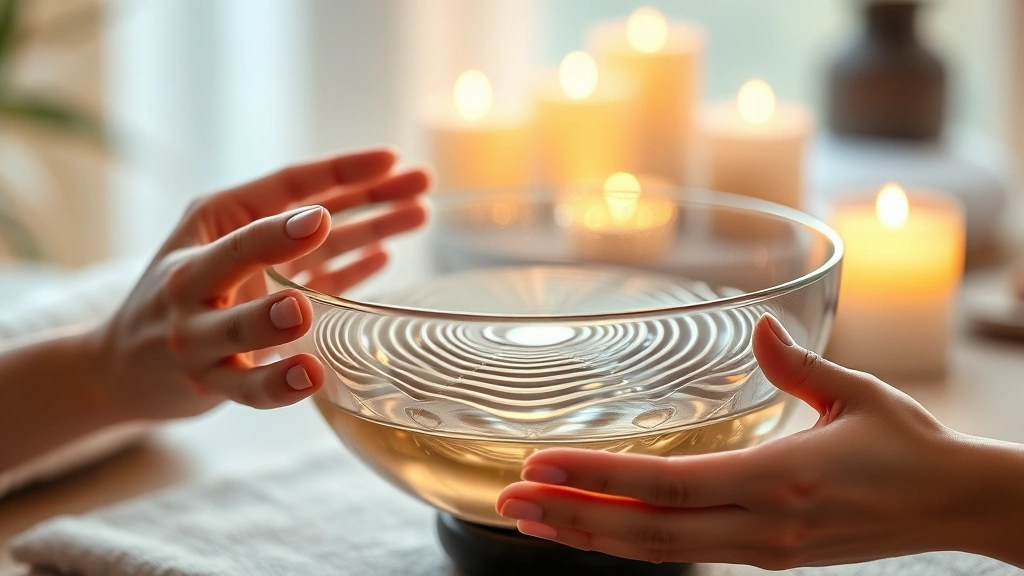
- Singing Bowls: Tibetan or crystal bowls that produce resonant tones, often used in meditation and relaxation sessions. Users report feeling calmed by the sustained vibrations.
- Tuning Forks: Precision instruments that vibrate at specific frequencies, sometimes applied directly to the body or held near the ears for therapeutic purposes.
- Sound Baths: Immersive experiences where participants are surrounded by various sound-producing instruments, creating an enveloping acoustic environment.
- Music Therapy: The clinical use of music by trained therapists to address specific health conditions, distinct from general sound therapy.
- Ultrasound Therapy: Uses high-frequency sound waves beyond human hearing range, medically used for physical therapy and diagnostic imaging.
- Vibroacoustic Therapy: Combines sound with vibrations delivered through specialized chairs or devices.
Each modality claims different benefits, and the evidence supporting them varies considerably. Understanding these distinctions is crucial when evaluating effectiveness claims.
Scientific Research on Sound Therapy Effectiveness
The scientific community maintains a cautiously skeptical stance toward many sound therapy claims. While some research suggests potential benefits, the overall evidence base remains limited and often methodologically weak. According to a review published in the Journal of Evidence-Based Complementary and Alternative Medicine, many sound therapy studies suffer from small sample sizes, lack of proper control groups, and difficulty controlling for placebo effects.
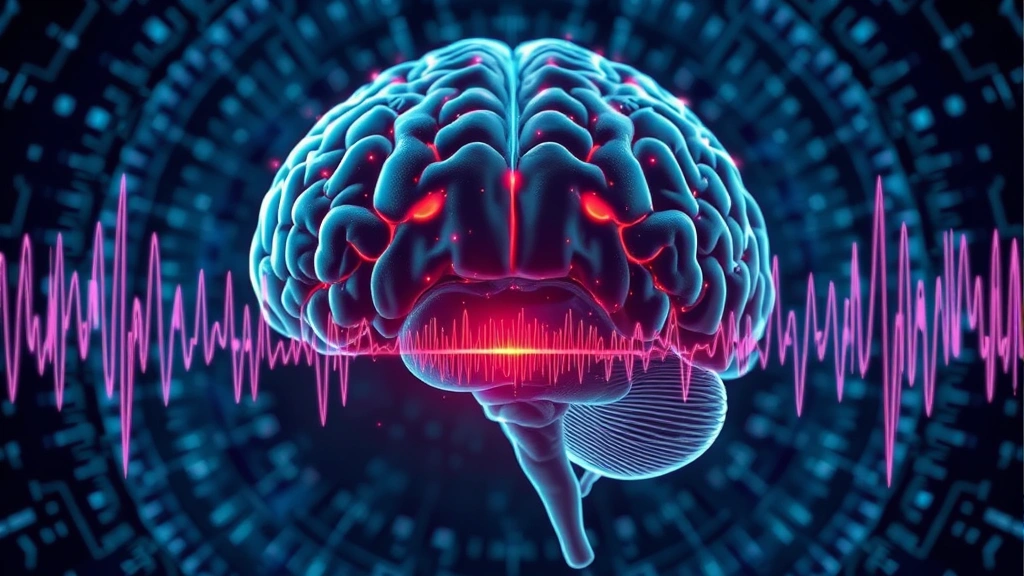
Research on binaural beats has produced mixed results. Some studies suggest they may influence brainwave patterns, while others find these effects are modest or indistinguishable from placebo. A meta-analysis in Frontiers in Psychology concluded that while binaural beats show some promise for anxiety reduction, the quality of evidence remains low, and larger, well-designed studies are needed.
Music therapy, as a distinct clinical practice, has stronger research support than general sound therapy. The American Music Therapy Association cites evidence for music’s benefits in pain management, anxiety reduction, and cognitive function. However, it’s important to note that clinical music therapy involves trained professionals and individualized treatment plans, quite different from passive listening to sound recordings.
Research on specific frequencies like 432 Hz or 528 Hz has been limited and inconclusive. While some small studies report subjective benefits, these findings haven’t been replicated in larger, more rigorous investigations. The claims about “miracle frequencies” lack substantial scientific support.
Ultrasound therapy, when used medically for tissue healing and pain management, has more robust evidence. However, this represents a very different application than the sound healing practices commonly marketed to consumers.
Expert Medical Opinions on Sound Therapy
Medical professionals generally acknowledge that sound and music can influence human physiology and psychology, but they express significant reservations about many commercial sound therapy claims. Most mainstream medical organizations position sound therapy as a complementary approach at best, not a replacement for evidence-based medical treatment.
The National Institutes of Health has funded some research on music and sound interventions, particularly in clinical settings. However, NIH researchers emphasize that while sound can contribute to wellness and stress reduction, the mechanisms are not fully understood, and effects are often modest.
Neuroscientists point out that while sound does affect the brain, the claimed effects of specific frequencies are often overstated. Dr. studies on frequency-specific claims consistently show that subjective benefits may result from expectation effects rather than the purported properties of particular frequencies.
Audiologists caution that excessive exposure to certain sound therapies, particularly at high volumes or for extended periods, could potentially damage hearing. They recommend consulting qualified professionals before beginning any sound therapy regimen, especially for individuals with hearing sensitivity or existing auditory conditions.
Psychologists acknowledge that sound and music can reduce anxiety and promote relaxation, effects that are well-documented in research. However, they attribute these benefits primarily to the relaxation response triggered by pleasant stimuli and reduced cognitive demand, not to mystical properties of specific frequencies.
Sound Therapy for Specific Conditions
Different conditions have varying levels of research support regarding sound therapy effectiveness:
Stress and Anxiety: Research suggests that calming music and soothing sounds can reduce stress markers including cortisol levels and heart rate. These effects appear genuine, though they’re comparable to other relaxation techniques. If you’re interested in complementary approaches, you might also explore red light therapy for back pain or other evidence-based complementary methods.
Sleep Problems: Some studies indicate that certain sound frequencies and musical compositions may improve sleep quality. However, the effect sizes are often small, and white noise or nature sounds may be equally effective. The relaxation response induced by pleasant sounds appears to be the primary mechanism.
Pain Management: Music and sound have shown promise in pain management contexts, particularly when combined with medical treatment. This effect is better understood than frequency-specific healing claims. For comprehensive pain management approaches, consider reading about physical therapy for shoulder pain and other evidence-based interventions.
Cognitive Function: Claims that specific sound frequencies enhance focus or memory lack strong research support. While appropriate background music might support concentration for some individuals, there’s no evidence that particular frequencies offer special cognitive benefits.
Autism and Developmental Conditions: Some practitioners market sound therapy for autism spectrum disorders. However, research evidence is minimal, and parents should be cautious about claims of significant benefits. Established therapies like speech therapy near me have much stronger evidence bases for supporting developmental progress.
Chronic Illness and Cancer: While music and sound can contribute to quality of life and emotional well-being for people with serious illnesses, they should never replace evidence-based medical treatment. The supportive role of sound therapy is legitimate but limited.
Finding Sound Therapy Near Me
If you’ve decided to explore sound therapy as a complementary practice, finding qualified practitioners requires careful evaluation. The field lacks standardized credentialing in many areas, making it essential to ask the right questions.
When searching for sound therapy near me, look for practitioners who:
- Have clear training credentials from recognized programs
- Hold liability insurance
- Don’t claim to cure serious diseases or replace medical treatment
- Have experience working with your specific condition
- Are willing to discuss the evidence limitations honestly
- Recommend coordinating care with your primary healthcare provider
Many sound therapy sessions are offered through wellness centers, yoga studios, and spas. Practitioners may have backgrounds in music therapy, alternative medicine, or other fields. Some are self-taught. Ask about their training, experience, and any certifications they hold.
If you’re interested in exploring broader wellness approaches, how much is therapy and what’s typically covered by insurance varies significantly. Sound therapy is rarely covered by health insurance, though some complementary practices might be. Check with your insurance provider about coverage for different wellness services.
For more comprehensive information about therapeutic options in your area, visit the MindLift Daily Blog – Therapy Resources and Information for extensive resources on various therapy types and how to find qualified practitioners.
Safety Considerations and Limitations
While sound therapy is generally considered safe for most people, several important considerations warrant attention:
Hearing Risk: Prolonged exposure to loud sounds, even in therapeutic contexts, can cause hearing damage. Sound baths and similar experiences should maintain safe volume levels, typically below 85 decibels for extended listening.
Seizure Concerns: Individuals with photosensitive epilepsy or similar conditions should be cautious with binaural beats and certain rhythmic sound patterns, which theoretically could trigger seizures in susceptible individuals.
Psychological Effects: For some people, deep relaxation from sound therapy can trigger anxiety or dissociative experiences. Individuals with trauma histories should approach intense sound therapy sessions carefully.
Not a Medical Treatment: Sound therapy should never replace evidence-based medical treatment for serious conditions. Using sound therapy instead of seeking necessary medical care could delay diagnosis and treatment of serious diseases.
Placebo Considerations: Much of the reported benefit from sound therapy likely results from placebo effects, relaxation response, and expectation. This doesn’t mean the benefits are worthless—placebo effects are real and valuable—but it’s important to understand what’s actually happening.
Limited Evidence: The scientific evidence for most sound therapy claims remains limited. Extraordinary claims require extraordinary evidence, and most sound therapy marketing contains claims that exceed the current research support.
Frequently Asked Questions
Is sound therapy backed by science?
Sound therapy has some research support, particularly regarding music’s effects on relaxation and stress reduction. However, many specific claims about healing frequencies and vibrational healing lack substantial scientific evidence. The strongest evidence exists for clinical music therapy delivered by trained professionals, which is distinct from general sound therapy.
Can sound therapy cure diseases?
No. Sound therapy cannot cure serious diseases. While it may support overall wellness and quality of life, it should never replace evidence-based medical treatment. Anyone with a diagnosed medical condition should work with healthcare providers for primary treatment.
What’s the difference between music therapy and sound therapy?
Music therapy is a clinical discipline with standardized training, credentials, and research-based protocols. Therapists work with individuals to address specific therapeutic goals. Sound therapy is a broader category of practices, many lacking standardized training or evidence base. Music therapy is generally more evidence-based.
Are specific frequencies like 432 Hz really healing?
Research on specific healing frequencies remains inconclusive. While some small studies report subjective benefits, larger rigorous studies haven’t confirmed that particular frequencies have special healing properties. Any benefits from listening to these frequencies likely come from the relaxation response rather than the frequency itself.
Is sound therapy safe?
Sound therapy is generally safe for most people when practiced appropriately at safe volume levels. However, people with hearing sensitivity, seizure disorders, or trauma histories should exercise caution. It should never replace necessary medical care.
How much does sound therapy cost?
Sound therapy costs vary widely depending on location and practitioner. A single session might range from $50 to $200 or more. For understanding broader therapy costs and what insurance might cover, check how much is therapy resources that cover various therapy types.
Should I try sound therapy?
If you’re interested in sound therapy as a complementary wellness practice alongside evidence-based medical care, it’s a low-risk option for most people. Approach it with realistic expectations about benefits, verify practitioner credentials, and never use it as a substitute for necessary medical treatment. Consider it one tool among many for overall wellness.