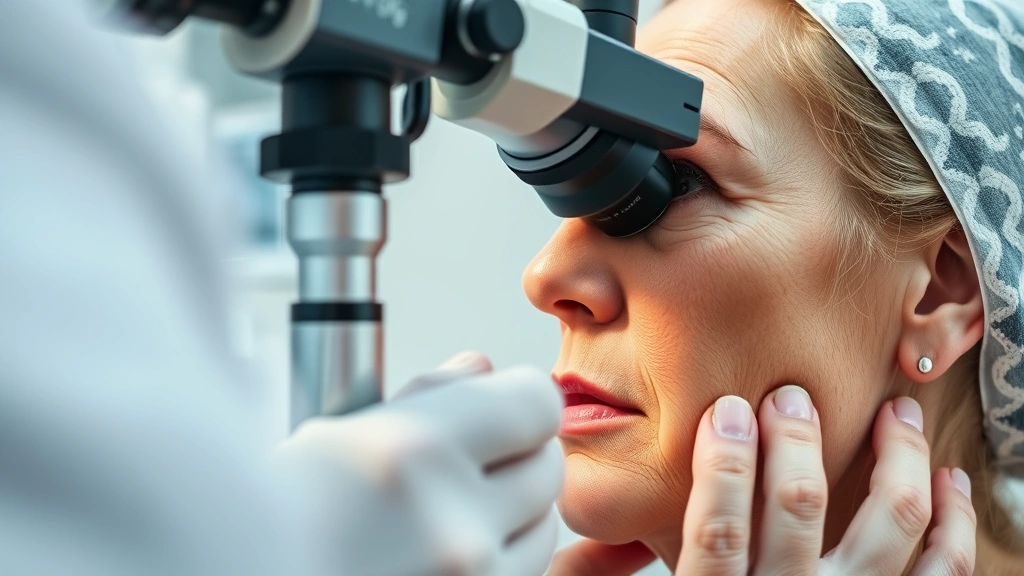
Is Skin Lightening Safe? Dermatologists Weigh In
Skin lightening therapy has become increasingly popular across the globe, with millions of people seeking treatments to reduce hyperpigmentation, address uneven skin tone, or lighten their complexion. However, the safety of these treatments remains a topic of significant debate within the dermatological community. Whether you’re considering professional red light therapy near me or chemical-based treatments, understanding the risks and benefits is essential before proceeding.
Dermatologists emphasize that while some skin lightening methods are clinically proven and FDA-approved, others carry considerable health risks. The concern extends beyond cosmetic outcomes to serious medical complications including mercury poisoning, kidney damage, and increased skin cancer risk. This comprehensive guide examines what medical professionals say about skin lightening safety, the various treatment options available, and how to make informed decisions about your skin health.
Understanding Skin Lightening Treatments
Skin lightening therapy encompasses a broad range of treatments designed to reduce melanin production or remove existing pigmentation. These treatments fall into several categories: topical creams, oral supplements, chemical peels, laser procedures, and injectable treatments. Each method works through different mechanisms and carries its own risk profile.
Topical treatments represent the most accessible option for consumers, available through prescription or over-the-counter formulations. The active ingredients vary widely, from hydroquinone—one of the most studied and regulated ingredients—to less-established compounds like kojic acid, arbutin, and niacinamide. Understanding the difference between these options is crucial for safety.
Many individuals also explore therapy and wellness articles to understand how skin health connects to overall wellbeing. The psychological aspects of skin appearance significantly impact mental health, making it important to approach treatment decisions holistically rather than purely cosmetically.
FDA-Approved vs. Unapproved Methods
The U.S. Food and Drug Administration maintains strict guidelines for skin lightening products, classifying most as over-the-counter drugs rather than cosmetics. Hydroquinone stands as the gold standard for FDA approval, with concentrations up to 2% available without prescription and 4% available by prescription. Clinical studies spanning decades support its efficacy for treating melasma, post-inflammatory hyperpigmentation, and other conditions.
However, many skin lightening products sold globally lack FDA approval or equivalent regulatory clearance. These unapproved treatments may contain dangerous ingredients including mercury, lead, corticosteroids, and other toxic compounds. According to research published in the Journal of the American Medical Association, approximately 10% of imported skin-lightening products contain mercury concentrations exceeding safe limits.
Dermatologists uniformly caution against using non-FDA-approved products, particularly those sourced from unregulated manufacturers. The absence of regulatory oversight means no quality control, no purity verification, and no accountability for adverse effects. This mirrors concerns raised in discussions about therapy cost and insurance coverage—the cheapest options often come with hidden health costs.
- Hydroquinone (2-4%): FDA-approved, well-researched, generally safe for short-term use
- Tretinoin: FDA-approved retinoid showing effectiveness for hyperpigmentation
- Combination therapies: Triple combination (hydroquinone, tretinoin, fluocinolone acetonide) showing superior results
- Laser treatments: FDA-cleared devices like Q-switched lasers for selective melanin destruction
- Chemical peels: Professional-grade peels with regulated active ingredients
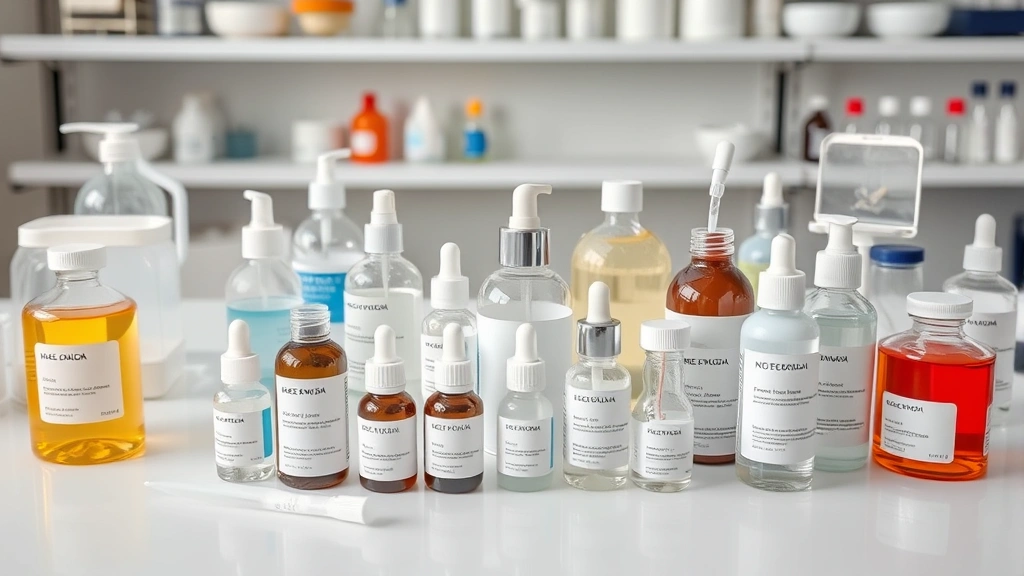
Chemical Risks and Complications
The most alarming risks associated with skin lightening therapy involve systemic toxicity from dangerous chemicals. Mercury, still used in some traditional and unregulated products, accumulates in the body and causes kidney damage, neurological problems, and autoimmune disorders. Cases of mercury poisoning from skin lightening products have been documented across Asia, Africa, and among immigrant communities in developed nations.
Corticosteroids represent another hidden danger in many over-the-counter skin lightening creams. While dermatologists may prescribe weak corticosteroids for short-term use, prolonged application—especially on the face—causes skin atrophy, telangiectasia (visible blood vessels), perioral dermatitis, and increased infection risk. Long-term systemic absorption can lead to adrenal suppression and other endocrine complications.
Lead contamination in certain products poses particular concern for pregnant women and children, as lead exposure causes developmental delays and cognitive impairment. The FDA has issued multiple recalls for skin lightening products containing dangerous lead concentrations, yet these products continue circulating in black markets and online retailers.
Hydroquinone itself, while FDA-approved, carries specific safety considerations. Prolonged use (beyond 3-4 months without breaks) may increase risk of ochronosis—a darkening of the skin caused by accumulation of oxidized hydroquinone metabolites. This paradoxical darkening is more common in individuals with darker skin types and represents an irreversible complication. This parallels concerns in other physical therapy treatment contexts where unmonitored long-term use can cause complications.
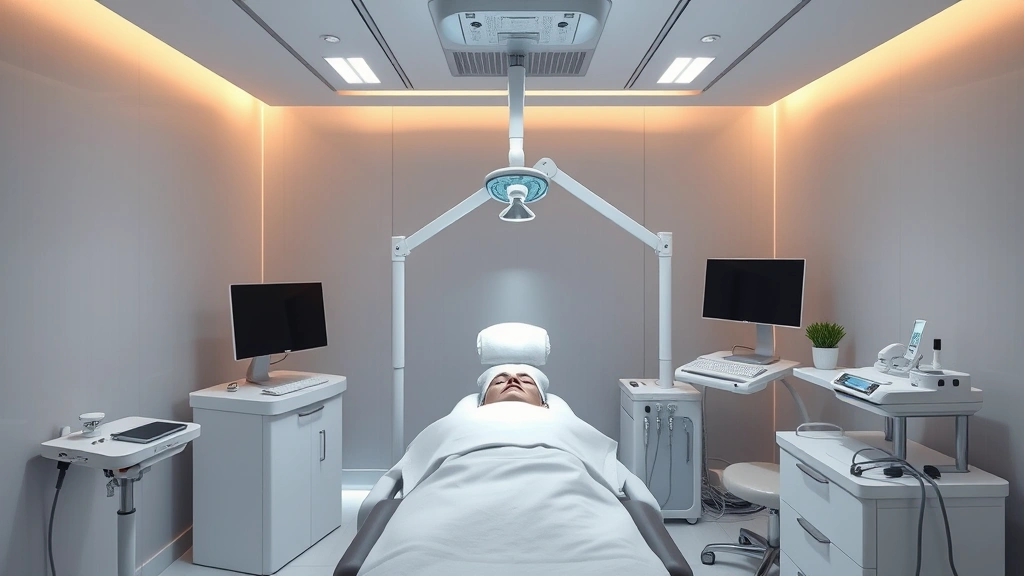
Dermatologist-Recommended Alternatives
Board-certified dermatologists emphasize that safe skin lightening requires professional supervision and evidence-based approaches. Rather than pursuing aggressive chemical treatments, dermatologists recommend starting with gentler, well-researched options and escalating only if necessary.
Vitamin C serums and niacinamide represent the first-line recommendations for most patients. These ingredients demonstrate efficacy in reducing melanin production through multiple mechanisms while showing excellent safety profiles even with long-term use. Niacinamide particularly appeals to dermatologists because it also improves skin barrier function and reduces inflammation.
Sunscreen protection forms the foundation of any skin lightening regimen. UV exposure stimulates melanin production and darkens existing hyperpigmentation, making daily broad-spectrum SPF 30+ sunscreen non-negotiable. Many dermatologists argue that consistent sun protection alone often improves skin tone without requiring additional treatments.
For significant hyperpigmentation or melasma, dermatologists typically recommend combination therapy under professional guidance. The gold standard involves hydroquinone 4% (prescription strength) paired with tretinoin 0.025% and low-potency corticosteroid, applied for 8-12 weeks followed by maintenance therapy with lower-strength hydroquinone or alternative agents.
Laser and light-based therapies offer non-chemical alternatives for targeted treatment. Q-switched lasers, intense pulsed light (IPL), and fractional lasers all selectively target melanin or trigger collagen remodeling to improve skin tone. These professional treatments require multiple sessions but produce results without systemic toxicity risks.
Chemical peels using glycolic acid, salicylic acid, or TCA (trichloroacetic acid) in controlled concentrations by trained professionals provide another evidence-based option. The controlled depth and concentration used in professional settings differs dramatically from over-the-counter products, making professional application significantly safer.
Regulatory Standards Worldwide
Regulatory approaches to skin lightening products vary dramatically across countries, creating a fragmented global landscape. The European Union has banned hydroquinone in cosmetics, classifying it as a drug requiring prescription. This reflects a more cautious regulatory approach than the United States.
In developing nations where skin lightening demand remains highest, regulatory frameworks are often inadequate. Countries in Southeast Asia, Africa, and South Asia frequently lack the infrastructure to test and verify product safety, allowing dangerous formulations to proliferate. The World Health Organization has expressed concern about the widespread use of unregulated skin lightening products, particularly affecting women and children in low-income regions.
Canada regulates skin lightening products similarly to the United States, recognizing hydroquinone and tretinoin as approved active ingredients. However, Canada maintains stricter limits on corticosteroid inclusion in over-the-counter formulations compared to the United States.
This regulatory variation underscores why consulting with licensed dermatologists—whether seeking speech therapy near me or skin treatment—remains essential. Professional oversight ensures access to properly regulated, safety-tested formulations appropriate for your specific condition.
Choosing Safe Treatment Options
Making informed decisions about skin lightening requires understanding your specific skin condition, realistic expectations, and commitment to professional guidance. Dermatologists recommend the following framework for safe treatment selection:
- Diagnosis first: Not all skin discoloration responds to the same treatment. Melasma, post-inflammatory hyperpigmentation, freckles, and age spots each require different approaches. Professional evaluation determines your specific condition.
- Patch testing: Before applying any new product to your face, dermatologists recommend 24-48 hour patch testing on inconspicuous areas to identify sensitivity or adverse reactions.
- Start conservative: Begin with gentlest options (niacinamide, vitamin C, sunscreen) before escalating to stronger treatments. Many cases improve significantly without aggressive interventions.
- Professional supervision: FDA-approved prescription treatments should only be used under dermatologist supervision, with regular monitoring for adverse effects.
- Time-limited use: Hydroquinone should be used in cycles (8-12 weeks on, 4-8 weeks off) rather than continuously to minimize ochronosis risk.
- Sun protection: Regardless of other treatments, daily sunscreen is non-negotiable for preventing recurrence and protecting against skin cancer risk.
- Realistic timeline: Skin lightening typically requires 8-12 weeks minimum to show results. Beware of products promising instant dramatic changes.
Cost considerations matter, but should never drive decisions toward unregulated products. While professional dermatology care costs more than black-market alternatives, the difference pales compared to treating mercury poisoning, kidney damage, or ochronosis. Understanding occupational therapy jobs and healthcare career paths reveals how much professional training and oversight matter—dermatologists invest years in education specifically to prevent these complications.
Online shopping for skin lightening products requires extreme caution. Counterfeit FDA-approved products circulate widely on unverified platforms. Purchasing directly from established dermatology practices or legitimate pharmacies significantly reduces contamination risk. Checking product batch numbers and manufacturing dates helps verify authenticity.
FAQ
Is hydroquinone safe for long-term use?
Hydroquinone is safe for short-term use (8-12 weeks) under dermatologist supervision, but prolonged continuous use increases ochronosis risk, particularly in darker skin types. Dermatologists recommend cycling on and off, using it for 8-12 weeks followed by 4-8 week breaks, or switching to alternative maintenance therapies like tretinoin or niacinamide.
What’s the difference between prescription and over-the-counter skin lightening products?
Prescription products contain higher active ingredient concentrations, have undergone more rigorous safety testing, and come with professional guidance. Over-the-counter products contain lower concentrations and may include unregulated or dangerous ingredients if not from established manufacturers. Prescription formulations also typically include complementary ingredients that enhance safety and efficacy.
Can skin lightening products cause skin cancer?
FDA-approved skin lightening treatments don’t increase skin cancer risk when used as directed with sun protection. However, some unapproved products containing arsenic or other carcinogens may increase cancer risk. Additionally, skin lightening that reduces melanin production can decrease natural sun protection, making rigorous sunscreen use essential.
Are natural skin lightening ingredients safer?
Natural ingredients like kojic acid, arbutin, and licorice extract show promise in research, but “natural” doesn’t automatically mean safe. These ingredients are less studied than hydroquinone, and products containing them may include dangerous additives. Dermatologists evaluate efficacy and safety rather than origin when recommending treatments.
How quickly do skin lightening treatments work?
Most legitimate skin lightening treatments require 8-12 weeks minimum to show visible results, with optimal results often appearing after 16-24 weeks. Products promising faster results likely contain dangerous chemicals or false advertising. Patience and consistent application matter more than potency.
Is it safe to combine different skin lightening products?
Combining multiple skin lightening products without professional guidance significantly increases adverse effect risk. However, dermatologists specifically design combination therapies using complementary ingredients at safe concentrations. Never combine products without explicit dermatologist approval.