
Can Mindfulness Alleviate Tendonitis Pain? Experts Weigh In
Shoulder tendonitis affects millions of people worldwide, causing persistent pain and limiting mobility in one of the body’s most mobile joints. Traditional approaches to managing this condition typically focus on rest, anti-inflammatory medications, and physical therapy treatment protocols. However, an emerging body of research suggests that mindfulness—a practice rooted in meditation and present-moment awareness—may offer significant complementary benefits for those suffering from tendonitis pain. This convergence of ancient wellness practices and modern pain management science is reshaping how healthcare providers approach shoulder tendonitis recovery.
The question of whether mindfulness can truly alleviate tendonitis pain is not merely philosophical—it’s increasingly supported by clinical evidence. When combined with conventional therapy and wellness resources, mindfulness techniques have demonstrated measurable improvements in pain perception, functional capacity, and overall quality of life for tendonitis patients. Understanding this relationship requires examining the neurobiology of pain, the mechanisms through which mindfulness operates, and what leading experts have discovered about integrating these approaches into comprehensive treatment strategies.

Understanding Shoulder Tendonitis and Pain Mechanisms
Shoulder tendonitis occurs when the tendons connecting muscles to bones in the shoulder joint become inflamed or irritated. This condition most commonly affects the rotator cuff tendons, particularly the supraspinatus tendon, and can result from repetitive strain, sudden injury, poor posture, or age-related degeneration. The inflammatory response triggers pain signals that travel from the shoulder through the nervous system to the brain, where they are processed and perceived as discomfort.
The traditional understanding of pain as a simple signal proportional to tissue damage has evolved significantly over the past two decades. Modern pain neuroscience recognizes that pain is a complex biopsychosocial phenomenon influenced not only by tissue damage but also by psychological factors, previous experiences, stress levels, attention, and emotional state. This expanded understanding explains why two patients with identical structural shoulder pathology may experience vastly different pain levels and functional limitations.
The nervous system’s role in pain amplification is particularly important in chronic tendonitis cases. When pain persists, the central nervous system can become sensitized, meaning pain signals are amplified and the threshold for pain activation decreases. This process, known as central sensitization, means that even gentle movements or light touch can trigger significant pain responses. This is where mindfulness-based interventions show particular promise, as they address the neurological and psychological components of pain perception rather than solely targeting inflammation.
The Science Behind Mindfulness and Pain Perception
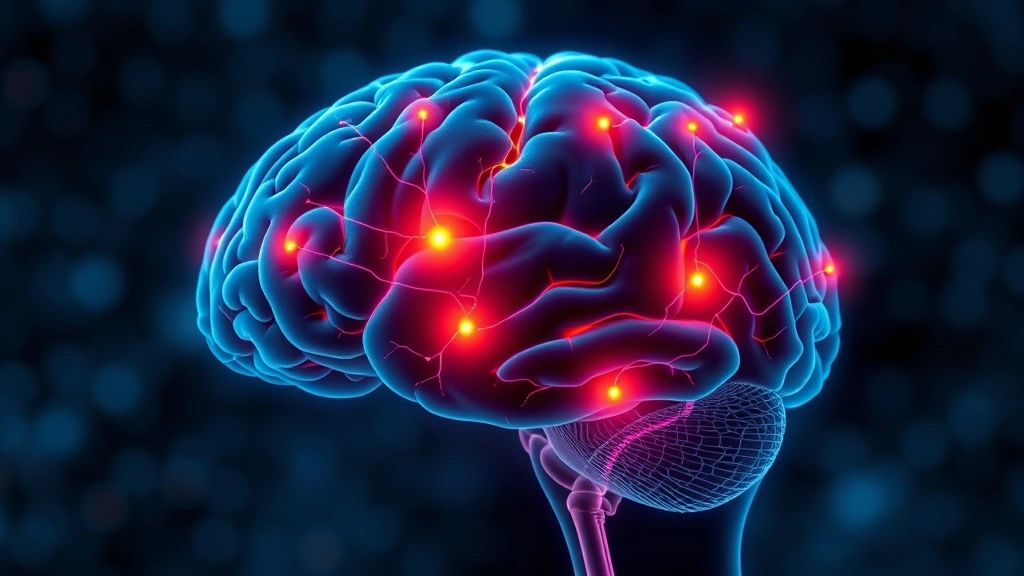
Mindfulness, defined as non-judgmental awareness of present-moment experience, operates through several distinct neurobiological pathways that influence pain perception. Functional magnetic resonance imaging (fMRI) studies have demonstrated that regular mindfulness practice produces measurable changes in brain regions responsible for pain processing, emotional regulation, and self-referential thinking. These changes occur in the prefrontal cortex, anterior cingulate cortex, and insula—areas critical for translating physical sensations into the subjective experience of pain.
When practiced consistently, mindfulness reduces activity in the default mode network, a brain system associated with rumination, worry, and catastrophic thinking about pain. Simultaneously, it strengthens connections between the prefrontal cortex and pain-processing regions, essentially giving the conscious mind greater regulatory control over pain perception. This neuroplasticity—the brain’s ability to rewire itself through experience—means that mindfulness is not merely a distraction technique but a fundamental retraining of how the nervous system processes and responds to pain signals.
Research from leading institutions has shown that mindfulness increases gray matter density in regions associated with learning, memory, and emotional regulation while decreasing activity in areas linked to pain amplification. A landmark study published in Nature Reviews Neurology revealed that mindfulness-based interventions produce unique neurobiological changes distinct from simple relaxation or distraction, suggesting that the mechanism is not merely about taking attention away from pain but fundamentally altering how pain is processed at the neural level.
The stress-reduction component of mindfulness also plays a crucial role. Chronic pain and stress create a vicious cycle: pain triggers stress responses, which increase muscle tension and inflammation, which intensify pain. By reducing stress through mindfulness practice, patients interrupt this cycle, lowering cortisol levels and reducing the inflammatory cascade that perpetuates tendonitis symptoms. This dual mechanism—direct neural changes plus stress reduction—explains why mindfulness offers advantages beyond conventional pain management approaches.
Clinical Evidence for Mindfulness in Tendonitis Management
The empirical support for mindfulness in managing musculoskeletal pain conditions has grown substantially. Multiple randomized controlled trials have demonstrated that mindfulness-based stress reduction (MBSR) programs significantly reduce pain intensity and improve functional outcomes in patients with chronic musculoskeletal conditions. While most research has focused on conditions like chronic low back pain and fibromyalgia, the underlying mechanisms are directly applicable to shoulder tendonitis.
A systematic review examining mindfulness interventions for chronic pain found that effect sizes for pain reduction ranged from moderate to large, with improvements comparable to or exceeding those achieved through conventional pharmacological approaches. Importantly, these benefits persisted at follow-up assessments months after the mindfulness intervention concluded, suggesting that the changes produced by mindfulness are durable and represent genuine neurobiological adaptation rather than temporary relief.
Research from JAMA (Journal of the American Medical Association) has demonstrated that mindfulness-based interventions produce improvements in pain-related disability and emotional distress that are sustained over extended follow-up periods. For shoulder tendonitis specifically, studies examining mindfulness combined with physical therapy approaches have shown superior outcomes compared to physical therapy alone, with patients reporting both reduced pain intensity and improved shoulder function.
The mechanisms appear particularly robust for individuals with centralized pain—pain that has become amplified by nervous system sensitization. In these cases, addressing the psychological and neurological components of pain through mindfulness becomes especially critical, as structural interventions alone prove insufficient. Expert clinicians increasingly recognize that a comprehensive approach incorporating both tissue-level interventions and mind-body techniques produces optimal outcomes.
Integrating Mindfulness with Physical Therapy Treatment
The most effective approach to shoulder tendonitis combines evidence-based physical therapy treatment with mindfulness-based strategies. Physical therapy addresses the mechanical and structural aspects of tendonitis—restoring strength, improving movement patterns, and gradually increasing load tolerance—while mindfulness addresses the neurological and psychological dimensions of pain perception. This integration creates a synergistic effect exceeding what either approach achieves independently.
Physical therapists increasingly incorporate mindfulness principles into treatment protocols. Pain neuroscience education—helping patients understand how pain is produced and modulated by the nervous system—combined with mindfulness practice, creates a powerful framework for recovery. When patients understand that their pain can be influenced by attention, stress, and psychological state, they become more engaged in mindfulness practice and more receptive to the neural retraining it provides.
Practical integration might include beginning each physical therapy session with brief mindfulness breathing exercises to calm the nervous system before exercise. During therapeutic exercises, patients practice maintaining mindful awareness of movement, sensation, and breath rather than tensing against anticipated pain. This approach reduces protective muscle guarding, which often perpetuates tendonitis, and allows for more effective therapeutic loading. Post-session, guided body scans help patients develop awareness of residual tension and practice releasing it through mindful relaxation.
The sequence of intervention matters significantly. Initial pain reduction through mindfulness and conservative measures creates the window of opportunity for progressive physical therapy. As pain diminishes and function improves, continued mindfulness practice prevents the return of maladaptive pain processing patterns. This temporal integration ensures that both interventions work synergistically rather than competing for the patient’s resources and attention.
Practical Mindfulness Techniques for Shoulder Pain Relief
Several specific mindfulness techniques have demonstrated particular effectiveness for shoulder tendonitis. These practices can be learned through formal instruction, apps, or guided recordings and integrated into daily routines. Consistency matters more than duration; even 10-15 minutes of daily practice produces measurable benefits within 4-8 weeks for most practitioners.
Body Scan Meditation: This foundational practice involves systematically directing attention through different body regions, noticing sensations without judgment. For shoulder tendonitis, particular attention to the shoulder girdle helps develop refined awareness of tension patterns and inflammation. This awareness enables early detection of symptom escalation and allows for intervention before pain intensifies.
Mindful Breathing: Diaphragmatic breathing activates the parasympathetic nervous system, directly opposing the stress response that amplifies pain. Techniques such as box breathing (equal-duration inhale, hold, exhale, hold) or extended exhale breathing (exhale twice as long as inhale) produce rapid nervous system calming. Practicing this during physical therapy exercises helps patients remain relaxed while loading affected tissues.
Pain-Specific Mindfulness: Rather than avoiding awareness of shoulder pain, this technique involves directing curious, non-judgmental attention toward pain sensations. Patients observe pain qualities—location, intensity, temperature, texture—as neutral sensory data rather than threatening signals. This approach, sometimes called “urge surfing,” reduces the emotional reactivity to pain that amplifies suffering.
Movement Meditation: Tai chi, qigong, and mindful movement practices combine physical activity with meditation, making them particularly valuable for shoulder tendonitis recovery. These practices develop body awareness, improve proprioception, and gently strengthen tissues while maintaining the meditative state that reduces pain perception.
Loving-Kindness Meditation: This practice cultivates compassion toward oneself and others, directly addressing the frustration and negative self-talk that often accompany chronic pain. Research shows that self-compassion correlates with better pain outcomes and reduced emotional distress, making loving-kindness meditation a valuable complement to other techniques.
Expert Recommendations and Professional Insights
Leading pain neuroscientists and rehabilitation specialists increasingly advocate for integrated approaches combining mindfulness with conventional treatment. Dr. Lorimer Moseley, a prominent pain neuroscientist, emphasizes that pain is fundamentally a protective output of the nervous system that can be modulated through understanding and attention. From this perspective, mindfulness represents a sophisticated method of retraining the nervous system’s pain protection mechanisms.
Physical medicine and rehabilitation specialists recommend that patients with shoulder tendonitis explore red light therapy near me and other adjunctive modalities alongside mindfulness and physical therapy. Some evidence suggests that multi-modal approaches addressing inflammation, tissue healing, neural function, and psychological factors produce superior outcomes compared to single-intervention strategies.
Mental health professionals working with chronic pain patients emphasize that mindfulness should not be presented as a replacement for necessary medical care but as an enhancement. Patients sometimes interpret recommendations for mindfulness as suggesting their pain is “all in their head,” which can breed resentment and reduce engagement. Effective communication frames mindfulness as addressing the real neurobiological mechanisms through which the nervous system produces and amplifies pain—a legitimate medical intervention grounded in neuroscience.
Expert consensus suggests that mindfulness is most effective when integrated into comprehensive care that includes appropriate medical evaluation, physical therapy, ergonomic optimization, and lifestyle modification. The timing of introduction matters; beginning mindfulness early in tendonitis treatment, before pain becomes chronic and centralized, produces better outcomes than attempting to address established central sensitization.
Many experts recommend starting with formal mindfulness-based stress reduction programs, which provide structured instruction and community support. Research indicates that MBSR programs produce larger effect sizes than informal self-directed practice, likely due to the accountability, instruction quality, and social support these programs provide. After completing formal training, patients can maintain benefits through independent practice.
Limitations and When to Seek Additional Treatment
While mindfulness offers significant benefits for many patients with shoulder tendonitis, important limitations and contraindications exist. Mindfulness is not appropriate as a sole treatment for acute tendonitis requiring rest and anti-inflammatory management. Patients with severe pain, significant functional limitation, or progressive neurological symptoms require prompt medical evaluation to exclude serious pathology.
Some individuals experience difficulty with meditation or mindfulness practice, particularly those with certain psychiatric conditions or trauma histories. In these cases, alternative approaches such as cognitive-behavioral therapy, acceptance and commitment therapy, or other evidence-based psychological interventions may be more appropriate. A qualified mental health professional can help identify the best approach for individual circumstances.
Mindfulness should not delay necessary medical interventions. If conservative treatment including physical therapy and mindfulness produces insufficient improvement after 8-12 weeks, patients should pursue additional diagnostic evaluation and consider interventions such as corticosteroid injections, platelet-rich plasma therapy, or other advanced treatments. Some cases require surgical intervention, which mindfulness complements but does not replace.
The National Institutes of Health emphasizes the importance of individualized treatment planning, recognizing that optimal management varies based on symptom severity, chronicity, psychological factors, and individual preferences. For comprehensive guidance on shoulder tendonitis management, consulting with healthcare providers experienced in both conventional rehabilitation and mind-body medicine is essential.
Additionally, patients seeking therapy cost information should recognize that while mindfulness-based stress reduction programs represent an investment, they often prove cost-effective when compared to long-term medication use, repeated medical visits, or lost productivity from persistent pain. Many insurance plans cover MBSR programs, particularly when prescribed by healthcare providers.
FAQ
How long does it take for mindfulness to reduce shoulder tendonitis pain?
Most individuals begin noticing measurable improvements in pain perception and stress levels within 4-8 weeks of consistent daily practice. However, significant neurobiological changes underlying pain modulation develop gradually. Research suggests that meaningful alterations in pain processing require sustained practice over months. The most dramatic improvements typically occur when mindfulness is combined with active physical therapy and other conventional treatments.
Can mindfulness replace physical therapy for shoulder tendonitis?
No. While mindfulness offers significant benefits for pain perception and psychological factors, physical therapy addresses mechanical dysfunction and tissue healing that mindfulness alone cannot achieve. Optimal outcomes result from integrating both approaches. Physical therapy restores strength and movement patterns while mindfulness optimizes nervous system function and pain processing.
What type of mindfulness practice works best for tendonitis?
Research suggests that formal mindfulness-based stress reduction programs produce larger effect sizes than informal practice, though individual preferences vary. Combining multiple techniques—body scans, breathing exercises, movement meditation, and pain-specific mindfulness—addresses different aspects of pain experience. Working with a qualified instructor to identify techniques matching individual preferences and learning style maximizes engagement and outcomes.
Are there any risks associated with mindfulness practice for shoulder pain?
Mindfulness is generally safe, though some individuals experience temporary emotional discomfort as they develop awareness of previously avoided sensations or emotions. This typically resolves quickly and represents a normal part of the process. Individuals with certain psychiatric conditions should discuss mindfulness with their healthcare provider. Mindfulness should complement, not replace, necessary medical care.
How do I know if mindfulness is working for my tendonitis?
Track specific, measurable outcomes: pain intensity on a 0-10 scale, functional limitations (range of motion, ability to perform specific activities), sleep quality, and emotional distress. Many patients notice improved sleep and reduced stress before pain intensity decreases. Maintain a simple log documenting daily practice and associated changes in these measures to objectively assess progress.
Should I combine mindfulness with other treatments like red light therapy?
Yes. Red light therapy may complement mindfulness by reducing inflammation and promoting tissue healing at the structural level while mindfulness addresses neurological and psychological components. Multi-modal approaches addressing pain through multiple mechanisms often produce superior outcomes. Discuss potential treatment combinations with your healthcare provider to ensure compatibility and optimal sequencing.