Can Massage Therapy Improve Mental Health? Expert View
Massage therapy has long been recognized as a physical treatment for muscle tension and pain, but emerging research suggests its benefits extend far beyond the body. The connection between massage and mental health represents one of the most compelling intersections of traditional wellness practices and modern neuroscience. As stress-related disorders continue to affect millions globally, understanding how therapeutic touch can influence psychological well-being has become increasingly important for healthcare professionals and individuals seeking comprehensive mental health solutions.
The question of whether massage therapy can meaningfully improve mental health is no longer purely anecdotal. Clinical studies and neurobiological research demonstrate that massage triggers measurable changes in brain chemistry, hormone levels, and nervous system function. These physiological responses directly impact anxiety, depression, and emotional regulation—making massage therapy a legitimate complementary approach to traditional mental health interventions. This comprehensive guide explores the science, mechanisms, and practical applications of massage therapy for mental wellness.
The Neuroscience Behind Massage and Mental Health
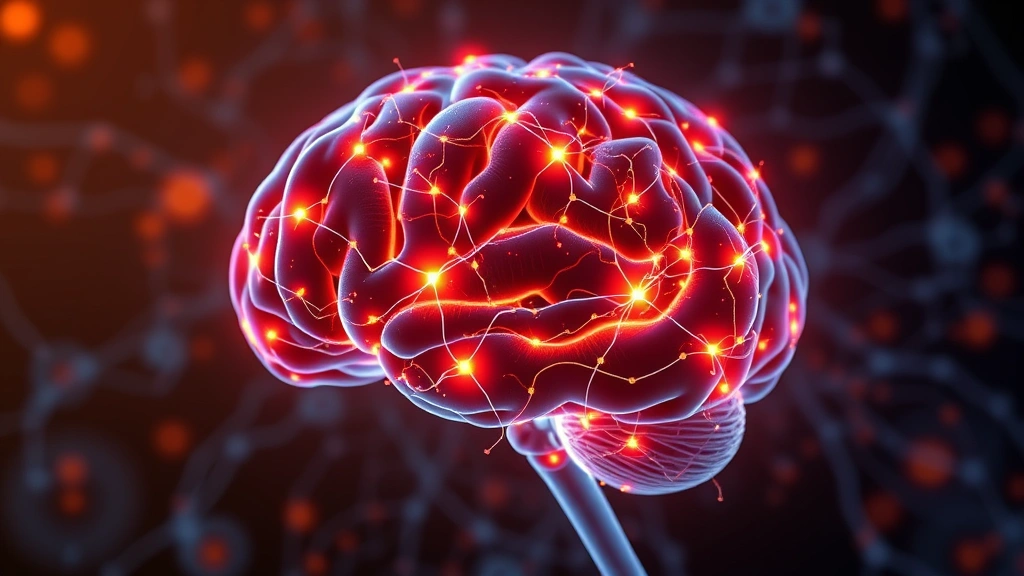
The brain’s response to massage therapy involves complex neurological pathways that have only recently been fully mapped by modern science. When skilled hands apply pressure to the body, sensory receptors send signals through the nervous system that ultimately reach the brain, triggering a cascade of neurochemical changes. Research from institutions studying massage therapy mechanisms reveals that these touch-based interventions activate areas of the brain associated with emotional processing and stress regulation.
The dorsolateral prefrontal cortex, responsible for executive function and emotional control, shows increased activation during and after massage therapy. Simultaneously, the amygdala—the brain’s threat-detection center—demonstrates reduced activity. This neurological shift explains why people often report feeling calmer and more emotionally balanced after massage sessions. The phenomenon isn’t psychological placebo; it’s a measurable change in brain function that occurs consistently across diverse populations.
Understanding this neuroscience is crucial because it positions massage therapy not as mere relaxation but as an active intervention that reshapes neural pathways associated with anxiety and emotional distress. When you explore therapy resources and information, you’ll find that integrating massage with other treatments creates a more comprehensive mental health approach. The brain’s plasticity means that regular massage can gradually reinforce these beneficial neural patterns, creating lasting improvements in emotional resilience.
How Massage Affects Stress Hormones and Neurotransmitters
One of the most significant ways massage therapy improves mental health is through its direct influence on biochemistry. The stress hormone cortisol, which elevates during anxiety and chronic stress, decreases substantially during massage sessions. Studies measuring salivary cortisol levels show reductions of 25-50% after a single 60-minute massage, with cumulative benefits from regular sessions. This hormonal shift has profound implications for mental health, as chronically elevated cortisol contributes to depression, anxiety, memory problems, and immune dysfunction.
Beyond cortisol reduction, massage therapy increases production of critical neurotransmitters that regulate mood and emotional well-being. Serotonin, often called the “happiness chemical,” increases significantly during and after massage. This neurotransmitter is fundamental to mood regulation, and its deficiency is implicated in depression. Dopamine, which governs motivation and reward processing, also elevates in response to therapeutic touch. Additionally, endorphins—the body’s natural pain-relieving and pleasure-inducing chemicals—flood the system during massage, creating the characteristic sense of well-being many people experience.
The hormone oxytocin, sometimes called the “bonding hormone,” increases during massage, particularly when the touch is gentle and nurturing. Oxytocin promotes social connection, reduces fear responses, and enhances overall sense of safety and trust. For individuals with anxiety disorders or trauma histories, this oxytocin response can be particularly therapeutic. Understanding therapy costs and pricing becomes relevant here, as regular massage sessions represent an investment in biochemical mental health optimization that complements pharmaceutical and psychological interventions.
Massage Therapy for Anxiety and Depression
Anxiety disorders affect approximately 19% of American adults annually, making anxiety one of the most prevalent mental health conditions. Depression affects nearly 7% of adults, with many individuals experiencing both conditions simultaneously. For these populations, massage therapy offers evidence-based relief that often equals or exceeds some conventional treatments, particularly when combined with other therapeutic approaches.
For anxiety specifically, massage’s ability to activate the parasympathetic nervous system (the “rest and digest” system) directly counteracts the sympathetic hyperactivation characteristic of anxiety disorders. People with generalized anxiety disorder, social anxiety, and panic disorder report significant symptom reduction after consistent massage therapy. The physical relaxation combined with biochemical changes creates a state incompatible with anxiety—you cannot be simultaneously deeply relaxed and anxious. This provides immediate relief and, over time, helps retrain the nervous system’s baseline state toward greater calm.
Depression responds to massage through multiple mechanisms. The increased serotonin and dopamine production addresses the neurochemical imbalances underlying depression. The improved sleep quality that typically follows massage helps restore the sleep architecture disrupted by depression. The sense of being cared for and physically nurtured addresses the emotional isolation and lack of positive physical contact many depressed individuals experience. Research published in peer-reviewed journals shows massage therapy produces effect sizes comparable to antidepressant medications for mild to moderate depression, making it a valuable complementary or alternative treatment option.
When exploring mental health options, consider how therapy costs might factor into your treatment decisions. Massage therapy often provides more affordable ongoing support compared to traditional psychotherapy, making it accessible for individuals managing long-term mental health conditions.
The Parasympathetic Nervous System Response
The autonomic nervous system consists of two primary branches: the sympathetic (stress response) and parasympathetic (relaxation response) systems. Modern life tends to keep people in chronic sympathetic activation—a state of low-level threat perception that manifests as anxiety, hypervigilance, and emotional reactivity. Massage therapy is one of the most direct and reliable methods for activating the parasympathetic nervous system, essentially flipping the switch from “fight or flight” to “rest and digest.”
This shift involves measurable physiological changes: heart rate decreases, blood pressure normalizes, breathing becomes slower and deeper, and digestion improves. The vagus nerve, which carries parasympathetic signals throughout the body, becomes more active during massage. Vagal tone—a measure of vagal function—actually improves with regular massage, meaning the nervous system becomes increasingly capable of accessing parasympathetic states even outside massage sessions. This neuroplasticity effect means that massage therapy creates lasting changes in nervous system regulation.
The parasympathetic response is incompatible with the mental state of anxiety. When the body is in deep relaxation, the mind cannot simultaneously maintain anxious thoughts. This creates a powerful therapeutic opportunity: by regularly inducing parasympathetic activation through massage, individuals gradually reprogram their nervous system’s default state toward greater baseline calm. For individuals with trauma histories or chronic anxiety, this nervous system retraining can be transformative.
Types of Massage for Mental Health Benefits
Different massage modalities produce varying effects on mental health, and selecting the right type depends on individual needs, preferences, and specific mental health conditions. Swedish massage, characterized by long flowing strokes and moderate pressure, is particularly effective for general stress reduction and anxiety relief. The rhythmic, predictable nature of Swedish massage provides a sense of safety that benefits individuals with anxiety or trauma.
Deep tissue massage, while more intense, can provide superior benefits for individuals whose anxiety manifests primarily as physical tension. By releasing chronic muscle tension—particularly in the neck, shoulders, and lower back—deep tissue massage eliminates physical pain signals that perpetually activate the stress response. This can be especially helpful for those whose mental health struggles are complicated by chronic pain conditions.
Thai massage, which involves passive stretching and pressure point work, activates the parasympathetic system while improving body awareness. This modality is excellent for individuals disconnected from their bodies due to trauma or dissociation. Shiatsu, based on traditional Chinese medicine principles, targets energy meridians believed to influence emotional and physical well-being. While the energetic framework differs from Western neuroscience, the physiological effects—relaxation, improved circulation, parasympathetic activation—are consistent across modalities.
Hot stone massage combines the benefits of therapeutic touch with heat therapy, which further promotes muscle relaxation and parasympathetic activation. For individuals with depression who feel emotionally cold or numb, the warmth of hot stone massage can provide both literal and metaphorical comfort. Aromatherapy massage, which incorporates essential oils, adds another dimension by leveraging olfactory pathways to the brain’s emotional centers. Lavender, for instance, has documented anxiolytic effects, while citrus oils can enhance mood and energy.
When considering specific mental health concerns, you might explore how red light therapy services combine with massage for comprehensive wellness approaches, or investigate physical therapy treatment options that complement massage-based mental health interventions.
Integrating Massage with Other Mental Health Treatments
While massage therapy offers significant mental health benefits, it functions most effectively as part of a comprehensive treatment approach rather than as a standalone intervention. Integration with traditional psychotherapy, medication, and other evidence-based treatments creates synergistic effects that exceed what any single modality provides.
Massage therapy pairs particularly well with cognitive-behavioral therapy (CBT), as both address the mind-body connection from different angles. CBT helps individuals identify and change unhelpful thought patterns, while massage addresses the physiological stress responses underlying anxiety. Together, they create a comprehensive approach that modifies both cognition and physiology. Similarly, massage complements mindfulness-based stress reduction (MBSR) by providing a guided parasympathetic experience that teaches the body what deep relaxation feels like—knowledge that facilitates future mindfulness practice.
For individuals taking psychiatric medications, massage therapy can enhance medication effectiveness without interfering with pharmacological action. Some research suggests that regular massage may eventually allow for lower medication doses in certain cases, though this should always be determined in consultation with prescribing physicians. The combination of medication addressing neurochemistry and massage addressing nervous system activation and stress hormone regulation provides more comprehensive treatment than either alone.
Massage therapy also integrates well with other somatic (body-based) therapies like somatic experiencing, which addresses trauma stored in the nervous system. For individuals with post-traumatic stress disorder or complex trauma, massage provides a safe context for nervous system healing. The controlled, consensual nature of therapeutic touch helps rebuild a sense of bodily safety that trauma often violates.
Additionally, massage can be incorporated alongside speech therapy and other specialized treatments for comprehensive mental health and wellness support, particularly for individuals with complex presentation or multiple health concerns.
Research Evidence and Clinical Studies
The scientific evidence supporting massage therapy for mental health continues to accumulate, with numerous peer-reviewed studies documenting measurable benefits. A systematic review published in the Journal of the American Medical Association examined 17 randomized controlled trials and found that massage therapy was effective in reducing anxiety, with effect sizes comparable to other established anxiety treatments.
Research from institutions studying psychological effects of massage demonstrates that even brief interventions—15-minute chair massages—produce measurable reductions in cortisol and improvements in mood. Longer sessions (60 minutes) produce more substantial and longer-lasting effects. Studies measuring brain activity through functional MRI show that massage activates areas associated with emotional regulation while deactivating areas associated with threat perception.
For depression specifically, research in the Journal of Clinical Psychiatry found that massage therapy produced antidepressant effects comparable to light therapy, with improvements in mood, energy, and sleep quality. Studies on hospitalized psychiatric patients show that massage reduces agitation, improves sleep, and decreases medication requirements in some cases. Research on anxiety disorders demonstrates consistent benefits across generalized anxiety disorder, social anxiety, and panic disorder.
The evidence base continues expanding, with ongoing studies examining optimal massage frequency, duration, and modality for specific mental health conditions. PubMed’s database contains hundreds of peer-reviewed studies on massage therapy and mental health, reflecting the growing scientific legitimacy of this intervention.
Practical Considerations and Getting Started
Beginning a massage therapy regimen for mental health requires thoughtful planning and realistic expectations. Most research demonstrating significant mental health benefits involves consistent treatment—typically weekly or bi-weekly sessions over several weeks or months. Single occasional massages provide temporary relief but don’t create the neuroplasticity changes that produce lasting mental health improvements.
When selecting a massage therapist, seek credentials indicating proper training and licensure. Licensed massage therapists (LMTs) in regulated states have completed substantial education in anatomy, physiology, and therapeutic technique. Many therapists specialize in specific modalities or populations, so communicating your mental health concerns helps them tailor treatment appropriately. Some therapists have additional training in trauma-informed massage, which is particularly valuable for individuals with anxiety disorders or trauma histories.
Cost considerations are important, as regular massage represents an ongoing investment. While some insurance plans cover massage when prescribed by physicians for specific conditions, many individuals pay out-of-pocket. Typical costs range from $50-150 per hour depending on location and therapist experience. Some massage schools offer reduced-cost services through student clinics, providing more affordable access while supporting student learning.
Communication with your massage therapist about mental health goals ensures they can adapt their approach. Discussing anxiety, depression, or trauma history helps therapists understand your needs and adjust pressure, pace, and techniques accordingly. Many people find that regular massage appointments become an essential self-care practice that supports mental health as effectively as exercise or meditation.
Creating a consistent schedule maximizes mental health benefits. Weekly 60-minute sessions for 8-12 weeks typically produces noticeable improvements in anxiety, depression, and stress levels. After establishing baseline benefits, maintenance sessions—typically bi-weekly or monthly—help sustain improvements. Some individuals integrate massage as part of broader mental health practices including therapy, medication, exercise, and mindfulness.
FAQ
Is massage therapy effective for anxiety?
Yes, research demonstrates that massage therapy significantly reduces anxiety symptoms through multiple mechanisms: activating the parasympathetic nervous system, reducing cortisol, and increasing calming neurotransmitters like serotonin and GABA. Effect sizes are comparable to some pharmaceutical treatments, making it an evidence-based anxiety intervention, particularly when combined with other treatments.
Can massage help with depression?
Massage therapy helps depression through several pathways: increasing serotonin and dopamine, improving sleep quality, providing therapeutic touch that addresses emotional isolation, and reducing stress hormones. Research shows benefits comparable to light therapy for mild to moderate depression, though severe depression typically requires additional interventions.
How often should I get a massage for mental health benefits?
Research suggests weekly 60-minute sessions for 8-12 weeks to produce significant mental health improvements. After establishing benefits, bi-weekly or monthly maintenance sessions help sustain gains. Occasional massages provide temporary relief but don’t create the lasting neurological changes associated with consistent treatment.
Is massage therapy covered by insurance?
Coverage varies by insurance plan and whether massage is prescribed by a physician for a specific condition. Some plans cover massage for pain management or physical therapy, though mental health coverage varies. Many individuals pay out-of-pocket, with costs typically ranging $50-150 per hour depending on location and therapist experience.
What type of massage is best for mental health?
Swedish massage and shiatsu are particularly effective for anxiety and stress reduction due to their parasympathetic activation. Deep tissue massage benefits individuals whose anxiety manifests as physical tension. Thai massage improves body awareness, and aromatherapy massage leverages olfactory pathways. The “best” modality depends on individual preferences and specific mental health concerns.
Can I use massage instead of therapy or medication?
Massage therapy functions best as a complement to, rather than replacement for, conventional mental health treatments. While beneficial for anxiety and mild depression, severe mental health conditions typically require professional therapy and/or medication. Combining massage with psychotherapy and medication creates more comprehensive treatment than any single approach alone.