
Scream Therapy: Can It Really Aid Mental Health?
Scream therapy, also known as primal scream therapy, has emerged as a controversial yet intriguing approach to emotional release and mental wellness. Originating in the 1960s, this therapeutic technique involves deliberately vocalizing intense emotions through screaming or shouting in a controlled environment. Proponents argue that allowing suppressed emotions to surface through sound can provide cathartic relief, while skeptics question whether such methods address underlying psychological issues or merely provide temporary emotional discharge.
The concept of using vocalization for therapeutic benefit has roots in various cultural and psychological traditions, but modern scream therapy gained prominence through psychotherapist Arthur Janov’s work. Today, mental health professionals remain divided on its efficacy, with some incorporating elements of expressive vocalization into broader treatment frameworks while others advocate for evidence-based alternatives. This comprehensive exploration examines the scientific foundation, practical applications, and genuine mental health benefits of scream therapy.
What Is Scream Therapy and Its Origins
Scream therapy represents a form of expressive therapy that encourages individuals to vocalize repressed emotions, particularly anger, frustration, and pain, through controlled screaming or intense vocalization. Unlike uncontrolled emotional outbursts, therapeutic screaming occurs within a structured framework with professional guidance. The therapist creates a safe space where clients can express emotions without judgment, distinguishing this approach from spontaneous anger expression.
Arthur Janov introduced primal scream therapy in the late 1960s, theorizing that modern society encourages emotional suppression, leading to neuroses and psychological distress. His primal therapy model proposed that accessing and expressing primal pain—often rooted in childhood experiences—could facilitate healing. While Janov’s original framework has faced significant criticism from the psychological community, elements of his work influenced contemporary expressive and somatic therapies. Today, practitioners integrate vocalization techniques into therapy for generational trauma and other emotional processing modalities.
The therapeutic approach differs markedly from catharsis theory, which suggests that releasing emotions through aggressive expression automatically reduces psychological distress. Modern understanding recognizes that screaming alone, without cognitive processing and emotional integration, may provide only temporary relief rather than lasting therapeutic benefit.

The Science Behind Emotional Release
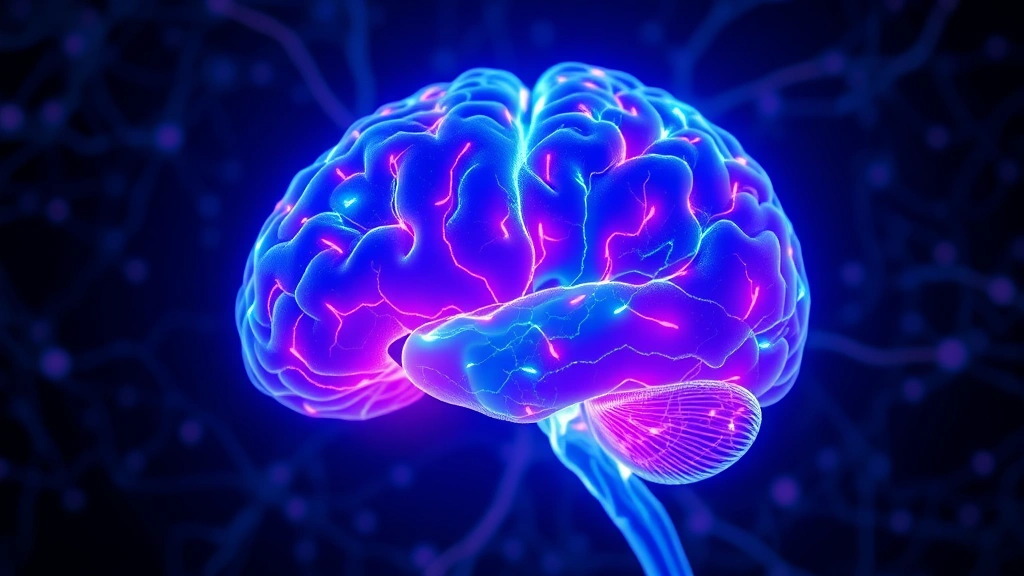
Neuroscientific research reveals complex mechanisms underlying emotional expression and release. The amygdala, the brain’s emotional processing center, becomes activated during intense emotional states. When individuals suppress emotions chronically, neuroimaging studies suggest sustained amygdala activation, potentially contributing to anxiety and stress-related disorders. Conversely, structured emotional expression engages the prefrontal cortex, the brain region responsible for rational thought and emotional regulation.
A pivotal study published in Psychological Bulletin examined cathartic release across multiple therapeutic modalities, finding that simple venting without cognitive reframing often reinforces negative emotional patterns rather than resolving them. However, when emotional expression combines with cognitive processing, therapeutic outcomes improve significantly. This distinction proves crucial: screaming therapy achieves maximum benefit when integrated with talk therapy, cognitive restructuring, and behavioral strategies.
The vagus nerve, a critical component of the parasympathetic nervous system, responds to vocalization patterns. Controlled vocalization exercises can stimulate vagal tone, promoting the parasympathetic response that counteracts stress and anxiety. This physiological mechanism explains why some individuals report feeling calmer after therapeutic screaming sessions, though the effect may be temporary without complementary therapeutic work.
Research from Frontiers in Psychology indicates that expressive writing and vocalization activate similar neural pathways associated with emotional processing. However, vocalization’s advantage lies in its immediate physiological impact—the body processes sound vibrations, respiratory changes, and muscular engagement simultaneously, creating a multisensory emotional release experience.
Physiological Effects on the Body
Screaming generates measurable physiological changes throughout the body. During intense vocalization, respiratory patterns shift dramatically, increasing oxygen intake and circulation. Heart rate elevates, and stress hormone levels—particularly cortisol—initially spike before declining as the parasympathetic nervous system activates post-vocalization. This hormonal fluctuation creates the sensation of relief many clients report after therapeutic screaming sessions.
Muscle tension, a hallmark of emotional suppression, releases during intense vocalization. The diaphragm, throat, and chest muscles engage fully, potentially breaking patterns of chronic muscular tension associated with anxiety and trauma. Some practitioners compare therapeutic screaming to somatic therapies that address how emotions manifest physically in the body. This physical component distinguishes screaming therapy from purely cognitive approaches.
However, repeated intense screaming without vocal training carries risks. Vocal cord strain, laryngeal injury, and temporary hoarseness commonly occur with improper technique. Additionally, individuals with certain cardiovascular conditions, hypertension, or respiratory disorders may experience adverse effects from sudden intense vocalization and respiratory changes. Consultation with healthcare providers remains essential before beginning any intensive screaming practice.
The endocrine system responds to vocalization patterns, with some research suggesting that controlled vocalization modulates cortisol and adrenaline levels. These hormonal shifts explain the reported sense of calm following therapeutic sessions, though the duration of these effects varies significantly among individuals. Understanding these temporary physiological changes helps contextualize scream therapy’s role within comprehensive mental health treatment.
Scream Therapy Achievement in Clinical Settings
Clinical applications of scream therapy remain limited in traditional mental health settings, with most evidence emerging from specialized expressive therapy programs rather than randomized controlled trials. Some practitioners incorporate brief vocalization exercises into broader treatment frameworks, particularly for clients with anger management issues or trauma-related emotional numbing. MindLift Daily Blog therapy resources provide information about various therapeutic approaches, including expressive modalities.
Case studies and anecdotal reports suggest that certain individuals experience significant emotional breakthroughs during scream therapy sessions. Clients with long-standing emotional suppression, particularly those struggling to access feelings through traditional talk therapy, sometimes report enhanced emotional awareness after vocalization work. However, distinguishing between genuine therapeutic progress and temporary emotional catharsis requires careful assessment and follow-up.
Research limitations significantly constrain our understanding of scream therapy achievement. Most published studies lack control groups, use small sample sizes, or rely on self-report measures vulnerable to placebo effects. A comprehensive review in the Journal of Clinical Psychology found insufficient evidence to recommend scream therapy as a primary treatment for any specific mental health condition. However, researchers noted potential value as a complementary technique within integrated treatment plans.
The American Psychological Association has not endorsed primal scream therapy as an evidence-based treatment, though some therapists integrate vocal expression techniques into emotionally focused therapy, somatic experiencing, and trauma-informed care. The distinction between evidence-based practice and anecdotal benefit remains crucial when evaluating scream therapy achievement and its appropriate clinical applications.
Comparing Scream Therapy to Other Modalities
Cognitive-behavioral therapy (CBT), the gold standard for treating anxiety and depression, emphasizes identifying and modifying problematic thought patterns rather than merely expressing emotions. While CBT acknowledges the role of emotional experience, it prioritizes cognitive restructuring and behavioral change. Compared to scream therapy, CBT offers stronger empirical support and more direct pathways to symptom reduction.
Somatic therapies, including Somatic Experiencing and Sensorimotor Psychotherapy, share scream therapy’s emphasis on bodily experience but employ more nuanced approaches to processing trauma and emotion. These modalities work with the body’s natural responses to threat and stress, helping clients complete defensive responses interrupted during traumatic events. Unlike undirected screaming, somatic approaches provide structured guidance for processing physical sensations and emotions.
Expressive therapies encompassing art, music, dance, and drama therapy offer similar emotional release benefits with potentially broader accessibility. For instance, speech therapy near me services sometimes incorporate vocal exercises supporting emotional expression alongside communication goals. These modalities provide creative outlets for emotional processing without the intensity or potential vocal strain associated with screaming.
Mindfulness-based interventions, including mindfulness-based stress reduction (MBSR) and mindfulness-based cognitive therapy (MBCT), approach emotional regulation through present-moment awareness and acceptance rather than intense cathartic release. Research increasingly supports these approaches for anxiety, depression, and trauma recovery. The contrast between mindfulness’s gentle observation and scream therapy’s intense vocalization reflects different philosophical approaches to emotional healing.
Acceptance and Commitment Therapy (ACT) encourages individuals to accept difficult emotions while pursuing valued actions, rather than seeking emotional release or elimination. This approach addresses a key limitation of scream therapy: the assumption that emotional expression automatically leads to lasting psychological change. ACT’s emphasis on values-aligned behavior often produces more sustainable improvements than cathartic discharge alone.
Safety Considerations and Contraindications
While generally safe when practiced appropriately, scream therapy carries specific contraindications and safety considerations requiring professional attention. Individuals with uncontrolled hypertension, cardiovascular disease, or recent cardiac events should avoid intense vocalization without medical clearance. The sudden physiological changes accompanying screaming—elevated heart rate, blood pressure spikes, and respiratory intensity—may pose risks for vulnerable populations.
Psychiatric contraindications include active psychosis, acute manic episodes, and severe dissociative disorders. For individuals experiencing psychosis, intense emotional expression might exacerbate symptoms or trigger further decompensation. Those with dissociative tendencies require careful monitoring, as screaming therapy might intensify dissociative responses rather than facilitating grounding and integration.
Trauma survivors present a complex clinical picture. While some benefit from controlled vocalization, others may experience retraumatization or flashbacks triggered by intense emotional arousal. Proper trauma-informed assessment and gradual introduction of vocalization techniques, if appropriate, prove essential. Practitioners must distinguish between therapeutic processing and potentially harmful emotional flooding.
Vocal health considerations deserve emphasis. Individuals with voice disorders, chronic laryngitis, or history of vocal cord dysfunction should consult otolaryngologists before engaging in intensive screaming. Proper vocal technique—engaging the diaphragm rather than forcing sound from the throat—reduces injury risk but requires instruction and practice.
Ethical concerns arise when scream therapy is presented as a primary treatment for serious mental health conditions without evidence supporting its efficacy. Vulnerable individuals seeking help may be misled about its effectiveness, delaying access to evidence-based interventions. Professional organizations emphasize that screaming therapy, if used at all, should complement rather than replace established treatments.
Integrating Vocalization Into Mental Health
Modern mental health practice increasingly recognizes the value of integrating multiple therapeutic modalities rather than relying exclusively on single approaches. Vocalization techniques, including therapeutic screaming, may serve as complementary tools within comprehensive treatment plans addressing trauma, anger management, and emotional expression difficulties. The key lies in proper integration with cognitive, behavioral, and somatic work.
For clients struggling to access anger or grief—common issues in trauma recovery—controlled vocalization can facilitate emotional breakthrough. When combined with physical therapy treatment approaches addressing somatic holding patterns and emotional suppression, vocalization work may enhance overall therapeutic outcomes. However, practitioners must monitor whether clients are genuinely processing emotions or simply reinforcing patterns of emotional discharge without integration.
Group settings present both advantages and challenges for vocalization therapy. Witnessing others’ emotional expression can normalize feelings and encourage participation, but individuals may feel self-conscious or triggered by others’ intense affect. Carefully structured group protocols with adequate individual processing time maximize benefits while minimizing risks.
Integration with mindfulness practices offers promising potential. Teaching clients to observe thoughts and emotions arising during and after vocalization, without judgment, bridges the gap between cathartic expression and lasting change. This combination addresses both the immediate physiological relief screaming provides and the cognitive integration necessary for sustained improvement.
Professional training and credentials prove essential for practitioners offering scream therapy. Unlike some alternative approaches, vocalization work carries specific safety considerations requiring knowledge of contraindications, proper technique, and appropriate client screening. Therapists should maintain current training in trauma-informed care, somatic therapy, and evidence-based practices complementing any vocalization work.
Future research should employ rigorous methodologies to clarify scream therapy’s actual benefits, identify populations most likely to benefit, and determine optimal integration with established treatments. Until such evidence emerges, mental health professionals should present vocalization therapy as a potentially helpful complementary tool rather than a primary intervention, while emphasizing the importance of evidence-based core treatments.
FAQ
Does scream therapy actually work for anxiety?
Scream therapy provides temporary physiological relief for some individuals with anxiety, including reduced muscle tension and brief hormonal shifts. However, research does not support it as a primary anxiety treatment. Evidence-based approaches like cognitive-behavioral therapy and mindfulness-based interventions demonstrate superior long-term outcomes. Vocalization may complement these established treatments but should not replace them.
Can scream therapy cause psychological harm?
For most individuals, supervised vocalization in appropriate settings poses minimal psychological risk. However, those with trauma histories, dissociative disorders, or active psychosis may experience adverse effects including retraumatization, flashbacks, or symptom exacerbation. Professional assessment and trauma-informed implementation prove essential to minimize harm.
How does scream therapy differ from regular anger expression?
Therapeutic screaming occurs within a controlled, professional setting with specific intention and structure, typically followed by processing and integration work. Uncontrolled anger expression often reinforces aggressive patterns and may damage relationships or create safety concerns. The therapeutic context, professional guidance, and integration with other therapeutic work distinguish legitimate scream therapy from simple emotional venting.
Is scream therapy scientifically proven?
Scientific evidence for scream therapy remains limited. Most research consists of case studies, anecdotal reports, and small uncontrolled trials. Major psychological organizations, including the American Psychological Association, have not endorsed it as an evidence-based primary treatment. While some physiological effects are documented, the lack of rigorous clinical trials prevents strong scientific validation.
Can scream therapy help with trauma recovery?
Trauma recovery requires carefully structured approaches addressing both cognitive and somatic dimensions of traumatic experience. While controlled vocalization might facilitate some individuals’ emotional processing, evidence-based trauma treatments like Cognitive Processing Therapy and Prolonged Exposure demonstrate superior outcomes. Any vocalization work in trauma treatment requires careful professional assessment and integration with established protocols.
What should I look for in a scream therapy practitioner?
Qualified practitioners should hold credentials in mental health fields (licensed counselor, psychologist, or social worker), possess specific training in vocalization techniques and somatic therapy, understand trauma-informed care principles, maintain current knowledge of contraindications and safety considerations, and present vocalization work as complementary rather than primary treatment. Verify credentials through state licensing boards and professional organizations.
How does red light therapy near me compare to scream therapy?
Red light therapy and scream therapy represent entirely different modalities with distinct mechanisms and evidence bases. Red light therapy uses photobiomodulation for physical healing, while scream therapy addresses emotional expression. Neither constitutes a primary mental health treatment, and both should complement rather than replace evidence-based psychological interventions.