RSD Physical Therapy: Expert-Recommended Exercises for Pain Management and Recovery
Reflex Sympathetic Dystrophy (RSD), now more commonly known as Complex Regional Pain Syndrome (CRPS), is a chronic pain condition that typically affects a limb after an injury, surgery, stroke, or heart attack. The condition involves dysfunction of the peripheral and central nervous systems, resulting in disproportionate pain, swelling, changes in skin color and temperature, and reduced mobility. Physical therapy plays a crucial role in managing RSD symptoms and preventing further deterioration of function.
Expert-recommended physical therapy exercises are essential components of a comprehensive RSD treatment plan. These carefully designed movements and activities help restore function, reduce pain sensitivity, improve circulation, and enhance overall quality of life. Whether you’re dealing with early-stage RSD or managing chronic symptoms, understanding the right exercises and therapeutic approaches can make a significant difference in your recovery journey.
Understanding RSD and the Role of Physical Therapy
Complex Regional Pain Syndrome affects the nervous system’s ability to regulate pain signals, blood flow, and immune responses in the affected limb. The condition manifests through intense burning pain, edema (swelling), skin changes including color and temperature fluctuations, and progressive loss of function if left untreated. Physical therapy addresses these symptoms by retraining the nervous system, improving circulation, and restoring functional movement patterns.
The primary goals of physical therapy in RSD management include desensitization of the affected area, restoration of normal movement patterns, reduction of swelling, improvement of strength and endurance, and psychological coping strategies. Research published in peer-reviewed medical journals demonstrates that early intervention with appropriate physical therapy significantly improves outcomes and reduces the risk of chronic disability.
A multidisciplinary approach combining physical therapy treatment methods with occupational therapy, pain management, and psychological support yields the best results. Physical therapists trained in RSD management understand the delicate balance required—providing sufficient therapeutic stimulus to promote recovery without triggering pain amplification responses that can worsen the condition.
Early-Stage RSD Exercise Protocols
During the acute phase of RSD, typically the first few weeks following diagnosis, exercise focuses on gentle movement and edema management. The goal is to maintain joint mobility and prevent the development of contractures while avoiding excessive pain responses that could perpetuate the pain cycle.
Gentle Active Range of Motion Exercises: These exercises involve moving the affected joint through its available range without external force. Begin with small, controlled movements performed multiple times daily. For an affected hand, gentle finger flexion and extension, wrist circles, and shoulder movements help maintain mobility. Perform each movement slowly, holding briefly at the end range without forcing beyond comfortable limits.
Edema Management Techniques: Swelling is a significant feature of early RSD. Elevation combined with gentle compression and active muscle contractions helps reduce fluid accumulation. Perform gentle pumping movements—alternately tensing and relaxing muscles in the affected limb—to enhance lymphatic drainage. These isometric exercises (where muscles contract without joint movement) are particularly valuable in early stages.
Mirror Therapy and Visualization: Mirror therapy involves using a mirror to create the visual illusion of normal movement in the affected limb while observing your unaffected limb’s movements. This technique helps reprogram the nervous system’s perception of the affected area. Research demonstrates significant pain reduction and functional improvement through consistent mirror therapy practice.
Graded motor imagery complements mirror therapy by progressively retraining the nervous system. This involves recognizing whether movements are right-hand or left-hand movements, imagining movement without performing it, and finally executing the actual movement. This three-stage approach respects the nervous system’s need for gradual reintegration.
Progressive Strengthening and Range of Motion
As symptoms stabilize and pain becomes more manageable, progressive resistance exercises become appropriate. Strengthening prevents muscle atrophy and restores functional capacity, though progression must be carefully monitored to avoid exacerbating symptoms.
Isometric Strengthening Exercises: These static contractions build strength without joint movement, making them ideal for transitional phases. Squeeze a soft ball with affected fingers, hold for 5-10 seconds, and rest. Progress gradually by increasing hold duration or resistance level. Similar techniques apply to other affected areas—contract muscles without movement, hold briefly, and relax.
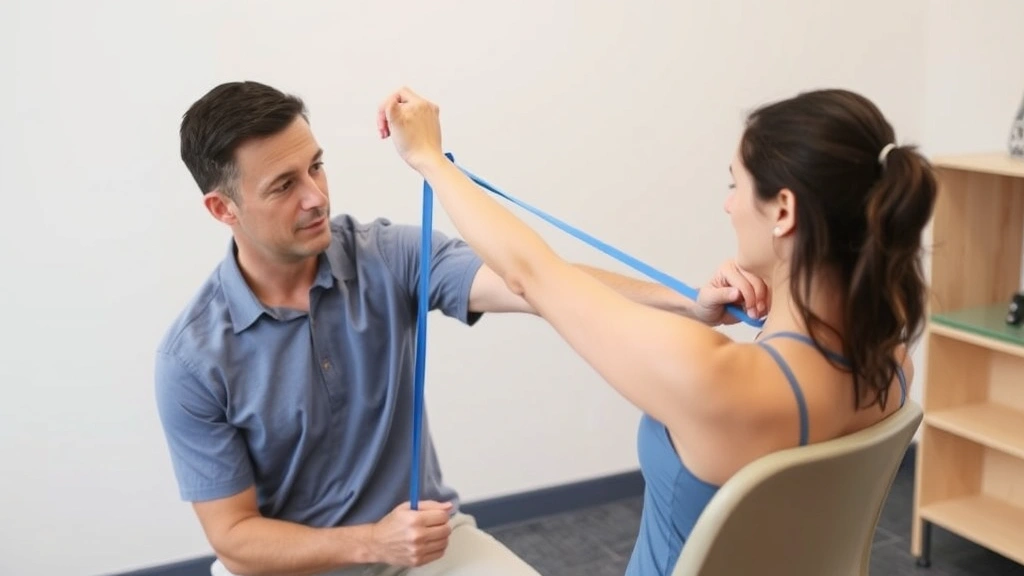
Isotonic Resistance Training: Once isometric exercises are well-tolerated, progress to movements against light resistance. Use resistance bands, light weights, or water resistance in a therapy pool. For example, shoulder abduction against band resistance, elbow flexion with light dumbbells, or ankle movements against water resistance. Start with 1-2 sets of 10-15 repetitions and progress gradually.
Functional Movement Patterns: Rather than isolated exercises, incorporate movements that simulate real-world activities. Reaching movements, gripping patterns, walking variations, and balance exercises prepare the limb for actual functional demands. This task-specific training improves motor control and confidence in using the affected limb.
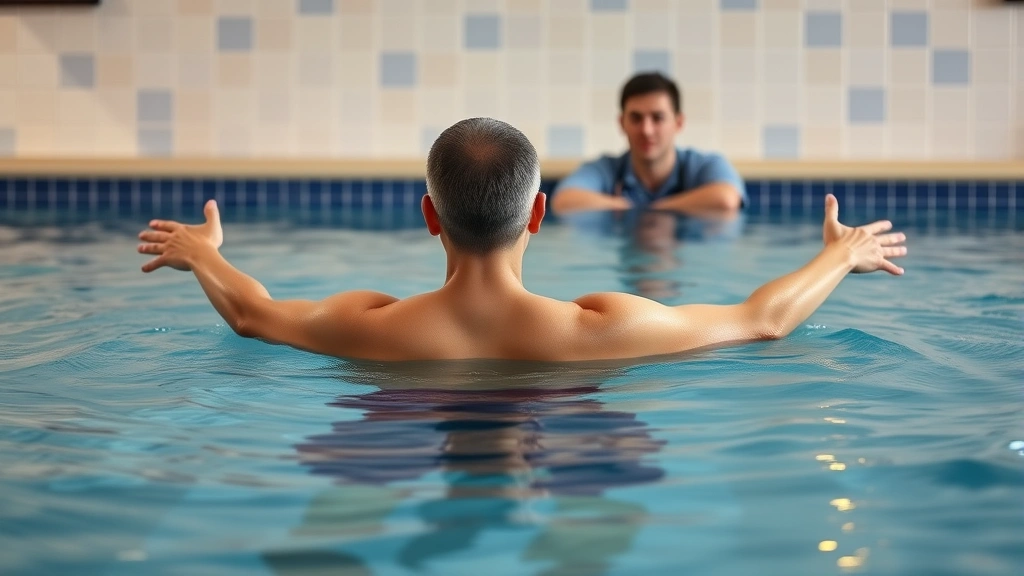
Aquatic therapy offers significant advantages for RSD rehabilitation. Water’s buoyancy reduces joint stress while providing resistance for strengthening. The hydrostatic pressure aids circulation and reduces swelling, while warm water promotes relaxation. Exercises performed in a pool environment are often better tolerated than land-based equivalents.
Pain Management Through Therapeutic Movement
Pain management in RSD extends beyond medication—therapeutic movement itself provides powerful pain-relieving effects through multiple mechanisms. Physical activity stimulates endogenous opioid release, reduces inflammatory markers, and promotes neuroplastic changes that decrease pain perception.
Graded Exposure and Desensitization: Gradual exposure to previously painful stimuli helps retrain the nervous system. Begin with light touch to the affected area, progressing to firmer pressure as tolerance improves. Use various textures—soft cloth, firm brush, water streams—to normalize sensory input. This desensitization process is crucial for pain reduction.
Aerobic Conditioning: Cardiovascular exercise provides systemic benefits for pain management. Walking, cycling, swimming, and other low-impact aerobic activities reduce pain perception, improve mood, enhance sleep quality, and promote overall healing. Start conservatively—10-15 minutes daily—and progress gradually based on symptom response.
Temperature modulation supports pain management and circulation. Contrast baths (alternating warm and cool water immersion) improve circulation and reduce swelling. Warm applications before exercise promote relaxation and improve tissue extensibility, while cool applications after exercise can reduce inflammation. Always consult your therapist about appropriate temperature protocols for your specific condition.
Movement-based mindfulness practices combine physical activity with psychological regulation. Activities like gentle yoga, tai chi, or qigong integrate body awareness, breathing control, and mindful movement to reduce pain perception and emotional distress associated with chronic pain.
Advanced Rehabilitation Techniques
As rehabilitation progresses, advanced techniques challenge the nervous system in increasingly sophisticated ways, promoting further functional recovery and pain reduction.
Proprioceptive Training: Balance and position-sense exercises retrain the nervous system’s awareness of limb position and movement. Single-leg stance, balance board activities, and closed-eyes reaching movements challenge proprioceptive systems. These exercises are particularly valuable for lower-limb RSD and help prevent falls while restoring normal movement patterns.
Cognitive Motor Training: Combining cognitive tasks with physical movement enhances neuroplasticity. Perform exercises while solving mental problems, remembering sequences, or maintaining attention to movement quality. This dual-task training activates higher brain centers and promotes more robust neural reorganization.
Sport-Specific or Activity-Specific Training: For individuals with occupational or recreational goals, task-specific training directly addresses those demands. A musician might perform finger exercises mimicking playing patterns; an athlete might perform sport-specific movements at progressive intensities. This goal-directed training enhances motivation and functional relevance.
Virtual reality and augmented reality technologies increasingly support RSD rehabilitation. These immersive environments provide engaging, repetitive practice with visual feedback, promoting neuroplasticity while maintaining motivation. Some systems specifically target pain perception through immersive distraction and motor learning.
Creating Your Personalized Exercise Plan
Effective RSD physical therapy requires individualization based on disease stage, symptom severity, affected location, and personal goals. Working with a qualified physical therapist experienced in RSD management is essential, though understanding general principles helps guide your rehabilitation journey.
Assessment and Baseline Measurement: Initial evaluation establishes baseline function through range of motion measurements, strength testing, swelling assessment, pain ratings, and functional capacity evaluation. Regular reassessment—typically every 2-4 weeks—tracks progress and guides exercise progression.
Progressive Overload Principles: Rehabilitation advances through carefully controlled progression. Increase exercise difficulty by adding resistance, increasing repetitions, reducing rest periods, or improving movement quality. Progress should be gradual—typically 5-10% increments—to avoid symptom exacerbation.
Frequency and duration matter significantly. Most RSD rehabilitation protocols recommend daily or near-daily exercise, often divided into multiple sessions throughout the day. This frequent, moderate-intensity approach prevents deconditioning while respecting pain limitations. Sessions might last 15-45 minutes depending on stage and tolerance.
Documentation and communication with your healthcare team ensure coordinated care. Keep records of exercises performed, repetitions, intensity levels, pain responses, and functional improvements. Share this information with your physical therapist, physician, and other team members to optimize your treatment plan.
Related information about therapy resources and finding qualified providers can help you locate experienced RSD specialists. Additionally, exploring complementary pain management approaches may provide additional benefits alongside physical therapy.
Common Mistakes to Avoid
Excessive Pain-Driven Progression: The most common mistake is pushing through severe pain, believing “no pain, no gain.” RSD requires respecting pain signals—mild discomfort during exercises is acceptable, but significant pain indicates overexertion and can worsen symptoms. Pain should not increase during the hours following exercise.
Inconsistent Exercise Performance: Sporadic exercise produces poor results. RSD requires consistent, frequent therapeutic movement. Missing sessions or exercising irregularly prevents neural adaptation and allows deconditioning to progress.
Isolated Joint Focus: Treating only the obviously affected joint neglects related areas. RSD affects the entire limb and often has systemic components. Comprehensive programs address proximal joints, trunk stability, and overall fitness.
Ignoring Psychological Factors: Pain catastrophizing, fear-avoidance, and depression significantly impact RSD outcomes. Integrating psychological support—whether through cognitive behavioral therapy, acceptance and commitment therapy, or pain psychology—enhances physical rehabilitation effectiveness. Exploring evidence-based psychological approaches complements physical therapy.
Inadequate Professional Guidance: Attempting RSD rehabilitation without professional oversight often leads to inappropriate progression, technique errors, and missed opportunities for intervention adjustment. Regular professional supervision ensures safety and optimal outcomes.
Environmental modifications support exercise consistency. Create a dedicated exercise space, establish routine exercise times, use reminders or alarms, and involve family members in accountability. These environmental supports significantly enhance adherence.
FAQ
How long does RSD physical therapy typically take?
Recovery timelines vary considerably based on disease stage at intervention, individual healing capacity, and adherence to therapy. Early-stage RSD with prompt intervention may show significant improvement within 3-6 months. Chronic RSD may require 6-12 months or longer of consistent therapy. Some individuals continue maintenance exercises indefinitely to prevent recurrence.
Can physical therapy cure RSD?
Physical therapy cannot “cure” RSD in the traditional sense, but it can achieve remission or significant symptom reduction. The goal is functional recovery and symptom management rather than complete disease elimination. Many individuals achieve normal or near-normal function with appropriate therapy and management.
What should I do if exercises increase my pain?
Increased pain indicates overexertion. Immediately reduce exercise intensity, duration, or frequency. Discuss changes with your physical therapist before your next session. Pain response guides appropriate progression—discomfort during exercise is acceptable, but post-exercise pain increase signals the need for modification.
Is physical therapy always necessary for RSD?
Physical therapy is considered standard of care for RSD management. While other treatments (medications, interventional procedures, psychological support) play important roles, physical therapy’s neuroplastic effects make it essential. Even individuals receiving other treatments benefit significantly from appropriate physical therapy.
Can I exercise at home, or do I need a clinic?
Both approaches have value. Initial assessment and periodic supervision by a qualified therapist ensure proper technique and appropriate progression. However, home-based exercise programs are practical and effective once you’ve learned proper techniques. A hybrid approach—periodic clinic visits for assessment and progression guidance combined with home exercise—often provides optimal results.
What’s the difference between RSD and CRPS?
RSD is the older terminology for what’s now called Complex Regional Pain Syndrome (CRPS). The name change reflects better understanding of the condition’s mechanisms. CRPS is the current standard medical term, though many patients and providers still use RSD interchangeably. The physical therapy approach remains consistent regardless of terminology.
For additional information about comprehensive therapy approaches and resources, explore the MindLift Daily therapy resources and consider investigating complementary therapy disciplines that support overall rehabilitation. Evidence-based information from organizations like the National Institute of Neurological Disorders and Stroke and research from the American Physical Therapy Association provide authoritative guidance on RSD management and rehabilitation strategies.