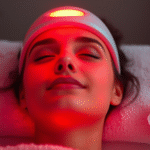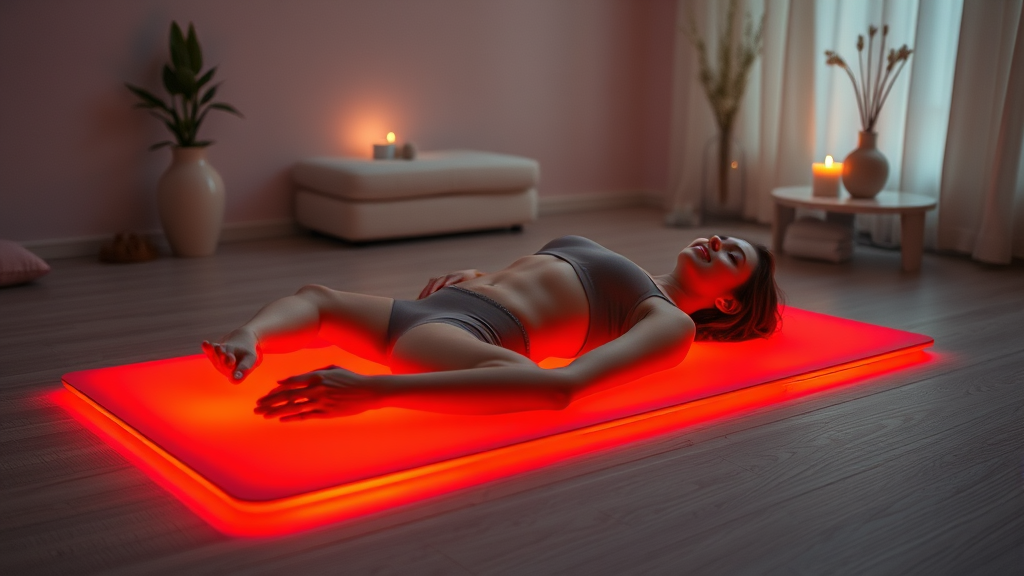
In our fast-paced modern world, stress and chronic pain have become unwelcome companions for millions of people. Whether you’re dealing with muscle tension from long workdays, joint discomfort from aging, or the persistent ache of stress manifesting physically in your body, finding effective relief can feel overwhelming. The constant search for solutions that are both safe and scientifically backed often leads us down paths filled with temporary fixes or treatments with concerning side effects.
Enter the revolutionary world of red light therapy mats – a gentle, non-invasive approach to wellness that’s gaining recognition in both medical and wellness communities. These innovative devices harness the power of specific wavelengths of light to potentially reduce inflammation, ease pain, and promote a profound sense of relaxation. Unlike harsh medications or invasive procedures, red light therapy offers a natural pathway to healing that works with your body’s own cellular processes.
If you’ve been struggling with persistent stress or pain and are seeking a holistic approach to wellness, understanding how a red light therapy mat could transform your daily routine might be the key to unlocking the relief you’ve been searching for. Let’s explore this fascinating therapy and discover how it could become your new ally in the journey toward better health and peace of mind.
Understanding Red Light Therapy
Red light therapy, also known as photobiomodulation or low-level light therapy, represents a fascinating intersection of ancient wellness wisdom and cutting-edge scientific research. This therapeutic approach utilizes specific wavelengths of red and near-infrared light, typically ranging from 660 to 850 nanometers, to stimulate cellular processes that promote healing and regeneration.
The concept isn’t entirely new – humans have intuitively understood the healing power of light for centuries. However, modern science has now validated what our ancestors suspected: certain wavelengths of light can penetrate deep into tissues and trigger beneficial biological responses at the cellular level. When these specific light wavelengths reach our cells, they interact with mitochondria – the powerhouses of our cells – to enhance energy production and promote various healing processes.
Red light therapy mats take this scientific principle and make it accessible for home use. These devices consist of panels or flexible mats embedded with hundreds or thousands of LED lights that emit the precise wavelengths needed for therapeutic benefits. Unlike the broad spectrum of sunlight or artificial lighting, these mats deliver concentrated, consistent doses of beneficial light without harmful UV radiation.
The therapy works on multiple levels within the body. At the cellular level, red light photons are absorbed by chromophores in the mitochondria, particularly an enzyme called cytochrome c oxidase. This absorption enhances the efficiency of cellular respiration, leading to increased production of adenosine triphosphate (ATP) – the energy currency of cells. With more energy available, cells can better perform their repair and maintenance functions, leading to improved tissue health and function.
The Science Behind Red Light Therapy Mats
The scientific foundation for red light therapy is robust and continues to grow as researchers explore its potential applications. Studies published in peer-reviewed journals have demonstrated that red and near-infrared light can penetrate skin and underlying tissues to depths of several centimeters, making it possible to treat not just surface conditions but also deeper muscular and joint issues.
One of the key mechanisms behind red light therapy’s effectiveness is its ability to modulate inflammation. Chronic inflammation is a common thread connecting many health issues, from persistent pain conditions to stress-related disorders. Research has shown that red light therapy can help regulate inflammatory responses by influencing the production of pro-inflammatory and anti-inflammatory cytokines – signaling molecules that control immune responses.
The photobiomodulation process also enhances nitric oxide production, which plays a crucial role in vascular health and blood flow. Improved circulation means better delivery of oxygen and nutrients to tissues, while also facilitating the removal of metabolic waste products that can contribute to pain and dysfunction. This enhanced circulation is particularly beneficial for individuals dealing with muscle tension, joint stiffness, or areas of the body that receive limited blood flow.
Additionally, red light therapy has been shown to stimulate the production of collagen and elastin, proteins essential for tissue repair and maintenance. This stimulation can help speed healing processes and improve the overall health and resilience of treated tissues. For those dealing with chronic pain conditions, this enhanced healing capacity can translate to reduced discomfort and improved function over time.
Many people are curious about red light therapy before and after results, and research supports the visible and measurable improvements that can occur with consistent use. Studies have documented improvements in various conditions, from wound healing and muscle recovery to mood enhancement and sleep quality.
How Red Light Therapy Mats Soothe Stress
Stress manifests in our bodies in complex ways, often creating a cascade of physiological changes that can become self-perpetuating cycles of tension and discomfort. Red light therapy mats offer a unique approach to breaking these cycles by addressing stress at both the physical and neurological levels.
When we experience stress, our bodies release cortisol and other stress hormones that can create inflammation, muscle tension, and disrupted sleep patterns. Red light therapy helps counteract these effects by promoting the production of endorphins – natural mood-elevating chemicals that create feelings of well-being and relaxation. The gentle warmth and soothing light from a therapy mat can trigger the parasympathetic nervous system, which is responsible for the body’s “rest and digest” response.
The ritualistic aspect of using a red light therapy mat can also contribute significantly to stress relief. Taking time to lie down on a therapy mat creates a natural pause in the day – a moment of mindfulness and self-care that signals to both mind and body that it’s time to relax. This intentional break from daily stressors can be profoundly therapeutic in itself, creating space for mental decompression and emotional reset.
Research has indicated that red light therapy may influence neurotransmitter production, including serotonin and dopamine, which play crucial roles in mood regulation and feelings of contentment. Regular sessions with a red light therapy mat may help stabilize these neurotransmitter levels, leading to improved emotional resilience and a greater sense of overall well-being.
Many users report that incorporating red light therapy into their evening routine helps improve sleep quality, which is essential for stress management. Better sleep leads to improved cognitive function, emotional regulation, and physical recovery, creating a positive feedback loop that enhances overall stress resilience.

Pain Management Through Red Light Therapy
Chronic pain affects millions of people worldwide, often leading to decreased quality of life, limited mobility, and emotional distress. Red light therapy mats offer a promising, non-pharmacological approach to pain management that addresses pain at its source while promoting natural healing processes.
The pain-relieving effects of red light therapy operate through several mechanisms. First, the therapy helps reduce inflammation in affected tissues, which is often a significant contributor to pain and discomfort. By modulating inflammatory responses, red light can help decrease swelling, reduce tissue irritation, and create an environment more conducive to healing.
Red light therapy also appears to influence nerve function and pain perception. Some research suggests that the therapy can help reduce the sensitivity of pain receptors and may influence the transmission of pain signals along nerve pathways. This can lead to a measurable decrease in perceived pain intensity, allowing individuals to engage more fully in daily activities and rehabilitation exercises.
The increased circulation promoted by red light therapy brings fresh oxygen and nutrients to painful areas while helping remove inflammatory byproducts and toxins that can perpetuate pain cycles. This enhanced blood flow can be particularly beneficial for conditions like arthritis, fibromyalgia, and muscle strains where poor circulation may contribute to ongoing discomfort.
For those dealing with muscle tension and spasms, red light therapy can help relax tight muscles and improve flexibility. The gentle heat generated by the therapy mats can penetrate deep into muscle tissue, promoting relaxation and reducing the muscle guarding that often accompanies painful conditions.
Unlike some traditional pain management approaches, red light therapy doesn’t carry risks of dependency or significant side effects. This makes it an attractive option for long-term pain management strategies, particularly when combined with other therapeutic approaches like physical therapy, stress management techniques, and appropriate medical care.
Choosing the Right Red Light Therapy Mat
Selecting the appropriate red light therapy mat requires careful consideration of several factors to ensure you receive maximum therapeutic benefit. The market offers various options, from small targeted devices to full-body mats, each with different specifications and capabilities.
Wavelength is perhaps the most critical factor to consider. Look for mats that emit light in the therapeutic range of 660-850 nanometers, with many effective devices offering dual wavelengths combining red (around 660nm) and near-infrared (around 850nm) light. This combination allows for both surface and deeper tissue treatment, maximizing the potential benefits for both skin health and deeper muscular or joint issues.
Power density, measured in milliwatts per square centimeter (mW/cm²), determines how much therapeutic light energy reaches your tissues. Higher power density generally means more effective treatment, but it’s important to balance this with safety and comfort. Look for mats with power densities between 50-200 mW/cm² for optimal results.
Size and coverage area should match your intended use. If you’re primarily targeting specific areas like the back or legs, a smaller, more portable mat might suffice. For full-body treatments or if multiple family members will use the device, a larger mat provides more versatility. Consider where you’ll use the mat and whether portability is important for your lifestyle.
Quality and safety certifications are essential. Look for devices that have been tested by recognized safety organizations and come from reputable manufacturers. Features like automatic shut-off timers, adjustable intensity settings, and protection against overheating contribute to both safety and usability.
While exploring options, you might also consider complementary devices like red light therapy bulbs for targeted treatment or red light therapy belt options for specific body areas. Some people find that best red light therapy panels offer more flexibility for standing treatments, while others prefer the convenience of lying on a mat.
Using Your Red Light Therapy Mat Effectively
Maximizing the benefits of your red light therapy mat requires understanding proper usage techniques and developing a consistent routine. Like many wellness interventions, red light therapy works best when used regularly and correctly over time rather than sporadically or with improper technique.
Treatment duration typically ranges from 10-20 minutes per session, depending on the power of your device and the condition being treated. Start with shorter sessions (5-10 minutes) and gradually increase the duration as your body adapts to the therapy. Most manufacturers provide specific guidelines for their devices, so always consult the user manual for recommended treatment times.
Frequency of use varies depending on your goals and the severity of your symptoms. For acute pain or stress relief, daily sessions may be beneficial initially, while maintenance treatments might only require 3-4 sessions per week. Many users find that consistency matters more than intensity – regular, moderate use often produces better results than sporadic intensive sessions.
Positioning is crucial for effectiveness. The light should reach the target area directly, so remove clothing from the treatment area when possible. The optimal distance between your body and the mat depends on the specific device, but most therapy mats are designed for direct contact or very close proximity. Ensure the treatment area is clean and dry before beginning your session.
Creating the right environment can enhance the therapeutic experience. Choose a quiet, comfortable space where you can relax without interruption. Some people find that combining red light therapy with gentle meditation, breathing exercises, or calming music amplifies the stress-relief benefits. This dedicated time for self-care can become a valuable part of your daily wellness routine.
Keep a treatment log to track your sessions and any changes in symptoms. Note the duration, frequency, and any improvements in pain levels, stress, sleep quality, or overall well-being. This information can help you optimize your treatment schedule and provide valuable feedback about the therapy’s effectiveness for your specific needs.
Safety Considerations and Precautions
While red light therapy is generally considered safe for most people, understanding proper precautions ensures you can enjoy the benefits while minimizing any potential risks. Medical professionals emphasize the importance of following safety guidelines, especially for individuals with certain health conditions or those taking specific medications.
Eye protection is a primary safety concern. Although red light therapy uses non-UV light, direct exposure to bright LED arrays can be uncomfortable and potentially harmful to the eyes. Always avoid looking directly at the lights during treatment, and consider using eye protection if recommended by the manufacturer. Some people prefer to close their eyes or use an eye mask during sessions.
Certain medical conditions may require extra caution or medical consultation before beginning red light therapy. Individuals with cancer, particularly those undergoing active treatment, should consult with their oncologist before using red light therapy, as the therapy’s effect on cellular metabolism could theoretically influence cancer cells. Pregnant women should also seek medical advice before starting any new therapeutic regimen.
Some medications can increase photosensitivity, making skin more reactive to light exposure. If you’re taking antibiotics, anti-inflammatory medications, or any drugs that carry photosensitivity warnings, discuss red light therapy with your healthcare provider or pharmacist before beginning treatment.
People with very fair skin or those with a history of skin cancer should exercise additional caution and may benefit from shorter initial treatment sessions to assess their skin’s response. While red light therapy doesn’t contain harmful UV radiation, monitoring your skin’s reaction during the first few sessions is always wise.
Temperature sensitivity varies among individuals. While most therapy mats produce only mild warming, people with diabetes, circulation problems, or reduced sensation should monitor the treatment area carefully to prevent overheating or burns. If you experience any unusual sensations, discontinue use and consult a healthcare professional.
For those seeking professional guidance, you might want to explore red light therapy near me options to experience professional-grade treatments and receive personalized advice before investing in a home device.
Frequently Asked Questions
How long does it take to see results from a red light therapy mat?
Most people begin to notice some benefits within 2-4 weeks of consistent use, though some individuals report feeling more relaxed and experiencing reduced muscle tension after just a few sessions. For chronic pain conditions or significant stress-related issues, it may take 6-12 weeks of regular use to experience substantial improvements. The timeline varies based on individual factors including the severity of symptoms, overall health status, consistency of use, and the specific condition being treated. It’s important to maintain realistic expectations and view red light therapy as part of a comprehensive wellness approach rather than a quick fix.
Can I use a red light therapy mat every day?
Yes, most red light therapy mats are designed for daily use when following manufacturer guidelines. Many users find that daily sessions, particularly during the initial weeks of treatment, provide optimal results. However, it’s important to start gradually and listen to your body’s response. Begin with 10-15 minute sessions and monitor how you feel. Some people benefit from daily use, while others find that 3-4 sessions per week are sufficient for maintenance. Always follow the specific recommendations provided with your device and consult healthcare providers if you have underlying health conditions.
Are there any side effects of red light therapy?
Red light therapy is generally very well-tolerated with minimal side effects when used properly. Some people may experience mild fatigue after initial sessions as their body adapts to the therapy, similar to how some feel after a massage or other therapeutic treatment. Rarely, individuals might notice temporary skin irritation or increased sensitivity in the treatment area. Eye strain or discomfort can occur if proper eye protection isn’t used. Headaches are occasionally reported, usually related to dehydration or eye strain. Most side effects are mild and resolve quickly with proper hydration, rest, or adjusting treatment parameters.
What conditions can red light therapy mats help with?
Red light therapy mats have shown promise for various conditions including chronic pain, arthritis, muscle tension, fibromyalgia, stress-related symptoms, sleep disorders, and general inflammation. Many users report improvements in mood, energy levels, and overall well-being. The therapy may also benefit skin conditions, wound healing, and muscle recovery after exercise. Research continues to explore applications for conditions like red light therapy for rosacea and other inflammatory skin conditions. However, it’s important to note that while promising, red light therapy should complement rather than replace conventional medical treatment for serious health conditions.
How do I know if my red light therapy mat is working properly?
A properly functioning red light therapy mat should emit consistent, bright red light across all LED panels without flickering or dark spots. You should feel gentle warmth during treatment, but never burning or excessive heat. Most quality devices include indicators showing when the unit is operating correctly. Many users notice a subtle sense of relaxation during treatment sessions, and the device should automatically shut off at the predetermined time if it includes a timer function. If you notice inconsistent light output, unusual heating, or no warming sensation at all, contact the manufacturer for troubleshooting or potential replacement.
Can children use red light therapy mats?
While red light therapy is generally safe, children should only use these devices under adult supervision and preferably with pediatric healthcare provider approval. Children’s skin and developing systems may respond differently to light therapy, and they may not understand the importance of eye protection or recognizing when to stop treatment. If considering red light therapy for a child, start with very short sessions (5 minutes or less), ensure proper eye protection, and monitor closely for any adverse reactions. Many healthcare providers recommend waiting until adolescence unless there’s a specific medical indication for earlier use.
What’s the difference between red light therapy mats and other red light devices?
Red light therapy mats typically provide broader coverage areas and are designed for lying down during treatment, making them ideal for full-body or large area treatments. They’re generally more convenient for relaxation and stress relief sessions. Other devices like handheld units offer more targeted treatment for specific areas, while panels provide flexibility for both sitting and lying treatments. Some people use various light therapy approaches depending on their needs – mats for overall wellness and relaxation, and smaller devices for specific problem areas. The choice depends on your treatment goals, budget, and lifestyle preferences.