Do Red Light Therapy Goggles Aid Mental Health? Studies and Evidence
Red light therapy has emerged as one of the most intriguing non-pharmaceutical interventions for mental health in recent years. While traditionally associated with physical recovery and skin health, mounting scientific evidence suggests that red light therapy goggles may offer meaningful benefits for mood disorders, anxiety, and cognitive function. This comprehensive exploration examines the current research, mechanisms of action, and practical considerations for those exploring this therapeutic modality.
The intersection of photobiology and psychiatry represents a frontier in mental wellness. Unlike pharmaceutical interventions, red light therapy operates through biological mechanisms that don’t involve chemical substances—instead leveraging specific wavelengths of light to influence cellular function. For individuals seeking complementary approaches to traditional therapy or medication, understanding whether red light therapy goggles truly support mental health outcomes is essential.
Understanding Red Light Therapy and Its Mechanisms
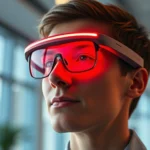
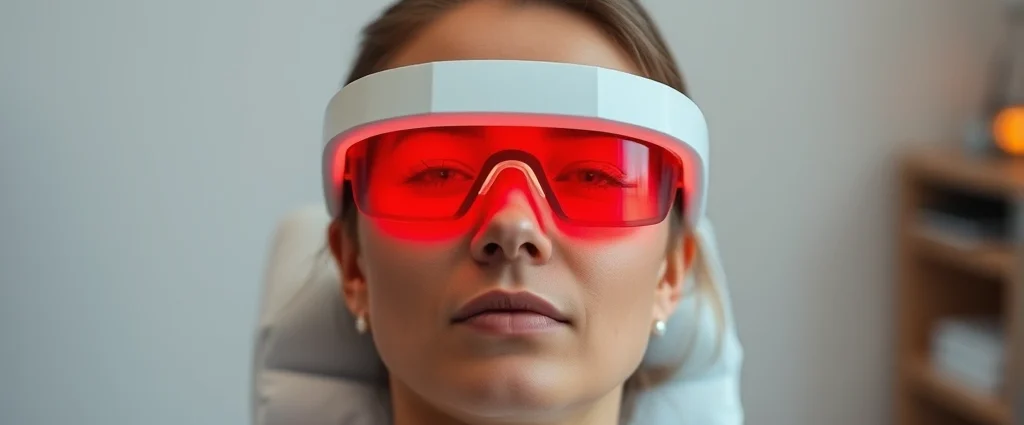
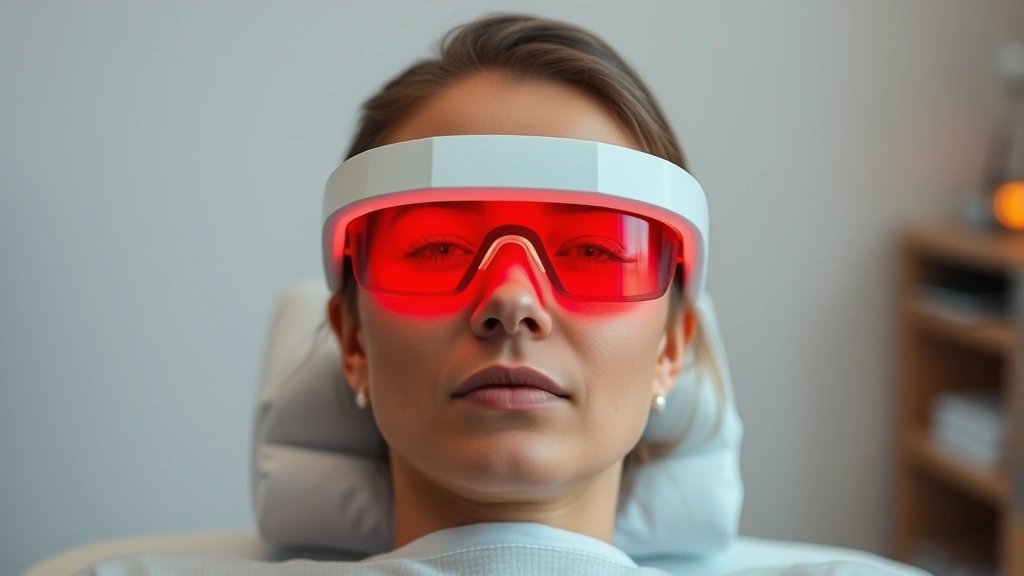
Red light therapy, also known as photobiomodulation (PBM), involves exposing the body to low-wavelength red light, typically ranging from 600 to 1000 nanometers. When discussing red light therapy goggles specifically, we’re referring to wearable devices that deliver this light directly to the eyes and surrounding tissues, including the brain. These devices have gained popularity due to their convenience and targeted delivery mechanism.
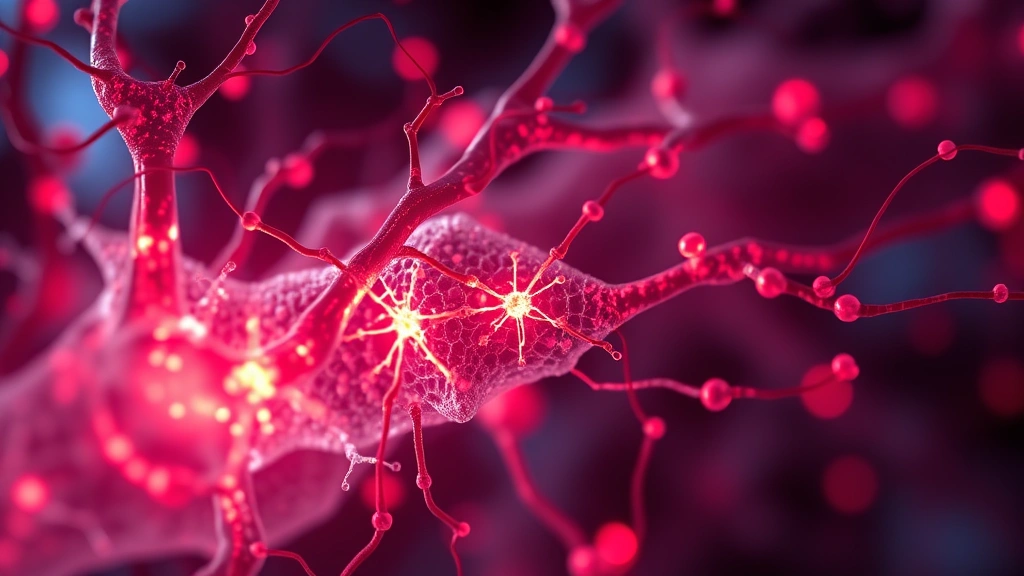
The primary mechanism involves mitochondrial stimulation. Red and near-infrared light penetrates tissue and stimulates cytochrome c oxidase in the mitochondrial electron transport chain, increasing adenosine triphosphate (ATP) production. ATP serves as the cellular energy currency, and enhanced production supports optimal neurological function. This fundamental biological process explains why red light therapy affects multiple body systems, including the brain.
Beyond ATP production, red light therapy influences several neurobiological pathways relevant to mental health. It reduces oxidative stress, decreases inflammatory markers, and promotes blood flow to neural tissues. These effects create an environment conducive to neuroplasticity—the brain’s ability to form new neural connections—which underlies recovery from depression, anxiety, and cognitive decline.
The Science Behind Light and Mental Health
The connection between light exposure and mental health isn’t new. Seasonal affective disorder (SAD) has long been associated with reduced light exposure during winter months, and bright light therapy remains a validated treatment. However, red light therapy operates through different mechanisms than traditional bright light therapy, which primarily affects circadian rhythm regulation through melanopsin-containing retinal ganglion cells.
Red light therapy directly energizes neural tissue, whereas bright light therapy primarily signals circadian information. This distinction is crucial because it means red light therapy goggles may benefit mental health through multiple pathways simultaneously. They can improve mood through cellular energy enhancement while potentially supporting circadian function if used strategically during the day.
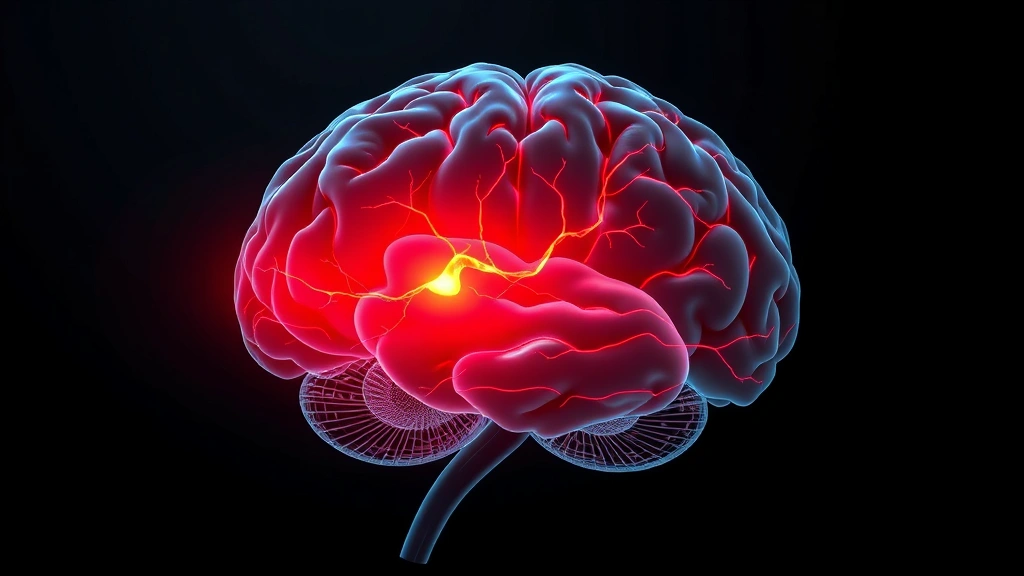
Research from institutions studying photobiomodulation has documented that near-infrared light can penetrate the skull and reach brain tissue. A landmark study published in Photomedicine and Laser Surgery demonstrated that transcranial near-infrared stimulation significantly increased regional cerebral blood flow in prefrontal cortex regions associated with mood regulation. This finding opened new avenues for investigating red light therapy’s mental health applications.
Research Studies on Red Light Therapy Goggles
Clinical research on red light therapy goggles specifically for mental health is still developing, but emerging studies show promising results. The research typically examines wavelengths between 600-1000 nanometers, treatment duration of 20-40 minutes per session, and frequency ranging from daily to several times weekly.
A 2023 systematic review analyzing photobiomodulation for neurological conditions found consistent evidence for improved cognitive function and reduced neuroinflammation. While not exclusively focused on goggles, these findings support the theoretical basis for using wearable red light devices. The review noted that treatment parameters significantly influence outcomes, with wavelengths in the 800-1000 nanometer range (near-infrared) showing stronger penetration to deeper brain structures.
Studies examining red light therapy for depression have produced mixed but generally encouraging results. One randomized controlled trial found that participants receiving red light therapy showed significant reductions in depressive symptoms compared to placebo groups. However, effect sizes varied, and researchers emphasized that red light therapy works best as part of a comprehensive mental health approach rather than as a standalone intervention.
Research on anxiety disorders remains more limited. A small pilot study suggested that daily red light therapy goggles use reduced anxiety symptoms in individuals with generalized anxiety disorder, but larger studies are needed to confirm these findings and establish optimal treatment protocols.
Depression and Mood Disorders
Depression represents one of the most studied applications for red light therapy in mental health research. The condition involves dysregulation of neurotransmitters like serotonin and dopamine, along with reduced neural activity in mood-regulating brain regions. Red light therapy addresses depression through multiple mechanisms that complement traditional treatments.
The ATP enhancement mechanism proves particularly relevant for depression. Depressed individuals often show reduced metabolic activity in the prefrontal cortex and anterior cingulate cortex—regions critical for mood regulation and emotional processing. By increasing cellular energy availability, red light therapy goggles may restore optimal function in these regions. Additionally, red light therapy reduces inflammatory cytokines, which have been increasingly implicated in depression pathophysiology.
Brain-derived neurotrophic factor (BDNF) represents another important mechanism. This protein supports neuronal survival and growth, and its levels are often reduced in depression. Red light therapy has been shown to increase BDNF expression in animal studies and appears to promote neurogenesis—the creation of new neurons—in the hippocampus, a brain region critical for mood and memory.
For individuals exploring therapy and wellness resources, red light therapy offers a non-pharmaceutical option that may enhance traditional treatments. Some mental health professionals now recommend red light therapy goggles as a complementary intervention alongside psychotherapy or medication, though research on combination approaches remains limited.
Anxiety and Stress Relief
Anxiety disorders affect millions globally, and current treatments, while effective, don’t work for everyone. The stress response system involves the amygdala and hypothalamic-pituitary-adrenal (HPA) axis. Red light therapy may modulate these systems through multiple pathways.
Neuroinflammation contributes significantly to anxiety disorders. Microglial activation—immune cell response in the brain—has been linked to anxiety symptoms. Red light therapy reduces microglial activation and promotes a shift toward anti-inflammatory immune responses. This neurobiological effect could explain why some individuals report reduced anxiety after using red light therapy goggles.
The calming effect might also relate to improved mitochondrial function in the amygdala, the brain’s alarm center. When the amygdala functions optimally with adequate ATP, it may process threats more accurately, reducing the hypervigilance characteristic of anxiety disorders. Additionally, improved prefrontal cortex function through enhanced ATP production strengthens top-down regulation of the amygdala, further reducing anxiety.
Sleep quality represents another important anxiety connection. Many anxiety disorders involve sleep disturbance. Some research suggests that red light therapy, particularly when used in the morning or early afternoon, may improve sleep quality by supporting circadian rhythm regulation. Better sleep subsequently reduces anxiety during waking hours, creating a positive feedback loop.
Cognitive Function and Brain Health
Beyond mood and anxiety, cognitive health increasingly concerns individuals concerned about mental decline. Red light therapy shows promise for supporting attention, memory, and processing speed—cognitive domains affected by depression, anxiety, and aging.
The mitochondrial enhancement mechanism directly supports cognitive function. The prefrontal cortex and hippocampus, regions essential for executive function and memory formation, are metabolically demanding tissues. Optimal ATP production ensures these regions function at peak capacity. Research on photobiomodulation’s cognitive effects demonstrates improved memory performance and processing speed following red light therapy interventions.
Neuroplasticity enhancement represents another cognitive benefit. The ability to form new neural connections underlies learning and memory consolidation. Red light therapy promotes BDNF expression and reduces oxidative stress, both factors supporting neuroplasticity. For individuals recovering from depression or anxiety, enhanced neuroplasticity facilitates the cognitive restructuring work central to psychotherapy.
Neuroprotection against cognitive decline also appears supported by red light therapy. The reduction in oxidative stress and neuroinflammation addresses key mechanisms implicated in neurodegenerative conditions. While red light therapy alone cannot prevent conditions like Alzheimer’s disease, it may represent a valuable preventive strategy when combined with other healthy lifestyle factors.
Comparing Red Light to Other Light Therapies
Light therapy encompasses several modalities, each with distinct mechanisms and applications. Understanding how red light therapy goggles compare to alternatives helps individuals choose appropriate interventions.
Bright light therapy, typically using 10,000 lux white light boxes, primarily affects circadian rhythm regulation through melanopsin stimulation. It remains the gold standard for seasonal affective disorder and certain sleep disorders. Red light therapy operates through different mechanisms—cellular energy enhancement rather than circadian signaling. These therapies may complement each other; bright light therapy for circadian effects and red light therapy for cellular energetics.
Blue light therapy has gained attention for mood and alertness. However, excessive blue light exposure, particularly in evening hours, can disrupt sleep. Red light therapy avoids this concern while still supporting neural function. Some researchers propose combining blue light for circadian effects with red light for cellular support, though research on combination approaches remains limited.
Compared to traditional light boxes requiring 30-60 minutes of exposure, red light therapy goggles offer convenience through shorter treatment windows (typically 20-40 minutes) and the ability to use them while performing other activities. However, direct evidence comparing goggle-based delivery to other red light therapy delivery methods remains sparse.
Practical Considerations and Safety
For individuals considering red light therapy goggles for mental health, several practical factors warrant consideration. Treatment parameters significantly influence outcomes, yet standardization across commercial devices remains limited.
Wavelength selection matters substantially. Wavelengths between 600-700 nanometers (red) penetrate less deeply than 800-1000 nanometer wavelengths (near-infrared). For mental health applications, near-infrared wavelengths offer advantages for reaching deeper brain structures, though red light wavelengths may provide benefits for surface tissues and local circulation. Most research suggesting mental health benefits utilized wavelengths in the 800-1000 nanometer range.
Treatment duration and frequency require individualization. Most research employed sessions lasting 20-40 minutes, several times weekly. However, optimal protocols for specific conditions remain undefined. Individuals should start conservatively and gradually increase exposure while monitoring effects.
Safety considerations generally favor red light therapy. Unlike some psychiatric medications, red light therapy rarely produces adverse effects. However, certain precautions apply. Individuals with retinal conditions, those taking photosensitizing medications, or those with implanted devices should consult healthcare providers before beginning treatment. Pregnant individuals should seek medical guidance, as research on red light therapy during pregnancy remains limited.
Quality variation among commercial devices presents a practical challenge. Consumer-grade goggles may not deliver therapeutic wavelengths or intensities despite marketing claims. Purchasing devices from manufacturers providing specifications (wavelength, irradiance, treatment duration) and, ideally, third-party testing proves prudent.
Red light therapy works best as part of a comprehensive mental health approach. Individuals should continue psychotherapy, maintain healthy lifestyle factors, and follow prescribed medications. Red light therapy represents a complementary strategy rather than a replacement for evidence-based mental health treatments. For those exploring complementary therapy modalities, red light therapy goggles offer an interesting option to discuss with mental health professionals.
Cost represents another practical consideration. Quality red light therapy goggles range from several hundred to several thousand dollars. Insurance rarely covers them, making them an out-of-pocket expense. Individuals should carefully evaluate evidence supporting specific products before investing significantly.
FAQ
How quickly do red light therapy goggles produce mental health benefits?
Most research shows that measurable improvements in mood and cognitive function emerge after 2-4 weeks of consistent use. Some individuals report subtle effects within days, while others require 6-8 weeks. Consistency matters more than intensity; daily or near-daily use typically produces better results than sporadic treatment.
Can red light therapy goggles replace psychiatric medications?
No. Red light therapy should not replace prescribed psychiatric medications without medical guidance. However, it may complement medication therapy. Some individuals, under professional supervision, eventually reduce medication doses when combining red light therapy with other interventions. Never discontinue psychiatric medications without consulting your prescribing physician.
Are red light therapy goggles safe for long-term use?
Current evidence suggests red light therapy is safe for extended use. However, long-term studies specifically examining daily goggle use remain limited. Individuals using goggles consistently should monitor for any changes in vision or comfort, and periodic eye examinations prove prudent. Those with existing eye conditions should receive ophthalmological clearance before beginning treatment.
What wavelength is best for mental health?
Research suggests 800-1000 nanometer (near-infrared) wavelengths offer advantages for mental health applications due to superior penetration to deeper brain structures. However, wavelengths in the 600-700 nanometer (red light) range may also provide benefits through improved circulation and local cellular effects. Ideally, devices should provide specifications rather than vague marketing claims.
How does red light therapy compare to antidepressant medications?
Research directly comparing red light therapy to pharmaceutical treatments remains limited. Available evidence suggests that red light therapy produces smaller effect sizes than medications for severe depression. However, it may benefit individuals with mild-to-moderate symptoms, those preferring non-pharmaceutical approaches, or those experiencing medication side effects. Combination approaches likely offer optimal results for moderate-to-severe conditions.
Can red light therapy goggles help with seasonal affective disorder?
While red light therapy shows promise for mood improvement, bright light therapy remains the established treatment for seasonal affective disorder. However, combining bright light therapy with red light therapy may provide complementary benefits—bright light for circadian regulation and red light for cellular support. Discuss combination approaches with healthcare providers.