How Red Light Therapy Benefits Horses’ Health
Red light therapy has emerged as a transformative wellness approach for equine health, offering natural pain relief, enhanced recovery, and improved performance for horses across disciplines. This non-invasive therapeutic technique uses wavelengths between 600-700 nanometers to penetrate tissue and stimulate cellular repair mechanisms. Equestrian professionals, veterinarians, and horse owners are increasingly turning to red light therapy as a complementary treatment to support their animals’ physical wellbeing and athletic longevity.
The science behind red light therapy for horses mirrors the documented benefits seen in human applications. When light energy reaches the mitochondria in equine cells, it energizes the production of adenosine triphosphate (ATP), the cellular fuel that powers healing processes. This fundamental biological mechanism makes red light therapy particularly valuable for horses recovering from injuries, managing chronic conditions, or optimizing performance. Whether you’re interested in red light therapy applications for weight management or exploring broader therapeutic benefits, understanding how this technology works across species is essential.
Understanding Red Light Therapy Technology
Red light therapy, also known as photobiomodulation, operates on principles established through decades of scientific research. The therapy utilizes specific wavelengths of light—primarily in the red (600-700 nm) and near-infrared (700-1100 nm) spectrum—that penetrate equine skin and muscle tissue to reach the mitochondria. Unlike ultraviolet light, which can damage tissue, or visible light that doesn’t penetrate deeply enough, red and near-infrared wavelengths strike an optimal balance for therapeutic effect.
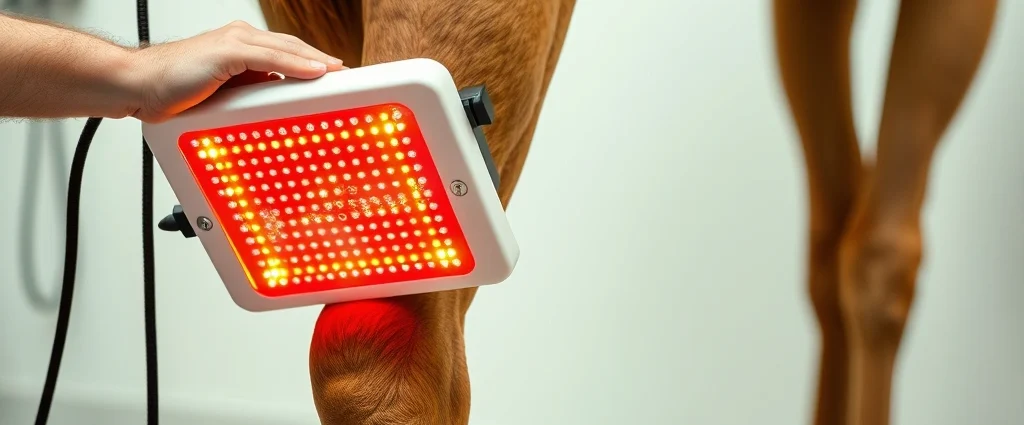
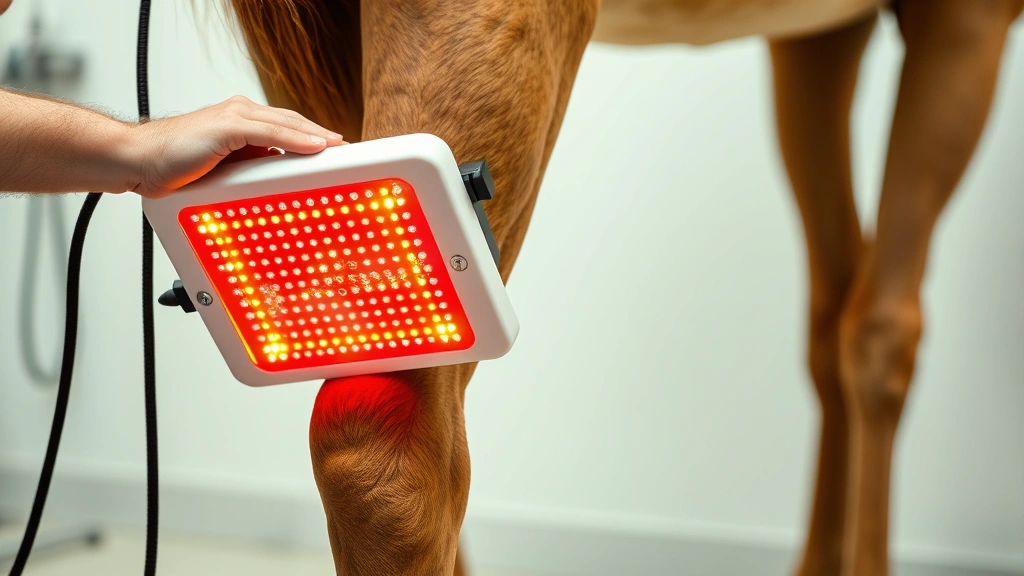
The technology behind equine red light therapy devices has advanced significantly, with professional-grade equipment now available specifically designed for horses’ large body surface areas. These devices come in various formats, including panels, wraps, and portable units that can be applied to specific treatment areas. Modern red light therapy systems for horses deliver therapeutic doses of light energy measured in joules per square centimeter, with clinical protocols typically recommending 4-12 joules per centimeter squared for optimal results. The consistency and quality of light delivery matter considerably—devices must emit pure wavelengths without excessive heat to provide safe, effective treatment.
Understanding the technical specifications of red light therapy equipment helps horse owners and equine professionals select appropriate devices. Peak wavelength accuracy, power output measured in watts, and treatment duration all influence therapeutic outcomes. Research published through the National Institute of Health demonstrates that consistent wavelength delivery produces measurable improvements in equine tissue recovery.
Cellular and Physiological Benefits
At the cellular level, red light therapy initiates a cascade of beneficial biochemical reactions in horse tissues. When photons from red light penetrate the cell membrane and reach the mitochondria, they interact with cytochrome c oxidase, an enzyme in the electron transport chain. This interaction stimulates the production of ATP, the energy currency that powers all cellular processes. For horses engaged in athletic activity or recovering from injury, increased ATP availability translates directly into enhanced cellular repair capacity.
Beyond ATP production, red light therapy activates additional physiological pathways that support equine health. The therapy increases blood flow to treated areas, delivering oxygen-rich blood that supports tissue regeneration. Simultaneously, it reduces oxidative stress by boosting the production of antioxidant enzymes like superoxide dismutase and catalase. These mechanisms work synergistically to create an internal environment conducive to healing and recovery. Horses undergoing treatment often demonstrate improved circulation, which equine veterinarians recognize as a marker of enhanced healing capacity.
The mitochondrial stimulation from red light therapy also influences systemic health beyond the treated area. Enhanced cellular energy production supports immune function, metabolic efficiency, and overall vitality. This explains why many horse owners report their animals displaying increased energy levels and improved general health markers within weeks of beginning regular red light therapy sessions. The cumulative effect of optimized cellular function at the tissue level translates into observable improvements in equine performance and wellness.
Pain Management and Inflammation Reduction
Chronic pain and inflammation represent significant challenges in equine health management, affecting everything from joint health to post-surgical recovery. Red light therapy addresses these issues through multiple mechanisms. The therapy reduces pro-inflammatory cytokines—signaling molecules that perpetuate inflammatory responses—while simultaneously increasing anti-inflammatory cytokines that promote resolution. For horses suffering from conditions like arthritis, tendonitis, or soft tissue injuries, this anti-inflammatory action provides meaningful relief without the systemic effects of pharmaceutical interventions.
The pain-relieving properties of red light therapy operate through several pathways. Enhanced ATP production reduces pain signal transmission in nerve cells, while increased endorphin production provides natural analgesia. Additionally, improved blood flow helps clear inflammatory mediators and metabolic waste products that accumulate in injured tissue and perpetuate pain signals. Horses with chronic lameness or joint discomfort often show measurable improvement in gait and movement quality following consistent red light therapy treatment. This makes the therapy particularly valuable for performance horses and aging equines managing degenerative conditions.
Unlike pharmaceutical pain management approaches, red light therapy doesn’t carry risks of dependency or systemic side effects. Many equine professionals integrate red light therapy into comprehensive pain management protocols, combining it with physical rehabilitation to optimize outcomes. The therapy proves especially effective when applied early in the injury or inflammation process, though it continues to benefit chronic conditions even months or years after initial injury.
Muscle Recovery and Athletic Performance
Athletic horses require rapid recovery between training sessions and competitions to maintain peak performance while minimizing injury risk. Red light therapy accelerates muscle recovery by enhancing the repair of exercise-induced muscle fiber damage. When horses engage in strenuous activity, microscopic tears occur in muscle fibers as part of the normal adaptation process. Red light therapy expedites the healing of these microtears, reducing recovery time and allowing athletes to return to training sooner with greater capacity.
The mechanism operates through enhanced protein synthesis and reduced muscle protein breakdown. Red light therapy increases growth factor production, particularly growth hormone and insulin-like growth factor (IGF-1), which drive muscle tissue adaptation and repair. Simultaneously, the therapy reduces markers of muscle damage and accelerates clearance of metabolic byproducts that accumulate during intense exercise. Equestrian athletes—whether competing in jumping, dressage, endurance, or racing—benefit from these mechanisms through improved recovery quality and enhanced performance capacity.
Performance data from studies examining red light therapy in athletic horses demonstrates measurable improvements in variables like stride length, power output, and recovery heart rate. Trainers and veterinarians working with competitive horses increasingly implement pre-competition red light therapy protocols to optimize muscle preparation and post-competition treatment to accelerate recovery. The therapy’s ability to maintain muscle integrity while enhancing adaptation makes it invaluable for extending athletic careers and maintaining consistent performance levels throughout demanding training schedules.
Wound Healing and Tissue Repair
Horses, particularly those engaged in athletic activities, frequently sustain wounds ranging from minor lacerations to serious soft tissue injuries. Red light therapy significantly accelerates wound healing through multiple biological mechanisms. The therapy stimulates fibroblast activity—cells responsible for producing collagen, the structural protein that provides tissue integrity. Enhanced collagen deposition leads to stronger, more resilient scar tissue that better withstands future stress.
The healing acceleration extends to all tissue types affected by wounds. Red light therapy promotes angiogenesis, the formation of new blood vessels that restore circulation to healing tissue. This enhanced vascularization delivers oxygen and nutrients essential for the proliferative phase of wound healing. Additionally, the therapy reduces bacterial colonization risk through multiple pathways, including enhanced immune function and direct antimicrobial effects of certain light wavelengths. Horses treated with red light therapy following lacerations, surgical procedures, or other traumatic injuries demonstrate faster epithelialization—the process of new skin formation—and reduced infection rates compared to untreated controls.
Equine practitioners treating serious injuries like tendon and ligament damage particularly value red light therapy’s ability to promote organized tissue repair. These injuries traditionally require extended recovery periods, sometimes lasting months or years. Red light therapy reduces recovery timelines while improving tissue quality, potentially restoring greater functional capacity to injured structures. The therapy works synergistically with rehabilitation exercises, allowing horses to progress through recovery phases more quickly while maintaining tissue integrity. For valuable performance horses or breeding animals, even modest improvements in recovery timelines and tissue quality provide significant benefits.
Application Methods for Equine Care
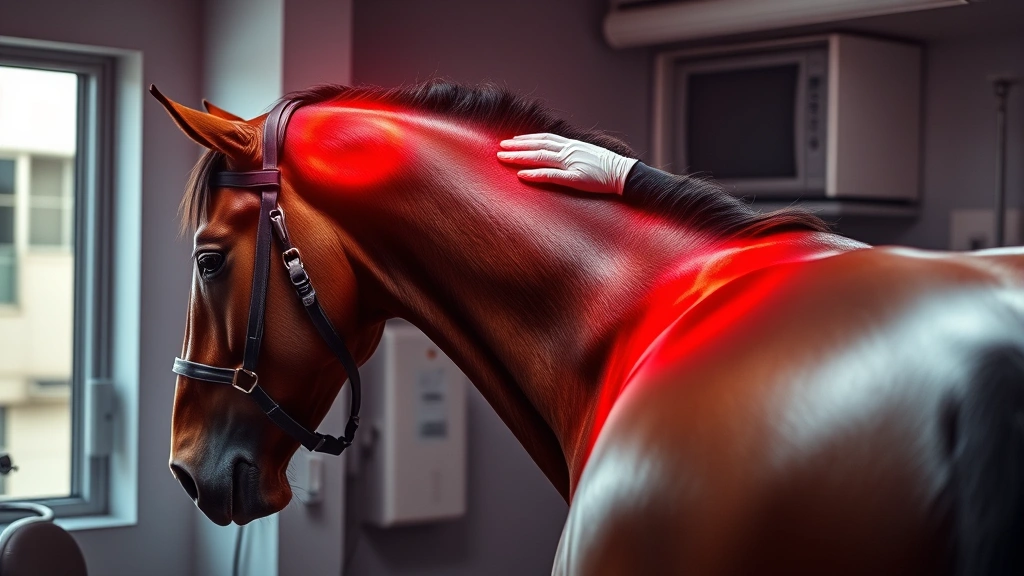
Successful red light therapy implementation requires understanding appropriate application methods for equine patients. Professional equine practitioners employ several delivery approaches depending on the target area, treatment goals, and available equipment. Panel-based systems allow precise positioning over specific joints, muscles, or wound sites, with typical treatment distances of 15-30 centimeters from the skin surface. Wrap-based systems provide convenient coverage for larger areas, particularly useful for treating multiple joints or extensive muscle groups simultaneously.
Treatment protocols for horses typically involve sessions lasting 15-30 minutes, administered 3-5 times weekly for optimal results. The specific protocol depends on the condition being treated—acute injuries may benefit from daily treatment initially, while chronic conditions often respond well to maintenance protocols of 2-3 sessions weekly. Professional equine practitioners establish individualized treatment plans based on diagnostic findings, the horse’s condition severity, and response monitoring. Those interested in professional guidance should explore physical therapy educational resources to understand treatment planning principles.
Proper positioning during treatment ensures therapeutic light reaches target tissues effectively. For joint treatments, positioning the horse to allow perpendicular light delivery maximizes penetration depth. For muscle treatments, positioning the affected limb to present the muscle group directly to the light source enhances treatment efficacy. Experienced equine professionals develop positioning protocols that accommodate individual horse temperament while optimizing therapeutic delivery. Many horses become accustomed to treatment sessions quickly, particularly when they experience pain relief or performance improvements.
Documentation of treatment responses helps practitioners refine protocols and assess effectiveness. Tracking metrics like lameness grade, joint circumference, range of motion, and performance parameters provides objective evidence of treatment impact. This data-driven approach allows optimization of individual treatment plans and supports evidence-based decision-making regarding continued therapy. Advanced practitioners integrate red light therapy into comprehensive treatment protocols combining rehabilitation exercises, physical therapy modalities, and sometimes pharmaceutical interventions for optimal outcomes.
Safety Considerations and Best Practices
Red light therapy stands out as one of the safest therapeutic modalities available for equine medicine, with minimal contraindications or adverse effects when properly administered. Unlike pharmaceutical interventions or invasive procedures, red light therapy presents no systemic toxicity risks or significant side effects at therapeutic doses. However, certain safety principles ensure optimal outcomes and prevent potential complications.
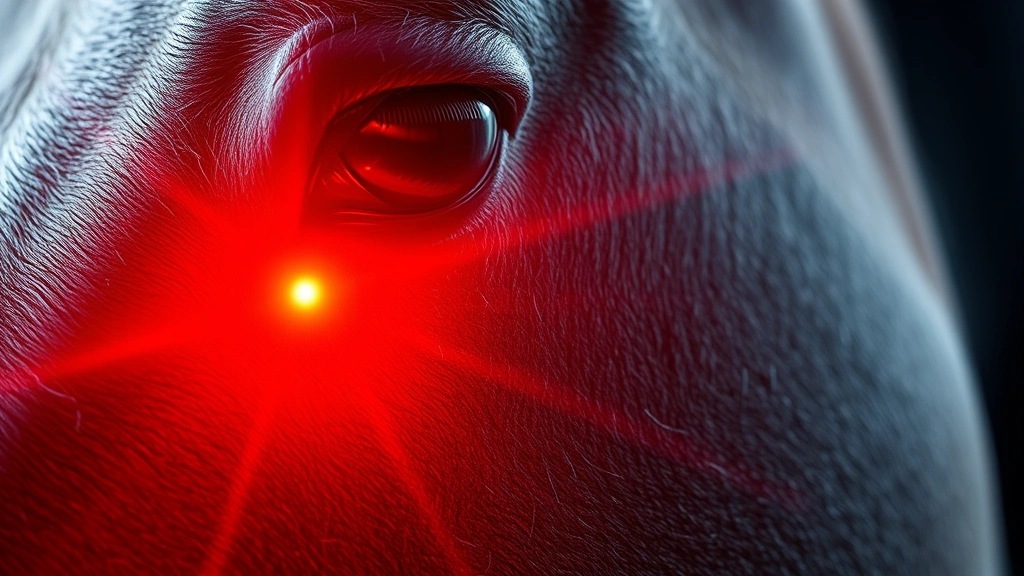
Proper eye protection represents the primary safety consideration when using red light therapy on horses. While red light doesn’t cause the thermal damage associated with some laser modalities, prolonged direct exposure to intense light sources can stress ocular tissues. Practitioners should shield horses’ eyes during facial or head treatments and avoid directing light directly into the eyes. Quality equipment from reputable manufacturers incorporates safety features and delivers light at intensities optimized for therapeutic effect without excessive heat generation.
Contraindications to red light therapy are remarkably few but deserve attention. The therapy should be avoided over areas of active infection, as enhanced circulation and immune stimulation could theoretically promote infection spread—though this remains theoretical rather than documented in equine practice. Additionally, tumorous tissue should not be directly treated, as enhanced cellular metabolism could theoretically promote tumor growth. Pregnant mares should avoid abdominal treatment, though limb and musculoskeletal treatments pose no known risks to pregnancy.
Equipment quality significantly impacts safety and efficacy. Professional-grade devices designed specifically for equine use deliver consistent, appropriate wavelengths and power densities. Lower-quality consumer devices may provide inadequate therapeutic effect or inconsistent delivery. Practitioners should verify device specifications including peak wavelength accuracy, power output, and treatment area coverage. Reputable manufacturers provide clinical evidence supporting their equipment’s safety and efficacy, and professional equine practitioners often recommend established, research-backed systems.
Proper training in device operation prevents misuse and ensures optimal results. Understanding treatment duration, positioning principles, and safety protocols enables practitioners to deliver effective therapy while protecting horse welfare. Many manufacturers provide training resources and clinical support to assist practitioners in implementing appropriate treatment protocols. Regular equipment maintenance ensures consistent performance and longevity of therapeutic systems.
FAQ
How long does it take to see results from red light therapy in horses?
Results vary depending on the condition being treated and individual horse factors. Acute pain and inflammation often improve within 2-4 sessions, while chronic conditions may require 4-8 weeks of consistent treatment before significant improvements become apparent. Some horses demonstrate immediate comfort improvements after their first treatment, while others show more gradual progress. Consistent protocols yield the most reliable results, with many practitioners recommending initial treatment phases of 4-8 weeks before assessing long-term effectiveness.
Can red light therapy replace traditional veterinary treatment?
Red light therapy works best as a complementary approach within comprehensive equine health management rather than a replacement for traditional veterinary care. Serious injuries, infections, or acute conditions require professional veterinary evaluation and appropriate medical treatment. Red light therapy enhances recovery when integrated into treatment plans that may include rehabilitation, pharmaceutical interventions, or surgical procedures. Always consult qualified equine veterinarians before initiating red light therapy for diagnosed conditions.
Is red light therapy safe for all horses?
Red light therapy is exceptionally safe for virtually all horses when properly administered. Age, breed, and general health status don’t contraindicate treatment. However, specific conditions like active infections or tumorous tissue should be avoided. Pregnant mares can safely receive red light therapy on limbs and musculoskeletal structures, though abdominal treatment should be avoided. Consult with equine professionals familiar with your horse’s specific health situation to ensure appropriate application.
How often should horses receive red light therapy?
Treatment frequency depends on the condition and therapeutic goals. Acute injuries often benefit from daily or near-daily treatment initially, progressing to 3-5 times weekly as improvement occurs. Chronic conditions typically respond well to 2-3 sessions weekly for maintenance. Performance horses might use red light therapy 2-3 times weekly to support recovery and athletic longevity. Professional practitioners customize protocols based on individual horse response and specific therapeutic objectives.
What equipment do I need to start using red light therapy with my horse?
Professional-grade red light therapy devices designed for equine use range from portable panels to larger fixed systems. Selection depends on your specific needs—targeted joint treatment, muscle recovery, or whole-body application. Quality matters significantly; professional devices deliver consistent, appropriate wavelengths and power densities. Budget typically ranges from several hundred to several thousand dollars depending on equipment sophistication. Many equine facilities, veterinary clinics, and specialized practitioners offer treatment services, allowing trial before purchasing equipment.