Does Red Light Therapy Ease Back Pain? Expert Insights
Back pain affects millions of people worldwide, ranking among the leading causes of disability and missed work days. Whether stemming from poor posture, muscle strain, degenerative disc disease, or injury, chronic back pain significantly impacts quality of life and limits daily activities. As individuals search for effective pain management solutions, red light therapy has emerged as a promising non-invasive treatment option gaining recognition in both clinical settings and home wellness routines.
Red light therapy, also known as photobiomodulation or low-level laser therapy, uses specific wavelengths of light in the red and near-infrared spectrum to stimulate cellular healing and reduce inflammation. This technology has been studied extensively for its effects on musculoskeletal pain, with particular interest in its application for back pain relief. Unlike pharmaceutical interventions or invasive procedures, red light therapy offers a natural approach that aligns with growing consumer interest in holistic wellness solutions.
This comprehensive guide explores the scientific evidence behind red light therapy for back pain, examining how it works at the cellular level, reviewing clinical research findings, and comparing its effectiveness with other pain management approaches. Whether you’re considering red light therapy as a standalone treatment or as a complement to physical therapy for shoulder pain and other musculoskeletal conditions, understanding the evidence will help you make informed decisions about your health.
How Red Light Therapy Works at the Cellular Level
Red light therapy operates through a well-established biological mechanism centered on mitochondrial function. The wavelengths used in red light therapy, typically between 600 and 1000 nanometers, penetrate skin tissue and are absorbed by chromophores within mitochondrial cells—specifically cytochrome c oxidase in the electron transport chain. This absorption stimulates the production of adenosine triphosphate (ATP), the primary energy currency of cells.
When ATP production increases, cells gain enhanced capacity for repair, regeneration, and optimal function. For individuals experiencing back pain, this cellular-level enhancement translates into several therapeutic benefits. Muscle cells can repair microtears more efficiently, nerve cells can improve their signaling capabilities, and inflammatory cells can modulate their response to tissue damage.
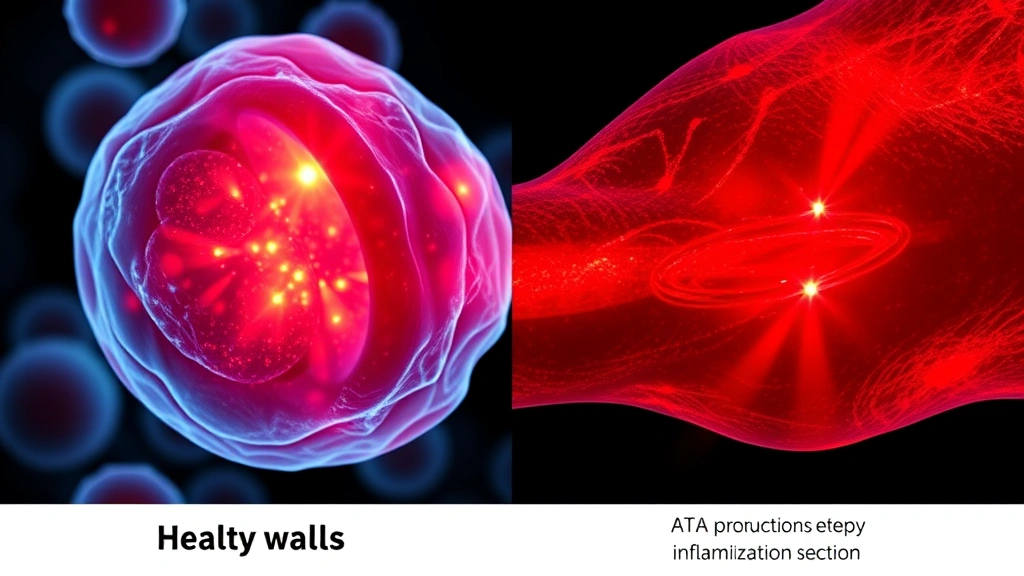
Additionally, red light therapy triggers several important biochemical cascades. It increases blood flow to affected tissues, delivering more oxygen and nutrients while removing metabolic waste products. The therapy also reduces oxidative stress by increasing antioxidant enzyme production, particularly superoxide dismutase and catalase. Furthermore, red light therapy downregulates pro-inflammatory cytokines while upregulating anti-inflammatory markers, addressing one of the primary drivers of chronic back pain.
Research published by PubMed Central demonstrates that these cellular mechanisms operate across multiple tissue types affected by back pain, including muscle, nerve, and connective tissue. The cumulative effect of improved cellular energy production, enhanced circulation, and reduced inflammation creates a biological environment conducive to healing and pain reduction.
Scientific Evidence Supporting Red Light Therapy for Back Pain
Numerous clinical studies have investigated red light therapy’s efficacy for back pain, with results generally supporting its therapeutic potential. A systematic review examining multiple randomized controlled trials found that red light therapy produced statistically significant reductions in pain intensity and improved functional outcomes compared to placebo interventions.
One landmark study published in Lasers in Surgery and Medicine evaluated 109 patients with chronic lower back pain who received either active red light therapy or sham treatment. The active treatment group experienced significantly greater pain reduction and improved mobility compared to the control group, with benefits persisting at the three-month follow-up assessment. Participants reported improved sleep quality and reduced reliance on pain medications.
Another important research project conducted at a university hospital examined red light therapy combined with exercise for acute lower back pain. The combination group showed superior outcomes compared to exercise alone or standard care, suggesting that red light therapy amplifies the benefits of physical rehabilitation. This finding aligns with the principles underlying how much physical therapy costs versus its actual value, as red light therapy represents a cost-effective adjunct that enhances treatment outcomes.
Meta-analyses examining red light therapy across multiple musculoskeletal conditions consistently identify back pain as one of the most responsive conditions. The treatment appears particularly effective for chronic pain that has proven resistant to conventional approaches, with some studies showing 50-70% pain reduction in appropriate patient populations.
However, researchers note important caveats: treatment parameters significantly influence outcomes. Wavelength selection (red versus near-infrared), power density, treatment duration, and frequency all affect results. Studies using optimized parameters show substantially better outcomes than those using suboptimal settings, highlighting the importance of proper device selection and protocol adherence.
Red Light Therapy vs. Other Back Pain Treatments
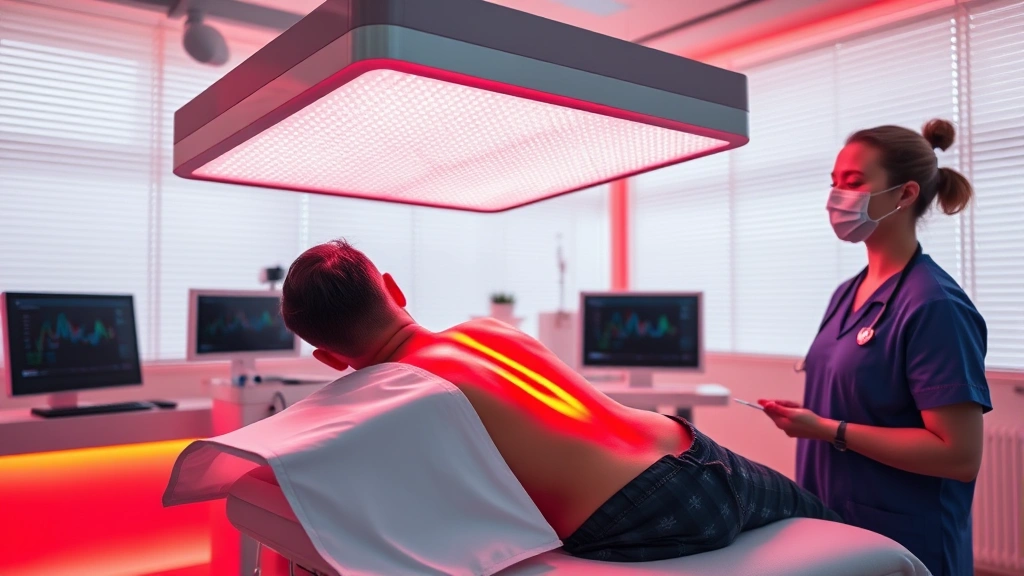
Understanding how red light therapy compares to established back pain treatments helps contextualize its role in comprehensive pain management strategies. Traditional approaches include physical therapy, pharmaceutical interventions, injections, and surgery, each with distinct advantages and limitations.
When compared to physical therapy alone, red light therapy shows complementary rather than superior effects. The most effective outcomes emerge from combining both modalities, suggesting they work through different mechanisms. Physical therapy for shoulder pain and similar conditions benefit similarly from this combined approach, addressing both structural rehabilitation and cellular healing.
Versus pharmaceutical interventions, red light therapy offers significant advantages. Nonsteroidal anti-inflammatory drugs (NSAIDs) provide rapid pain relief but carry risks of gastrointestinal complications, cardiovascular effects, and dependency with long-term use. Opioids present even greater risks of addiction and overdose. Red light therapy produces no known systemic side effects or addiction potential, making it suitable for long-term use.
Compared to corticosteroid injections, red light therapy requires more time to produce results but provides longer-lasting benefits without the tissue damage and immunosuppression risks associated with repeated injections. Many patients successfully use red light therapy to reduce their injection frequency or eliminate the need for them entirely.
Surgical interventions, while sometimes necessary for severe structural problems, carry significant risks and recovery periods. Red light therapy’s non-invasive nature makes it an ideal first-line or adjunctive approach before considering surgery. Studies show that red light therapy can prevent or delay surgical intervention in many cases.
Insurance coverage patterns reflect these comparisons: while physical therapy typically receives coverage, red light therapy often does not, despite accumulating evidence. This discrepancy likely reflects historical reimbursement patterns rather than actual clinical effectiveness. As evidence continues mounting, coverage decisions may evolve.
Types of Red Light Therapy Devices for Home Use
The red light therapy market offers numerous device options, ranging from affordable panels to sophisticated systems. Understanding the different types helps consumers select appropriate technology for their back pain treatment needs.
Portable LED Panels: These compact, lightweight devices typically cost $100-$400 and deliver red and near-infrared light across a moderate area. They work well for targeting specific back regions and offer convenience for frequent use. Portability allows treatment during work breaks or while relaxing, improving compliance.
Full-Body Light Panels: Larger panels covering 1000+ square inches enable treatment of extensive areas simultaneously, beneficial for diffuse back pain. These devices range from $400-$2000 and require dedicated space but deliver faster treatment times and superior coverage for widespread conditions.
Wearable Devices: Specialized vests and belts incorporating red light technology allow hands-free treatment while performing other activities. Though typically more expensive ($500-$1500), they enhance convenience and compliance for individuals with busy schedules.
Clinical-Grade Systems: Professional facilities use high-powered systems delivering optimized wavelengths and power densities. These devices, costing $5000-$15000, produce faster results but require professional administration. Many practitioners now offer red light therapy as part of comprehensive treatment plans including therapy and wellness articles addressing multiple pain management modalities.
Device selection should prioritize wavelength specifications (ideally 600-700nm for red and 800-1100nm for near-infrared), power output (measured in watts), and power density (watts per square centimeter). Reputable manufacturers provide detailed specifications and clinical evidence supporting their products.
Optimal Treatment Protocols and Dosage Recommendations
Red light therapy effectiveness depends critically on proper dosing and protocol adherence. Unlike medications with standardized dosages, red light therapy requires individualization based on device specifications, treatment location, and condition severity.
Wavelength Selection: Red light (600-700nm) penetrates approximately 8-10mm into tissue, making it suitable for superficial back muscles and inflammation. Near-infrared light (800-1100nm) penetrates 20-40mm, reaching deeper structures including vertebral bodies and discs. Most conditions benefit from combined wavelengths targeting multiple tissue depths.
Treatment Duration: Effective treatments typically range from 10-30 minutes per session, depending on power output. Higher-powered devices require shorter durations, while lower-powered systems need extended exposure. Consistency matters more than duration—daily 15-minute sessions typically outperform weekly hour-long sessions.
Treatment Frequency: Most clinical studies showing positive results employed daily or near-daily treatment for initial phases (4-6 weeks), then transitioned to maintenance frequencies of 2-3 times weekly. Acute conditions may respond to more intensive protocols, while chronic conditions often benefit from sustained maintenance treatment.
Distance and Positioning: Devices should be positioned 6-12 inches from skin for optimal penetration and absorption. Closer distances may increase surface heating without proportionally improving deeper penetration, while greater distances reduce power density excessively. Consistent positioning ensures reproducible dosing.
Cumulative Dosage: Clinical research identifies therapeutic windows for total light dose, typically 4-40 joules per square centimeter per session. Doses below this range prove ineffective, while excessive doses may paradoxically reduce effectiveness. Device manufacturers should specify power density and recommend appropriate treatment times to achieve therapeutic doses.
Safety Considerations and Potential Side Effects
Red light therapy’s safety profile represents one of its significant advantages, though users should understand potential considerations and contraindications.
Thermal Effects: Proper red light therapy devices produce minimal heat, though users may experience mild warmth during treatment. Excessive heating could theoretically worsen acute inflammation, suggesting caution during immediate post-injury periods. However, the anti-inflammatory effects of red light typically outweigh thermal concerns once acute inflammation begins resolving.
Eye Safety: While red and near-infrared wavelengths pose minimal eye hazard compared to ultraviolet or blue light, direct eye exposure should be avoided. Quality devices include safety features, and users should never look directly into active light sources. Indirect exposure and peripheral vision during treatment presents negligible risk.
Medication Interactions: Certain medications, particularly photosensitizing agents, may interact with red light therapy. Individuals taking tetracycline antibiotics, some antifungal medications, or specific psychiatric drugs should consult healthcare providers before beginning treatment. These interactions remain rare and typically manageable through timing adjustments.
Contraindications: Red light therapy should be avoided over active cancer or undiagnosed masses, as stimulating cellular activity in malignant tissue could theoretically promote tumor growth. Pregnant women should consult providers before treatment, though evidence suggests red light poses minimal fetal risk. Thyroid conditions require special consideration, as direct treatment over the thyroid gland may overstimulate hormone production.
Reported Side Effects: Clinical trials document minimal adverse effects. Occasional reports include temporary redness at treatment sites, mild headaches during initial treatment (typically resolving within days), and rare photosensitivity reactions in susceptible individuals. These effects occur in less than 5% of users and rarely necessitate treatment discontinuation.
Combining Red Light Therapy with Physical Rehabilitation
Research increasingly supports combining red light therapy with active rehabilitation for superior outcomes. This integration addresses both the cellular healing requirements and the structural/functional deficits underlying most back pain conditions.
Red light therapy enhances physical therapy effectiveness through multiple mechanisms. Improved cellular energy production allows muscles to tolerate more intensive exercise without excessive fatigue or soreness. Reduced inflammation permits fuller range of motion during rehabilitation, enabling more complete movement patterns. Enhanced blood flow delivers oxygen and nutrients supporting adaptation to training stimulus.
The timing of red light therapy relative to exercise matters. Pre-treatment preparation (15-20 minutes before physical therapy) increases tissue readiness and exercise tolerance. Post-treatment application (immediately after exercise) accelerates recovery and reduces delayed-onset muscle soreness. Many practitioners employ both protocols for optimal results.
When combined with physical therapy treatment for cerebral palsy and similar conditions involving neuromuscular components, red light therapy’s effects on nerve function become particularly valuable. Enhanced neurological signaling improves motor control and coordination alongside pain reduction.
Progressive rehabilitation programs incorporating red light therapy typically show accelerated timelines. Conditions that might require 8-12 weeks of physical therapy alone often show substantial improvement within 4-6 weeks when combined with optimized red light protocols. This acceleration translates to reduced overall treatment costs and faster return to normal activities.
Documentation of combined treatment outcomes supports insurance coverage discussions. Practitioners can demonstrate how red light therapy amplifies physical therapy effectiveness, potentially justifying coverage for both modalities. This documentation also helps patients understand the synergistic benefits of combined approaches.
Frequently Asked Questions
How long does red light therapy take to work for back pain?
Timeline varies based on condition chronicity and severity. Acute pain may show improvement within 3-5 sessions, while chronic pain typically requires 4-6 weeks of consistent treatment before substantial relief emerges. Many patients notice gradual improvements in sleep quality and daily function before recognizing pain reduction. Patience and consistency with treatment protocols prove essential.
Can red light therapy replace physical therapy for back pain?
Red light therapy works optimally as a complement rather than replacement for physical therapy. While red light addresses cellular healing and inflammation, physical therapy provides structural rehabilitation and functional restoration. Combined approaches consistently outperform either modality alone. Think of red light therapy as enhancing your body’s capacity to respond to physical rehabilitation.
Is red light therapy safe for daily use?
Yes, red light therapy demonstrates excellent safety for daily use when proper protocols are followed. Clinical studies employ daily treatment for extended periods without adverse effects. However, optimal long-term strategies typically transition from intensive daily treatment to maintenance frequencies of 2-3 times weekly once significant improvement occurs, reducing equipment wear and extending device lifespan.
What wavelengths are most effective for back pain?
Research supports combined wavelengths: red light (600-700nm) for superficial inflammation and near-infrared (800-1100nm) for deeper tissue penetration. Devices offering both wavelengths simultaneously or sequentially provide superior outcomes compared to single-wavelength systems. The combination addresses multiple tissue depths affected by back pain.
How does red light therapy compare to heat therapy for back pain?
While both provide temporary relief, they work through different mechanisms. Heat therapy increases blood flow temporarily but doesn’t address underlying inflammation or cellular dysfunction. Red light therapy stimulates cellular repair, reduces inflammation at biochemical levels, and provides lasting benefits. Many patients find combining both modalities beneficial—red light for healing and heat for comfort during treatment.
Can red light therapy treat all types of back pain?
Red light therapy shows effectiveness across most back pain types including muscle strain, degenerative disc disease, facet joint pain, and post-surgical recovery. However, structural problems requiring surgical intervention may not respond adequately to red light therapy alone. Proper diagnosis determines whether red light therapy represents an appropriate treatment component. Consulting healthcare providers ensures appropriate application.
What should I look for when purchasing a red light therapy device?
Prioritize devices with clear wavelength specifications (ideally 600-700nm and 800-1100nm), documented power output in watts, and power density in watts per square centimeter. Reputable manufacturers provide clinical evidence supporting their products and offer warranties. Avoid devices making exaggerated claims without supporting evidence. Investment in quality equipment ensures safety and effectiveness.