In our fast-paced world, finding natural and effective ways to enhance our mental well-being has become more important than ever. While traditional therapies and lifestyle changes remain cornerstone approaches to mood enhancement, an innovative treatment called red light therapy is emerging as a promising complementary option for those seeking to brighten their emotional landscape.
Red light therapy, also known as photobiomodulation or low-level laser therapy, harnesses specific wavelengths of red and near-infrared light to potentially influence cellular function and promote healing. What’s particularly fascinating is the growing body of research suggesting that this gentle, non-invasive treatment may have significant benefits for mood regulation, sleep quality, and overall mental wellness. Whether you’re dealing with seasonal mood changes, general emotional challenges, or simply looking to optimize your mental health, understanding how red light therapy works could open new doors to feeling more balanced and energized.
Understanding Red Light Therapy
Red light therapy involves exposure to low-level red and near-infrared light, typically in the wavelength range of 630-850 nanometers. These specific wavelengths are thought to penetrate skin and tissue, potentially influencing cellular processes at the mitochondrial level. Unlike harsh UV light or other forms of light therapy, red light therapy is considered gentle and safe for regular use.
The therapy can be delivered through various devices, with red light therapy bulbs being one of the most accessible and cost-effective options for home use. These specialized bulbs emit concentrated wavelengths of therapeutic light and can be incorporated into existing lighting fixtures or used in dedicated treatment setups.
What sets red light therapy apart from other light-based treatments is its proposed mechanism of action. Research suggests that red and near-infrared light may stimulate mitochondrial function, increase ATP production, and promote cellular repair processes. This cellular-level support may translate into various health benefits, including improved mood, better sleep quality, and enhanced overall well-being.
The Science Behind Mood Benefits
The connection between light exposure and mood is well-established in scientific literature, with seasonal affective disorder (SAD) being perhaps the most recognized example. However, red light therapy’s potential mood benefits may work through different mechanisms than traditional bright light therapy used for SAD treatment.
According to research published in PubMed Central, red light therapy may influence mood through several pathways. One proposed mechanism involves the therapy’s potential to increase serotonin production, a neurotransmitter closely associated with mood regulation and feelings of well-being. Additionally, some studies suggest that red light therapy may help regulate circadian rhythms, which play a crucial role in mood stability and sleep quality.
Another fascinating area of research focuses on red light therapy’s potential anti-inflammatory effects. Chronic inflammation has been linked to depression and other mood disorders, and some studies indicate that red light therapy may help reduce inflammatory markers in the body. This anti-inflammatory action could contribute to improved mood and cognitive function.
The Mayo Clinic notes that light therapy can be an effective treatment for mood disorders, and while most research has focused on bright white light, emerging studies on red light therapy show promising results for mood enhancement and stress reduction.
Choosing the Right Red Light Therapy Bulbs
When selecting red light therapy bulbs for mood enhancement, several factors should be considered to ensure you’re getting an effective and safe product. The wavelength specification is crucial – look for bulbs that emit light in the therapeutic range of 660-850 nanometers. Many quality red light therapy bulbs will specify their exact wavelength output on the packaging or product specifications.
Power output, measured in milliwatts per square centimeter (mW/cm²), is another important consideration. For mood-related applications, bulbs with moderate power output are typically sufficient and safer for extended use. Higher-powered devices may require shorter treatment times and more careful positioning to avoid overexposure.
The size and coverage area of the bulb will determine how much of your body receives treatment during each session. Larger panels or bulbs can treat broader areas simultaneously, which may be beneficial for whole-body wellness approaches. However, smaller, more targeted devices can be more convenient for specific applications and easier to incorporate into daily routines.
Many users share their experiences and recommendations on platforms like red light therapy reddit communities, where you can find real-world insights about different products and their effectiveness. These user testimonials can provide valuable information about the practical aspects of using various red light therapy bulbs.
Practical Applications and Treatment Protocols
Implementing red light therapy for mood enhancement involves establishing a consistent routine that works with your lifestyle. Most practitioners recommend starting with sessions of 10-20 minutes, 3-5 times per week, and adjusting based on individual response and tolerance. The timing of treatments can be important – some people find morning sessions help establish healthy circadian rhythms, while others prefer evening treatments for relaxation.
Distance from the light source affects the intensity of treatment. Generally, positioning yourself 6-18 inches from red light therapy bulbs provides optimal exposure without risking overheating or discomfort. Many devices come with guidelines for appropriate distances and treatment durations.
Creating a comfortable treatment environment can enhance the therapeutic experience. Consider combining red light therapy sessions with other relaxation practices such as deep breathing, meditation, or gentle stretching. This holistic approach may amplify the mood-enhancing benefits of the treatment.
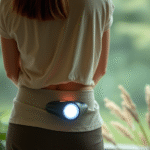
For those interested in targeted applications, devices like a red light therapy belt can provide localized treatment while allowing for mobility during sessions. Some fitness facilities, including red light therapy planet fitness locations, offer access to professional-grade equipment for those who prefer not to invest in home devices initially.

Safety Considerations and Best Practices
While red light therapy is generally considered safe for most people, understanding proper usage guidelines is essential for optimal results and safety. The FDA provides guidance on light therapy devices, emphasizing the importance of following manufacturer instructions and consulting healthcare providers when appropriate.
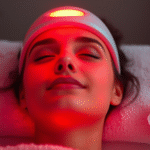
Eye protection is a crucial safety consideration when using red light therapy bulbs. While red light is generally gentler than other forms of light therapy, direct eye exposure should be avoided. Many practitioners recommend closing eyes during facial treatments or using appropriate eye protection when necessary.
Certain medications can increase light sensitivity, making it important to consult with healthcare providers before beginning red light therapy, especially if you’re taking photosensitizing medications. Additionally, individuals with certain medical conditions, such as active cancer or specific skin disorders, should seek professional guidance before starting treatment.
Monitoring your response to treatment is important for both safety and effectiveness. Start with shorter sessions and gradually increase duration as tolerated. If you experience any adverse reactions, such as skin irritation, headaches, or increased agitation, discontinue use and consult with a healthcare provider.
Integration with Overall Wellness
Red light therapy works best as part of a comprehensive approach to mental wellness. While the therapy may provide mood benefits on its own, combining it with other evidence-based practices can enhance overall results. Regular exercise, adequate sleep, stress management techniques, and social connections all play important roles in maintaining positive mental health.
Nutrition also plays a crucial role in mood regulation. Ensuring adequate intake of omega-3 fatty acids, vitamin D, and B vitamins can support the potential benefits of red light therapy. Some practitioners suggest that the cellular energy enhancement from red light therapy may improve nutrient utilization, creating a synergistic effect with proper nutrition.
Tracking your progress can help you understand how red light therapy affects your mood and overall well-being. Consider keeping a simple journal noting your energy levels, sleep quality, and mood before and after beginning treatment. Many people find that red light therapy before after comparisons help them recognize subtle but meaningful improvements in their daily experience.
Understanding the differences between various light therapies can also inform your wellness approach. Learning about red light therapy vs infrared therapy can help you choose the most appropriate treatment for your specific goals and needs.
For pet owners, it’s interesting to note that red light therapy applications extend beyond human wellness. Some research explores red light therapy for dogs, suggesting potential benefits for our four-legged family members as well, though veterinary guidance is essential for pet applications.
Frequently Asked Questions
How long does it take to see mood improvements from red light therapy?
Individual responses to red light therapy vary, but many people report noticing subtle improvements in energy and mood within 2-4 weeks of consistent use. Some individuals may experience benefits sooner, while others may require 6-8 weeks of regular treatment to notice significant changes. Consistency is key – regular sessions tend to produce better results than sporadic use. According to research from Psychology Today, light-based therapies often require several weeks to show measurable effects on mood.
Can red light therapy replace antidepressant medications?
Red light therapy should never be used as a replacement for prescribed medications without consulting with your healthcare provider. While research suggests potential mood benefits, red light therapy is best viewed as a complementary therapy that may support overall mental wellness alongside conventional treatments. If you’re considering any changes to your medication regimen, always work closely with your prescribing physician to ensure safe and appropriate care.
Are there any side effects from using red light therapy bulbs?
Red light therapy is generally well-tolerated with minimal side effects when used properly. Some people may experience mild skin warming during treatment, temporary fatigue immediately after sessions, or slight headaches if sessions are too long or intense. Eye strain can occur with direct light exposure, which is why eye protection or closed eyes are recommended during facial treatments. Serious side effects are rare when devices are used according to manufacturer guidelines.
What’s the difference between red light therapy and seasonal affective disorder (SAD) lamps?
Traditional SAD lamps typically use bright white light (10,000 lux) to suppress melatonin production and regulate circadian rhythms, while red light therapy uses specific wavelengths of red and near-infrared light to potentially influence cellular function. SAD lamps are primarily used for seasonal depression and require morning exposure, while red light therapy can be used at various times and may offer broader wellness benefits beyond mood regulation.
How do I know if my red light therapy bulbs are working effectively?
Effective red light therapy bulbs should emit the appropriate wavelengths (typically 660-850 nanometers) and provide consistent light output. Look for products that specify their wavelength ranges and power output. You should feel gentle warmth during treatment but not uncomfortable heat. Quality devices often come with certifications and clear technical specifications. Monitoring your response over time – including energy levels, sleep quality, and mood – can help you assess effectiveness.
Can I use red light therapy if I have sensitive skin or other medical conditions?
While red light therapy is generally gentle, individuals with photosensitive skin conditions, those taking photosensitizing medications, or people with certain medical conditions should consult healthcare providers before beginning treatment. Pregnant women, individuals with active cancer, and those with specific eye conditions may need special considerations or modifications to treatment protocols. Starting with shorter sessions and monitoring your skin’s response can help identify any sensitivity issues.
Is it safe to use red light therapy every day?
Daily use of red light therapy is generally considered safe for most people when following appropriate guidelines for session duration and intensity. Many users find that daily 10-20 minute sessions work well for mood support, while others prefer every-other-day schedules. The key is consistency rather than frequency – regular, moderate use typically produces better results than intensive but sporadic sessions. Listen to your body and adjust frequency based on your individual response and tolerance.