Red Light Therapy Blanket: Benefits Explored
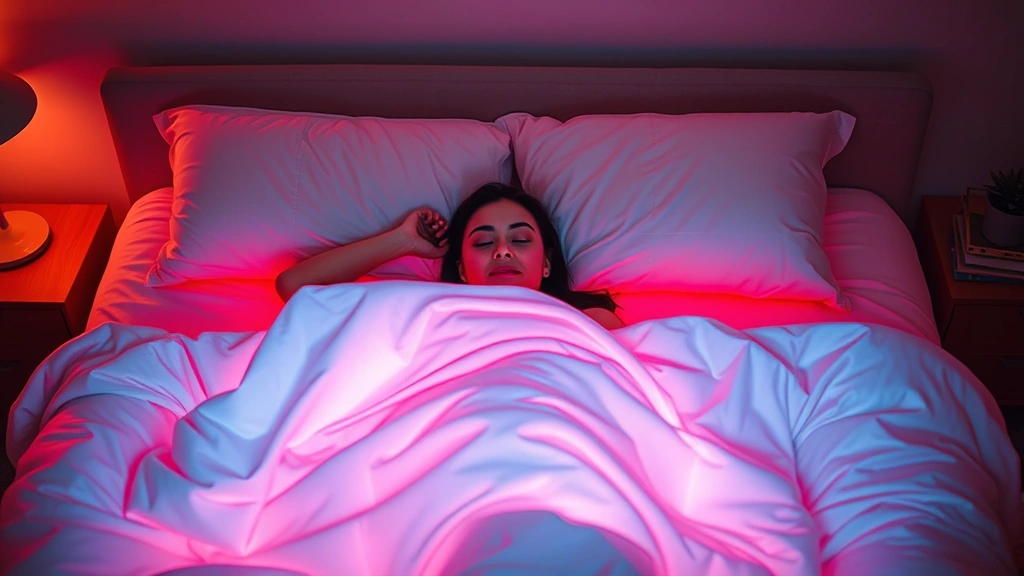
Red light therapy has emerged as one of the most compelling wellness innovations of recent years, and red light therapy blankets represent an accessible way to harness this technology at home. These specialized blankets emit wavelengths between 600-700 nanometers, penetrating the skin to stimulate cellular energy production and promote healing. Unlike traditional heating pads or blankets, red light therapy blankets work at the cellular level, making them fundamentally different from conventional comfort items.
The science behind red light therapy is rooted in photobiology—the study of how light interacts with living organisms. When red and near-infrared light reaches your skin, it energizes mitochondria, the powerhouse of your cells, by stimulating the production of adenosine triphosphate (ATP). This increased cellular energy translates into tangible health benefits ranging from improved recovery to enhanced skin health. Whether you’re an athlete seeking faster muscle recovery, someone managing chronic pain, or simply interested in optimizing your wellness routine, understanding how red light therapy blankets work is essential.
How Red Light Therapy Blankets Work
The mechanism behind red light therapy blankets operates through a well-established biological process. When red light wavelengths (typically 630-700 nanometers) and near-infrared light (700-1100 nanometers) penetrate the skin, they reach the mitochondria within cells. Here, these photons interact with cytochrome c oxidase, an enzyme complex in the electron transport chain, which facilitates the production of ATP.
This process, known as photobiomodulation, doesn’t generate heat in the traditional sense. Instead, it creates metabolic energy that cells can utilize for repair, regeneration, and optimal function. The blankets typically contain arrays of LED lights embedded within a fabric structure, allowing for even distribution of light across a large surface area. Most therapeutic blankets operate at specific wavelengths that research has validated as most effective for human health benefits.
The depth of penetration depends on the wavelength used. Red light penetrates approximately 8-10 millimeters into tissue, while near-infrared light can reach 10-25 millimeters, making it effective for deeper tissues including muscles and joints. This dual-wavelength approach is why many premium blankets combine both red and near-infrared LEDs for comprehensive therapeutic coverage.

Key Health Benefits
Research from reputable institutions has documented numerous benefits associated with red light therapy. A comprehensive review published in the Journal of Biomedical Optics outlined evidence supporting multiple therapeutic applications. These benefits extend across physical recovery, aesthetic improvements, and overall wellness optimization.
The primary mechanisms through which red light therapy blankets deliver benefits include:
- Enhanced mitochondrial function and ATP production
- Reduced oxidative stress and inflammation
- Improved blood circulation and oxygen delivery
- Stimulation of collagen and elastin production
- Enhanced cellular repair mechanisms
- Increased production of antioxidant enzymes
These mechanisms work synergistically to address various health concerns. Whether you’re exploring wellness options as part of a broader health strategy or investigating therapy cost considerations, red light therapy blankets offer a non-invasive, evidence-supported option.
Muscle Recovery and Athletic Performance
Athletes and fitness enthusiasts have embraced red light therapy as a powerful recovery tool. The mechanism is straightforward: by enhancing mitochondrial function, red light therapy accelerates the body’s natural repair processes. When muscles experience microscopic tears during exercise—the foundation of strength building—red light therapy can expedite the healing response.
Research demonstrates that red light therapy reduces delayed-onset muscle soreness (DOMS), the familiar muscle pain that peaks 24-72 hours after intense exercise. A study in the Journal of Strength and Conditioning Research found that photobiomodulation significantly reduced muscle damage markers and improved recovery metrics in trained athletes.
Beyond soreness reduction, red light therapy supports athletic performance through improved oxygen utilization and enhanced cellular energy production. Athletes using red light therapy blankets report improved training consistency, reduced injury recovery time, and enhanced overall performance metrics. This makes the blankets particularly valuable for individuals engaged in intensive training protocols or recovering from sports-related injuries.
The accessibility of blanket-based therapy means athletes can incorporate treatment into their recovery routine without requiring specialized equipment or professional appointments, making it an efficient addition to training regimens.
Skin Health and Anti-Aging
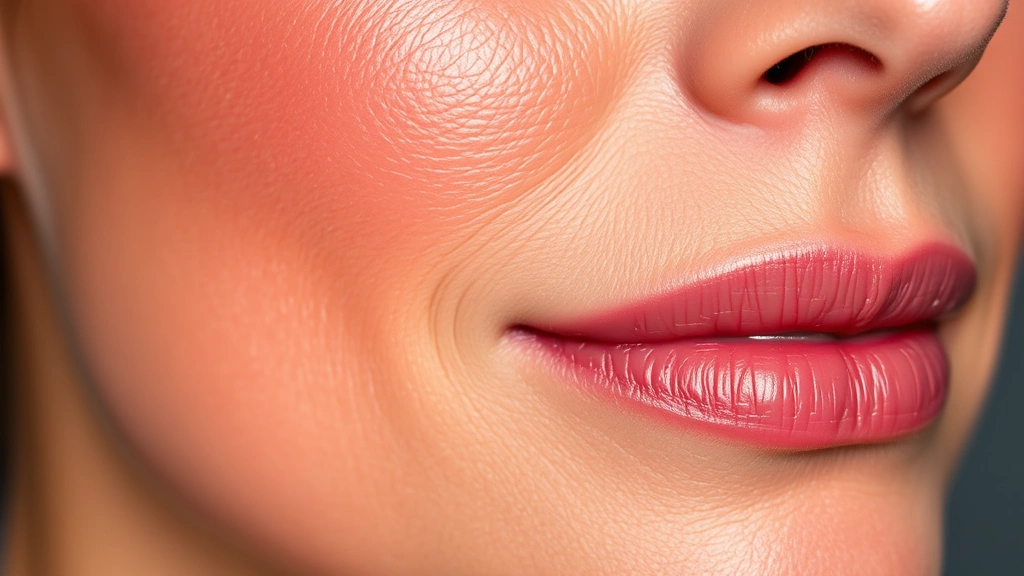
One of the most visible benefits of red light therapy involves skin health and appearance. The red wavelengths specifically stimulate fibroblasts—the cells responsible for producing collagen and elastin, the proteins that maintain skin structure and elasticity. This stimulation addresses some of the fundamental causes of visible aging rather than merely treating symptoms.
Regular use of red light therapy blankets can lead to:
- Increased collagen production, improving skin firmness and elasticity
- Enhanced skin texture and reduced appearance of fine lines
- Improved skin tone and reduced hyperpigmentation
- Faster healing of acne and reduction in future breakouts
- Enhanced skin hydration and barrier function
Research from Seminars in Cutaneous Medicine and Surgery confirms that photobiomodulation produces measurable improvements in skin quality comparable to professional cosmetic treatments, without the invasiveness or cost. For individuals interested in comprehensive wellness approaches that include skin health optimization, red light therapy blankets offer dual benefits of systemic health support and aesthetic improvement.
Pain Management and Inflammation
Chronic pain and inflammation affect millions of individuals, and red light therapy presents a scientifically-supported non-pharmaceutical approach. The therapy works through multiple anti-inflammatory pathways, reducing the inflammatory markers that drive chronic pain conditions. This mechanism makes red light therapy blankets particularly relevant for individuals exploring physical therapy treatment options and complementary pain management strategies.
Conditions that respond well to red light therapy include:
- Arthritis and joint inflammation
- Muscle strains and sprains
- Lower back pain and cervical pain
- Fibromyalgia-related pain
- Neuropathic pain conditions
- Post-surgical pain and healing
The anti-inflammatory effects operate through multiple mechanisms: reducing pro-inflammatory cytokines, enhancing antioxidant enzyme production, and improving blood flow to affected areas. Unlike some pain management approaches that merely mask symptoms, red light therapy addresses underlying inflammatory processes, potentially providing longer-lasting relief.
A meta-analysis published in Photomedicine and Laser Surgery demonstrated significant pain reduction across multiple conditions, with consistent benefits when therapy was applied systematically over several weeks.
Sleep Quality Improvement
Sleep quality profoundly impacts overall health, and red light therapy contributes to better sleep through multiple pathways. The primary mechanism involves red light’s influence on circadian rhythm regulation. Exposure to red light in the evening, unlike blue light from screens, doesn’t suppress melatonin production. In fact, red light can support natural melatonin synthesis.
Additionally, by reducing pain, inflammation, and muscle tension, red light therapy blankets create physical conditions more conducive to quality sleep. Users often report falling asleep faster, experiencing deeper sleep cycles, and waking more refreshed. This sleep improvement can cascade into enhanced recovery, better cognitive function, and improved overall wellness outcomes.
The timing of red light therapy use matters: using a blanket 1-2 hours before bedtime optimizes circadian rhythm support without disrupting sleep architecture. This timing recommendation makes red light therapy blankets particularly practical for evening wellness routines.
Choosing the Right Blanket
Selecting an effective red light therapy blanket requires understanding key specifications and quality indicators. The most important considerations include:
- Wavelength specification: Look for blankets emitting wavelengths between 600-1000 nanometers, with particular emphasis on the 630-700 nm (red) and 800-850 nm (near-infrared) ranges
- Power output and irradiance: Measured in milliwatts per square centimeter (mW/cm²), therapeutic blankets should deliver 50+ mW/cm² for effective treatment
- Coverage area: Larger blankets (minimum 30×40 inches) allow treatment of multiple body areas simultaneously
- LED quality: Premium blankets use medical-grade LEDs with consistent output and longevity
- Certification and testing: Look for third-party testing and compliance with relevant medical device standards
- Safety features: Auto-shutoff timers, temperature controls, and EMF shielding indicate quality construction
The investment in a quality red light therapy blanket typically ranges from several hundred to over a thousand dollars, depending on specifications. However, considering the cost-effectiveness compared to ongoing professional treatments and the convenience of home use, the value proposition becomes clear. For individuals exploring various therapy services and their associated costs, red light therapy blankets offer exceptional long-term value.
Safety Considerations
While red light therapy blankets are generally safe for most individuals, certain precautions apply. The therapy is non-invasive and doesn’t produce ionizing radiation, but some considerations warrant attention:
- Eye safety: While red light is generally considered safe for eyes, avoiding direct eye exposure during treatment is prudent, though most blankets position LEDs to minimize direct eye contact
- Skin sensitivity: Individuals with photosensitivity conditions should consult healthcare providers before use
- Medication interactions: Some medications increase photosensitivity; checking with healthcare providers is recommended
- Pregnancy: While no contraindications exist, pregnant individuals should consult their healthcare provider
- Thyroid health: Individuals with hyperthyroidism should avoid prolonged neck exposure
- Session duration: Typical sessions of 15-30 minutes are recommended; excessive duration doesn’t enhance benefits
Starting with shorter sessions (10-15 minutes) and gradually increasing duration allows your body to adapt optimally. Most users experience no adverse effects when using quality blankets as directed. The FDA has cleared red light therapy devices for specific applications, indicating regulatory confidence in safety profiles.
For individuals managing specific health conditions or taking medications, consulting with healthcare providers ensures safe integration of red light therapy into existing treatment protocols. This is particularly important when considering red light therapy as a complement to other therapeutic approaches.
FAQ
How long does it take to see results from a red light therapy blanket?
Results vary by individual and condition. Some users report improved sleep and reduced muscle soreness within 3-5 sessions. More substantial benefits like improved skin quality or chronic pain reduction typically become noticeable after 2-4 weeks of consistent use (3-5 sessions weekly). Optimal results usually emerge after 8-12 weeks of regular therapy.
Can I use a red light therapy blanket every day?
Yes, daily use is safe and often recommended for optimal results. Most protocols suggest 15-30 minute sessions daily or every other day. Consistent use produces better outcomes than sporadic use, as the cumulative effects of photobiomodulation build over time.
What’s the difference between red light and near-infrared light in therapy blankets?
Red light (630-700 nm) primarily benefits surface tissues and skin, while near-infrared light (700-1100 nm) penetrates deeper to reach muscles, joints, and organs. Most effective blankets combine both wavelengths to address superficial and deep tissues simultaneously.
Are red light therapy blankets effective for all types of pain?
Red light therapy is most effective for inflammatory pain conditions including arthritis, muscle strains, and neuropathic pain. It’s less effective for pain caused by structural issues requiring surgery or certain acute injuries. Consulting healthcare providers about specific pain conditions ensures appropriate expectations.
Can I use a red light therapy blanket over clothing?
Red light penetrates fabric, though effectiveness decreases with thicker materials. Light, thin clothing allows better penetration than heavy layers. Direct skin contact provides optimal results, but the blanket can be used over thin clothing if preferred for comfort.
What’s the lifespan of red light therapy blankets?
Quality blankets with medical-grade LEDs typically last 2-5 years with proper care. LED output gradually diminishes over time, but most blankets remain therapeutically effective throughout this period. Following manufacturer care instructions extends lifespan significantly.
How does red light therapy compare to other recovery methods?
Red light therapy complements rather than replaces other recovery strategies. Combined with proper nutrition, adequate sleep, and exercise, it enhances overall recovery outcomes. It’s particularly effective when integrated into comprehensive wellness approaches that include various therapeutic modalities.