Does Red Light Therapy Work? Expert Insights and Scientific Evidence
Red light therapy has gained significant attention in recent years as a potential treatment for various health conditions, from muscle recovery to skin health. But does the science actually support these claims? As someone exploring wellness solutions, you may have encountered red light therapy blankets marketed with impressive promises. Understanding the real evidence behind this technology is crucial before investing your time and money.
The conversation around red light therapy often becomes polarized—some enthusiasts swear by its transformative effects, while skeptics dismiss it as pseudoscience. The truth, as with most health interventions, lies somewhere in between. This comprehensive guide examines the scientific research, explains the mechanisms behind red light therapy, and provides you with the information needed to make informed decisions about whether this treatment might benefit you.
What Is Red Light Therapy and How Does It Work?
Red light therapy, also known as low-level light therapy (LLLT) or photobiomodulation, involves exposing your body to red or near-infrared light wavelengths, typically between 600 and 1000 nanometers. Unlike ultraviolet light, which can damage skin, these wavelengths penetrate the skin and interact with cellular structures at the mitochondrial level.
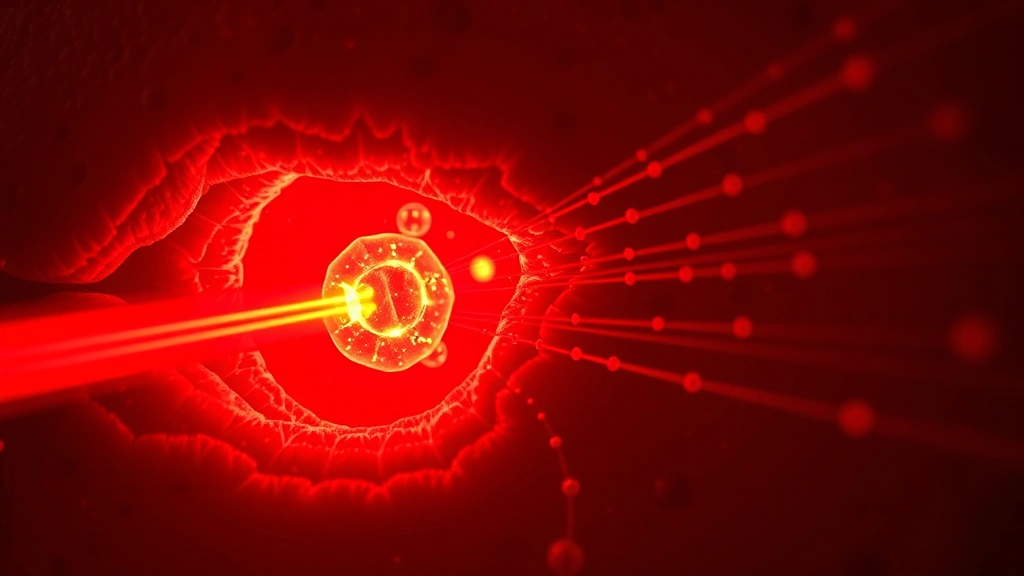
The primary mechanism involves the interaction between red light and chromophores in your cells—specifically an enzyme called cytochrome c oxidase in the mitochondria. When red light photons strike this enzyme, they stimulate the production of adenosine triphosphate (ATP), which is essentially your cells’ energy currency. More ATP means your cells can function more efficiently, repair damage more effectively, and reduce inflammation.
This process has been studied extensively in laboratories and clinical settings. PubMed, the National Institutes of Health’s medical research database, contains thousands of peer-reviewed studies on photobiomodulation. The consistency of findings across different research groups suggests that the fundamental cellular mechanism is real and reproducible.
The depth of penetration varies depending on wavelength. Red light (600-700 nm) penetrates shallower tissues effectively, making it useful for skin conditions. Near-infrared light (700-1000 nm) penetrates deeper, reaching muscle tissue and joints. This is why red light therapy blankets often combine both wavelengths—to address multiple tissue layers simultaneously.
Scientific Research on Red Light Therapy Effectiveness
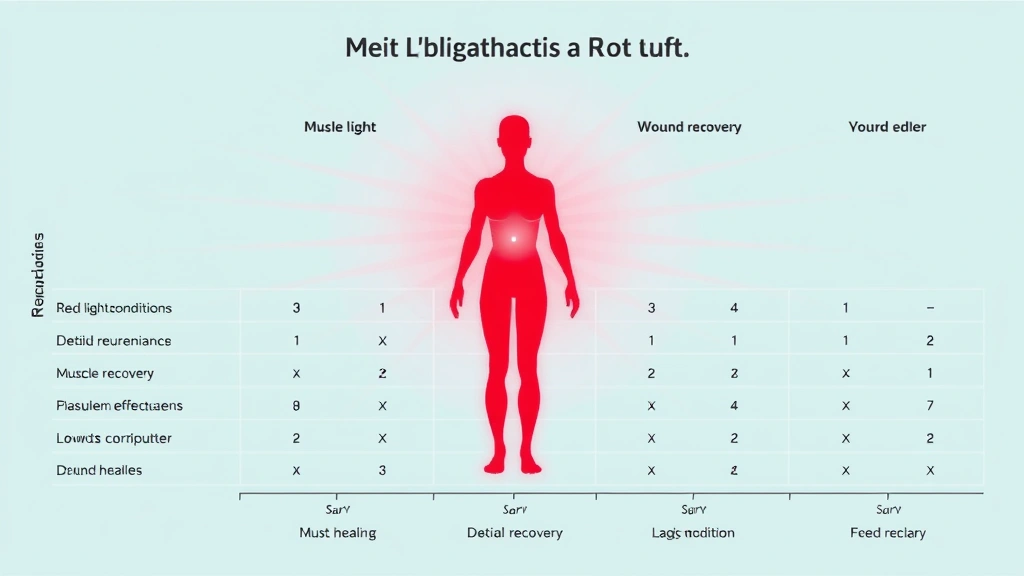
The scientific evidence for red light therapy is surprisingly robust, though not universally conclusive. Hundreds of clinical trials have examined its effects, with varying degrees of methodological rigor. A critical review of the literature reveals that the strongest evidence exists for specific applications, while others remain more speculative.
NASA conducted early research on red light therapy in the 1990s, initially studying its effects on plant growth in space. These investigations later expanded to human applications, particularly for wound healing and muscle recovery. While NASA’s involvement lent credibility to the field, it’s important to note that space agency funding doesn’t automatically validate every claim made by commercial producers.
A meta-analysis published in the Journal of Biomedical Optics examined multiple randomized controlled trials and found moderate to strong evidence for red light therapy’s effectiveness in reducing pain and improving muscle performance. However, researchers emphasized that study quality varies significantly, and some commercially available devices may not deliver the wavelengths or intensities used in validated research protocols.
The challenge with red light therapy research is standardization. Different studies use different wavelengths, exposure times, power densities, and treatment protocols. This makes it difficult to make universal claims about effectiveness. A device that works wonderfully for one condition might be ineffective for another, and a blanket sold online might deliver completely different results than the equipment used in clinical research.
Benefits Supported by Clinical Evidence
Rather than claiming red light therapy is a cure-all, let’s examine what the evidence actually supports. Several applications have demonstrated consistent, reproducible benefits across multiple studies.
Muscle Recovery and Athletic Performance: Athletes have embraced red light therapy for muscle soreness and recovery. Google Scholar indexes numerous studies showing that red light exposure can reduce delayed-onset muscle soreness (DOMS) and improve muscle strength recovery after intense exercise. The mechanism appears to involve reduced inflammation and improved mitochondrial function in muscle cells.
Wound Healing: This is one of the most well-established applications. Red light therapy has demonstrated effectiveness in accelerating wound closure, improving collagen production, and reducing infection risk. This benefit extends to post-surgical wounds, diabetic ulcers, and traumatic injuries.
Skin Health: Dermatologists have recognized red light therapy’s potential for reducing acne, improving collagen production, and minimizing fine lines. The anti-inflammatory effects of red light help reduce acne-causing bacteria, while the collagen stimulation addresses aging concerns. However, results typically require consistent, long-term treatment.
Joint Pain and Arthritis: Several randomized controlled trials have found that red light therapy reduces pain and improves function in people with arthritis. The anti-inflammatory effects appear particularly beneficial for conditions involving chronic joint inflammation.
Hair Growth: While more research is needed, preliminary evidence suggests red light therapy may stimulate hair follicles and improve hair growth in people with androgenetic alopecia. The mechanism likely involves improved blood flow and reduced inflammation at the scalp level.
It’s important to note that these benefits typically appear gradually with consistent use. Red light therapy is rarely a quick fix—most studies showing positive results involved regular treatments over weeks or months.
Red Light Therapy Blankets: Practical Applications
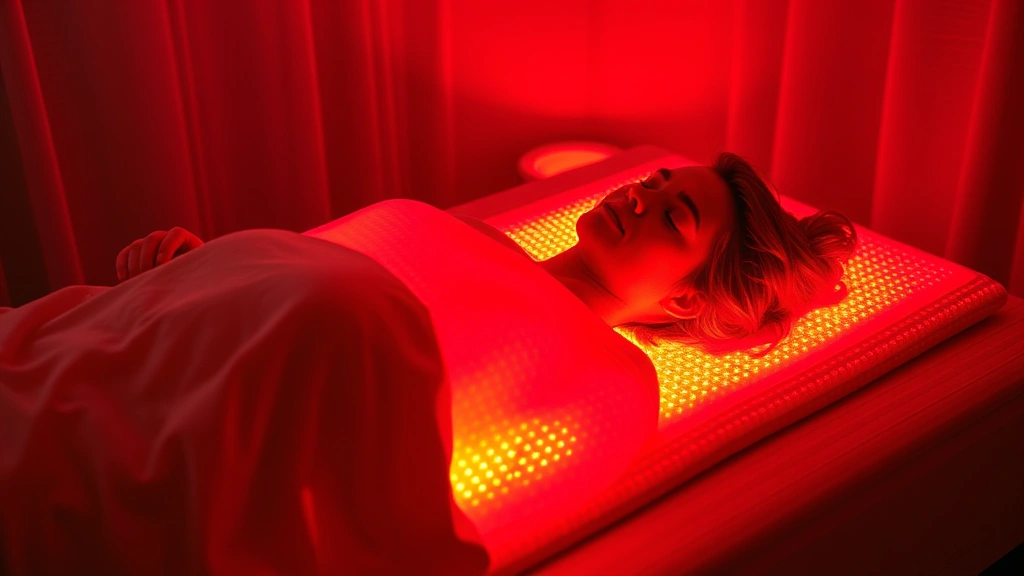
The red light therapy blanket represents a consumer-friendly approach to accessing this technology. These products combine the convenience of a wearable device with the ability to treat larger body areas simultaneously. But how practical are they, and do they deliver results comparable to clinical-grade equipment?
Red light therapy blankets offer several advantages over traditional therapy lamps. They provide hands-free treatment, cover a larger surface area, and allow you to continue other activities while receiving therapy. For people interested in recovery after intense workouts or managing chronic pain, this convenience factor is genuinely valuable.
However, there’s a critical consideration: power density. Clinical studies showing effectiveness typically use devices delivering 20-50 milliwatts per square centimeter at the skin surface. Many consumer blankets deliver significantly less power, which may reduce effectiveness. When evaluating any red light therapy blanket, check the specifications for wavelength, power output, and power density rather than simply trusting marketing claims.
The best approach to using a red light therapy blanket is consistent application. Most users report benefits from 15-30 minute sessions, 3-5 times weekly. Some people integrate it into their routine—using it during work, while reading, or immediately after exercise. This consistency appears more important than occasional intensive use.
It’s worth noting that red light therapy blankets work best as a complementary treatment alongside other evidence-based interventions. If you’re dealing with muscle recovery, combine blanket therapy with proper nutrition and rest. For joint pain, use it alongside appropriate physical therapy exercises. This integrated approach tends to produce better results than relying on any single intervention.
Potential Risks and Safety Considerations
Red light therapy is generally considered safe, with minimal side effects reported in the scientific literature. However, this doesn’t mean it’s universally appropriate for everyone or that risk-free treatment is guaranteed.
Eye Safety: The primary safety concern involves eye exposure. While red light itself isn’t inherently dangerous, excessive eye exposure can potentially cause photoreceptor damage. Quality red light therapy devices include protective eyewear, and users should never stare directly into the light source. If you have existing eye conditions or take medications that increase photosensitivity, consult your eye care provider before use.
Skin Sensitivity: Some people experience mild skin irritation, redness, or warmth during or after treatment. These reactions typically resolve quickly and can be minimized by starting with shorter exposure times and gradually increasing duration.
Heat Generation: Red light therapy devices generate heat, which can be uncomfortable for people with certain conditions like active inflammation or fever. If you have heat sensitivity, test the device on a small area first.
Medication Interactions: Certain medications increase photosensitivity. If you take tetracycline antibiotics, St. John’s Wort, or other photosensitizing medications, discuss red light therapy with your healthcare provider before beginning treatment.
Pregnancy Considerations: While red light therapy isn’t contraindicated during pregnancy, limited research exists on fetal effects. Pregnant individuals should consult their healthcare provider before use.
The safety profile of red light therapy improves dramatically when using devices from reputable manufacturers that have undergone proper testing and certification. Extremely cheap devices from unverified sources may have uncontrolled heat generation or non-standard wavelengths that could pose risks.
How to Choose Quality Red Light Therapy Products
The red light therapy market has exploded with options, and unfortunately, quality varies dramatically. Some devices deliver exactly what they promise, while others are expensive placebos. Here’s how to distinguish between them.
Check Wavelength Specifications: Legitimate red light therapy devices specify exact wavelengths, typically in the 600-1000 nm range. If a product doesn’t provide this information, it’s a red flag. Look for combinations of red (660 nm) and near-infrared (850 nm) light, which research suggests work synergistically.
Verify Power Output: The device should clearly state power output in watts and power density in milliwatts per square centimeter. For therapeutic effects, aim for at least 20-30 mW/cm² at the skin surface. Calculate whether the total power output makes sense for the device size.
Research the Manufacturer: Established companies with transparent information, verifiable customer reviews, and scientific backing are more trustworthy than unknown brands making extraordinary claims. Check whether the manufacturer has published research or collaborated with academic institutions.
Look for Certifications: FDA clearance for specific medical claims, CE marking for European compliance, or third-party testing results all indicate quality control. However, note that FDA clearance doesn’t mean the device is miraculous—it means it’s safe and makes only substantiated claims.
Compare Pricing Realistically: Quality red light therapy devices typically cost $300-$1000+. Extremely cheap options are unlikely to deliver effective power densities, while extremely expensive options may include unnecessary features. Mid-range devices from reputable manufacturers often provide the best value.
Read Independent Reviews: Look beyond manufacturer testimonials to independent reviews from verified purchasers and professional evaluations. Be skeptical of 100% positive reviews—legitimate products have some negative feedback.
Comparing Red Light Therapy to Other Treatments
Understanding how red light therapy compares to alternative interventions helps you make informed decisions about your health strategy. Different treatments work for different people, and the best approach often combines multiple evidence-based methods.
For muscle recovery, red light therapy compares favorably to some traditional methods. Compression garments, ice baths, and active recovery all have supporting evidence, but none consistently outperforms the others. Physical therapy remains the gold standard for rehabilitation after injury, and red light therapy works well as a complementary tool.
For chronic pain management, red light therapy offers advantages over some alternatives. It has fewer side effects than pain medications and doesn’t carry addiction risks. However, it may be less immediately effective than strong pharmaceuticals. The best approach typically combines red light therapy with exercise, physical therapy, and sometimes medication under professional guidance.
Compared to other light therapies, red light stands out for different reasons than blue light (which regulates circadian rhythm) or UV light (which synthesizes vitamin D). Each wavelength serves different purposes, and they’re not interchangeable.
For skin health, red light therapy compares well to topical treatments and procedures. It’s less invasive than chemical peels or laser resurfacing, though potentially less dramatic in short-term results. The advantage is minimal downtime and cumulative improvements with consistent use.
Professional consultation remains valuable. Understanding therapy costs and insurance coverage helps you plan treatment. Some insurance plans cover red light therapy when prescribed by a healthcare provider for specific conditions, while others classify it as experimental. A healthcare provider can help determine whether red light therapy is appropriate for your specific situation and how to integrate it with other treatments.
Frequently Asked Questions
How long does it take to see results from red light therapy?
Results vary by condition and individual factors. Some people notice improvements in muscle soreness within days, while skin benefits typically require 4-12 weeks of consistent use. Chronic pain relief often develops gradually over 2-4 months. Consistency matters more than intensity—regular shorter sessions typically outperform occasional long sessions.
Can red light therapy replace medical treatment?
No. Red light therapy works best as a complementary treatment alongside conventional medicine, not as a replacement. If you have a serious health condition, work with qualified healthcare providers. Red light therapy can enhance recovery and reduce symptoms, but it shouldn’t be your only intervention for conditions requiring medical care.
How often should I use red light therapy?
Most research suggests 3-5 sessions weekly produces optimal results. Each session typically lasts 15-30 minutes, though this varies by device power and your specific condition. More frequent use doesn’t necessarily produce better results—your cells need time to respond and adapt.
Is red light therapy safe for all skin types?
Red light therapy is generally safe for all skin types. However, people with darker skin tones may experience less penetration of visible red light due to higher melanin content. Near-infrared light penetrates more effectively regardless of skin tone. If you have skin conditions like active dermatitis or rosacea, start with shorter sessions and monitor response.
What’s the difference between red and near-infrared light therapy?
Red light (600-700 nm) penetrates superficially and benefits skin conditions. Near-infrared light (700-1000 nm) penetrates deeper, reaching muscle and bone tissue. Many quality devices combine both wavelengths for comprehensive benefits across different tissue depths.
Do red light therapy blankets work as well as clinical devices?
This depends on the specific blanket’s specifications. High-quality consumer blankets with adequate power density and proper wavelengths can deliver meaningful results. However, lower-power blankets may be less effective than clinical-grade equipment. Check specifications carefully rather than assuming all blankets are equivalent.
Can I use red light therapy if I take medications?
Most medications are compatible with red light therapy. However, photosensitizing medications (like certain antibiotics and anti-inflammatories) may require precautions. Always inform your healthcare provider about red light therapy use, especially if you take multiple medications or have light-sensitive conditions.
Red light therapy represents a legitimate therapeutic tool supported by growing scientific evidence, but it’s not a miracle cure. Its effectiveness depends on proper use, consistent application, appropriate device quality, and realistic expectations. When integrated thoughtfully with other evidence-based treatments and lifestyle modifications, red light therapy can meaningfully contribute to your wellness journey. The key is understanding both its genuine benefits and its limitations, then making informed decisions about whether it aligns with your health goals.