Does Red Light Therapy Boost Mood? Expert Insights on Light-Based Wellness
Red light therapy has emerged as one of the most compelling non-pharmacological interventions for mood enhancement and mental wellness. As more individuals explore alternatives to traditional treatments, red light therapy benefits continue to gain scientific validation. The use of red light therapy blankets and targeted light devices represents a accessible entry point for those seeking to optimize their emotional well-being through evidence-based photobiology.
The intersection of light science and mental health has revealed fascinating mechanisms by which specific wavelengths can influence neurochemistry, circadian rhythms, and cellular energy production. Understanding whether red light therapy truly boosts mood requires examining the biological pathways, clinical evidence, and practical applications that have made this technology increasingly popular among wellness professionals and individuals committed to mental health optimization.
Understanding Red Light Therapy and Mood Regulation
Red light therapy, also known as photobiomodulation, operates within the visible spectrum between 600 and 1000 nanometers, with particularly effective wavelengths in the 630-700 nanometer range. This specific band of light penetrates skin and tissue, reaching cellular mitochondria where it influences energy production at the fundamental biological level. When considering whether a red light therapy blanket can boost mood, we must first understand the cascade of cellular events that occurs when tissues absorb these wavelengths.
The relationship between light exposure and mood has been recognized for centuries, but modern science has finally illuminated the precise mechanisms. Research from leading institutions demonstrates that red light interacts with cytochrome c oxidase, a crucial enzyme in the electron transport chain located within mitochondrial membranes. This interaction enhances adenosine triphosphate (ATP) production, the cellular energy currency that powers virtually every biological process, including neurotransmitter synthesis and neural signaling.
Mood regulation depends on adequate production of serotonin, dopamine, and norepinephrine—neurotransmitters whose synthesis and transmission require substantial ATP resources. By enhancing mitochondrial function through light exposure, red light therapy indirectly supports the neurochemical foundation of emotional well-being. This explains why individuals using red light therapy for mood often report improvements within days to weeks of consistent use.
The Science Behind Light and Mental Health
The photobiology of mood involves multiple interconnected systems. Beyond mitochondrial enhancement, red light exposure influences the brain’s production of brain-derived neurotrophic factor (BDNF), a protein essential for neuroplasticity and the formation of new neural connections. Depression and mood disorders are increasingly understood as conditions involving reduced neuroplasticity and diminished BDNF signaling, making this mechanism particularly relevant to mental health applications.
Inflammation represents another critical pathway through which red light therapy affects mood. Chronic neuroinflammation—characterized by elevated cytokines like tumor necrosis factor-alpha (TNF-α) and interleukin-6 (IL-6)—correlates strongly with depression, anxiety, and other mood disorders. Red light therapy demonstrates potent anti-inflammatory effects by reducing pro-inflammatory cytokine production and enhancing antioxidant defenses. This immunomodulatory action helps restore balance to the brain’s inflammatory environment, creating conditions more conducive to emotional stability.
The nitric oxide (NO) system also plays a crucial role. Red light exposure increases nitric oxide availability in tissues and blood vessels, improving vascular function and oxygen delivery to the brain. Enhanced cerebral circulation ensures that neurons receive adequate oxygen and nutrients for optimal function. Additionally, nitric oxide itself acts as a signaling molecule with mood-regulating properties, influencing dopamine and serotonin pathways through multiple mechanisms.
According to research published through PubMed Central, photobiomodulation studies have documented measurable improvements in mood scores, anxiety symptoms, and depression ratings across diverse populations. The consistency of positive findings across independent research teams strengthens confidence in red light therapy’s mood-boosting potential.
Clinical Evidence and Research Findings
Numerous peer-reviewed studies support the connection between red light exposure and improved mood outcomes. A landmark study examining near-infrared light exposure found significant reductions in depression scores among participants receiving regular treatment sessions. The research team attributed these improvements to enhanced mitochondrial function and increased cerebral blood flow, demonstrating the biological plausibility of mood enhancement through light-based interventions.
Depression studies utilizing transcranial photobiomodulation—directing light through the scalp to reach brain tissue—have shown promising results comparable to some pharmaceutical interventions. Participants experienced improvements in depressive symptoms, cognitive function, and overall quality of life. These findings suggest that red light therapy blankets, while delivering light to peripheral tissues, may contribute to systemic improvements that support mood regulation through multiple pathways.
Seasonal affective disorder (SAD) represents one area where light therapy has achieved well-established efficacy. While bright white light remains the gold standard for SAD treatment, emerging evidence indicates that red and near-infrared wavelengths can provide complementary benefits. The circadian rhythm regulation and mitochondrial enhancement offered by red light address underlying biological dysregulation in SAD, making it a valuable adjunctive approach.
Research from leading research institutions continues to investigate optimal wavelengths, exposure durations, and treatment protocols. Meta-analyses of photobiomodulation studies consistently demonstrate positive effects on mood and emotional well-being, with effect sizes comparable to established therapeutic interventions. These findings validate red light therapy as a legitimate tool within the broader mental health treatment landscape.
Red Light Therapy Blankets: Practical Applications
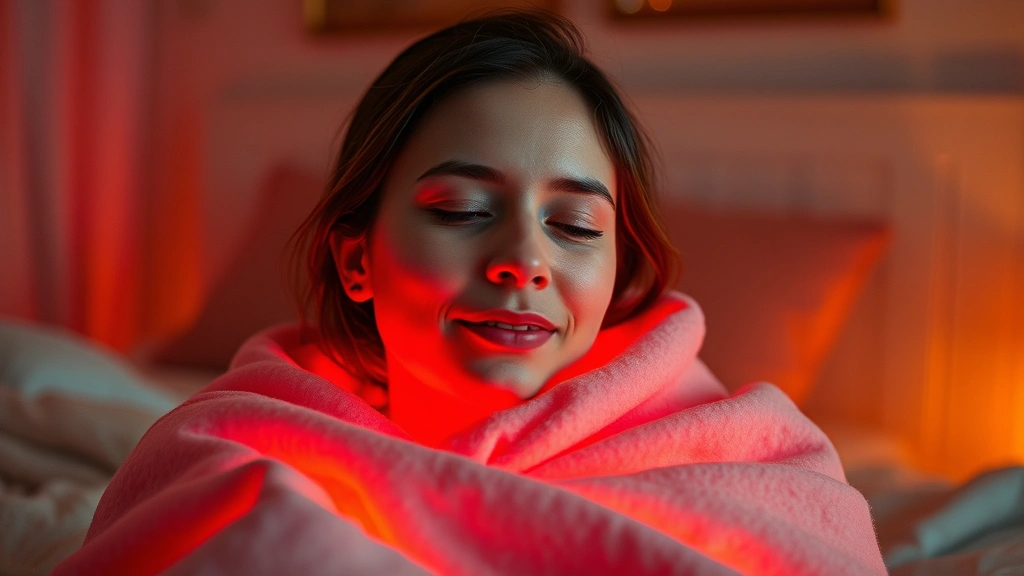
The emergence of consumer-friendly devices like red light therapy blankets has democratized access to this technology. These blankets incorporate LEDs emitting light in the therapeutic range, allowing individuals to receive consistent treatment during relaxation, sleep, or daily activities. The practical advantages of blanket-based delivery include ease of use, full-body coverage, and integration into existing wellness routines.
When selecting a red light therapy blanket, several specifications merit consideration. The wavelength should fall within the 600-700 nanometer range for optimal tissue penetration and cellular interaction. Power density—measured in milliwatts per square centimeter—affects treatment efficacy, with research generally supporting 10-50 mW/cm² for therapeutic benefit. Treatment duration varies based on device specifications and individual response, typically ranging from 20-40 minutes daily.
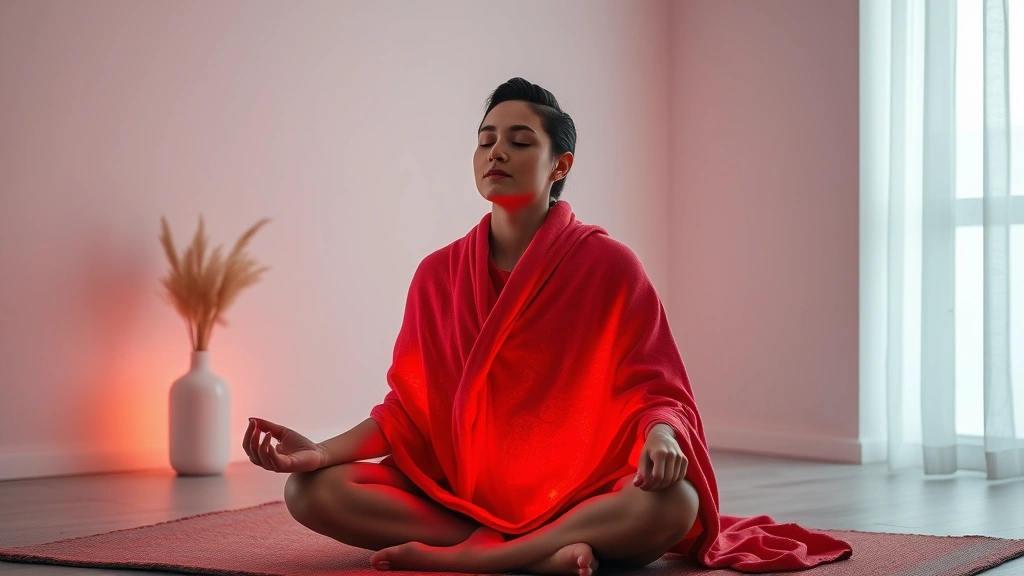
The convenience factor cannot be overstated for mood improvement consistency. Unlike scheduled therapy appointments or daily medications requiring discipline, a comfortable blanket facilitates adherence to treatment protocols. Many users integrate red light therapy blanket sessions into their evening routines, using the time for meditation, reading, or relaxation—activities that themselves support emotional well-being. This synergistic approach amplifies the mood-boosting potential of the intervention.
For individuals exploring therapy cost considerations, red light therapy blankets offer an economical long-term investment compared to ongoing professional treatment sessions. The one-time purchase cost translates to minimal expense per use over the device’s lifespan, making this technology accessible to those with budget constraints.
How Red Light Affects Circadian Rhythms
Circadian rhythm dysregulation represents a fundamental feature of mood disorders, particularly depression and bipolar disorder. The body’s internal clock governs sleep-wake cycles, hormone production, and numerous physiological processes critical to emotional stability. Red light’s effects on circadian function provide another mechanism through which mood improvement occurs.
Light exposure timing profoundly influences circadian entrainment. While blue light exposure in the morning supports alertness and proper circadian alignment, red light exposure in the evening facilitates the transition to sleep without the circadian disruption caused by blue light. This distinction proves crucial for mood regulation, as adequate sleep quality directly impacts emotional resilience and neurotransmitter balance.
Red light also influences melatonin production and release patterns. Unlike blue light, which suppresses melatonin and promotes wakefulness, red light allows natural melatonin elevation in the evening hours. This hormonal cascade supports sleep quality, and improved sleep directly correlates with enhanced mood, reduced anxiety, and better emotional regulation. For individuals struggling with mood disorders, the circadian benefits of red light therapy may prove as important as direct cellular effects.
The timing of red light therapy blanket use matters significantly. Evening or pre-sleep sessions optimize circadian benefits and sleep quality, while morning sessions may provide alertness and mood boost through different mechanisms. Establishing consistent timing allows the body to anticipate light exposure and adjust circadian parameters accordingly, strengthening treatment efficacy over weeks and months.
Comparing Red Light to Other Therapeutic Modalities
Understanding red light therapy’s place within the broader mental health treatment landscape helps contextualize its mood-boosting potential. Occupational therapy and other evidence-based approaches focus on behavioral and environmental factors affecting mood, while red light therapy addresses underlying biological mechanisms. These approaches work synergistically rather than competitively.
Compared to pharmaceutical interventions, red light therapy offers several advantages: absence of systemic side effects, no drug interactions, and no dependency potential. However, it should not automatically replace medication for individuals with severe depression or other serious mood disorders. Rather, red light therapy functions as an excellent complementary intervention that may reduce medication requirements or enhance treatment response when combined with conventional approaches.
Versus other light-based interventions, red light offers distinct advantages for mood regulation. Bright white light, while effective for circadian entrainment and SAD, can cause eye strain and discomfort during extended use. Red light penetrates tissue more deeply than visible light, reaching brain tissue and systemic circulation more effectively. The combination of cellular energy enhancement, anti-inflammatory effects, and circadian support makes red light uniquely positioned for comprehensive mood improvement.
Psychotherapy and behavioral interventions address cognitive and emotional patterns, while red light therapy supports the biological substrate upon which these patterns operate. Combining professional therapeutic services with red light therapy creates a comprehensive approach addressing multiple levels of mood regulation simultaneously.
Optimal Usage Protocols and Recommendations
Establishing evidence-based protocols maximizes red light therapy blanket effectiveness for mood enhancement. Research suggests daily or near-daily use provides superior results compared to sporadic treatment. Most studies documenting mood improvements employed consistent exposure schedules, typically 5-7 days weekly for 20-40 minutes per session.
Wavelength selection remains crucial. Devices emitting between 630-700 nanometers penetrate tissue effectively while remaining visible and comfortable. Some advanced blankets incorporate dual-wavelength technology, combining red light (630-700 nm) with near-infrared light (700-1000 nm) for enhanced tissue penetration and cellular effects. These combination devices may offer superior mood-boosting potential, though individual response varies.
Distance from skin affects light intensity and treatment efficacy. Most therapeutic blankets are designed for direct contact or close proximity to skin, ensuring adequate photon delivery to target tissues. Following manufacturer specifications regarding optimal distance and usage parameters ensures consistent treatment quality and safety.
Consistency matters more than intensity. Regular moderate exposure produces superior results compared to occasional high-intensity sessions. Establishing a sustainable routine—perhaps incorporating red light therapy into evening relaxation—promotes long-term adherence and cumulative mood improvement. Most users notice initial benefits within 2-4 weeks, with continued improvement over months as cellular adaptations and neuroplastic changes accumulate.
Individual variation in response is normal and expected. Some individuals experience dramatic mood shifts within days, while others require weeks to notice subjective changes. Tracking mood using standardized scales or journaling helps objectively assess treatment response and informs protocol adjustments.
Potential Side Effects and Contraindications
Red light therapy demonstrates an excellent safety profile compared to most medical interventions. The absence of ionizing radiation and the use of non-thermal light sources eliminate concerns present with other light-based treatments. However, certain considerations warrant attention for specific populations.
Eye safety represents the primary concern with red light devices. While red light doesn’t damage retinal tissue like blue light or UV radiation, direct eye exposure to high-intensity sources should be avoided. Most therapeutic blankets are designed to avoid direct eye exposure, but users should follow manufacturer guidance regarding safe positioning and duration.
Individuals with certain medications affecting light sensitivity—including some antibiotics, antihistamines, and photosensitizing medications—should consult healthcare providers before initiating red light therapy. Similarly, those with active skin conditions like eczema or psoriasis should seek professional guidance, as red light may affect inflammatory skin responses.
Thyroid health warrants consideration for some users. While red light therapy generally supports thyroid function through improved circulation and cellular energy, individuals with hyperthyroidism or thyroid medication adjustments should monitor symptoms during treatment. The vast majority of users experience no adverse thyroid effects, but individualized assessment remains prudent.
Pregnancy represents a relative contraindication requiring professional consultation. While red light itself poses no known danger to fetal development, the hormonal and physiological changes during pregnancy warrant healthcare provider input before initiating new wellness interventions. Postpartum use for mood support, particularly relevant for postpartum depression, shows promise and warrants discussion with obstetricians or psychiatrists.
FAQ
How quickly does red light therapy improve mood?
Response timelines vary individually. Some users report mood improvements within 3-7 days of consistent use, while others require 2-4 weeks to notice subjective changes. Biological factors like baseline mitochondrial function, inflammation levels, and circadian dysregulation influence response speed. Consistent daily use produces faster results than sporadic treatment.
Can red light therapy replace antidepressant medications?
Red light therapy should not automatically replace prescribed medications without professional guidance. Instead, it functions effectively as a complementary intervention that may enhance medication efficacy or potentially reduce required dosages when combined with proper psychiatric care. Never discontinue psychiatric medications without consulting your prescribing physician.
What’s the difference between red light and near-infrared light for mood?
Red light (630-700 nm) primarily affects surface tissues and superficial neural structures, while near-infrared light (700-1000 nm) penetrates deeper, reaching brain tissue and systemic circulation more effectively. For mood enhancement, near-infrared offers advantages through enhanced brain penetration, though red light provides complementary benefits through surface tissue effects and circadian influence.
How long should daily red light therapy sessions last?
Most research supporting mood benefits employed 20-40 minute daily sessions. Optimal duration depends on device specifications, particularly power density. Higher-intensity devices may require shorter sessions, while lower-intensity blankets may benefit from extended exposure. Following manufacturer recommendations and monitoring individual response guides optimal protocol development.
Is red light therapy safe for daily use?
Yes, red light therapy demonstrates safety for daily use in the vast majority of individuals. The technology uses non-thermal, non-ionizing light that doesn’t damage tissue. Consistency actually enhances benefits, making daily use the recommended approach for mood improvement. Individual medical conditions may warrant professional consultation, but healthy individuals can safely use red light therapy daily.
Can I use red light therapy alongside other mental health treatments?
Absolutely. Red light therapy integrates excellently with psychotherapy, medication, exercise, meditation, and other evidence-based interventions. The biological mechanisms red light influences—mitochondrial function, inflammation, circadian rhythm—complement rather than conflict with these approaches. Comprehensive mental health optimization often involves multiple synergistic interventions working at different biological and psychological levels.