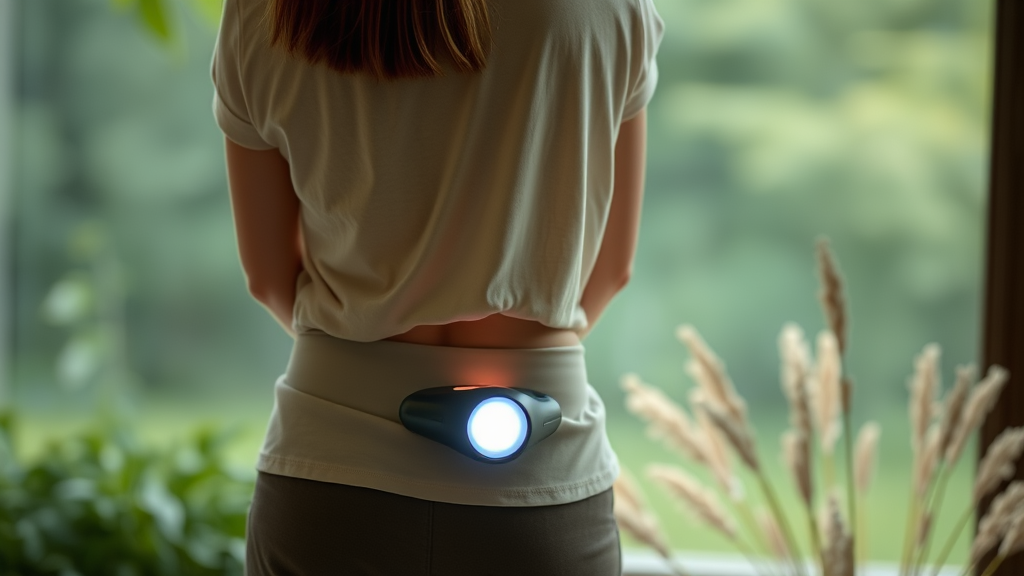
Living with chronic pain can feel overwhelming and isolating, affecting not just your physical well-being but your emotional and mental health as well. Whether you’re dealing with persistent back pain, recovering from an injury, or managing inflammation, the search for effective, non-invasive treatment options can feel endless. The good news is that innovative technologies like red light therapy are offering new hope for those seeking natural healing solutions.
A red light therapy belt represents a breakthrough in accessible, at-home treatment that harnesses the power of specific light wavelengths to promote healing at the cellular level. This portable device allows you to target specific areas of discomfort while maintaining your daily routine, making consistent treatment both convenient and effective. Understanding how this technology works and its potential benefits can be the first step toward reclaiming your comfort and well-being.
Understanding Red Light Therapy
Red light therapy, also known as photobiomodulation or low-level laser therapy, utilizes specific wavelengths of red and near-infrared light, typically between 660-850 nanometers, to stimulate cellular processes that promote healing and reduce inflammation. This non-invasive treatment has been extensively studied and shown to penetrate deep into tissues, reaching muscles, joints, and even bone.
The science behind red light therapy lies in its ability to enhance mitochondrial function within cells. Mitochondria, often called the powerhouses of cells, produce ATP (adenosine triphosphate), which is essential for cellular energy and repair processes. When exposed to specific light wavelengths, mitochondria become more efficient at producing ATP, leading to accelerated healing and reduced inflammation.
Unlike some alternative therapies, red light therapy has substantial scientific backing. Research published in The National Center for Biotechnology Information demonstrates its effectiveness in treating various conditions, from wound healing to muscle recovery and pain management.
Red light therapy belts make this technology accessible for home use, allowing individuals to receive consistent treatment without frequent clinic visits. These devices are designed to wrap around specific body areas, providing targeted therapy to regions like the lower back, abdomen, or other areas experiencing pain or inflammation.

Benefits of Red Light Therapy Belts
The therapeutic benefits of red light therapy belts extend far beyond simple pain relief, offering a comprehensive approach to healing and wellness. One of the most significant advantages is pain reduction, particularly for chronic conditions like arthritis, fibromyalgia, and lower back pain. The light wavelengths help reduce inflammation at the cellular level, which is often the root cause of persistent discomfort.
Improved circulation is another key benefit, as red light therapy promotes vasodilation, increasing blood flow to treated areas. Enhanced circulation delivers more oxygen and nutrients to tissues while facilitating the removal of metabolic waste products, creating an optimal environment for healing.
For those interested in seeing tangible results, exploring red light therapy before and after comparisons can provide insight into the potential improvements possible with consistent use.
Muscle recovery and performance enhancement represent additional benefits, making red light therapy belts popular among athletes and fitness enthusiasts. The therapy helps reduce exercise-induced muscle fatigue and accelerates recovery time between workouts, allowing for more consistent training routines.
Skin health improvements are also commonly reported, as red light therapy stimulates collagen production and promotes cellular regeneration. Users often notice improved skin texture, reduced appearance of scars, and overall healthier-looking skin in treated areas.
How Red Light Therapy Works
The mechanism of action behind red light therapy involves complex cellular processes that occur when specific wavelengths of light interact with cellular components. At the molecular level, red and near-infrared light photons are absorbed by chromophores within cells, particularly cytochrome c oxidase in mitochondria.
This absorption triggers a cascade of beneficial cellular responses, including increased ATP production, enhanced protein synthesis, and improved cellular metabolism. The therapy also stimulates the release of nitric oxide, a molecule that plays a crucial role in vasodilation and improved blood flow.
According to research from the American Psychological Association, the psychological benefits of pain reduction through non-pharmacological methods like red light therapy can significantly improve overall mental health and quality of life, reducing stress and anxiety associated with chronic pain conditions.
The wavelength penetration depth is crucial to understanding effectiveness. Red light (around 660nm) penetrates approximately 2-3mm into tissue, making it ideal for surface-level conditions and skin health. Near-infrared light (around 850nm) can penetrate up to 4-5cm deep, reaching muscles, joints, and deeper tissues where many pain conditions originate.
Red light therapy belts are engineered to deliver optimal wavelength combinations, ensuring maximum therapeutic benefit while maintaining safety standards. The controlled delivery system allows for consistent treatment sessions with predictable outcomes.
Choosing the Right Red Light Therapy Belt
Selecting the appropriate red light therapy belt requires consideration of several key factors to ensure you receive maximum therapeutic benefit. Power density, measured in milliwatts per square centimeter (mW/cm²), is one of the most critical specifications to evaluate. Effective therapy typically requires power densities between 20-200 mW/cm² at the skin surface.
Wavelength accuracy is equally important, as therapeutic benefits are wavelength-specific. Look for devices that clearly specify their wavelength output and have been tested for accuracy. Quality manufacturers provide detailed specifications and often third-party testing verification.
For those considering professional-grade options, researching best red light therapy panels can provide insights into high-quality features to look for in belt designs as well.
LED quality and quantity affect both treatment effectiveness and device longevity. High-quality LEDs maintain consistent output over thousands of hours of use, while inferior LEDs may degrade quickly, reducing therapeutic effectiveness over time.
Belt design considerations include adjustability, comfort, and ease of use. The belt should fit securely without being restrictive and allow for normal movement during treatment sessions. Some models offer multiple size options or adjustable designs to accommodate different body types.
Popular brands like joovv red light therapy and hooga red light therapy offer various belt options with different features and price points, making it important to compare specifications and user reviews before making a decision.

Proper Usage and Safety Guidelines
Implementing a safe and effective red light therapy routine requires understanding proper usage protocols and potential contraindications. Treatment duration typically ranges from 10-20 minutes per session, with many users finding optimal results with 15-minute sessions. Longer exposure times don’t necessarily provide additional benefits and may potentially cause adverse effects.
Frequency recommendations vary depending on the condition being treated and individual response. Most protocols suggest daily sessions for acute conditions and 3-5 sessions per week for maintenance or chronic conditions. It’s important to start conservatively and gradually increase frequency based on your body’s response.
Skin preparation involves ensuring the treatment area is clean and free from lotions, oils, or other substances that might interfere with light penetration. Some users find that applying the therapy to slightly damp skin may enhance penetration, though this isn’t universally recommended.
Safety considerations include eye protection, as direct exposure to bright LED light can be uncomfortable or potentially harmful. Most belt designs position LEDs away from the eye area, but users should avoid looking directly at illuminated LEDs during treatment.
The Mayo Clinic emphasizes the importance of consulting healthcare providers before beginning any new therapy regimen, particularly for individuals with existing medical conditions or those taking medications that increase light sensitivity.
Contraindications include pregnancy (as a precautionary measure), active cancer in the treatment area, and certain medications that increase photosensitivity. Individuals with thyroid conditions should avoid treatment over the thyroid area unless specifically recommended by a healthcare provider.
Real-World Applications and Success Stories
Red light therapy belts have found success across diverse applications, from professional athletics to everyday wellness routines. Athletes use these devices for pre-workout muscle preparation and post-exercise recovery, reporting reduced muscle soreness and improved performance consistency.
Healthcare practitioners increasingly recommend red light therapy as a complementary treatment for various conditions. Physical therapy clinics often incorporate the technology into rehabilitation programs, while pain management specialists may suggest at-home devices for ongoing care between appointments.
For those seeking convenient access to professional treatments, exploring red light therapy near me options can help identify local providers who can demonstrate proper technique and provide guidance on home device selection.
Workplace wellness programs have begun incorporating red light therapy belts as part of ergonomic health initiatives, particularly for employees who experience back pain from prolonged sitting or repetitive motions. The portability and ease of use make these devices ideal for office environments.
Some fitness facilities, including certain planet fitness red light therapy locations, now offer red light therapy as part of their wellness amenities, allowing members to experience the technology before investing in personal devices.
Home care applications extend beyond pain management to include general wellness routines. Many users incorporate red light therapy into their evening routines, finding that the treatment helps with relaxation and sleep quality, though individual responses vary.
Research published in Psychology Today suggests that the routine and self-care aspects of regular red light therapy sessions can provide psychological benefits beyond the direct physiological effects, contributing to improved mood and stress management.
Frequently Asked Questions
How long does it take to see results from red light therapy belt treatments?
Most users begin noticing initial improvements within 1-2 weeks of consistent daily use, though significant changes typically become apparent after 4-6 weeks of regular treatment. Acute conditions may respond faster, while chronic conditions often require longer treatment periods. Individual factors such as age, overall health, and the specific condition being treated influence response time.
Can I use a red light therapy belt if I have metal implants or medical devices?
Red light therapy is generally considered safe for individuals with metal implants, as the light wavelengths don’t generate heat in metal objects like some other therapies might. However, individuals with electronic medical devices such as pacemakers should consult their healthcare provider before use. The electromagnetic fields generated by LED devices are typically minimal but warrant professional evaluation.
Is it safe to use red light therapy belts every day?
Daily use is generally safe and often recommended for optimal results, particularly during initial treatment phases. Most protocols suggest daily 15-20 minute sessions for the first 4-6 weeks, followed by maintenance schedules of 3-5 times per week. However, it’s important to monitor your body’s response and adjust frequency if you experience any adverse effects.
What’s the difference between red light and near-infrared light in therapy belts?
Red light (around 660nm) primarily affects surface-level tissues and is excellent for skin health and superficial muscle treatment. Near-infrared light (around 850nm) penetrates deeper into tissues, reaching joints, deeper muscles, and bones. Most therapeutic belts combine both wavelengths to provide comprehensive treatment benefits at multiple tissue depths.
Can red light therapy belts help with conditions other than pain?
Yes, red light therapy belts may provide benefits for various conditions beyond pain management. Users report improvements in skin health, wound healing, muscle recovery, circulation, and even sleep quality. Some research suggests potential benefits for seasonal affective disorder and general mood enhancement, though more studies are needed to confirm these effects.
Are there any side effects associated with red light therapy belt use?
Red light therapy is generally well-tolerated with minimal side effects when used properly. Some users may experience temporary skin redness immediately after treatment, which typically subsides within an hour. Rarely, individuals may experience headaches or eye strain if exposed to bright LEDs. Starting with shorter treatment times and gradually increasing duration can help minimize any potential discomfort.
How do I clean and maintain my red light therapy belt?
Proper maintenance involves gently cleaning the device with a soft, slightly damp cloth after each use to remove any skin oils or residue. Avoid using harsh chemicals or submerging the device in water. Store the belt in a cool, dry place away from direct sunlight. Regularly inspect LED connections and housing for any signs of damage, and follow manufacturer guidelines for optimal device longevity.