Red and Blue Light Therapy: Benefits for Mental Health
Light has long been recognized as a powerful tool for regulating human biology, from controlling circadian rhythms to influencing mood and cognitive function. In recent years, red and blue light therapy has emerged as a promising non-invasive intervention for mental health conditions, offering measurable improvements in depression, anxiety, seasonal affective disorder, and sleep quality. This cutting-edge therapeutic approach combines ancient photobiology principles with modern LED technology to deliver specific wavelengths of light that trigger physiological and psychological benefits at the cellular level.
The science behind red and blue light therapy reveals how different wavelengths penetrate skin and tissue at varying depths, activating mitochondrial function and regulating neurotransmitter production. Unlike pharmaceutical interventions, light therapy presents a natural, side-effect-minimal alternative that can be integrated into daily wellness routines. Whether you’re exploring red light therapy near me or considering at-home devices, understanding the evidence-based benefits and mechanisms is essential for making informed decisions about mental health treatment.
How Red and Blue Light Therapy Works
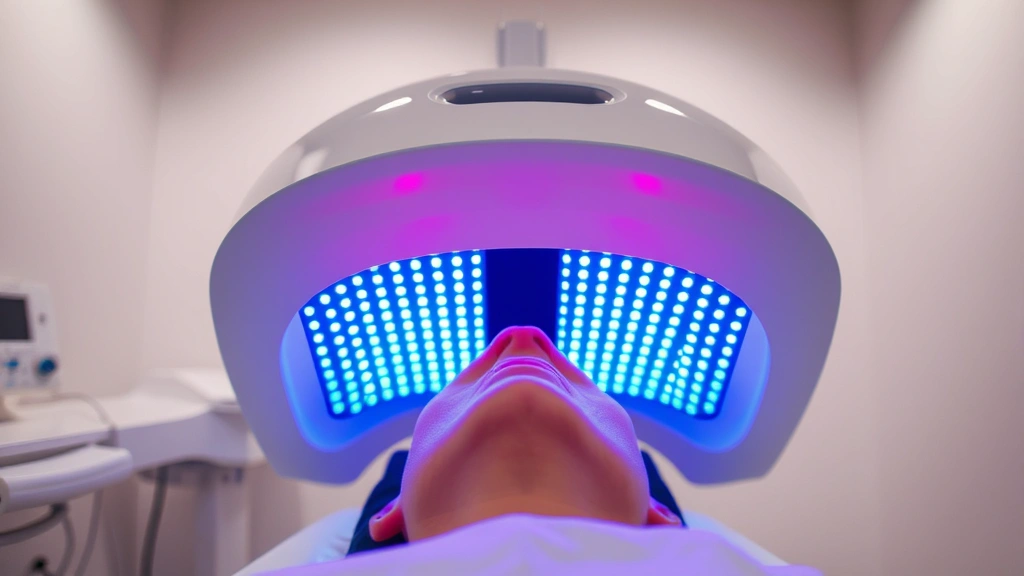
Red and blue light therapy operates through fundamental photobiological mechanisms that interact with human cellular structures. Red light, typically in the 600-700 nanometer wavelength range, penetrates deeper into tissue layers, reaching muscle, bone, and brain structures. This wavelength stimulates mitochondrial function by increasing ATP (adenosine triphosphate) production, the primary energy currency of cells. When mitochondria operate more efficiently, neurons can fire more effectively, neurotransmitter production increases, and overall cellular metabolism improves.
Blue light, operating in the 400-500 nanometer range, affects circadian rhythm regulation through intrinsically photosensitive retinal ganglion cells (ipRGCs) that contain melanopsin. These specialized cells communicate directly with the suprachiasmatic nucleus (SCN), the brain’s master clock, influencing melatonin production and sleep-wake cycles. Research from Nature Communications demonstrates that blue light exposure at appropriate times can reset circadian misalignment and improve sleep architecture.
The mechanism extends beyond simple light absorption. Both wavelengths trigger intracellular signaling cascades, reduce oxidative stress through increased antioxidant production, and promote neuroplasticity. Additionally, light therapy influences serotonin and dopamine synthesis, two critical neurotransmitters implicated in mood regulation. The Science Advances journal published research confirming that specific light wavelengths enhance synaptic plasticity and long-term potentiation in hippocampal neurons.
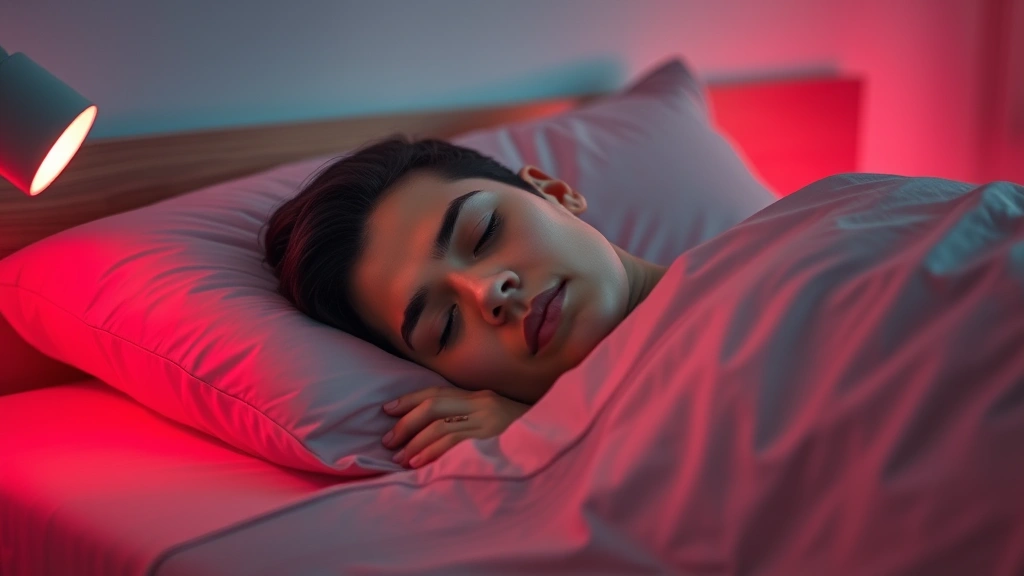
Mental Health Benefits of Red Light Therapy
Red light therapy demonstrates substantial efficacy for multiple mental health conditions through its multi-targeted approach. Depression, characterized by reduced ATP production in prefrontal cortex neurons, responds positively to red light’s mitochondrial-stimulating properties. Studies show that individuals receiving red light therapy experience significant reductions in depressive symptoms, with effect sizes comparable to some pharmaceutical interventions but without associated side effects.
The mechanism involves enhanced mitochondrial function leading to improved executive function, emotional regulation, and motivation. Red light therapy increases blood flow to the brain, delivering more oxygen and nutrients to neuronal tissue. This physiological improvement translates to better cognitive performance, reduced rumination, and enhanced ability to engage in behavioral activation—a key component of depression treatment. Frontiers in Psychiatry documented meta-analyses showing consistent improvements in depression scores across multiple randomized controlled trials.
Anxiety disorders, which involve hyperactive threat-detection systems, also benefit from red light therapy’s calming effects on the amygdala and enhanced parasympathetic nervous system activation. The improved mitochondrial function supports GABA production, the brain’s primary inhibitory neurotransmitter. Patients report decreased anxiety symptoms, improved emotional resilience, and better stress tolerance. Brain imaging studies reveal normalized amygdala reactivity following consistent red light therapy exposure.
Cognitive function improvements associated with red light therapy include enhanced memory consolidation, faster processing speed, and improved attention. These cognitive enhancements support overall mental health by enabling individuals to engage more effectively in therapy, maintain healthier relationships, and pursue meaningful activities. The benefits accumulate over time, with most studies showing progressive improvement over 4-12 weeks of consistent exposure.
Blue Light Therapy and Mood Regulation
Blue light therapy primarily influences mood through circadian rhythm stabilization, though direct mood-lifting effects have also been documented. The suprachiasmatic nucleus regulates not only sleep-wake cycles but also daily fluctuations in cortisol, body temperature, and neurotransmitter availability. When circadian rhythms become dysregulated—common in depression, bipolar disorder, and anxiety—these biological systems become misaligned, exacerbating mood disturbances.
Morning blue light exposure synchronizes circadian rhythms with the external day-night cycle, promoting earlier melatonin suppression and establishing consistent sleep timing. This synchronization cascades into improved mood stability, reduced depressive symptoms, and enhanced daytime alertness. Research indicates that individuals with circadian misalignment show significant mood improvement when their rhythms are re-synchronized through strategic blue light exposure.
Blue light also influences dopamine production, the neurotransmitter central to motivation and reward processing. Properly timed blue light exposure enhances dopamine availability, improving motivation, pleasure perception, and engagement with positive activities. This mechanism proves particularly valuable for depression treatment, where anhedonia (inability to experience pleasure) represents a core symptom.
The timing of blue light exposure proves critical. Morning exposure (within 1-2 hours of waking) advances circadian phase and improves mood, while evening exposure delays phase and can worsen symptoms in some individuals. Individuals should consult with healthcare providers about optimal timing based on their specific circadian phenotype and mental health condition.
Light Therapy for Seasonal Affective Disorder
Seasonal Affective Disorder (SAD), affecting approximately 5% of the population, represents one of the most well-established applications for light therapy. During winter months, reduced sunlight exposure disrupts circadian rhythms and depletes serotonin production, leading to depression, lethargy, and sleep disturbances. Light therapy, particularly bright white light combining both red and blue wavelengths, directly addresses SAD’s underlying mechanism.
Clinical guidelines recommend 10,000 lux light exposure for 20-30 minutes each morning during fall and winter months. This exposure suppresses melatonin production, advances circadian phase, and increases serotonin synthesis. Response rates exceed 60% in clinical trials, with many individuals experiencing symptom improvement within 3-7 days. The mechanism combines circadian rhythm adjustment with direct serotonergic stimulation.
Red and blue light therapy offers advantages over standard white light therapy by allowing targeted wavelength delivery. Red light penetrates deeper, enhancing mitochondrial function in brain tissue, while blue light optimally stimulates ipRGCs for circadian regulation. Combined therapy may offer superior benefits for SAD sufferers who have not responded adequately to standard light therapy alone.
Individuals can access SAD treatment through professional light therapy clinics or home-based devices. Those seeking red light therapy near me should inquire about SAD-specific protocols and clinician guidance for optimal results. Consistency proves essential, as benefits typically require daily exposure throughout the winter season.
Sleep Quality and Circadian Rhythm Enhancement
Sleep quality fundamentally impacts mental health, yet approximately 40% of individuals with depression experience insomnia. Red and blue light therapy addresses sleep disturbances through multiple mechanisms: circadian rhythm synchronization, melatonin regulation, and improved sleep architecture. Poor sleep exacerbates depression, anxiety, and cognitive dysfunction, creating a vicious cycle. Light therapy interrupts this cycle by normalizing sleep patterns.
Blue light exposure in morning hours suppresses melatonin production, promoting wakefulness and establishing a clear circadian rhythm. This clear rhythm naturally promotes melatonin production in evening hours, improving sleep onset and quality. Red light therapy, delivered in evening hours, promotes melatonin production without suppressing circadian phase, supporting sleep maintenance and REM sleep quality.
Studies demonstrate that light therapy improves multiple sleep parameters: reduced sleep onset latency (time to fall asleep), increased total sleep duration, improved sleep efficiency, and enhanced REM sleep. These improvements translate directly to better daytime mood, cognitive function, and emotional regulation. Individuals receiving consistent light therapy report feeling more rested, experiencing better emotional control during the day, and showing reduced depressive symptoms.
The relationship between sleep and mental health justifies prioritizing sleep optimization as a mental health intervention. Light therapy offers non-pharmacological improvement without the side effects of sleep medications. Sleep Foundation research emphasizes light therapy’s role in comprehensive sleep hygiene protocols for mental health optimization.
Combining Red and Blue Light for Optimal Results
While red and blue light therapy each offer distinct benefits, combining them creates synergistic effects that exceed single-wavelength treatment. Red light’s mitochondrial enhancement combines with blue light’s circadian regulation, providing comprehensive support for mental health. Strategic combination protocols involve morning blue light exposure for circadian synchronization and evening red light exposure for sleep support and cellular regeneration.
Morning blue light exposure (10,000 lux, 30 minutes within 1 hour of waking) establishes circadian entrainment, suppresses melatonin, and enhances daytime dopamine availability. This addresses both circadian misalignment and the lethargy characteristic of depression. Evening red light exposure (600-700 nm, 20-30 minutes 1-2 hours before bedtime) promotes melatonin production without phase-shifting, supports mitochondrial function during sleep’s restorative processes, and reduces blue light’s potential evening disruption.
Some advanced protocols employ mid-day red light therapy to enhance cognitive function and mood during afternoon hours when many individuals experience energy dips. This timing leverages red light’s ATP-enhancing properties to combat the “afternoon slump” common in depression and circadian misalignment. Combined morning, midday, and evening protocols provide comprehensive 24-hour mental health support.
Individuals considering combined light therapy should consult healthcare providers to develop personalized protocols. Factors including chronotype (morning versus evening preference), specific mental health diagnoses, and response to initial treatment inform optimal combination approaches. Many practitioners integrate light therapy with other therapeutic modalities for comprehensive mental health treatment.
Practical Implementation and Safety Considerations
Implementing red and blue light therapy requires understanding device specifications, timing protocols, and individual response patterns. Light therapy devices vary significantly in wavelength precision, intensity (measured in lux or milliwatts per square centimeter), and design. Clinical-grade devices typically deliver 10,000 lux white light or precisely calibrated red (660 nm) and blue (470 nm) wavelengths.
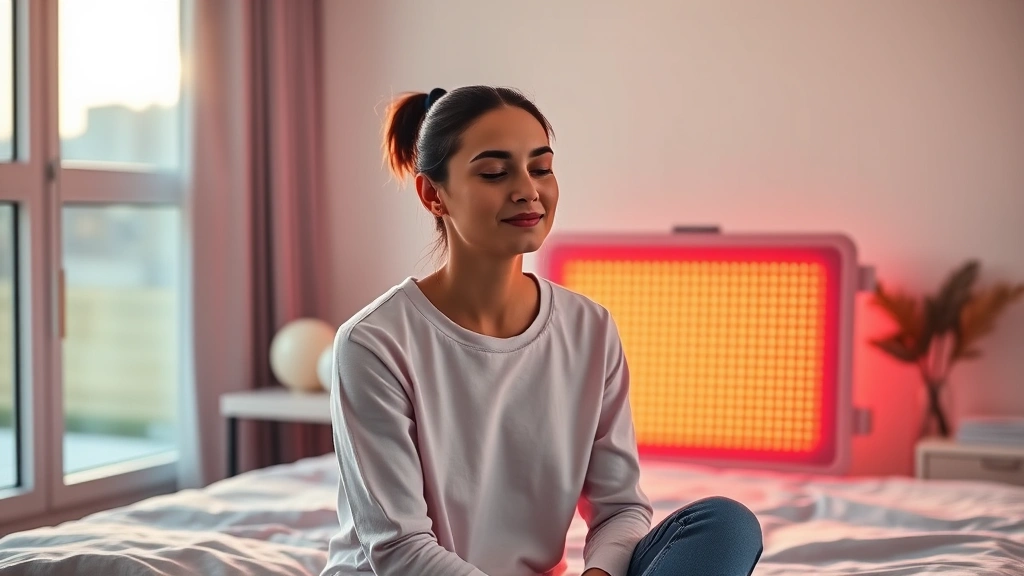
At-home light therapy devices range from light boxes to specialized panels to wearable devices. Light boxes work effectively for morning exposure and SAD treatment, positioned 16-24 inches from eyes at a 30-degree angle. Red light panels suit broader treatment areas and evening use. Wearable devices offer convenience but typically deliver lower intensity. Selecting appropriate devices requires considering clinical evidence, intensity ratings, and individual preferences.
Safety considerations include potential side effects such as headaches, eye strain, or agitation, typically occurring with excessive intensity or improper timing. Individuals with bipolar disorder should use light therapy cautiously, as excessive exposure can trigger manic episodes; clinical monitoring proves essential. Those with eye conditions including macular degeneration should consult ophthalmologists before beginning light therapy. Pregnancy doesn’t contraindicate light therapy, but consultation with healthcare providers ensures safety.
Optimal timing involves morning blue light exposure between 6-9 AM and evening red light exposure 1-2 hours before bedtime. Consistency matters more than intensity; daily exposure produces superior results compared to sporadic high-intensity treatment. Most individuals require 4-12 weeks of consistent exposure to experience full benefits, though some respond within days.
Integration with other treatments enhances outcomes. Light therapy combines effectively with psychotherapy, particularly cognitive-behavioral therapy (CBT), which addresses thought patterns and behaviors. Physical exercise amplifies light therapy’s effects on mood and sleep. Proper nutrition supporting neurotransmitter synthesis and mitochondrial function optimizes light therapy outcomes. A comprehensive approach addressing multiple mental health factors produces superior results.
Monitoring treatment response involves tracking mood symptoms, sleep quality, and energy levels. Many individuals benefit from structured symptom tracking using standardized measures like the PHQ-9 (Patient Health Questionnaire) for depression or GAD-7 for anxiety. Regular monitoring enables healthcare providers to adjust protocols based on individual response patterns.
FAQ
What is the difference between red and blue light therapy for mental health?
Red light (600-700 nm) primarily enhances mitochondrial function and ATP production, improving cellular energy and supporting mood regulation through enhanced neurotransmitter synthesis. Blue light (400-500 nm) primarily regulates circadian rhythms through melanopsin-containing retinal cells, influencing sleep-wake cycles and melatonin production. Both support mental health through different mechanisms; combined use provides comprehensive benefits.
How long does red and blue light therapy take to work?
Initial mood improvements may occur within 3-7 days, particularly for seasonal affective disorder. However, full therapeutic benefits typically require 4-12 weeks of consistent daily exposure. Sleep improvements often appear within 1-2 weeks. Individual response varies based on baseline mental health status, consistency of treatment, and specific light therapy protocol used.
Can light therapy replace psychiatric medication?
Light therapy serves as a valuable adjunctive treatment and may reduce medication requirements in some individuals, but should not replace psychiatric medications without medical supervision. Combining light therapy with medication often produces superior outcomes compared to either treatment alone. Individuals considering medication changes should consult psychiatrists to develop comprehensive treatment plans.
Is light therapy safe for everyone?
Light therapy proves safe for most individuals but requires caution in specific populations. Those with bipolar disorder need clinical monitoring due to potential manic episode risk. Individuals with eye conditions should consult ophthalmologists. Proper device use, appropriate timing, and individual tailoring minimize side effects. Healthcare provider consultation ensures safe implementation.
What devices should I use for red and blue light therapy?
Clinical-grade light boxes, LED panels, and specialized devices deliver therapeutic wavelengths. Light boxes work well for morning exposure and SAD treatment. Red light panels suit evening use and broader treatment areas. Wearable devices offer convenience. Selection depends on clinical evidence, intensity specifications, treatment goals, and personal preferences. Professional guidance helps identify optimal devices.
Can I use light therapy alongside other mental health treatments?
Yes, light therapy integrates effectively with psychotherapy, medication, exercise, and other mental health interventions. Combining light therapy with cognitive-behavioral therapy produces superior depression outcomes compared to either treatment alone. Physical exercise amplifies light therapy’s benefits. A comprehensive, multi-modal approach addressing multiple mental health factors produces optimal results.