
Recreation Therapy Jobs: Boosting Mental Health and Wellness
Recreation therapy has emerged as a transformative career path that combines clinical expertise with creative engagement to improve mental health outcomes. Professionals in recreation therapy jobs leverage therapeutic activities, leisure programming, and experiential interventions to help clients manage stress, build resilience, and enhance overall quality of life. This dynamic field bridges the gap between traditional clinical therapy and holistic wellness approaches.
The demand for recreation therapy professionals continues to grow as healthcare organizations, mental health facilities, and community centers recognize the profound impact of therapeutic recreation on patient outcomes. Whether you’re considering entering this field or seeking to advance your career, understanding the landscape of recreation therapy jobs provides valuable insight into meaningful work that directly improves people’s mental health and wellbeing.
What Is Recreation Therapy?
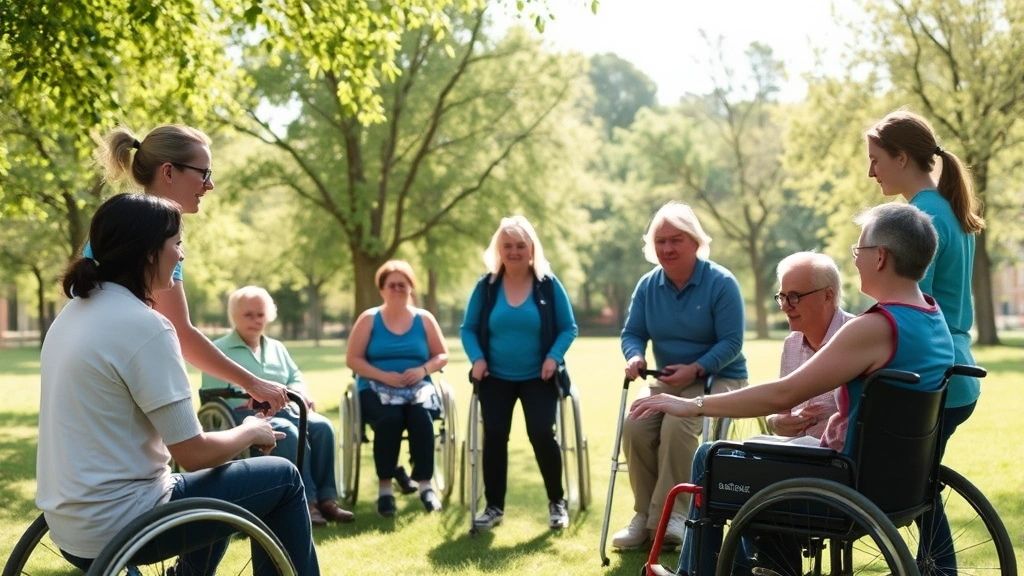
Recreation therapy, also known as therapeutic recreation, is a clinical health profession that uses evidence-based interventions and structured activities to promote physical, mental, emotional, and social wellbeing. Recreation therapists design and implement programs that incorporate leisure, play, creative arts, music, sports, and outdoor activities as therapeutic modalities. Unlike casual recreation, therapeutic recreation is specifically designed and monitored to achieve measurable health outcomes for individuals with disabilities, illnesses, or mental health conditions.
The field is grounded in clinical practice and research, with professionals working collaboratively within interdisciplinary healthcare teams. Recreation therapists assess client needs, develop individualized treatment plans, facilitate therapeutic activities, and document progress toward wellness goals. This approach recognizes that engagement in meaningful, enjoyable activities is fundamental to healing and mental health improvement. The integration of recreation therapy into comprehensive treatment programs has demonstrated significant benefits for patients across all age groups and diagnostic categories.
Recreation therapy professionals understand that therapy resources and approaches vary widely, and they apply evidence-based practices to select appropriate interventions. The field encompasses both clinical assessment and creative program design, making it an ideal career for individuals passionate about mental health and human connection.

Career Paths in Recreation Therapy
Recreation therapy jobs offer diverse career trajectories depending on education level, specialization, and professional interests. Entry-level positions typically require certification and allow professionals to work directly with clients in therapeutic activities. As careers progress, recreation therapists may advance into supervisory roles, program management, clinical specialization, or research positions.
Direct Service Positions form the foundation of recreation therapy careers. Recreation therapy specialists and technicians work directly with clients, implementing treatment plans and facilitating therapeutic activities. These roles exist in hospitals, rehabilitation centers, psychiatric facilities, and community mental health organizations. Direct service providers document client progress, maintain therapeutic relationships, and adapt activities based on individual needs and responses.
Supervisory and Management Roles emerge as experienced recreation therapists advance. Recreation therapy supervisors oversee teams of therapists and technicians, manage departmental operations, develop program protocols, and ensure quality assurance. Program directors lead entire recreation therapy departments, establish strategic initiatives, manage budgets, and coordinate with administrative leadership. These positions require advanced experience and often additional training in healthcare management.
Specialized Clinical Positions allow recreation therapists to focus on specific populations or conditions. Mental health specialization involves working exclusively with individuals experiencing depression, anxiety, bipolar disorder, or other psychiatric conditions. Geriatric specialization focuses on older adults in senior living communities and long-term care facilities. Pediatric specialization serves children and adolescents in hospitals, schools, and behavioral health settings. Substance abuse specialization addresses addiction recovery through therapeutic recreation programming.
Many recreation therapists combine their expertise with occupational therapy jobs and related disciplines to create comprehensive treatment approaches. Some professionals pursue dual certification or advanced specializations in complementary fields.
Required Education and Certification
Educational requirements for recreation therapy jobs have become increasingly standardized and rigorous. Most professional positions require at least a bachelor’s degree in recreation therapy, therapeutic recreation, or a closely related field from an accredited program. These comprehensive four-year programs combine coursework in human anatomy, psychology, clinical practice, research methods, and therapeutic recreation techniques.
Accreditation and Program Standards ensure consistent quality across educational institutions. The Council on Accreditation of Parks, Recreation, Tourism and Related Professions (COAPRT) accredits recreation therapy degree programs. Graduates from accredited programs are well-positioned to pursue professional certification and meet employer requirements.
Certification Requirements vary by location and employer type. The National Council for Therapeutic Recreation Certification (NCTRC) administers the primary certification examination for the field. Candidates must meet eligibility requirements including completing an accredited degree program, obtaining supervised work experience, and passing a comprehensive examination. The NCTRC Certified Therapeutic Recreation Specialist (CTRS) credential is widely recognized and often required by employers.
Some states maintain licensure requirements beyond national certification. Mental health professionals in rapid transformational therapy and other specialized approaches may pursue additional credentials. Continuing education requirements maintain professional competency throughout careers, typically requiring 30-36 hours of continuing education annually.
Graduate Education Opportunities exist for professionals seeking advanced credentials. Master’s degree programs in therapeutic recreation, clinical mental health counseling, or healthcare administration prepare graduates for leadership, research, and specialized clinical roles. Some recreation therapists pursue doctoral degrees to conduct research or teach at university level.
Salary and Job Growth Outlook
Compensation for recreation therapy jobs has become increasingly competitive as the field gains recognition within healthcare. According to the Bureau of Labor Statistics, recreation therapists earn median annual salaries ranging from $50,000 to $70,000, with experienced professionals and those in supervisory positions earning substantially more. Geographic location significantly influences salary, with metropolitan areas and regions with higher costs of living generally offering higher compensation.
Job Growth Projections indicate steady expansion in recreation therapy positions. The aging population, increased recognition of mental health importance, and growing evidence supporting therapeutic recreation effectiveness drive demand. Healthcare facilities expanding mental health services, community mental health centers, and senior living communities actively recruit recreation therapists. Telehealth and virtual programming create additional opportunities for remote work and expanded reach.
Salary Factors include education level, certification status, experience, geographic location, employer type, and specialization. Certified professionals typically earn more than non-certified counterparts. Advanced degrees and specialized certifications command premium compensation. Healthcare employers generally offer higher salaries than community recreation departments, though non-profit community mental health organizations may offer meaningful work with slightly lower salaries but strong benefits packages.
Benefits packages for recreation therapy positions typically include health insurance, retirement plans, continuing education support, and professional development opportunities. Many healthcare employers offer tuition reimbursement, allowing recreation therapists to pursue advanced credentials while employed.
Work Settings and Specializations
Recreation therapy professionals work across diverse settings, each offering unique patient populations and therapeutic challenges. Mental Health Facilities including psychiatric hospitals, crisis stabilization units, and residential treatment centers employ recreation therapists to develop programming addressing depression, anxiety, bipolar disorder, and other mental health conditions. These settings require strong clinical skills and ability to work with individuals in acute distress.
Rehabilitation Centers and hospitals employ recreation therapists as part of comprehensive rehabilitation teams. Professionals work with individuals recovering from stroke, spinal cord injury, traumatic brain injury, and other conditions requiring intensive rehabilitation. Recreation therapy facilitates physical recovery while addressing psychological adjustment to disability.
Long-Term Care and Senior Living Communities represent significant employment sectors. Recreation therapists develop programming for older adults addressing cognitive stimulation, social engagement, physical activity, and quality of life. Dementia-specific programming requires specialized knowledge and compassionate care approaches.
Community Mental Health Centers and outpatient clinics integrate recreation therapy into comprehensive treatment services. These settings allow professionals to work with diverse populations accessing mental health services in community-based environments. Speech therapy near me and other local mental health services often coordinate with recreation therapy programming.
Schools and Educational Settings employ recreation therapists to support students with disabilities or mental health challenges. School-based professionals develop inclusive recreation programming and support student wellbeing through therapeutic activities.
Correctional Facilities and forensic settings employ recreation therapists working with incarcerated individuals. These specialized roles require understanding of trauma, behavioral health, and secure facility operations.
Skills and Competencies
Successful recreation therapy professionals develop comprehensive skill sets combining clinical knowledge with creative facilitation abilities. Clinical Assessment Skills enable professionals to evaluate client needs, identify functional limitations, and determine appropriate therapeutic interventions. Professionals must understand diagnostic criteria, recognize symptoms, and assess readiness for participation.
Therapeutic Communication forms the foundation of effective practice. Recreation therapists must establish rapport, demonstrate empathy, listen actively, and adapt communication styles to diverse populations. Ability to provide appropriate feedback, set boundaries, and maintain professional relationships is essential.
Activity Facilitation and Leadership requires expertise in leading groups, adapting activities for varying abilities, and maintaining participant engagement. Recreation therapists design activities that challenge without overwhelming, encourage participation while respecting autonomy, and create inclusive environments where all participants feel welcomed and valued.
Documentation and Evaluation ensure accountability and demonstrate outcomes. Recreation therapists maintain detailed clinical notes, track progress toward treatment goals, and contribute to comprehensive treatment planning. Ability to measure and communicate therapeutic outcomes is increasingly important for demonstrating program value.
Interdisciplinary Collaboration skills allow recreation therapists to work effectively with psychologists, nurses, physicians, social workers, and other healthcare professionals. Understanding different professional perspectives and communicating clearly with team members enhances treatment effectiveness.
Cultural Competence and Diversity Awareness enable professionals to work respectfully with individuals from varied backgrounds. Understanding cultural differences in recreation preferences, family structures, and health beliefs allows recreation therapists to provide culturally responsive care.
Professionals also benefit from knowledge of physical therapy treatment for cerebral palsy and other conditions to understand clients’ comprehensive treatment needs.
Advantages of Recreation Therapy Careers
Meaningful Work and Impact represents the primary advantage of recreation therapy careers. Professionals directly observe how therapeutic activities improve client mental health, build confidence, develop social connections, and enhance quality of life. The immediate positive feedback from clients creates deep professional satisfaction and sense of purpose.
Job Diversity and Flexibility allow professionals to work in varied settings with diverse populations. Career changes between settings, specializations, and roles maintain freshness and prevent burnout. Some positions offer flexible scheduling, part-time options, or remote work opportunities.
Growing Field with Expanding Opportunities means increasing job availability and career advancement possibilities. As healthcare recognizes mental health importance, recreation therapy positions continue expanding. Professionals entering the field face strong employment prospects and multiple career pathway options.
Interdisciplinary Teamwork provides intellectual stimulation and collaborative practice. Working alongside diverse professionals exposes recreation therapists to different perspectives and evidence-based approaches, supporting continuous learning and professional development.
Creative Expression and Innovation allow professionals to design programs, develop new interventions, and continuously adapt approaches. The blend of clinical science with creative arts provides engaging work that combines analytical and creative thinking.
Helping Relationships and Human Connection fulfill fundamental human needs for meaningful work. Building therapeutic relationships with clients creates mutual respect and genuine connection that sustains careers across decades.
Challenges and Considerations
Emotional Demands constitute a significant challenge in recreation therapy work. Professionals regularly encounter clients experiencing severe distress, trauma, or crisis. Vicarious trauma and compassion fatigue affect many mental health professionals, requiring intentional self-care and professional support strategies.
Behavioral Challenges emerge when working with individuals experiencing psychiatric symptoms or behavioral health conditions. Aggression, elopement, self-harm, and other behaviors require specialized de-escalation skills and emotional regulation. Professional boundaries and safety protocols protect staff while maintaining therapeutic relationships.
Documentation Burden and administrative requirements consume significant professional time. Electronic health records, treatment planning, progress notes, and outcome tracking create substantial paperwork. Balancing documentation requirements with direct client care time challenges many professionals.
Reimbursement and Funding Uncertainties affect program sustainability. Insurance coverage for recreation therapy services varies widely, and some settings struggle to secure adequate funding. Advocacy for therapeutic recreation coverage and demonstrating measurable outcomes help address these challenges.
Stigma and Professional Recognition issues persist despite growing evidence supporting recreation therapy effectiveness. Some healthcare professionals or administrators underestimate therapeutic recreation value, viewing it as supplementary rather than essential. Continuing research and advocacy work to address these misconceptions.
Burnout and Workload affect retention in recreation therapy positions. High caseloads, limited resources, and emotional demands create burnout risk. Professional organizations increasingly emphasize self-care, work-life balance, and sustainable practice approaches.
How to Start Your Career
Educational Preparation begins with selecting an accredited recreation therapy program. Research universities offering bachelor’s degrees in therapeutic recreation or closely related fields. Verify accreditation through COAPRT and explore program curriculum, faculty expertise, and internship opportunities. Strong academic performance in prerequisite courses supports successful program completion.
Internship and Supervised Experience provides essential practical training. Most recreation therapy programs require comprehensive internships in clinical settings. These experiences build practical skills, establish professional networks, and provide references for employment. Seek internships in settings aligned with career interests and specialty preferences.
Certification Achievement significantly enhances employment prospects. Prepare thoroughly for the NCTRC certification examination by reviewing study materials, attending preparation courses, and practicing sample questions. Passing the certification exam early in your career demonstrates commitment and competency to employers.
Professional Networking creates employment opportunities and professional support. Join professional organizations including the National Recreation and Park Association (NRPA) and therapeutic recreation associations. Attend conferences, participate in local chapter meetings, and connect with experienced professionals. Many recreation therapy positions are filled through professional networks before public advertising.
Continuing Education and Specialization build expertise and advance careers. Pursue certifications in specialized populations or evidence-based interventions. Advanced degrees open leadership and research opportunities. Maintain active involvement in professional development throughout your career.
Job Search Strategies should target healthcare employers, mental health organizations, senior living communities, and rehabilitation centers. Review job boards, professional organization listings, and direct employer websites. Tailor application materials to highlight relevant skills, supervised experience, and specialized training. Informational interviews with recreation therapy professionals provide insights into specific organizations and roles.
Understanding the broader mental health field helps contextualize recreation therapy opportunities. Professionals may explore how red light therapy near me and other emerging therapies complement traditional recreation therapy approaches in integrated treatment settings.
FAQ
What is the difference between recreation therapy and occupational therapy?
While both fields promote wellness through activity-based interventions, they differ in focus and methodology. Occupational therapy emphasizes functional skills development for activities of daily living, work, and self-care. Recreation therapy emphasizes therapeutic benefits of leisure, play, and creative engagement. Both professions contribute uniquely to comprehensive treatment teams, and professionals often collaborate to address client needs holistically.
Do I need a master’s degree for recreation therapy jobs?
A bachelor’s degree is the standard entry-level requirement for recreation therapy positions. Master’s degrees are not required but offer advantages for advancement into supervisory, research, or specialized clinical roles. Many professionals complete master’s degrees after gaining work experience, allowing them to advance while employed.
Is recreation therapy covered by insurance?
Insurance coverage for recreation therapy varies significantly by insurance company, plan type, and geographic location. Some insurance plans cover therapeutic recreation when provided by certified professionals in clinical settings. Many facilities bill recreation therapy services under broader mental health or rehabilitation services. Advocacy for direct reimbursement continues within the profession.
What populations benefit most from recreation therapy?
Recreation therapy benefits individuals across all age groups and diagnostic categories. Older adults benefit from cognitive stimulation and social engagement. Individuals with mental health conditions benefit from stress reduction and coping skill development. People with disabilities benefit from adaptive activities and community integration. Children and adolescents benefit from developmental support and emotional expression through play and creative activities.
Are recreation therapy jobs available in rural areas?
Recreation therapy opportunities exist in rural areas, though positions may be less concentrated than in urban centers. Rural hospitals, community mental health centers, and senior living communities employ recreation therapists. Some rural professionals work part-time across multiple facilities or develop specialized telehealth programming. Rural positions may offer unique advantages including strong community relationships and diverse client populations.
What credentials should I prioritize for recreation therapy jobs?
The NCTRS Certified Therapeutic Recreation Specialist credential is the primary professional certification. Obtaining this certification immediately after completing your bachelor’s degree establishes credibility and significantly improves employment prospects. Additional specialization credentials in specific populations or evidence-based interventions enhance career advancement and earning potential.