Radiation vs Chemotherapy: Which is Less Stressful?
When facing a cancer diagnosis, patients often confront a difficult choice between treatment options. Two of the most common approaches—radiation therapy and chemotherapy—each come with distinct physical and emotional challenges. Understanding the stress profiles of these treatments can help patients make informed decisions and prepare mentally for their journey. Both therapies aim to destroy cancer cells, but they work through different mechanisms and produce varying side effects that impact quality of life and psychological well-being.
The stress associated with cancer treatment extends beyond physical symptoms. Mental health, emotional resilience, and overall quality of life during treatment play crucial roles in recovery outcomes. Many patients experience anxiety, depression, and fatigue regardless of which treatment they choose. However, the nature and intensity of stress differ significantly between radiation therapy and chemotherapy, making it essential to explore both options thoroughly before beginning treatment.
Understanding Radiation Therapy
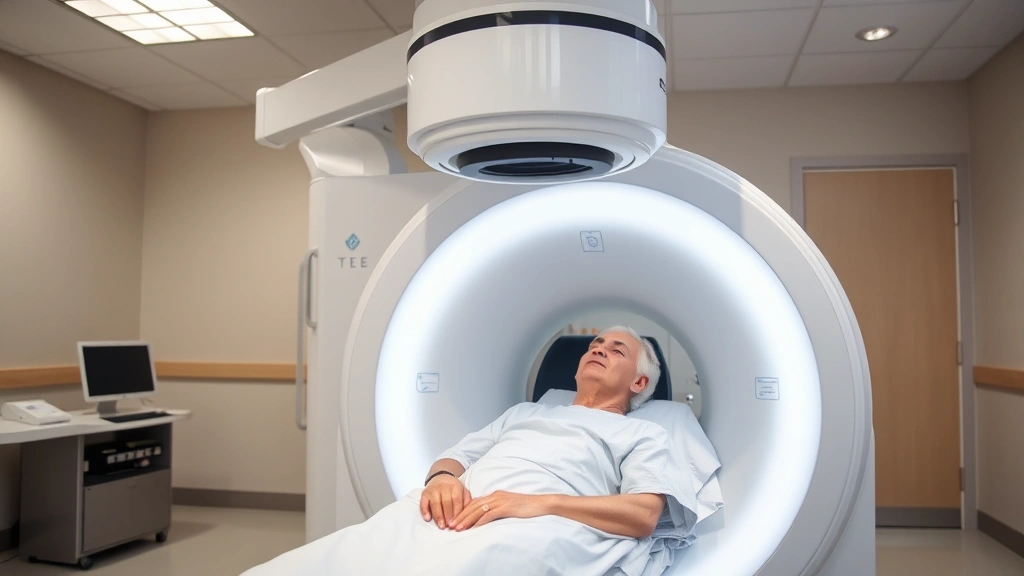
Radiation therapy uses high-energy beams to target and destroy cancer cells in specific areas of the body. This treatment is highly localized, meaning it focuses on the tumor site and surrounding tissue rather than affecting the entire body. According to cancer treatment resources, radiation therapy has been refined over decades to maximize effectiveness while minimizing damage to healthy tissue.
There are several types of radiation therapy, including external beam radiation, brachytherapy, and intensity-modulated radiation therapy (IMRT). Each approach targets cancer differently, but all use ionizing radiation to damage cancer cell DNA. The treatment is typically administered in multiple sessions over several weeks, with each session lasting only 15-30 minutes. This relatively short duration per session can be psychologically reassuring for some patients, as it allows them to maintain daily routines between appointments.
The localized nature of radiation therapy means that side effects generally occur only in the treated area. Patients receiving therapy and wellness resources support often appreciate that radiation doesn’t circulate throughout their entire system like chemotherapy does. This targeted approach can reduce the severity of systemic symptoms that affect overall well-being.

Understanding Chemotherapy
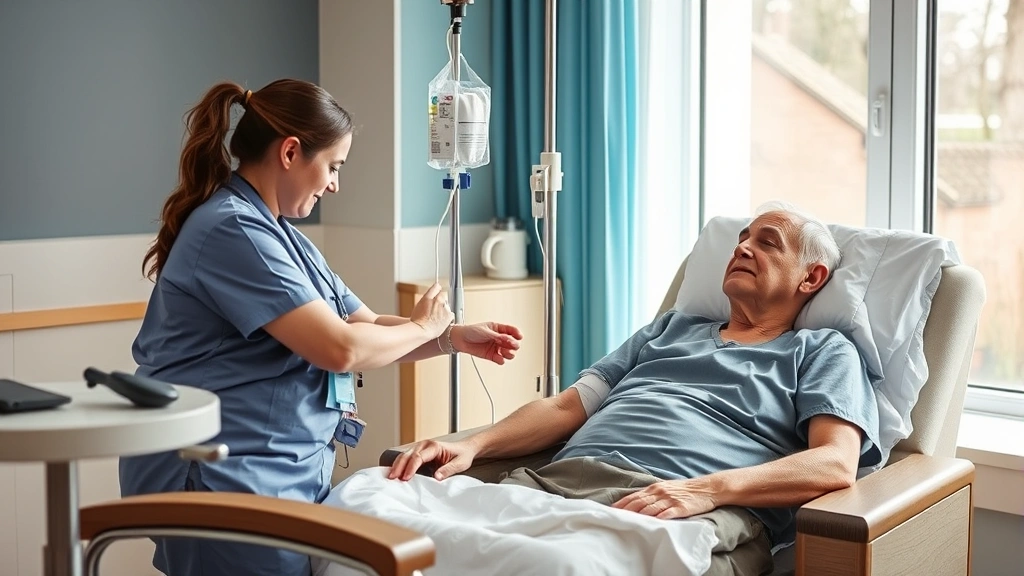
Chemotherapy involves administering powerful drugs designed to kill rapidly dividing cells, including cancer cells. However, these drugs also affect healthy cells that divide quickly, such as those in the bone marrow, digestive tract, and hair follicles. This systemic approach means chemotherapy affects the entire body rather than a specific location, which can result in more widespread side effects.
Chemotherapy regimens vary widely depending on cancer type, stage, and patient health status. Some patients receive treatment weekly, while others follow schedules with longer intervals between doses. Infusion sessions can last from 30 minutes to several hours, and the drugs remain in the body for days or weeks after administration. This prolonged exposure contributes to the cumulative nature of chemotherapy side effects, where symptoms may worsen over the course of treatment.
The systemic nature of chemotherapy means patients experience effects throughout their entire body. This comprehensive approach can be effective against metastatic cancer but often comes with more noticeable and widespread physical symptoms that impact daily functioning and quality of life.
Physical Side Effects Comparison
Radiation Therapy Side Effects:
- Localized skin irritation and redness at treatment site
- Fatigue (generally mild to moderate)
- Nausea and appetite changes (if abdominal area is treated)
- Hair loss only in treated area
- Difficulty swallowing (if head/neck area treated)
- Long-term risk of secondary cancers in treatment field
- Potential organ damage depending on location
Chemotherapy Side Effects:
- Severe nausea and vomiting
- Significant hair loss across entire body
- Mouth sores and difficulty eating
- Bone marrow suppression leading to infection risk
- Anemia and weakness
- Peripheral neuropathy (nerve damage in extremities)
- Cognitive changes (“chemo brain” or “chemo fog”)
- Increased infection susceptibility
The physical side effects of radiation therapy tend to be more localized and predictable. Patients often experience fatigue, but this is typically manageable with rest and mental health support strategies. Chemotherapy, however, produces more systemic and often more severe side effects that can dramatically impact daily activities, work capacity, and self-image.
Hair loss represents a significant psychological stressor for many cancer patients. With radiation, hair loss occurs only in the treated area, allowing patients to maintain their appearance in other areas. Chemotherapy typically causes total hair loss, which can be emotionally devastating and affect self-esteem and social interactions. This visible marker of illness can intensify psychological distress and social isolation.
Emotional and Psychological Impact
Cancer treatment inherently carries psychological stress, but the type and intensity vary between radiation and chemotherapy. Research published in medical literature databases indicates that chemotherapy patients report higher rates of anxiety and depression compared to radiation patients.
Radiation therapy’s shorter appointment times and localized effects allow patients to maintain more normalcy in their daily lives. Many patients continue working and engaging in social activities during radiation treatment, which can protect mental health by maintaining sense of purpose and social connection. The predictability of radiation schedules—typically five days per week for four to eight weeks—provides structure and allows patients to plan their lives accordingly.
Chemotherapy’s systemic effects and unpredictable side effects create greater emotional burden. Severe nausea, hair loss, and infection risks force many patients to significantly reduce work hours or stop working entirely. This loss of productivity and independence can trigger depression, anxiety, and feelings of loss of control. Additionally, the cumulative nature of chemotherapy means side effects may worsen over time, creating anticipatory anxiety about each upcoming treatment session.
The cognitive effects of chemotherapy, commonly called “chemo brain” or “chemo fog,” add another psychological layer. Patients experience difficulty concentrating, memory problems, and mental cloudiness that can persist for months or years after treatment. This cognitive impact affects self-confidence and independence, contributing to long-term psychological stress.
Daily Life and Treatment Schedule
One of the most significant stress factors is how treatment affects daily functioning. Radiation therapy typically requires 15-30 minute appointments five days per week, with minimal recovery time needed. Most patients can schedule appointments around work and family commitments, maintaining their regular routines. Some patients experience fatigue that increases throughout the treatment course, but many continue working, exercising, and socializing during radiation.
Chemotherapy presents greater disruption to daily life. Infusion appointments can last several hours, and the subsequent days often involve severe side effects that require rest and recovery. Many patients cannot work during chemotherapy cycles, affecting financial stability and self-identity. The need for frequent blood tests, imaging studies, and medical appointments adds additional stress and time burden.
Recovery time differs significantly between treatments. After radiation sessions, most patients feel relatively normal and can resume activities immediately. After chemotherapy infusions, patients often experience several days of significant side effects before gradually recovering. This cyclical pattern of illness and recovery creates ongoing stress and uncertainty about when normal functioning will return.
The psychological impact of maintaining normalcy during treatment cannot be overstated. Patients receiving occupational therapy support often benefit from maintaining work and social roles, which provides purpose and identity beyond their cancer diagnosis. Radiation’s minimal disruption to daily life facilitates this continuity, while chemotherapy’s demands often force patients to relinquish these roles temporarily.
Long-Term Stress Considerations
While acute side effects are important, long-term stress and complications also merit consideration. Radiation therapy carries risks of late effects that may develop months or years after treatment completion. These can include secondary cancers in the radiation field, organ damage, and tissue scarring. However, these risks are generally lower than with chemotherapy.
Chemotherapy’s long-term effects include increased risk of secondary cancers, cardiac damage, hearing loss, and fertility issues. Additionally, survivors often experience post-traumatic stress from the intensity of chemotherapy treatment. The psychological impact of severe side effects can create lasting anxiety about health and vulnerability.
Radiation therapy generally produces less psychological aftermath because the acute treatment phase is typically less traumatic. Patients experience fewer severe side effects and maintain more normalcy during treatment, reducing the intensity of the cancer experience. This may translate to lower rates of post-treatment anxiety and depression compared to chemotherapy survivors.
Survivorship stress differs between treatment types. Radiation survivors typically worry about secondary cancer development in the treated area. Chemotherapy survivors often struggle with lingering fatigue, cognitive changes, and the psychological trauma of severe side effects. Both groups benefit from professional mental health support and survivor support programs.
Coping Strategies and Support
Regardless of treatment choice, psychological support is crucial for managing stress. Patients benefit from counseling, support groups, and mind-body interventions. According to psychological research organizations, cognitive-behavioral therapy and mindfulness-based interventions significantly reduce cancer-related anxiety and depression.
For radiation patients, maintaining work and social engagement provides natural stress management. Setting realistic goals for maintaining activities during treatment helps preserve identity and purpose. Many radiation patients benefit from exercise programs, meditation, and social connection to manage the psychological aspects of treatment.
Chemotherapy patients require more intensive support strategies. Working with oncology social workers, psychologists, and support groups helps patients process the intensity of their experience. Practical support for managing side effects—anti-nausea medications, dietary adjustments, wig selection—reduces psychological burden. Maintaining connection with loved ones becomes especially important when physical symptoms limit independence.
Both radiation and chemotherapy patients benefit from complementary wellness approaches that support overall health. Nutrition counseling, gentle exercise, stress reduction techniques, and spiritual practices provide tools for managing the psychological dimensions of cancer treatment. Many cancer centers now offer integrative oncology programs that combine conventional treatment with supportive therapies.
Patient education reduces stress by increasing sense of control and predictability. Understanding what to expect from treatment, potential side effects, and coping strategies empowers patients to prepare mentally and physically. Honest communication with healthcare providers about concerns and preferences ensures treatment plans align with patient values and stress tolerance.
FAQ
Is radiation therapy or chemotherapy more stressful?
Radiation therapy generally produces less acute stress due to shorter appointment times, localized side effects, and ability to maintain daily routines. Chemotherapy typically causes more stress because of systemic side effects, work disruption, and greater physical toll. However, individual responses vary based on cancer type, personal coping skills, and support systems.
Can patients work during radiation therapy?
Many radiation patients continue working during treatment. Appointments are brief (15-30 minutes) and typically scheduled around work hours. Fatigue may increase over the treatment course, but most patients maintain work capacity. Some patients reduce hours or take time off if fatigue becomes severe.
Can patients work during chemotherapy?
Most chemotherapy patients cannot work during active treatment due to severe side effects and frequent appointments. Many take medical leave during chemotherapy cycles. Some patients with less intensive regimens may work part-time, but full-time work is rarely possible during active chemotherapy.
Do radiation and chemotherapy have different long-term psychological effects?
Yes, chemotherapy survivors often report higher rates of post-traumatic stress, anxiety, and depression related to the severity of acute side effects. Radiation survivors typically experience less psychological aftermath, though they may worry about secondary cancer development. Both groups benefit from mental health support during survivorship.
Which treatment has fewer side effects overall?
Radiation therapy typically has fewer and less severe side effects, which are localized to the treatment area. Chemotherapy produces more systemic side effects affecting the entire body. However, treatment choice depends on cancer type and stage, not just side effect profile.
How important is mental health support during cancer treatment?
Mental health support is crucial for both radiation and chemotherapy patients. Counseling, support groups, and mind-body interventions significantly reduce anxiety and depression. Patients who receive psychological support report better quality of life during treatment and lower rates of post-traumatic stress afterward.