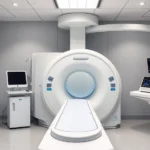
Radiation Therapy & Mental Health: Expert Insights
Cancer diagnosis and treatment represent some of life’s most challenging experiences, profoundly affecting both physical and psychological wellbeing. Radiation therapy, while essential for treating numerous malignancies, carries significant emotional and mental health implications that extend far beyond the treatment room. Understanding the psychological dimensions of a radiation therapy program has become increasingly critical as oncologists and mental health professionals recognize that comprehensive cancer care must address the whole patient—body and mind.
The intersection of radiation therapy and mental health represents a crucial frontier in modern oncology. Patients undergoing radiation treatment frequently experience anxiety, depression, fear, and existential concerns that can complicate their medical outcomes and quality of life. This comprehensive exploration examines the psychological impacts of radiation therapy, evidence-based interventions, and expert recommendations for supporting mental health throughout the treatment journey.

Understanding Radiation Therapy and Psychological Impact
Radiation therapy employs high-energy particles or waves to destroy cancer cells, making it one of the most effective cancer treatments available. However, the psychological experience of undergoing radiation extends well beyond the clinical procedure. Patients must navigate multiple daily appointments, equipment-related anxiety, body image concerns, and the persistent awareness of their cancer diagnosis. Research from the National Cancer Institute indicates that approximately 30-40% of cancer patients develop clinically significant psychological distress during radiation treatment.
The mental health impact of a radiation therapy program varies significantly among individuals based on cancer type, prognosis, prior mental health history, and available support systems. Some patients experience minimal psychological distress, while others struggle with profound anxiety, depression, and post-traumatic stress responses. Understanding these individual differences is essential for developing personalized mental health interventions. The predictability and routine nature of daily radiation appointments can provide comfort for some patients while triggering anxiety in others, particularly those with claustrophobic tendencies or post-traumatic stress.
Mental health professionals specializing in oncology increasingly recognize that psychological preparation before radiation begins significantly influences treatment outcomes. Patients who understand what to expect, feel heard by their medical team, and have access to coping resources demonstrate better treatment adherence, fewer complications, and improved overall quality of life. This proactive approach to mental health integration within a radiation therapy program represents a paradigm shift toward truly holistic cancer care.

Common Mental Health Challenges During Treatment
Cancer patients undergoing radiation therapy face a distinctive constellation of psychological challenges that distinguish this experience from other medical treatments. The most prevalent mental health concerns include:
- Existential anxiety: Confronting mortality and life’s fundamental meaning
- Treatment-related anxiety: Fear of equipment, pain, or side effects
- Loss of control: Dependency on medical professionals and treatment schedules
- Body image disturbance: Changes from radiation marks, scars, or functional impairment
- Social isolation: Withdrawal from relationships and activities
- Depression: Persistent sadness, hopelessness, and anhedonia
- Fatigue-related mood changes: Exhaustion affecting emotional regulation
Depression represents one of the most significant mental health complications during radiation therapy. Studies published in the Journal of Clinical Oncology demonstrate that cancer-related depression affects treatment tolerance, immune function, and long-term survival outcomes. The bidirectional relationship between depression and cancer progression emphasizes why mental health support constitutes essential medical care rather than optional support.
Anxiety manifests differently across the radiation therapy program timeline. Initial anxiety often peaks at diagnosis and treatment planning, decreases somewhat during the routine phase of treatment, and may resurge as patients approach completion or anticipate follow-up scans. This fluctuating pattern requires flexible mental health interventions that adapt to patients’ evolving psychological needs throughout their treatment journey.
The Role of Anxiety and Fear Management
Fear of radiation represents a legitimate psychological response grounded in both factual understanding and cultural narratives about radiation exposure. Radiation therapy programs must address these fears through education, exposure-based interventions, and evidence-based anxiety management techniques. Patients often harbor misconceptions about radiation safety, contamination risks, or pain, and these beliefs significantly amplify psychological distress.
Cognitive-behavioral therapy (CBT) has emerged as the gold standard for managing cancer-related anxiety. Research from the American Cancer Society demonstrates that CBT interventions reduce anxiety symptoms by 40-50% in cancer patients. These structured therapeutic approaches help patients identify anxiety-maintaining thoughts, challenge catastrophic thinking patterns, and develop practical coping skills applicable within the radiation therapy setting.
Exposure-based interventions, where patients gradually familiarize themselves with the radiation environment before treatment begins, significantly reduce anxiety responses. Virtual reality simulations of radiation rooms, guided tours of treatment facilities, and practice sessions in the radiation chamber allow patients to develop familiarity that reduces the novelty-induced fear response. This approach aligns with evidence-based anxiety treatment principles and represents an innovative application of technology within radiation therapy programs.
Mindfulness-based stress reduction (MBSR) and acceptance and commitment therapy (ACT) offer complementary approaches to anxiety management. These interventions help patients develop psychological flexibility, accepting cancer-related thoughts and emotions without allowing them to dictate behavior or treatment adherence. Research demonstrates that mindfulness practices reduce cortisol levels, improve sleep quality, and enhance emotional regulation in cancer patients—benefits that extend beyond psychological wellbeing to support physical recovery.
Integrating Mental Health Support into Treatment Plans
Comprehensive radiation therapy programs increasingly incorporate mental health screening and support as standard care components. The National Comprehensive Cancer Network (NCCN) recommends routine psychological assessment for all cancer patients, with formal screening for depression, anxiety, and distress using validated instruments. This systematic approach ensures that mental health needs receive appropriate clinical attention rather than remaining unaddressed due to patient reluctance or healthcare provider oversight.
Integration of mental health professionals within radiation oncology teams creates seamless care coordination. When psychologists, social workers, and psychiatrists collaborate directly with radiation oncologists and nursing staff, patients experience better communication, more coordinated interventions, and reduced fragmentation of care. Patients appreciate accessing mental health support at their radiation appointments rather than navigating separate healthcare systems, improving treatment engagement and adherence.
The radiation therapy program that incorporates mental health support should include multiple intervention tiers. Universal interventions address all patients’ needs through psychoeducation, stress management training, and supportive resources. Targeted interventions address specific risk groups, such as patients with prior depression or limited social support. Intensive interventions provide specialized treatment for patients developing significant psychological distress, including medication management and individual psychotherapy. This tiered approach ensures resource efficiency while providing appropriate care intensity.
Psychopharmacological interventions complement psychotherapy within comprehensive radiation therapy programs. Selective serotonin reuptake inhibitors (SSRIs) effectively treat cancer-related depression and anxiety, with evidence supporting their safety and efficacy in this population. Careful medication selection considers potential drug interactions with cancer treatments and individual patient factors. Psychiatrists specializing in oncology possess expertise in navigating these complex clinical decisions.
Coping Strategies and Psychological Resilience
Psychological resilience—the capacity to adapt effectively despite significant adversity—represents a modifiable factor that radiation therapy programs can actively cultivate. Research by the National Center for Biotechnology Information demonstrates that resilience training during cancer treatment predicts better psychological and physical outcomes years after treatment completion.
Effective coping strategies vary across individuals, and radiation therapy programs should help patients identify personally meaningful approaches. Problem-focused coping—directly addressing treatment logistics, side effects, or practical concerns—works effectively for controllable stressors. Emotion-focused coping—managing emotional responses through acceptance, meaning-making, or social support—addresses less controllable aspects of the cancer experience. Flexible coping, where patients shift between problem-focused and emotion-focused approaches depending on circumstances, predicts optimal adjustment.
Social support represents one of the most powerful protective factors during radiation therapy. Patients with strong relationships, supportive family systems, and access to peer support demonstrate significantly better mental health outcomes. Cancer support groups, whether in-person or online, provide crucial opportunities for connection with others sharing similar experiences. Peer support uniquely validates patients’ experiences in ways that healthcare providers, despite their expertise, cannot replicate.
Spiritual and existential exploration often becomes important during cancer treatment. For some patients, religious faith provides meaning and comfort; others develop new philosophical perspectives on life’s priorities and values. Radiation therapy programs incorporating chaplains or spiritual care specialists address these dimensions of human experience. Research demonstrates that patients who successfully engage in meaning-making around their cancer diagnosis experience better psychological adjustment and lower depression rates.
Post-Treatment Mental Health Considerations
The completion of radiation therapy marks a significant transition that paradoxically triggers new mental health challenges. While patients anticipate relief upon treatment completion, many experience increased anxiety as the structure and frequent medical contact provided during treatment disappears. This transition period requires continued mental health support and represents a vulnerable time for depression and anxiety emergence.
Cancer survivorship introduces unique psychological concerns distinct from active treatment. Many survivors develop cancer-related post-traumatic stress, characterized by intrusive thoughts about cancer, hypervigilance regarding physical symptoms, and anxiety surrounding follow-up appointments. Approximately 5-10% of cancer survivors develop clinical post-traumatic stress disorder (PTSD). Recognizing this possibility allows radiation therapy programs to provide preventive interventions and early treatment when symptoms emerge.
Long-term survivorship also involves psychological adjustment to permanent changes—whether physical scars, functional limitations, or altered self-identity. Patients may struggle with questions about life direction, career decisions, or relationship changes. While these concerns differ from acute treatment-related distress, they represent legitimate mental health issues deserving professional attention. Survivorship-focused psychotherapy helps patients integrate their cancer experience, reconstruct identity, and establish meaningful life direction post-treatment.
The fear of recurrence represents perhaps the most pervasive post-treatment mental health concern. Even patients whose scans show no evidence of disease experience persistent worry about cancer return, particularly around medical appointments or when noticing new physical symptoms. This fear, while understandable, can become pathological when it significantly impairs functioning or quality of life. Cognitive-behavioral approaches effectively address recurrence anxiety by helping patients distinguish realistic from catastrophic thinking.
Professional Support and Therapeutic Approaches
Specialized mental health professionals bring distinct expertise to radiation therapy program support. Oncology psychologists receive advanced training in cancer-specific psychological issues, evidence-based interventions, and the interaction between psychological factors and medical outcomes. Clinical social workers provide practical support with treatment navigation, resource connection, and psychosocial advocacy. Psychiatrists specializing in oncology manage complex medication decisions and treat severe psychiatric conditions.
Therapeutic approaches specifically adapted for cancer patients demonstrate superior outcomes compared to generic mental health interventions. Cancer-specific cognitive-behavioral therapy incorporates cancer-related thought patterns, body image concerns, and existential themes alongside standard CBT techniques. Supportive expressive therapy emphasizes emotional processing and meaning-making within a group format. These specialized approaches address the unique intersection of cancer experience and psychological wellbeing.
Patients may also benefit from other therapeutic modalities. Art therapy allows expression of cancer experiences through creative channels, particularly valuable for patients struggling to verbalize their experiences. Music therapy provides emotional regulation and stress reduction through engagement with music. Yoga and tai chi combine physical activity with mindfulness, addressing both psychological and physical aspects of cancer recovery. While these complementary approaches should not replace evidence-based treatments, they offer valuable adjunctive support.
The radiation therapy program recognizing that mental health support extends beyond formal psychotherapy creates comprehensive care. Psychoeducational resources, support group facilitation, peer mentoring programs, and wellness activities all contribute to psychological wellbeing. Nurse navigators trained in psychological support principles provide crucial advocacy and connection. This multifaceted approach acknowledges that psychological wellbeing emerges from numerous interconnected sources rather than therapy alone.
FAQ
How common is depression during radiation therapy?
Depression affects approximately 20-30% of cancer patients during active treatment, with rates varying based on cancer type, prognosis, and individual vulnerability factors. Early identification and intervention significantly improve outcomes, making routine psychological screening essential within radiation therapy programs.
Can anxiety during radiation therapy affect treatment effectiveness?
Yes, anxiety can impair treatment adherence, reduce immune function, and worsen physical side effects. Conversely, addressing anxiety improves treatment tolerance, reduces complications, and supports better long-term outcomes. Mental health represents integral medical care rather than optional support.
What should patients expect psychologically during radiation therapy?
Psychological experiences vary considerably, but common responses include initial anxiety, fluctuating emotional states, fatigue-related mood changes, and concerns about body image or mortality. Most patients benefit from preparation, education, and access to coping strategies before treatment begins.
Are medications necessary for mental health support during radiation?
Medications help some patients but not all. The decision to use psychiatric medications depends on symptom severity, individual factors, and treatment preferences. Many patients benefit from psychotherapy alone, while others require combined medication and psychotherapy for optimal results. A qualified mental health professional can help determine appropriate treatment approaches.
How long does mental health support continue after radiation therapy?
Mental health support should extend well beyond treatment completion. The post-treatment period introduces new psychological challenges requiring ongoing professional attention. Survivorship-focused mental health support typically continues for years post-treatment, with intensity decreasing as patients adjust to survivorship.
Can family members access support during a patient’s radiation therapy?
Yes, comprehensive radiation therapy programs provide family support through education, counseling, and support groups. Family members often experience significant distress, and their psychological wellbeing directly impacts patient outcomes. Including family in mental health interventions strengthens overall support systems.
What role does peer support play in mental health during radiation?
Peer support provides unique validation and practical guidance that healthcare providers cannot replicate. Cancer support groups, whether in-person or online, significantly improve psychological outcomes. The connection with others sharing similar experiences reduces isolation and provides hope through observing others’ successful adaptation.
How should patients discuss mental health concerns with their radiation oncology team?
Open communication represents essential self-advocacy. Patients should directly inform their medical team about anxiety, depression, or other mental health concerns. Most radiation therapy programs actively inquire about psychological wellbeing and welcome patient disclosure, recognizing that mental health significantly impacts treatment success.