Is Quilting Therapy? Expert Insights on Benefits
When someone says “quilting is my therapy,” they’re expressing something profound about how creative activities can profoundly impact mental and emotional well-being. While quilting may not be a formal clinical treatment, mounting evidence suggests that this traditional craft offers genuine therapeutic benefits comparable to structured health and therapy resources. The rhythmic nature of stitching, the meditative focus required, and the tangible sense of accomplishment from completing a quilt create a unique combination of psychological and physiological benefits.
The question of whether quilting qualifies as therapy requires nuance. Therapy, in its clinical sense, involves trained professionals delivering evidence-based interventions for diagnosed conditions. However, quilting functions as what researchers call “art therapy” or more broadly, a form of therapeutic activity—a structured engagement that promotes healing and well-being. Understanding this distinction helps us appreciate both the legitimate therapeutic value of quilting and its appropriate role in a comprehensive approach to mental health.
The Psychology of Quilting as Therapeutic Activity
Quilting engages multiple psychological mechanisms that contribute to its therapeutic value. The activity requires sustained focus on precise, repetitive tasks—a state that psychologists recognize as flow, where individuals become fully absorbed in an activity. This flow state, first described by psychologist Mihaly Csikszentmihalyi, is associated with reduced anxiety, improved mood, and enhanced overall well-being.
The creative process inherent in quilting addresses several psychological needs simultaneously. Individuals experience autonomy in selecting patterns, colors, and designs; competence through mastering techniques and completing projects; and purpose through creating something meaningful. These three elements, according to Self-Determination Theory, are fundamental to psychological health and intrinsic motivation.
Beyond these psychological frameworks, quilting offers what neuroscientists call “bilateral stimulation”—engaging both sides of the brain through coordinated hand movements and pattern recognition. This engagement can help process emotions and reduce the intensity of traumatic memories, similar to mechanisms used in specialized therapeutic approaches. The combination of fine motor control, visual processing, and creative decision-making creates a comprehensive cognitive workout.
Stress Reduction and Mindfulness Benefits
One of the most documented benefits of quilting is its capacity to reduce stress and anxiety. The repetitive motions of cutting, piecing, and stitching activate the parasympathetic nervous system—the body’s natural relaxation response. Research published in the Art Therapy: Journal of the American Art Therapy Association demonstrates that fiber arts activities significantly reduce cortisol levels, the primary stress hormone.
Quilting naturally incorporates mindfulness principles without requiring formal training. When quilters focus on precise stitching, fabric selection, or pattern alignment, they anchor their attention in the present moment. This present-moment awareness is the essence of mindfulness meditation, which has been extensively validated through peer-reviewed research on stress reduction.
The sensory engagement of quilting amplifies these benefits. Quilters experience tactile pleasure from touching different fabrics, visual satisfaction from color combinations, and proprioceptive feedback from hand and arm movements. This multisensory engagement creates a more robust stress-reduction response than single-sensory activities. For individuals struggling with anxiety disorders or chronic stress, quilting offers an accessible, enjoyable alternative or complement to traditional treatments like professional mental health services.
The pacing of quilting projects also supports emotional regulation. Unlike high-intensity activities that can overstimulate, quilting allows individuals to work at their own rhythm, taking breaks as needed. This self-regulated pace helps build tolerance for difficult emotions and develops healthier coping mechanisms.
Cognitive and Motor Skill Development
Quilting engages cognitive functions across multiple domains, providing benefits particularly valuable for aging adults and individuals with certain neurological conditions. The planning phase—deciding on quilt design, calculating fabric requirements, and organizing colors—activates executive function skills including working memory, planning, and problem-solving.
The execution of quilting involves sustained attention and fine motor coordination. These motor skills benefit from regular practice through quilting, which can be particularly valuable for individuals seeking to maintain cognitive sharpness or recover motor function after injury. The precision required in quilting strengthens the neural pathways connecting visual perception, decision-making, and motor execution.
Research on craft activities and cognitive aging indicates that individuals who engage in complex crafts like quilting show slower cognitive decline than sedentary populations. A longitudinal study from Mayo Clinic found that cognitive leisure activities, including crafts, were associated with a 30-50% reduction in the risk of mild cognitive impairment in older adults. The combination of learning new techniques, adapting to problems, and creating novel designs keeps the brain actively engaged.
For individuals with conditions affecting motor control, quilting can serve as a form of occupational therapy. The fine motor practice, hand-eye coordination development, and progressive challenge of increasingly complex projects align with principles of occupational therapy practice. Occupational therapists increasingly recommend fiber arts as part of comprehensive treatment plans.
Social Connection and Community Healing
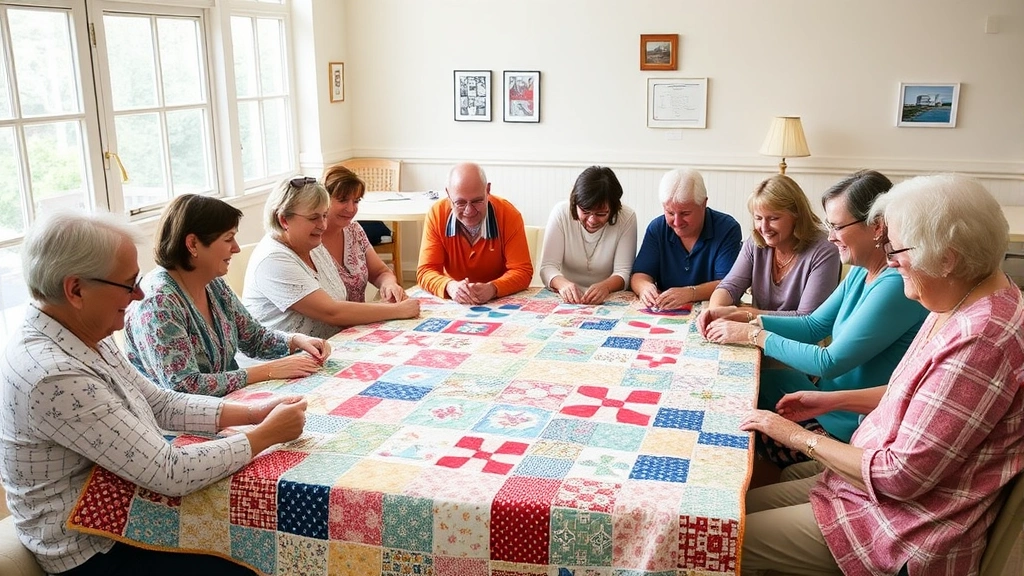
While quilting can be a solitary meditative practice, it frequently occurs within social contexts that multiply its therapeutic benefits. Quilting circles, guilds, and community projects create spaces for meaningful social connection—a factor increasingly recognized as crucial for mental health and longevity.
The social dimension of quilting addresses isolation, a significant risk factor for depression and anxiety. Group quilting activities provide structured social interaction without the pressure of forced socializing. Participants naturally bond through shared creative goals, offering and receiving feedback, and celebrating completed projects together. This type of authentic social connection has been shown to be as protective for health as exercise and diet.
Quilting projects often serve community healing functions. Memory quilts created from clothing of deceased loved ones help individuals process grief. Quilts made collectively for disaster victims provide comfort while strengthening community bonds. These projects transform personal grief or concern into meaningful action, addressing what existential psychologists call the need for significance and contribution.
For individuals experiencing social anxiety or difficulty with traditional social situations, quilting groups offer a gentler entry point to community. The shared focus on the creative task reduces pressure for constant conversation while still facilitating genuine connection. Many quilters report that their most meaningful friendships developed through quilting communities.
Scientific Evidence Supporting Quilting Therapy
The scientific investigation of quilting’s therapeutic effects is still developing, but existing research strongly supports its benefits. A study published in the Journal of Public Health Research examining fiber arts and mental health found significant improvements in depression and anxiety symptoms among participants who engaged in regular quilting or similar activities.
Research from the American Psychological Association demonstrates that creative activities generally reduce stress, improve mood, and enhance cognitive function. Quilting, combining creativity with precision and mindfulness, activates multiple protective mechanisms simultaneously.
Neuroimaging studies on fiber arts show increased activation in the prefrontal cortex (associated with planning and decision-making) and decreased activation in the amygdala (associated with fear and anxiety) during craft activities. These neural changes correlate with the subjective experiences quilters report: reduced anxiety, improved mood, and enhanced sense of control.
A particularly relevant study from Frontiers in Psychology examined the neurobiological benefits of textile arts, finding that repetitive hand movements associated with quilting and similar crafts trigger the release of endorphins and activate the body’s relaxation response. The study noted that these effects occur even in individuals with no prior craft experience.
Longitudinal research tracking quilters over extended periods demonstrates sustained mental health benefits, suggesting that quilting’s therapeutic effects are not merely novelty-based but represent genuine psychological protection. Regular quilters show lower rates of depression, better stress management skills, and higher life satisfaction than matched controls.
Quilting vs. Professional Mental Health Treatment
While quilting offers genuine therapeutic benefits, it’s essential to understand its appropriate role relative to professional mental health treatment. For individuals with diagnosed mental health conditions such as clinical depression, anxiety disorders, PTSD, or other conditions requiring clinical intervention, quilting should complement rather than replace professional care.
The distinction matters: quilting is a beneficial wellness activity and therapeutic tool, but it is not a clinical treatment. Someone struggling with severe depression should work with a mental health professional—whether a therapist, counselor, or psychiatrist—whose expertise and training enable them to diagnose and treat complex conditions. Quilting can be a valuable adjunct to professional treatment, supporting overall well-being and coping strategies.
However, for individuals seeking to maintain mental health, manage everyday stress, and enhance overall well-being, quilting offers a legitimate and evidence-supported approach. It addresses many of the same mechanisms targeted by therapy—stress reduction, mindfulness, social connection, sense of purpose, and cognitive engagement—in an accessible, enjoyable format. This makes quilting particularly valuable for the large population that experiences stress and mild mood difficulties but may not meet criteria for clinical disorders.
The accessibility of quilting compared to professional mental health services deserves mention. Many individuals face barriers to accessing therapy—cost, availability, stigma, or practical obstacles. For these individuals, engaging in therapeutic activities like quilting provides valuable support. Additionally, quilting offers preventive benefits, potentially reducing the likelihood that minor stress or mood difficulties develop into clinical disorders.
Individuals might benefit from exploring both quilting and professional support through services like local therapy options or consulting resources on evidence-based therapeutic approaches. An integrated approach—combining professional support with self-directed therapeutic activities—often produces the best outcomes.
Getting Started with Therapeutic Quilting
If you’re interested in exploring quilting’s therapeutic potential, several evidence-based principles can maximize benefits. Consistency matters—regular quilting practice produces better results than sporadic engagement. Aim for regular sessions, whether daily 30-minute sessions or longer weekly commitments, depending on your schedule and preferences.
Begin with accessible projects that provide early success experiences. Complicated patterns requiring extensive planning can create frustration rather than therapeutic benefit. Simple quilts with larger pieces, fewer seams, and straightforward patterns allow you to experience the meditative, stress-reducing aspects of quilting while building skills and confidence.
Consider whether you prefer solitary or group quilting. Both offer benefits; solitary quilting emphasizes the meditative aspects, while group participation adds social connection and community benefits. Many quilters find that varying between both formats provides optimal therapeutic value.
Invest in quality materials and tools appropriate to your skill level. Proper tools reduce frustration and physical strain, enhancing the therapeutic experience. Dull scissors, uncomfortable seating, or poor-quality fabric can transform quilting from meditative to frustrating. Creating a dedicated, comfortable quilting space further supports the therapeutic process by establishing a ritual and reducing barriers to engagement.
Pay attention to the sensory aspects of quilting. Notice the textures of different fabrics, the colors that appeal to you, the sounds of cutting and stitching. This sensory awareness amplifies the mindfulness benefits. Some quilters enhance this by playing music, adjusting lighting, or incorporating other sensory elements that create an optimal therapeutic environment.
If you’re managing a diagnosed mental health condition, discuss quilting with your mental health provider. They can help integrate it into your overall treatment plan and recognize when quilting is supporting your progress versus potentially avoiding necessary professional intervention.
FAQ
Is quilting considered art therapy?
Quilting shares many characteristics with formal art therapy, including stress reduction, emotional expression, and mindfulness. However, art therapy specifically involves trained therapists using art therapeutically within a clinical framework. Quilting functions as a therapeutic activity with similar benefits, even when practiced independently. Many art therapists incorporate textile arts into clinical practice, bridging the two approaches.
How often should I quilt to experience therapeutic benefits?
Research suggests that regular engagement produces better results than sporadic practice. Most studies showing mental health benefits involve participants engaging in craft activities at least 2-3 times weekly for 30-60 minutes. However, even occasional quilting provides benefits. Consistency matters more than duration—regular shorter sessions often produce better results than infrequent long sessions.
Can quilting help with anxiety disorders?
Quilting can be a valuable tool for managing anxiety symptoms and supporting anxiety treatment. The stress-reduction mechanisms, mindfulness elements, and sense of control quilting provides can reduce anxiety symptoms. However, clinical anxiety disorders require professional assessment and treatment. Quilting works best as a complement to professional care rather than a replacement.
What if I’ve never quilted before?
Beginners experience therapeutic benefits from quilting even while learning. The learning process itself engages the brain beneficially, and early projects provide accomplishment and satisfaction. Consider starting with beginner-friendly classes or simple quilt patterns designed for new quilters. The therapeutic benefits emerge quickly, even as skills develop.
Is quilting better than other crafts for mental health?
Quilting offers particular benefits due to its combination of precision, creativity, and often social elements. However, other fiber arts, woodworking, painting, and similar crafts provide comparable therapeutic benefits. The best craft is one you genuinely enjoy and will engage with consistently. Individual preferences matter more than choosing the “best” therapeutic craft.
Can quilting help with grief?
Yes, quilting addresses grief through multiple mechanisms. Memory quilts created from clothing of deceased loved ones provide a meaningful way to process loss. The meditative aspects of quilting support emotional processing. The social support often found in quilting communities offers crucial grief support. Many grief counselors recommend quilting as part of comprehensive grief care.