Postpartum Physical Therapy: Expert Insights
The postpartum period represents a critical window for physical recovery that many new mothers overlook. After nine months of pregnancy and the physical demands of childbirth, the body requires systematic rehabilitation to restore strength, stability, and function. Postpartum physical therapy addresses the profound musculoskeletal and physiological changes that occur during pregnancy and delivery, helping women return to their pre-pregnancy activity levels and prevent long-term complications.
Whether you experienced a vaginal delivery or cesarean section, postpartum physical therapy offers evidence-based interventions designed by experts who understand the unique demands placed on a woman’s body during this transformative period. This comprehensive guide explores the expert insights, techniques, and benefits that can transform your postpartum recovery journey.
Understanding Postpartum Physical Changes
Pregnancy induces dramatic physiological transformations that extend far beyond the obvious abdominal expansion. The hormone relaxin, which peaks during pregnancy and remains elevated for months postpartum, increases ligament laxity and joint mobility. This hormonal environment, while necessary for childbirth, leaves the musculoskeletal system vulnerable to injury if not properly rehabilitated.
The rectus abdominis muscles separate during pregnancy—a condition called diastasis recti—to accommodate the growing uterus. This separation affects core stability, posture, and spinal support. Additionally, the pelvic floor muscles undergo significant stretching and potential trauma during vaginal delivery, while cesarean delivery creates surgical trauma that impacts abdominal wall integrity and core function.
The sacroiliac joints, which bear increased load during pregnancy, often remain unstable postpartum. The thoracic spine frequently develops forward posture from breast engorgement and nursing positions. Understanding these anatomical changes forms the foundation for effective physical therapy interventions that address root causes rather than symptoms.
Timeline for Starting Physical Therapy
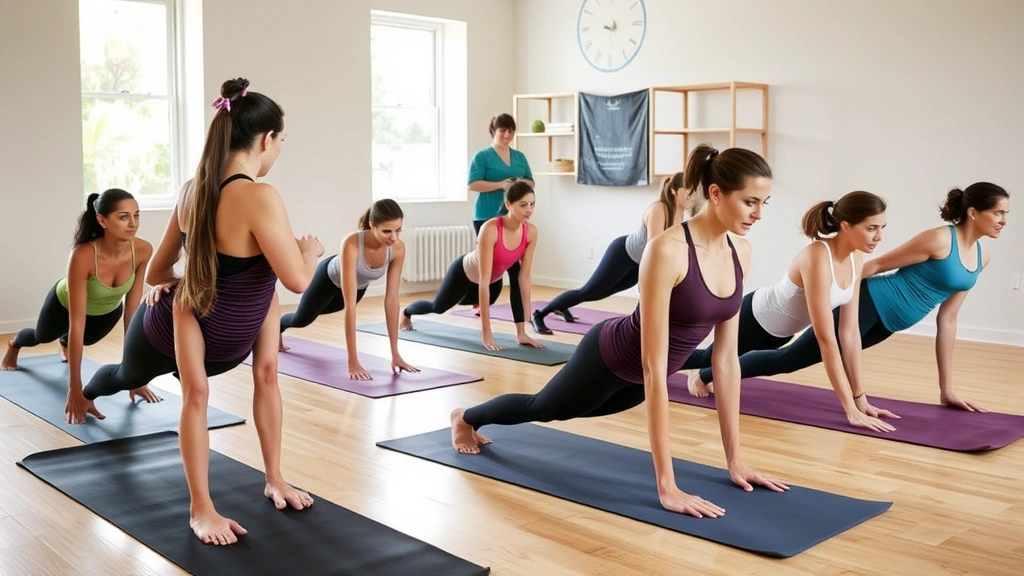
Expert consensus emphasizes that postpartum physical therapy timing depends on delivery method and individual healing. Most women can begin gentle pelvic floor awareness and basic mobility work within the first two weeks postpartum, provided there are no complications. However, structured rehabilitation typically begins around 6-8 weeks post-delivery for vaginal births and 8-12 weeks for cesarean deliveries, once initial wound healing is complete.
Early postpartum focuses on gentle breathing exercises, pelvic floor awareness, and basic mobility to promote circulation and prevent blood clots. This phase establishes the foundation for progressive strengthening. Around 12 weeks postpartum, women can typically advance to more challenging exercises targeting core stability and functional movements.
A physical therapist specializing in postpartum care can assess individual healing and customize progression timelines. Red flags requiring delayed initiation include excessive bleeding, signs of infection, or incomplete wound healing.
Core Exercises and Pelvic Floor Recovery
The pelvic floor muscles support the bladder, bowel, and reproductive organs while contributing to core stability and sexual function. These muscles experience significant trauma during vaginal delivery and require specific rehabilitation. Contrary to outdated advice, pelvic floor exercises should begin early in the postpartum period, though with appropriate progression.
Initial pelvic floor work involves awareness and gentle activation. Women learn to identify these muscles, often described as the sensation of stopping urinary flow mid-stream. Gentle pelvic floor contractions, held for 3-5 seconds and repeated 5-10 times, begin in the first weeks postpartum. As healing progresses, duration and intensity increase gradually.
Core rehabilitation extends beyond the pelvic floor to include the transverse abdominis, multifidus, and diaphragm—muscles that work synergistically for stability. Breathing exercises activate the diaphragm while coordinating with pelvic floor function. Experts recommend exercises like:
- Supine marching: Gentle alternating leg lifts that engage core muscles without excessive strain
- Glute bridges: Progressive strengthening of hip extensors and core stabilizers
- Quadruped exercises: Hands-and-knees positions that challenge stability with controlled limb movements
- Modified planks: Isometric core strengthening adapted for postpartum physiology
Progressive loading and complexity increase as tissues heal. Women should never experience pain, leakage, or heaviness during exercises—these signs indicate progression is too aggressive.
Diastasis Recti Management
Diastasis recti—separation of the rectus abdominis muscles along the linea alba—affects approximately 60% of postpartum women. While the separation itself naturally decreases over time, the quality of healing and functional recovery depend on appropriate rehabilitation. Current research emphasizes that diastasis recti is not merely a cosmetic concern but a functional issue affecting core stability and movement patterns.
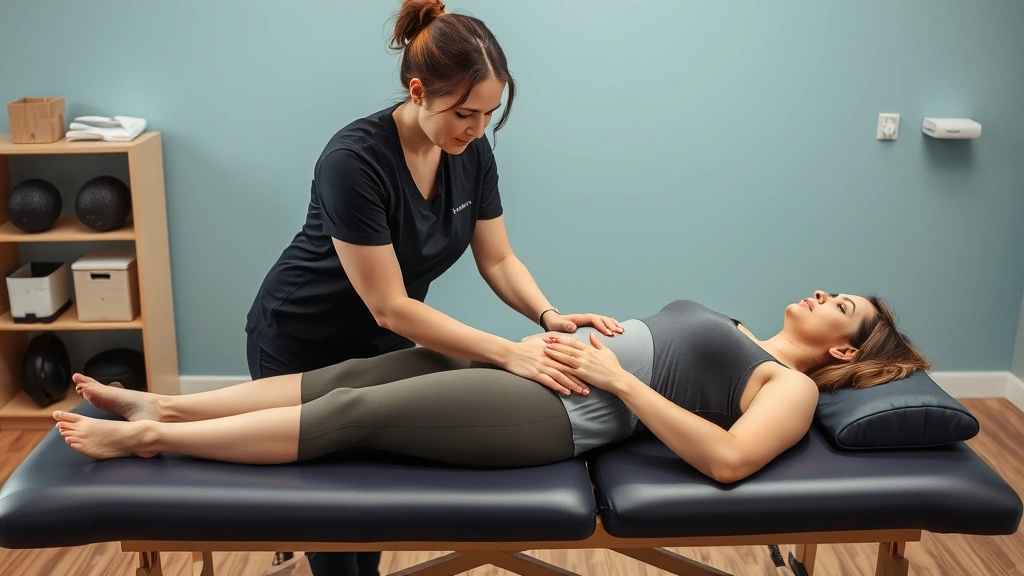
Assessment begins with palpation to measure the gap width and evaluate fascial tension. Experts evaluate how muscles function through the separation rather than focusing solely on closure distance. A 1-2 finger width separation with good tension and function may be more optimal than a closed gap with poor muscular control.
Rehabilitation avoids traditional sit-ups and crunches, which increase intra-abdominal pressure and can worsen the separation. Instead, exercises emphasize proper breathing mechanics, transverse abdominis activation, and integrated core function. Physical therapy approaches teach women to recruit deep core muscles before superficial ones, creating functional stability regardless of separation distance.
Progressive loading—adding weight and complexity—occurs gradually. Women learn to recognize movement patterns that increase separation and modify accordingly. Most women see significant functional improvement within 3-6 months with consistent, appropriate exercise.
Return to Exercise Safely
Returning to pre-pregnancy exercise levels requires a systematic progression based on healing status and functional capacity. Experts recommend a phased return-to-activity protocol rather than resuming previous routines immediately. The American College of Obstetricians and Gynecologists emphasizes individualized approaches based on delivery method, complications, and baseline fitness.
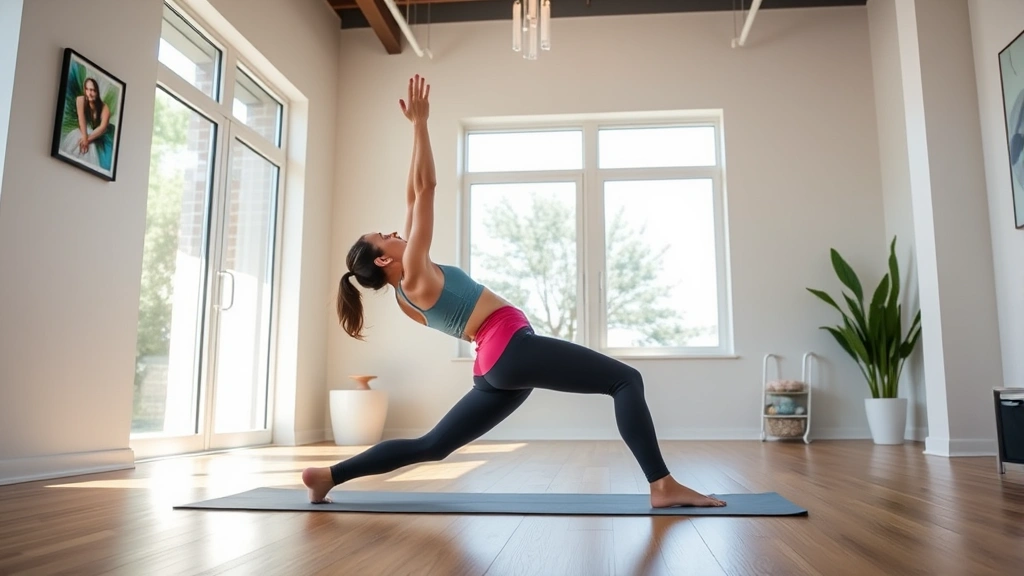
Phase one (weeks 0-6) focuses on walking, gentle stretching, and basic mobility. Phase two (weeks 6-12) introduces moderate-intensity activities like stationary cycling and swimming once pelvic floor function is assessed. Phase three (weeks 12+) gradually incorporates running, high-impact activities, and sport-specific training.
Critical warning signs indicating over-progression include:
- Urinary or fecal incontinence during or after exercise
- Heaviness or bulging sensation in the pelvic region
- Increased vaginal bleeding or discharge
- Pain during movement or exercise
- Visible doming or bulging through the abdominal wall
A pelvic floor physical therapist should clear women for high-impact activities and competitive sports. Running, jumping, and heavy lifting place significant demands on the pelvic floor and core; premature return can result in long-term dysfunction.
Specialized Techniques and Approaches
Contemporary postpartum physical therapy employs evidence-based techniques beyond basic exercise prescription. Manual therapy, including soft tissue mobilization and joint mobilization, addresses restrictions from pregnancy-related changes and delivery trauma. Myofascial release techniques target fascial restrictions that limit mobility and contribute to pain.
Pelvic floor manual therapy, performed by trained specialists, addresses muscle tension, trigger points, and scar tissue that may impair function. This internal assessment and treatment, while initially uncomfortable, provides valuable information about tissue healing and guides exercise progression.
Biofeedback technology allows women to visualize pelvic floor muscle activity, enhancing mind-muscle connection and motor control. Ultrasound imaging confirms proper muscle activation patterns and provides objective feedback about diastasis recti healing.
Postural analysis identifies compensatory patterns developed during pregnancy that persist postpartum. Many women maintain forward shoulder posture from nursing, anterior pelvic tilt from pregnancy, and asymmetrical weight distribution. Correcting these patterns prevents chronic pain and improves movement efficiency.
Breathing retraining addresses dysfunctional patterns common postpartum. Many women develop shallow chest breathing or reverse breathing patterns that compromise core function. Diaphragmatic breathing restoration improves oxygen delivery, core stability, and pelvic floor coordination.
Common Postpartum Complications
While many postpartum complications resolve naturally, physical therapy significantly accelerates recovery and prevents chronicity. Pelvic floor dysfunction manifests as urinary incontinence, fecal incontinence, pelvic pain, or sexual dysfunction. Stress incontinence—leakage during coughing, sneezing, or exercise—affects up to 30% of postpartum women. Pelvic floor physical therapy demonstrates effectiveness rates exceeding 80% for incontinence improvement.
Pelvic girdle pain, affecting the sacroiliac joints and pubic symphysis, causes significant disability in some women. This pain persists beyond typical postpartum recovery without intervention. Physical therapy addressing muscle imbalances, sacroiliac joint stability, and movement patterns provides substantial relief.
Cesarean delivery complications include scar tissue adhesions that restrict movement and cause pain. Physical therapy techniques including scar mobilization and tissue remodeling improve tissue quality and function. Nerve entrapment from surgical trauma can cause chronic pain requiring specialized intervention.
Postpartum depression and anxiety, while primarily psychological conditions, benefit from the physical activity and body-focused interventions that physical therapy provides. The mind-body connection means that improving physical function and movement confidence contributes to emotional wellbeing.
Consult your healthcare provider about comprehensive postpartum care approaches that address physical and mental health simultaneously.
Expert Recommendations
Leading pelvic health experts recommend that all postpartum women receive at least one evaluation by a pelvic floor physical therapist, regardless of whether symptoms are present. This assessment identifies dysfunction early and prevents progression to chronic conditions. Women with risk factors—previous pelvic floor dysfunction, complicated deliveries, or high-impact athletic backgrounds—benefit from proactive rehabilitation.
Experts emphasize consistency over intensity. Regular, moderate exercise performed 3-5 times weekly produces better outcomes than sporadic intense efforts. The postpartum period offers an opportunity to establish exercise habits that benefit long-term health, bone density, cardiovascular function, and mental wellbeing.
Proper breathing mechanics form the foundation for all postpartum rehabilitation. Experts spend considerable time teaching diaphragmatic breathing before progressing to complex exercises. This fundamental skill improves immediately and provides lifelong benefits.
Education empowers women to recognize their body’s signals and modify activity appropriately. Rather than following generic programs, women should understand principles of progressive loading, recognize warning signs, and adjust based on individual responses. This knowledge prevents re-injury and supports long-term adherence.
Many experts recommend beginning physical therapy before returning to work, as work demands often exceed exercise capacity. Addressing functional limitations proactively prevents the development of compensatory patterns that create chronic pain.
Research from the National Institutes of Health demonstrates that structured postpartum physical therapy reduces long-term dysfunction risk and improves quality of life significantly. Women should view this period as an investment in their lifelong health and function.
Integration with Other Therapies
Postpartum physical therapy works synergistically with other interventions. Occupational therapy addresses functional activities like baby care ergonomics and energy conservation. Mental health support addresses postpartum mood disorders that often co-occur with physical dysfunction.
Nutrition and sleep quality profoundly impact healing. Physical therapists guide women toward adequate protein intake for tissue repair, hydration for tissue elasticity, and sleep optimization for hormonal balance and recovery. These foundational elements enhance rehabilitation outcomes.
Pelvic health often intersects with sexual function. Physical therapists trained in sexual health discuss how rehabilitation improves intimacy and address concerns about pain or dysfunction. This comprehensive approach recognizes that physical and relational health are interconnected.
FAQ
When can I start postpartum physical therapy after delivery?
Most women can begin gentle pelvic floor awareness and mobility work within 2-3 weeks postpartum if healing is progressing normally. Structured rehabilitation typically begins at 6-8 weeks post-vaginal delivery or 8-12 weeks post-cesarean delivery. Always consult your obstetrician before beginning any exercise program.
Is postpartum physical therapy only for women with problems?
No. Preventive physical therapy benefits all postpartum women by establishing proper movement patterns, restoring strength and stability, and preventing long-term dysfunction. Many women without obvious symptoms benefit significantly from assessment and guided rehabilitation.
How long does postpartum physical therapy take?
Recovery timelines vary based on delivery method, baseline fitness, and individual healing. Most women see substantial improvements within 3-6 months of consistent therapy. Complete restoration of pre-pregnancy function may take 6-12 months, particularly for athletes or women with complications.
Can I do postpartum exercises at home without physical therapy?
While home exercise is valuable, professional assessment identifies individual needs and prevents inappropriate progressions. A physical therapist provides personalized guidance, corrects movement patterns, and progresses exercise appropriately. Even 2-4 sessions with a specialist significantly improves outcomes compared to self-directed exercise alone.
Will postpartum physical therapy help with incontinence?
Yes. Pelvic floor physical therapy demonstrates effectiveness rates of 70-80% for urinary incontinence and higher for stress incontinence specifically. Treatment should begin as early as possible for optimal outcomes, though improvement occurs even with delayed initiation.
What if I had a cesarean delivery—do I still need pelvic floor therapy?
Yes. While cesarean delivery avoids direct pelvic floor trauma, the abdominal surgery affects core function and stability. Additionally, pregnancy itself stresses the pelvic floor. Postpartum physical therapy addresses both surgical recovery and pregnancy-related changes regardless of delivery method.
Can I return to running postpartum?
Most women can gradually return to running 3-6 months postpartum with appropriate progression and pelvic floor clearance. A physical therapist assesses pelvic floor capacity for impact activities and guides gradual return. Premature running risks long-term pelvic floor dysfunction.
Does postpartum physical therapy improve diastasis recti?
Physical therapy improves diastasis recti function significantly. While muscle separation may not completely close, proper rehabilitation restores core stability and strength. Most women achieve functional improvement sufficient for return to activity within 3-6 months.