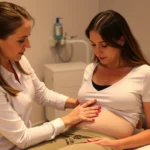
Postpartum Physical Therapy: Expert Insights for Recovery and Wellness
The postpartum period represents a critical window for physical recovery, yet many women receive minimal guidance on rehabilitation after childbirth. Whether you delivered vaginally or via cesarean section, your body has undergone profound physiological changes that require thoughtful, evidence-based recovery strategies. Postpartum physical therapy addresses these changes systematically, helping restore function, reduce pain, and prevent long-term complications that can affect quality of life for years.
This comprehensive guide explores expert insights into postpartum physical therapy, examining the science behind recovery protocols, the benefits of early intervention, and practical strategies for returning to daily activities and exercise. We’ll discuss how physical therapists assess postpartum conditions, evidence-based treatment approaches, and what you should expect during your recovery journey.
Understanding Postpartum Physical Changes
Pregnancy and childbirth create dramatic transformations throughout the body that extend far beyond the visible abdominal changes. During pregnancy, hormonal shifts—particularly increases in relaxin—cause ligamentous laxity, allowing the pelvis to widen and adapt for delivery. The rectus abdominis muscles separate to accommodate the growing uterus, a condition called diastasis recti that affects nearly 100% of women in the third trimester and persists postpartum in varying degrees.
The pelvic floor muscles stretch significantly during vaginal delivery, potentially experiencing micro-tears or more substantial trauma. Even cesarean delivery, while avoiding direct pelvic floor trauma, involves surgical disruption of abdominal layers and connective tissue. Additionally, the spine shifts forward during pregnancy to accommodate weight distribution, affecting posture and muscular balance. Blood volume increases by 40-50%, cardiac output changes, and respiratory mechanics adapt—all requiring gradual normalization during recovery.
Understanding these physiological realities is essential because they directly inform postpartum physical therapy protocols. Recovery isn’t instantaneous; it’s a progressive process requiring patience and professional guidance to optimize outcomes.
When to Begin Postpartum Physical Therapy
The timing of physical therapy initiation depends on delivery method, complications, and individual healing trajectories. Most healthcare providers recommend waiting 6-8 weeks postpartum before formal physical therapy, allowing initial wound healing and stabilization. However, this doesn’t mean complete inactivity—gentle movement, breathing exercises, and pelvic floor awareness can begin immediately postpartum under appropriate guidance.
Early postpartum (weeks 0-6) focuses on gentle mobility, breathing patterns, and basic pelvic floor activation. A physical therapist can teach proper body mechanics for feeding, diaper changes, and lifting to prevent compensatory strain. For cesarean deliveries, scar tissue management begins around week 3-4 with gentle soft tissue mobilization.
By 6-8 weeks postpartum, most women are cleared for more structured therapy. This is when comprehensive assessment occurs and progressive strengthening begins. However, some women benefit from earlier intervention if experiencing significant pain, incontinence, or functional limitations. Consulting with your obstetrician and a pelvic health physical therapist helps determine optimal timing for your situation.
Research from the American College of Obstetricians and Gynecologists emphasizes that postpartum rehabilitation should be individualized, with progression based on tissue healing timelines rather than arbitrary week-based protocols.
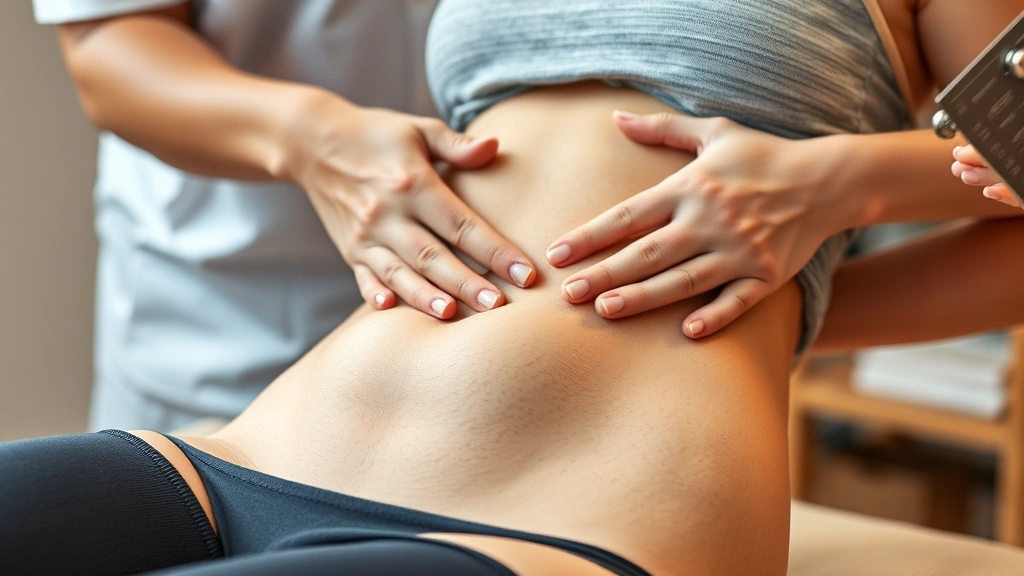
Common Postpartum Conditions Treated
Physical therapists address numerous conditions arising from pregnancy and childbirth. Understanding these helps you recognize whether you might benefit from treatment:
- Pelvic floor dysfunction: Characterized by weakness, tension, or coordination problems affecting continence, sexual function, and pain
- Urinary incontinence: Stress incontinence (leaking with coughing, sneezing, exercise) affects 30-40% of postpartum women
- Diastasis recti: Abdominal muscle separation causing functional weakness and aesthetic concerns
- Pelvic pain: Including persistent perineal pain, symphysis pubis dysfunction, or sacroiliac joint dysfunction
- Cesarean scar complications: Adhesions, numbness, or restricted mobility affecting surrounding tissues
- Postural dysfunction: Forward head posture, rounded shoulders, and lumbar strain from feeding and caregiving
- Lower back pain: Affecting 50% of postpartum women due to muscular imbalances and core weakness
- Shoulder and neck pain: Related to feeding positions, carrying the infant, and postural changes
Assessment and Evaluation Process
A comprehensive postpartum physical therapy evaluation establishes baselines and identifies specific impairments. Expect your therapist to review your pregnancy, delivery, and postpartum course, then perform detailed assessments:
Physical examination includes evaluating posture, spinal mobility, and muscle strength. Your therapist assesses pain patterns, movement quality, and functional limitations. Pelvic floor assessment—often performed internally by pelvic floor specialists—evaluates muscle strength, endurance, coordination, and tone.
Functional testing examines your ability to perform daily activities: lifting, carrying, bending, and stair climbing. Single-leg stance, walking patterns, and balance assessment reveal compensatory strategies. Some therapists use specialized imaging or refer for ultrasound assessment of diastasis recti severity.
This thorough evaluation creates your individualized treatment plan, addressing your specific impairments and goals. Whether returning to exercise, managing incontinence, or reducing pain, assessment guides all subsequent interventions.
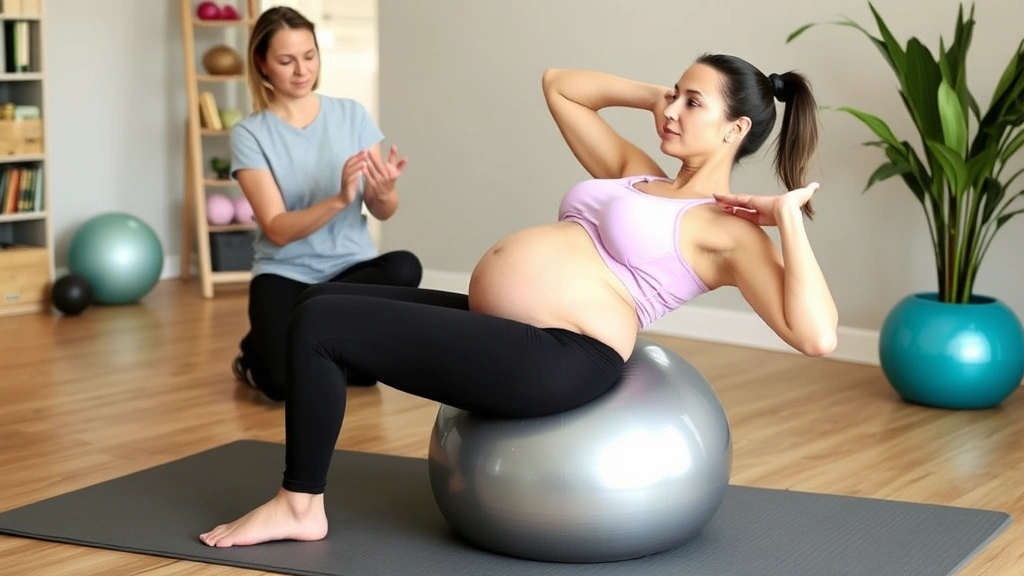
Evidence-Based Treatment Approaches
Modern postpartum physical therapy integrates multiple evidence-supported strategies. Manual therapy techniques—including soft tissue mobilization, joint mobilization, and myofascial release—address restrictions and pain. These techniques improve tissue mobility and neural gliding, facilitating improved function.
Therapeutic exercise forms the foundation of recovery. Progressive strengthening targets deep core stabilizers, addressing the neuromuscular coordination deficits common postpartum. Unlike traditional crunches, which can exacerbate diastasis recti, therapeutic exercises emphasize transverse abdominis activation and integrated core function.
Neuromuscular re-education teaches your nervous system to recruit muscles appropriately. Many postpartum women demonstrate altered movement patterns; therapy retrains optimal mechanics through repetition and feedback.
Breathing and relaxation techniques address the sympathetic dominance common postpartum, facilitating parasympathetic activation and reducing pain perception. Pelvic floor relaxation—often overlooked—is essential for women with hypertonic pelvic floors.
Education encompasses ergonomics, activity modification, and self-management strategies. Your therapist teaches you to recognize symptoms, modify activities, and progress independently, promoting long-term success beyond formal therapy.
Pelvic Floor Rehabilitation
Pelvic floor rehabilitation represents a cornerstone of postpartum physical therapy. The pelvic floor muscles support pelvic organs, maintain continence, and contribute to sexual function. Pregnancy and delivery stress these muscles significantly, yet many women never receive specific pelvic floor training.
Therapy begins with awareness and assessment. Many women cannot voluntarily contract their pelvic floor muscles, a prerequisite for strengthening. Your therapist teaches proper activation patterns, distinguishing between pelvic floor contraction and breath-holding or gluteal activation—common compensatory patterns.
Progressive strengthening follows a structured protocol: initiating with low-intensity contractions, progressing to higher loads, and eventually integrating pelvic floor activation into functional movements like lifting or jumping. Functional integration is crucial—strength means little if you cannot activate your pelvic floor during actual activities.
For women with pelvic floor tension or pain, relaxation techniques precede strengthening. Paradoxically, some postpartum women develop hypertonic (overly tight) pelvic floors, requiring release work before strengthening. This distinction—identifying whether dysfunction involves weakness or tension—guides treatment direction.
Research from Cochrane Reviews consistently demonstrates that pelvic floor muscle training significantly reduces postpartum incontinence, with effects persisting long-term when properly implemented.
Core Strengthening and Diastasis Recti
Diastasis recti—separation of the rectus abdominis muscles—occurs in virtually all pregnant women and persists postpartum in varying degrees. While complete closure isn’t always achievable, functional recovery is. The goal isn’t cosmetic perfection but restoring core function and preventing complications.
Assessment determines diastasis recti severity: measuring the gap width, depth, and tension. A finger-width separation with good tension may require minimal intervention, while wider separations with laxity demand structured rehabilitation. Importantly, width alone doesn’t determine dysfunction—some women with larger gaps function well, while others with smaller gaps experience significant limitations.
Treatment emphasizes progressive loading of the abdominal wall. Initial phases focus on transverse abdominis activation—the deepest abdominal layer providing core stability. Exercises progress from supine positions to standing and dynamic movements. Breath coordination is essential; improper breathing patterns compromise core function.
Avoiding excessive intra-abdominal pressure during early recovery prevents diastasis worsening. This means limiting heavy lifting, high-impact exercise, and movements creating excessive downward pressure until core function improves. Your therapist guides safe progression, ensuring you strengthen without exacerbating separation.
For many women, functional diastasis recti resolves with consistent therapy over 12-16 weeks. Others require longer intervention or ongoing self-management. Understanding that recovery is possible—and that professional guidance optimizes outcomes—motivates consistent effort.
Returning to Exercise Safely
The question “when can I exercise?” concerns many postpartum women. The answer: gradually, progressively, and with professional guidance. Premature high-intensity exercise risks exacerbating pelvic floor dysfunction, diastasis recti, and pain.
A graduated return-to-exercise protocol follows this progression: weeks 0-6 involve walking and gentle mobility; weeks 6-12 introduce controlled strengthening; weeks 12+ allow progressive aerobic conditioning and sport-specific training. However, individual variation is substantial—some women progress faster, others require slower advancement.
Your physical therapist determines readiness for each progression phase by assessing your current capacity. Can you maintain proper posture during exercise? Do you experience pain, leakage, or pelvic pressure? Does your diastasis recti widen excessively? These observations guide advancement decisions.
High-impact activities—running, jumping, intense CrossFit—require significant pelvic floor and core capacity. Returning to these activities without adequate preparation risks long-term dysfunction. Conversely, excessive exercise restriction may lead to deconditioning and psychological distress.
Many women benefit from supervised therapy resources during return-to-exercise phases, ensuring proper form and appropriate progression. This investment prevents complications and optimizes long-term fitness capacity.
Mental Health and Physical Recovery
Physical recovery intertwines with psychological wellbeing. Postpartum depression and anxiety affect 15-20% of new mothers, influencing recovery motivation and perception of physical symptoms. Conversely, physical limitations—incontinence, pain, restricted activity—contribute to psychological distress.
Recognizing this mind-body connection is essential. Physical therapists increasingly incorporate psychological support, acknowledging that addressing only physical symptoms without considering emotional wellbeing produces suboptimal outcomes. Some physical therapists screen for postpartum mood disorders and refer for mental health support when appropriate.
Body image concerns are common postpartum. Diastasis recti, weight changes, and stretch marks affect self-perception and confidence. Physical therapy addressing these concerns—demonstrating functional improvement even if aesthetic changes persist—helps women appreciate their bodies’ capabilities rather than fixating on appearance.
Social support enhances recovery. Attending physical therapy treatment sessions, connecting with other postpartum women, and receiving partner support all facilitate healing. Isolation and unsupported recovery increase depression risk and compromise physical outcomes.
Consider seeking therapy costs and pricing information to understand insurance coverage and out-of-pocket expenses, reducing financial stress during recovery.
FAQ
How long does postpartum physical therapy typically last?
Most women benefit from 8-16 weeks of structured therapy, though duration varies based on condition severity and individual progression. Some require longer intervention; others achieve goals faster. Your therapist reassesses regularly and adjusts duration accordingly.
Does insurance cover postpartum physical therapy?
Many insurance plans cover postpartum physical therapy with appropriate referral from your obstetrician. Coverage varies by plan and region. Contact your insurance provider directly to confirm benefits. Some women pursue therapy without insurance coverage, recognizing the investment value.
Can I do postpartum physical therapy while breastfeeding?
Absolutely. Breastfeeding doesn’t contraindicate physical therapy. In fact, therapy may improve posture and reduce shoulder/neck pain common in nursing mothers. Discuss any concerns with your therapist.
What’s the difference between pelvic floor physical therapy and general postpartum physical therapy?
Pelvic floor physical therapy specializes in pelvic floor muscles specifically, including internal assessment and targeted treatment. General postpartum physical therapy addresses broader recovery needs. Many women benefit from both approaches, with pelvic floor specialists collaborating with general physical therapists.
Is it ever too late to start postpartum physical therapy?
No. Women benefit from therapy months or even years postpartum. While earlier intervention optimizes outcomes, later intervention still produces significant improvements. If you’re experiencing postpartum symptoms years later, evaluation and treatment remain worthwhile.
How do I find a qualified postpartum physical therapist?
Seek therapists with specific postpartum and pelvic floor training. The American Physical Therapy Association offers provider directories. Ask your obstetrician for referrals or contact local maternity centers. Credentials like “pelvic health specialist” or “women’s health” indicate appropriate expertise. You might also explore occupational therapy jobs resources to understand related professional certifications.
Can postpartum physical therapy prevent future complications?
Yes. Addressing postpartum dysfunction early prevents long-term consequences including chronic incontinence, pain, and sexual dysfunction. Research demonstrates that proper rehabilitation reduces future pelvic floor problems and improves quality of life.