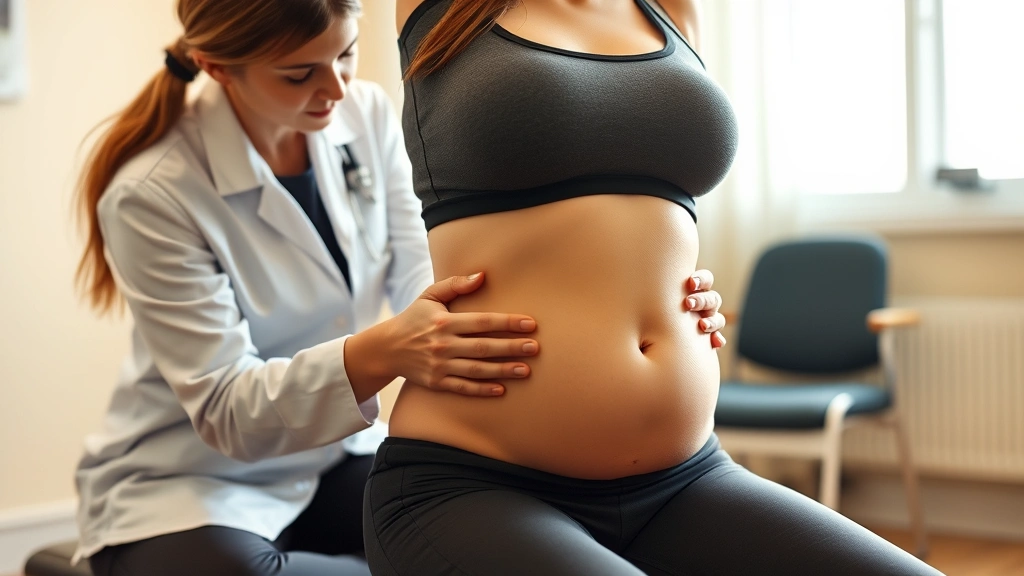
Postpartum Physical Therapy: Expert Insights and Recovery Strategies
The postpartum period represents a critical window for physical recovery after childbirth. Whether you delivered vaginally or via cesarean section, your body undergoes significant physiological changes that require intentional rehabilitation. Postpartum physical therapy addresses these changes through targeted exercises, manual therapy, and evidence-based interventions designed to restore strength, function, and confidence during the fourth trimester and beyond.
Many new mothers experience pelvic floor dysfunction, diastasis recti, chronic pain, and mobility limitations that extend far beyond the traditional six-week postpartum checkup. Expert physical therapists specializing in women’s health recognize that comprehensive recovery involves more than clearance to exercise—it requires a systematic approach to rebuilding the core, restoring pelvic floor function, and addressing biomechanical compensations developed during pregnancy and labor.
Understanding Postpartum Physical Changes
Pregnancy fundamentally alters your body’s biomechanics, hormonal environment, and tissue integrity. The hormone relaxin, which peaks during pregnancy and remains elevated for months postpartum, affects ligament laxity and joint stability. Your center of gravity shifts dramatically, your ribcage expands, and your abdominal wall stretches to accommodate fetal growth. Understanding these changes provides the foundation for effective postpartum physical therapy interventions.
The rectus abdominis muscles separate along the linea alba—a condition called diastasis recti—in nearly 100% of pregnancies by the third trimester. Similarly, the pelvic floor muscles experience significant stretching and potential trauma during vaginal delivery, or undergo altered loading patterns and scarring following cesarean sections. These structural changes don’t simply reverse after delivery; they require systematic rehabilitation to restore optimal function.
Research from the American College of Obstetricians and Gynecologists indicates that women who receive specialized postpartum physical therapy demonstrate significantly better outcomes in strength recovery, continence, and return to functional activities compared to those relying solely on general fitness. The first six weeks represent a critical healing phase, but recovery typically extends 12-18 months for comprehensive restoration.
The Role of Pelvic Floor Rehabilitation
Pelvic floor physical therapy addresses one of the most underdiagnosed consequences of childbirth: pelvic floor dysfunction. Whether manifesting as stress urinary incontinence, urgency, pelvic pain, or sexual dysfunction, these issues affect 25-45% of postpartum women yet remain undertreated due to stigma and lack of awareness.
Expert pelvic floor physical therapists use internal myofascial release, biofeedback, and progressive strengthening protocols to restore muscular function. The approach differs significantly from generic Kegel exercises, which many women perform incorrectly. Pelvic floor therapy begins with comprehensive assessment using techniques like real-time ultrasound, electromyography, or manual palpation to evaluate muscle tone, contractility, and coordination patterns.
Common pelvic floor dysfunctions addressed through postpartum physical therapy include:
- Hypertonic pelvic floor: Excessive muscle tension causing pain and difficulty relaxing
- Hypotonic pelvic floor: Weakness and inadequate muscle contraction for continence
- Coordination dysfunction: Inability to properly sequence muscle activation and relaxation
- Myofascial restrictions: Scar tissue and fascial tightness limiting mobility
- Pelvic pain syndromes: Pudendal neuralgia, vulvodynia, or generalized pelvic pain
Treatment progressively advances from awareness and relaxation techniques, through isolated muscle activation, to functional integration within movement patterns. This graduated approach ensures sustainable recovery without exacerbating existing dysfunction.
Diastasis Recti Assessment and Treatment
Diastasis recti—the separation of rectus abdominis muscles—requires nuanced assessment and treatment planning. The separation itself isn’t necessarily pathological; rather, dysfunction occurs when the linea alba (connective tissue between muscles) becomes compromised, reducing force transmission and abdominal wall stability.
Expert assessment evaluates not just the gap width but also tissue tension, fascial integrity, and functional capacity. A 3-centimeter separation in a woman with strong tissue quality and good muscular control may function better than a 1-centimeter separation with poor tissue quality and weak activation patterns. This functional perspective guides more effective treatment.
Postpartum physical therapy for diastasis recti emphasizes progressive loading within the individual’s current capacity. Early phases focus on gentle activation and breath coordination, progressing to anti-rotation exercises, standing balance activities, and ultimately dynamic movement patterns. Research published in the Journal of Women’s Health Physical Therapy demonstrates that structured rehabilitation reduces separation, improves tissue quality, and restores functional capacity more effectively than unsupervised exercise.
Critical principles for diastasis recti recovery include:
- Avoiding excessive intra-abdominal pressure during early healing phases
- Restoring proper breathing mechanics and diaphragm coordination
- Progressively loading the core through functional movement patterns
- Addressing postural compensations developed during pregnancy
- Integrating pelvic floor and deep core activation
Core Strengthening Protocols
The postpartum core encompasses far more than abdominal muscles—it includes the diaphragm, pelvic floor, multifidus, transverse abdominis, and external obliques functioning as an integrated system. Effective postpartum physical therapy restores this system’s capacity to generate force, maintain stability, and manage intra-abdominal pressure across functional movement demands.
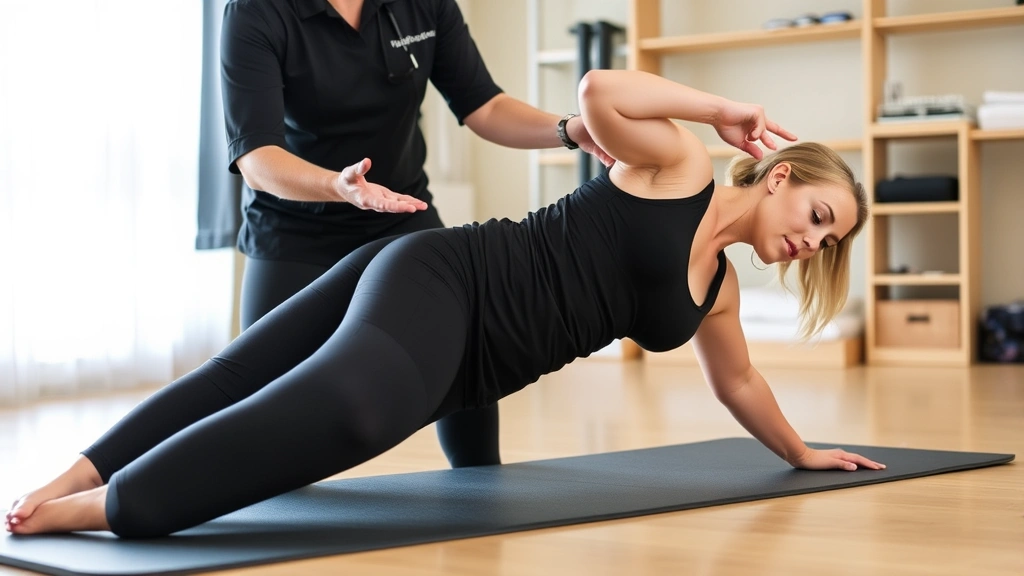
Early postpartum core work (weeks 0-6) emphasizes gentle activation, breath coordination, and foundational awareness. Therapists teach women to coordinate diaphragmatic breathing with pelvic floor relaxation and transverse abdominis engagement—a pattern disrupted during pregnancy. Supine marching, dead bug progressions, and modified bird-dog exercises provide low-load activation without excessive pressure.
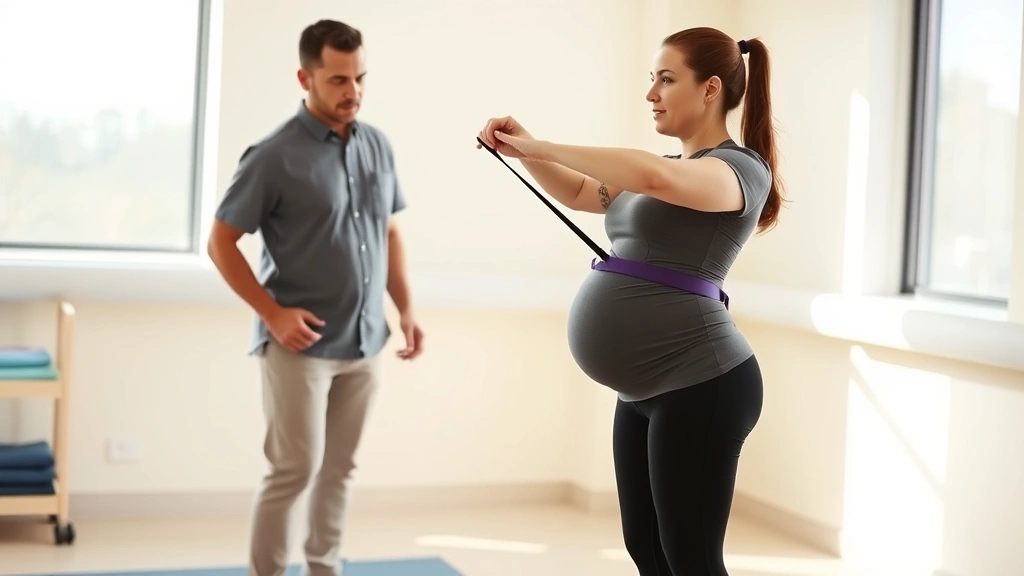
Intermediate phases (weeks 6-12) introduce standing balance activities, anti-rotation exercises, and controlled resistance training. Women progress from wall planks to modified planks, from standing marching to side-stepping with resistance bands, and from static holds to dynamic movement patterns. This phase requires careful monitoring to ensure proper movement quality and prevent compensatory patterns.
Advanced phases (weeks 12-24+) integrate core function within functional activities: loaded carries, rotational movements, jumping progressions, and sport-specific activities. Throughout all phases, quality movement trumps quantity—a single perfect repetition provides more benefit than dozens of compensated repetitions.
Pain Management and Tissue Healing
Postpartum pain extends beyond expected surgical or delivery-related soreness. Chronic pain affects 10-15% of postpartum women, often stemming from nerve irritation, scar tissue restrictions, muscle guarding patterns, or undiagnosed musculoskeletal dysfunction. Comprehensive postpartum physical therapy addresses pain through multiple mechanisms simultaneously.
Manual therapy techniques—including soft tissue mobilization, myofascial release, and joint mobilization—address tissue restrictions and improve circulation. Scar tissue desensitization helps women tolerate perineal touch and reduce pain-related guarding. Movement-based interventions restore confidence and reduce fear-avoidance patterns that perpetuate pain cycles.
Expert therapists integrate pain science education, helping women understand that pain doesn’t always indicate tissue damage and that progressive, purposeful movement promotes healing. This cognitive shift often proves as important as physical interventions in facilitating recovery.
Modalities supporting tissue healing and pain management include:
- Therapeutic ultrasound: Promotes tissue remodeling and reduces inflammation
- Electrical stimulation: Manages pain and facilitates muscle activation
- Dry needling: Addresses myofascial trigger points and promotes healing responses
- Cupping and instrument-assisted soft tissue mobilization: Improves circulation and tissue quality
- Thermal modalities: Heat facilitates relaxation; ice reduces acute inflammation
Return to Exercise Guidelines
The question of when to resume exercise ranks among the most common postpartum concerns. Current evidence suggests that women cleared by their obstetrician can gradually return to exercise, but “cleared” doesn’t mean “ready for pre-pregnancy intensity.” Thoughtful progression prevents re-injury and establishes sustainable fitness patterns.
Early postpartum exercise (weeks 0-6) emphasizes walking, gentle stretching, and pelvic floor awareness. Cesarean delivery requires longer healing before high-impact activities; most experts recommend waiting 8-12 weeks before returning to running. The American Physical Therapy Association provides evidence-based guidelines for progressive return to sport and high-impact activities.
Return-to-exercise progression should follow these principles:
- Begin with low-impact activities like walking and swimming
- Progress impact gradually: walking → elliptical → jogging → running
- Introduce resistance training with light loads and high repetitions
- Avoid excessive intra-abdominal pressure activities until core function improves
- Monitor for symptom exacerbation: leakage, pain, heaviness, or bleeding
- Adapt exercise if symptoms occur rather than pushing through discomfort
Working with physical therapy professionals during return-to-exercise phases ensures appropriate progression and prevents common mistakes. Many women rush return to pre-pregnancy exercise intensity, triggering setbacks that extend recovery timelines.
When to Seek Professional Help
Not all postpartum women require physical therapy, but certain presentations warrant professional evaluation. Red flags indicating need for postpartum physical therapy include:
- Persistent pelvic pain beyond 6-8 weeks postpartum
- Urinary or fecal incontinence after the initial recovery period
- Persistent diastasis recti with functional limitations beyond 6-8 weeks
- Inability to return to pre-pregnancy activities by 4-6 months
- Pain with intercourse (dyspareunia) affecting quality of life
- Significant abdominal wall weakness limiting daily activities
- Pelvic heaviness or sensation of prolapse
- Chronic pain patterns disrupting sleep, mood, or function
Women’s health physical therapists complete specialized training in assessment and treatment of postpartum conditions. Finding a therapist with specific postpartum expertise, ideally with credentials in women’s health physical therapy, ensures access to cutting-edge treatment approaches. Many insurance plans cover postpartum physical therapy when prescribed by a physician, making professional evaluation financially accessible.
The transition from pregnancy to postpartum represents profound physical change requiring specialized support. Whether through preventive physical therapy during pregnancy, comprehensive assessment early postpartum, or treatment of persistent dysfunction, evidence clearly demonstrates that postpartum physical therapy accelerates recovery, prevents long-term complications, and restores confidence in physical capabilities. Investing in expert guidance during this critical period yields benefits extending far beyond the postpartum year.
Frequently Asked Questions
How soon after delivery can I start postpartum physical therapy?
Physical therapy can begin immediately postpartum, starting with gentle pelvic floor awareness and breathing exercises. Formal therapy typically begins around 6-8 weeks postpartum after medical clearance, though some women benefit from earlier assessment and education. Always consult your obstetrician before beginning any postpartum exercise program.
Is postpartum physical therapy covered by insurance?
Most insurance plans cover postpartum physical therapy when prescribed by a physician. Coverage varies by plan and provider, so contact your insurance company directly. Many women’s health clinics offer self-pay options at reduced rates for those without insurance coverage.
How long does postpartum physical therapy typically last?
Treatment duration varies based on individual needs and severity of dysfunction. Some women require 6-8 weeks of therapy; others benefit from 12-16 weeks for comprehensive recovery. Chronic pain or complex dysfunction may require longer treatment courses. Your therapist will establish realistic timelines during initial evaluation.
Can I do postpartum physical therapy while breastfeeding?
Absolutely. Physical therapy doesn’t interfere with breastfeeding. Many therapists schedule appointments around feeding times for convenience. All techniques and modalities used in postpartum physical therapy are safe during breastfeeding.
What if I had a cesarean delivery instead of vaginal birth?
Cesarean delivery requires longer healing before high-impact activities, but postpartum physical therapy principles remain similar. Cesarean-specific considerations include scar tissue management, abdominal wall assessment, and modified early progressions. Inform your therapist of your delivery method so they can tailor treatment appropriately.
Are there preventive postpartum physical therapy benefits?
Yes. Women receiving physical therapy during pregnancy and early postpartum demonstrate better long-term outcomes in strength, pelvic floor function, and return to activity. Preventive approaches reduce incidence of chronic dysfunction and accelerate recovery trajectories.