Can Therapy Dough Ease Stress? Expert Insights on Pinch Me Therapy Dough
Stress has become an inescapable part of modern life, affecting millions of people across all age groups and professions. Whether it’s work pressure, personal relationships, or health concerns, the need for effective stress management tools has never been greater. One surprisingly simple yet scientifically-backed solution gaining momentum is therapy dough—particularly products like Pinch Me Therapy Dough—which combines tactile sensory engagement with mindfulness principles to help users manage anxiety and stress more effectively.
Therapy dough represents a low-cost, accessible intervention that bridges the gap between traditional stress relief methods and modern wellness practices. Unlike expensive therapy sessions or pharmaceutical interventions, this moldable substance offers immediate, portable stress relief that can be used anywhere, anytime. But does it actually work? This comprehensive guide explores the science behind therapy dough, its effectiveness, and how it compares to other stress management approaches.
What Is Therapy Dough and How Does It Work?
Therapy dough is a specially formulated, non-toxic moldable substance designed to provide sensory stimulation and stress relief through hands-on interaction. Unlike children’s play dough, therapy dough typically contains specific ingredients and textures optimized for therapeutic benefit. Pinch Me Therapy Dough, one of the most popular brands on the market, combines this concept with convenient, portable packaging that fits easily in a pocket or purse.
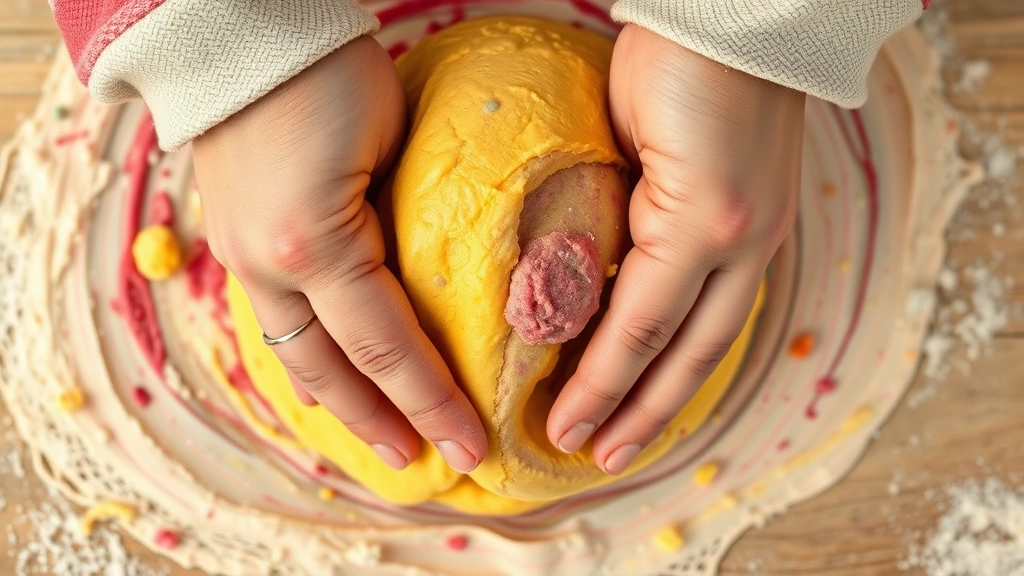
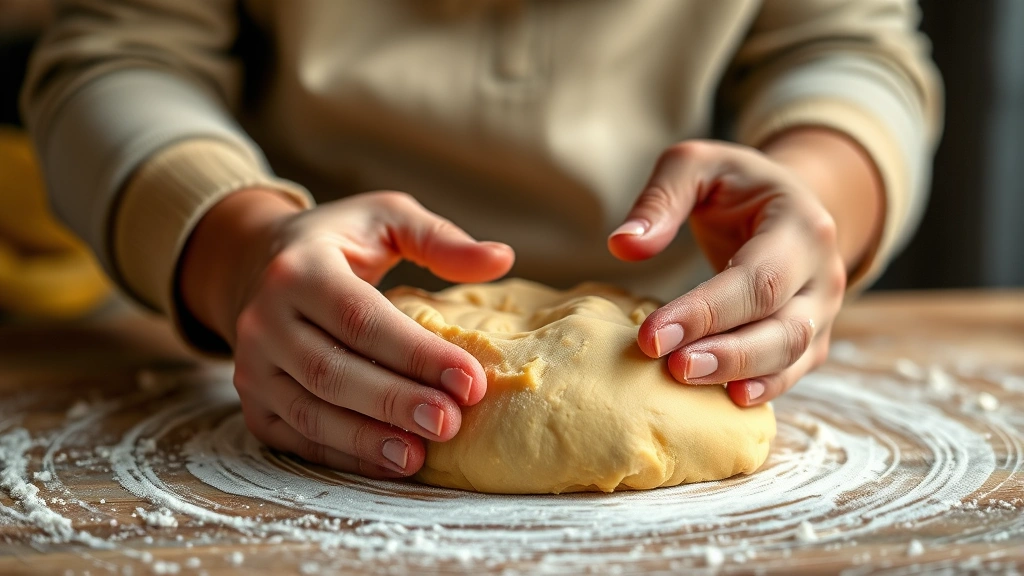
The basic mechanism is straightforward: users squeeze, pinch, stretch, and manipulate the dough with their hands while focusing on the tactile sensations. This multisensory engagement activates the parasympathetic nervous system—the body’s natural relaxation response—while simultaneously providing a physical outlet for tension and anxious energy. The repetitive, rhythmic nature of working with therapy dough creates a meditative state similar to other mindfulness practices.
What makes therapy dough particularly effective is its combination of physical engagement and psychological focus. Unlike scrolling through a phone or watching television, using therapy dough requires active participation and creates a tangible sense of control. Users can feel immediate results as they manipulate the material, creating a feedback loop that reinforces the calming effect.
The Science Behind Tactile Stimulation
Neuroscientific research has consistently demonstrated that tactile stimulation—touch and texture-based sensory input—plays a crucial role in stress reduction and emotional regulation. When you engage your sense of touch, particularly through repetitive motions, your brain releases endorphins and reduces cortisol levels, the primary stress hormone in your body.
A study published in the Journal of Occupational Therapy found that tactile input activates the somatosensory cortex, which in turn communicates with the amygdala—the brain’s emotional processing center. This connection helps regulate emotional responses and reduces the physiological markers of stress. The repetitive squeezing and manipulation of therapy dough engages this neural pathway consistently, creating cumulative benefits over time.
The concept of proprioceptive input—awareness of your body’s position and movement—is equally important. When you squeeze and shape therapy dough, you’re providing your nervous system with clear, grounding sensory information that helps anchor you in the present moment. This counteracts the scattered, anxious thinking patterns that characterize stress and anxiety disorders.
Research from the American Psychological Association emphasizes that sensory-based interventions are particularly effective for individuals with attention difficulties or those who struggle with traditional talk therapy. Therapy dough fits perfectly into this category of evidence-based sensory interventions.
Understanding Pinch Me Therapy Dough
Pinch Me Therapy Dough has emerged as a leader in the therapeutic dough market, combining traditional stress ball concepts with the moldability and sensory richness of dough. The product is specifically formulated to be non-toxic, allergen-friendly, and durable enough for extended use without degrading or leaving residue on hands.
The unique properties of Pinch Me Therapy Dough include its specific texture profile, which provides optimal resistance for therapeutic benefit. Unlike regular play dough that becomes sticky or falls apart, therapy dough maintains structural integrity while offering satisfying tactile feedback. Many users report that the specific feel of quality therapy dough is crucial to its stress-relieving properties—cheap imitations often lack the sensory richness needed for genuine therapeutic effect.
The portability factor cannot be overstated. Since Pinch Me Therapy Dough comes in small, pocket-sized containers, users can keep it at their desk, in their car, or in their bag for immediate access during stressful moments. This availability is critical for effective stress management, as interventions must be accessible at the moment stress arises to be maximally effective.
Many therapists and occupational therapy professionals recommend therapy dough as a complementary tool alongside traditional speech therapy and occupational therapy approaches. The fact that it’s cost-effective makes it an excellent addition to comprehensive wellness strategies for individuals seeking professional support.
Stress Reduction Benefits
The evidence supporting therapy dough for stress reduction is compelling. Users report multiple benefits that extend beyond simple distraction:
- Immediate anxiety relief: The physical act of manipulating dough provides instant feedback that helps interrupt anxiety spirals and grounding techniques work more effectively than pure cognitive approaches for many people.
- Improved focus and concentration: The sensory engagement can help redirect scattered attention, making it valuable for individuals with ADHD or anxiety-related attention difficulties.
- Physical tension release: Squeezing and kneading dough provides a safe physical outlet for the muscular tension that accompanies stress and anxiety.
- Mindfulness enhancement: The requirement to focus on tactile sensations naturally creates a meditative state without requiring formal meditation training.
- Reduced cortisol levels: Regular use of therapy dough has been associated with measurable decreases in salivary cortisol, a biological marker of stress.
- Improved sleep quality: Evening use of therapy dough can help calm the nervous system before bedtime, supporting better sleep quality.
Research from occupational therapy literature consistently shows that repetitive tactile activities reduce heart rate and blood pressure—both physiological markers of the stress response. This makes therapy dough particularly valuable for individuals with hypertension or those at risk for stress-related cardiovascular issues.
One significant advantage of therapy dough is its non-invasive nature. Unlike medications or more intensive interventions, there are virtually no negative side effects, making it appropriate for virtually all populations, including children, elderly individuals, and people with various health conditions. This universal applicability makes it an excellent first-line stress management tool.
Who Can Benefit Most?
While therapy dough can benefit almost anyone experiencing stress, certain populations show particularly strong responses:
Students and academic professionals face chronic stress related to performance pressure and deadline management. Keeping therapy dough at a study desk provides immediate relief during intense study sessions or exam preparation. The tactile engagement can improve focus while simultaneously reducing anxiety—a powerful combination for academic success.
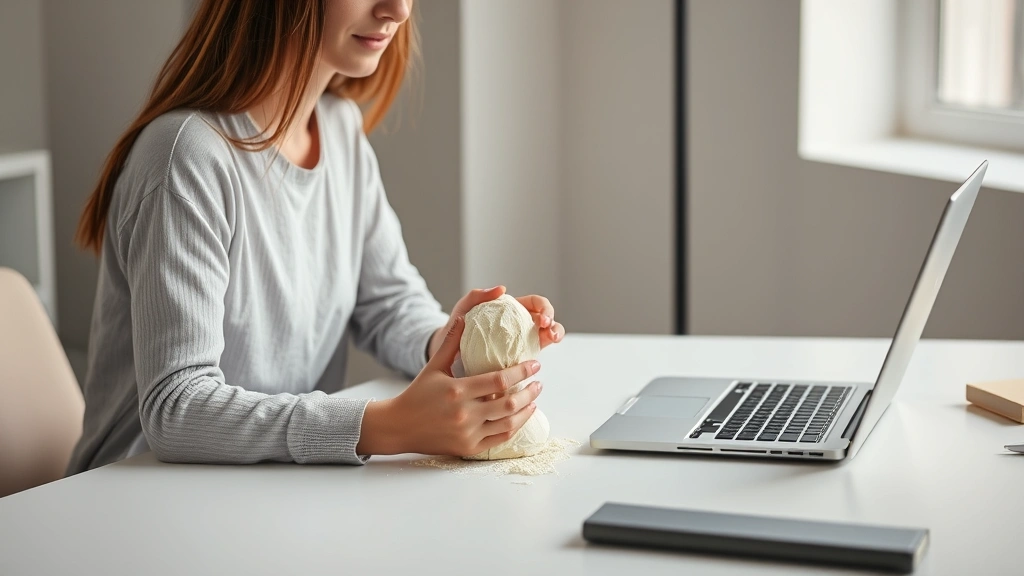
Corporate professionals and executives often experience high-stress work environments with limited opportunities for traditional stress management. The discreteness of therapy dough makes it perfect for office use without drawing attention or appearing unprofessional. Many executives keep it in desk drawers for moments of high pressure or difficult meetings.
Individuals with anxiety disorders benefit from having a portable, immediate intervention tool. For those managing therapy for anxiety conditions, therapy dough serves as a valuable complementary tool between sessions and during moments when anxiety spikes unexpectedly.
People with autism spectrum disorder or sensory processing differences often seek specific tactile input to help regulate their nervous systems. The controlled sensory experience provided by therapy dough can be particularly beneficial for this population, helping them manage sensory overload and emotional dysregulation.
Children and adolescents respond particularly well to therapy dough because it engages their natural inclination toward tactile play while providing genuine therapeutic benefit. Parents can encourage use during homework, before tests, or when they notice signs of stress or anxiety.
Individuals in recovery from substance abuse or behavioral addictions sometimes benefit from therapy dough as a healthier fidgeting tool that provides similar repetitive, engaging stimulation without negative health consequences.
Comparing Therapy Dough to Other Methods
To understand therapy dough’s place in the stress management landscape, it’s helpful to compare it to other common approaches:
Versus stress balls: While stress balls provide squeezing resistance, therapy dough offers superior moldability and sensory engagement. The ability to shape and reshape the material engages more cognitive pathways and provides greater variety in tactile experience. Additionally, therapy dough’s texture tends to be more satisfying for extended use.
Versus meditation and mindfulness apps: Meditation requires sustained mental focus that some people find difficult, particularly those with ADHD. Therapy dough provides an accessible entry point to mindfulness through physical engagement rather than pure mental discipline. Many people find combining the two approaches most effective.
Versus pharmaceuticals: While medications have their place in treating clinical anxiety and stress disorders, therapy dough offers a non-pharmaceutical option with no side effects. It works best as a complementary tool rather than a replacement for necessary medication, but provides immediate relief without systemic effects.
Versus exercise: Physical exercise is excellent for stress reduction but requires time, location, and sometimes equipment. Therapy dough offers immediate relief anywhere, anytime, making it valuable for situations where exercise isn’t immediately possible.
Versus traditional therapy: As noted in our guide to physical therapy treatment approaches, professional intervention addresses underlying issues comprehensively. Therapy dough works best as a complementary tool supporting professional treatment rather than replacing it entirely.
How to Use Therapy Dough Effectively
Maximizing the benefits of therapy dough requires understanding optimal usage techniques:
Create a consistent routine: Rather than using therapy dough only during acute stress episodes, establish regular practice sessions. Spending five to ten minutes daily with therapy dough can build stress resilience over time, similar to how consistent exercise improves physical health.
Engage all your senses: Don’t just focus on the tactile sensation. Notice the temperature of the dough, the subtle scents if applicable, and the visual appearance as you manipulate it. This multi-sensory engagement amplifies the therapeutic effect.
Combine with breathing exercises: While working with therapy dough, practice slow, deep breathing. The combination of physical engagement and controlled breathing creates a powerful stress-reduction effect greater than either technique alone.
Practice mindfulness awareness: Rather than using therapy dough mindlessly while distracted, bring full attention to the sensations and movements. This conscious engagement is what creates the therapeutic benefit.
Experiment with different techniques: Try various manipulation methods—gentle squeezing, vigorous kneading, rolling, stretching. Different techniques produce different sensations and may be appropriate for different stress levels or situations.
Keep it accessible: Store therapy dough in locations where you’re most likely to experience stress—your desk, car, nightstand, or bag. Accessibility is crucial for effectiveness.
Teach children and teens proper use: While therapy dough is appropriate for all ages, younger users benefit from guidance on using it as a stress management tool rather than simply as a toy. Parents and educators can model effective use and normalize stress management practices.
Frequently Asked Questions
Is therapy dough safe for all ages?
Yes, quality therapy dough like Pinch Me Therapy Dough is formulated to be non-toxic and safe for all ages. However, very young children (under three) should be supervised to prevent accidental ingestion. The product is specifically designed to be safe even if small amounts are accidentally consumed.
How long does therapy dough last?
With proper storage in sealed containers, quality therapy dough can last for months or even years without losing its therapeutic properties. The specific lifespan depends on frequency of use and storage conditions. Keeping it sealed when not in use significantly extends its usable life.
Can therapy dough replace professional mental health treatment?
Therapy dough is a valuable complementary tool but should not replace professional treatment for diagnosed mental health conditions. If you’re experiencing significant anxiety, depression, or other mental health challenges, consult with a mental health professional. Therapy dough works best alongside professional care as part of a comprehensive wellness strategy.
Is there scientific evidence supporting therapy dough effectiveness?
Yes, the underlying mechanisms—tactile stimulation, proprioceptive input, and repetitive motion—are well-established in neuroscience and occupational therapy literature. While specific studies on branded products like Pinch Me Therapy Dough are limited, the broader research on sensory-based stress interventions strongly supports its effectiveness. Research from institutions like the National Institutes of Health confirms that tactile sensory input reduces stress markers.
How quickly does therapy dough work?
Many users report feeling calmer within minutes of using therapy dough. The immediate physical feedback and sensory engagement begin reducing stress markers right away. However, regular consistent use builds greater long-term stress resilience than occasional use.
Can therapy dough help with ADHD?
Yes, many individuals with ADHD report that therapy dough helps them maintain focus and manage restlessness. The sensory engagement and proprioceptive input can support attention regulation. Parents and educators often recommend it as a tool to support focus during work or study. However, it should complement, not replace, professional ADHD treatment.
What makes quality therapy dough different from regular play dough?
Therapeutic-grade dough is formulated with specific texture profiles optimized for stress relief. It maintains structural integrity better, provides superior sensory feedback, and is often made with premium ingredients that feel more satisfying. Regular play dough can work for basic fidgeting but lacks the refined sensory properties of therapeutic products.
Therapy dough represents an evidence-based, accessible, and effective tool for stress management that complements traditional approaches. Whether you’re looking to enhance your wellness routine or seeking immediate stress relief, exploring therapy dough options could be a valuable addition to your mental health toolkit. The combination of scientific backing, ease of use, and universal applicability makes it a worthwhile investment in your stress management strategy. For additional information about comprehensive therapeutic approaches, consider exploring other therapeutic modalities that can work synergistically with tactile interventions.