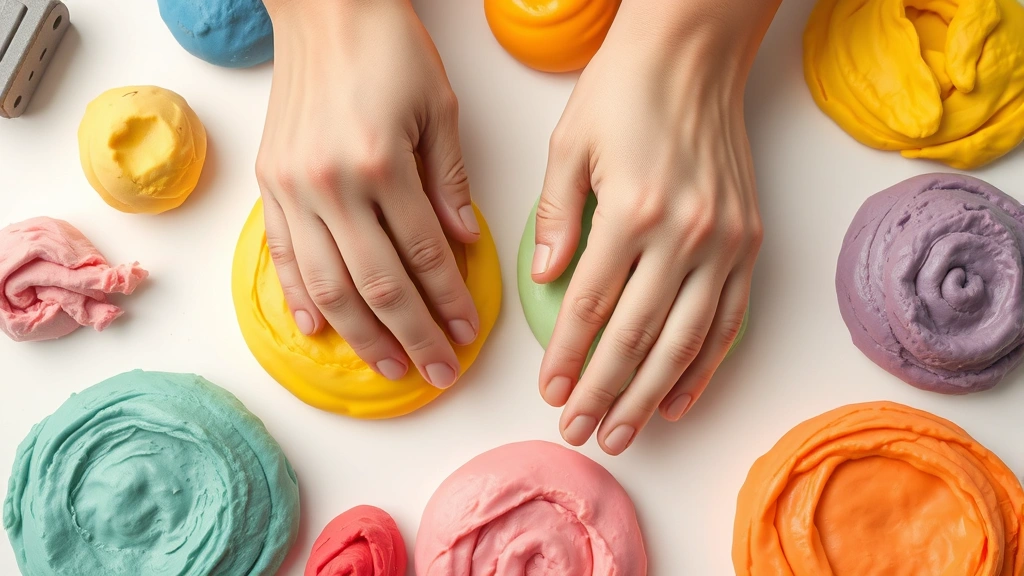
Pinch Me Therapy Dough: Does It Really Work?
Therapy dough has become increasingly popular in clinical and home settings as a tool for improving hand strength, fine motor skills, and overall therapeutic outcomes. Among the various brands available, Pinch Me Therapy Dough stands out as a specifically designed product marketed toward individuals seeking sensory stimulation and physical rehabilitation. But does this colorful, tactile product deliver on its promises, or is it simply another wellness trend without scientific backing?
In this comprehensive guide, we’ll explore the science behind therapy dough, examine the specific claims made by Pinch Me, and determine whether it’s a worthwhile investment for your therapeutic needs. Whether you’re a parent seeking tools for your child’s development, a therapist looking to expand your treatment options, or an individual interested in self-care solutions, understanding the efficacy of therapy dough is essential before making a purchase decision.

What Is Pinch Me Therapy Dough?
Pinch Me Therapy Dough is a specialized putty-like substance designed to provide resistance during hand and finger exercises. Unlike regular modeling clay or playdough, therapy dough is formulated with specific resistance levels measured in pounds per square inch (PSI). This standardization allows therapists and users to track progress objectively and ensure consistent therapeutic protocols.
The product typically comes in various resistance levels, ranging from soft to firm, allowing users to progress through their rehabilitation journey. The material is non-toxic, reusable, and designed to maintain its consistency over extended periods of use. The name “Pinch Me” reflects one of the primary therapeutic exercises—squeezing and pinching motions that engage multiple muscle groups in the hand and forearm.
Pinch Me Therapy Dough appeals to diverse populations, including children developing fine motor skills, athletes recovering from hand injuries, individuals with arthritis seeking pain management, and stroke survivors working toward functional recovery. The product is available in different colors, with the theory that color variation may provide additional sensory input and motivation for continued therapy engagement.
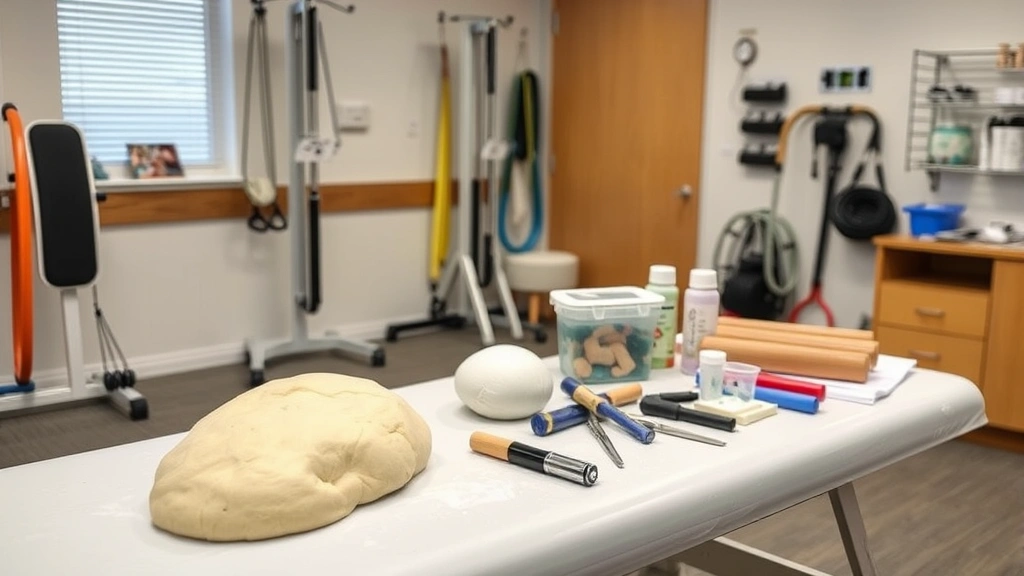
The Science Behind Therapy Dough
The therapeutic use of resistive materials for hand rehabilitation dates back decades in physical medicine. Research published in the Journal of Hand Therapy and similar peer-reviewed publications has established that progressive resistance exercise significantly improves grip strength, pinch strength, and overall hand function. Therapy dough represents a practical application of this established principle.
When you engage with therapy dough through pinching, squeezing, rolling, and stretching motions, you activate multiple intrinsic and extrinsic hand muscles. These include the flexor digitorum superficialis, flexor digitorum profundus, flexor pollicis longus, and numerous small muscles within the hand itself. This muscular engagement triggers adaptations at the neurological and physiological levels.
The resistance provided by therapy dough creates what exercise physiologists call “progressive overload,” a fundamental principle for muscle development. As users adapt to one resistance level, they can progress to firmer dough, continuing to challenge their muscles and prevent plateaus in rehabilitation. Physical therapy for kids frequently incorporates resistance materials to support healthy motor development during critical developmental windows.
A study from the American Physical Therapy Association noted that tactile manipulation of resistive materials provides proprioceptive feedback, which helps the nervous system understand hand position and muscle effort. This sensory feedback loop is crucial for motor learning and rehabilitation success.
Hand Strength and Motor Development
One of the primary claims surrounding Pinch Me Therapy Dough is its ability to enhance hand strength across various populations. The evidence supporting this claim is reasonably robust, though results vary based on individual factors, consistency of use, and baseline hand function.
For children, developing adequate hand strength is prerequisite for writing, drawing, self-care tasks, and countless daily activities. Pediatric physical therapy often includes hand strengthening exercises, and therapy dough provides an engaging, game-like approach to what might otherwise feel like tedious exercises. Research indicates that children who consistently use resistance materials show measurable improvements in grip strength within 4-6 weeks of regular practice.
For adults recovering from hand injuries or managing conditions like arthritis, therapy dough offers a low-cost, accessible tool for maintaining and rebuilding strength. Physical therapy treatment for cerebral palsy and other neurological conditions frequently incorporates resistance exercises, as they help maintain muscle tone and prevent contractures.
The progressive nature of therapy dough is particularly valuable. Users begin with softer resistance and gradually advance to firmer versions as their strength improves. This progression mimics the principles used in clinical settings and allows for objective measurement of improvement. Many therapists recommend tracking the resistance level used and the duration of exercise sessions to document progress over time.
Sensory Stimulation Benefits
Beyond pure strength development, Pinch Me Therapy Dough is marketed for its sensory benefits. The tactile experience of manipulating the dough engages sensory receptors in the skin, muscles, and joints, providing what occupational therapists call “proprioceptive input.”
Proprioceptive feedback helps regulate the nervous system and can reduce anxiety in individuals with sensory processing challenges. For children with autism spectrum disorder, ADHD, or sensory integration dysfunction, manipulating therapy dough can serve as a calming, organizing activity. The repetitive, predictable nature of working with the dough provides structure and sensory consistency.
Occupational therapy for kids frequently incorporates sensory-rich materials to support development and emotional regulation. The color variety offered by Pinch Me Therapy Dough adds a visual component to the sensory experience, potentially enhancing engagement and motivation.
Research from the American Occupational Therapy Association supports the use of tactile manipulation activities for sensory regulation. However, it’s important to note that while sensory benefits are real, they’re not unique to Pinch Me Therapy Dough—any high-quality therapy putty or dough would provide similar sensory input.
Real-World Applications
The practical applications of Pinch Me Therapy Dough span numerous clinical and personal contexts. Understanding where this tool is most effective helps determine whether it’s appropriate for your specific situation.
Post-Surgical Hand Rehabilitation: Following hand surgery, therapy dough helps restore strength and range of motion. Surgeons often recommend progressive resistance exercises, and therapy dough provides a controlled, measurable way to implement these recommendations.
Stroke Recovery: Stroke survivors frequently experience hand weakness and loss of fine motor control. Therapy dough offers engaging, repetitive practice that supports neuroplastic changes in the brain. The sensory feedback helps the nervous system relearn hand coordination patterns.
Arthritis Management: For individuals with rheumatoid or osteoarthritis, gentle resistance exercise can maintain joint mobility and muscle strength without causing excessive joint stress. Therapy dough allows users to work within their pain-free range of motion.
Cerebral Palsy and Developmental Delays: Children with cerebral palsy or other developmental conditions benefit from structured hand strengthening programs. Physical therapy equipment like therapy dough provides tools for implementing home exercise programs that support clinical therapy.
Athletic Performance: Some athletes use therapy dough to improve grip strength and hand endurance for sports requiring strong hand function, such as rock climbing, martial arts, or tennis.
Comparing Therapy Dough Options
While Pinch Me Therapy Dough is one option, the market includes numerous alternatives, each with distinct characteristics. Understanding how Pinch Me compares helps inform purchasing decisions.
Theraputty, a widely-used professional-grade option, offers similar resistance levels and has extensive clinical research supporting its efficacy. Theraputty is often considered the gold standard in clinical settings. Cando Therapy Putty provides a more budget-friendly alternative while maintaining quality standards. Some users prefer Theraputty’s consistency and durability, while others find Pinch Me more aesthetically appealing or easier to manipulate.
The key differences often relate to consistency, resistance accuracy, durability over time, and price point. Pinch Me Therapy Dough tends to be moderately priced and offers good color variety. Its consistency is generally reliable, though some users report it becomes less effective over extended periods compared to professional-grade alternatives.
When selecting therapy dough, consider whether you’ll use it clinically (where standardized resistance is critical) or for general hand strengthening and sensory input. Clinical applications benefit from products with verified resistance levels, while personal use is more flexible regarding product choice.
Potential Limitations
While Pinch Me Therapy Dough offers genuine benefits, it’s important to acknowledge its limitations and understand when additional or alternative interventions may be necessary.
Not a Standalone Treatment: Therapy dough works best as part of a comprehensive rehabilitation program. For serious hand injuries, neurological conditions, or significant functional losses, dough alone is insufficient. Professional therapy assessment and guidance remain essential.
Consistency Issues: Over time, therapy dough can become less effective as it accumulates dust, hair, and other debris, or as the material itself degrades. Users should expect to replace their dough periodically, which represents an ongoing cost.
Limited Functional Carryover: While therapy dough improves hand strength, the strength gains don’t automatically transfer to improved function in daily activities. Functional training—practicing actual tasks like gripping, writing, or self-care activities—remains essential for real-world improvement.
Individual Variability: Results vary significantly based on age, baseline function, consistency of use, and individual physiology. Some users experience dramatic improvements, while others see minimal changes despite regular use.
Safety Considerations: While Pinch Me Therapy Dough is non-toxic, it’s not intended for ingestion. Young children require supervision to prevent accidental swallowing. Additionally, individuals with certain hand conditions (severe arthritis, acute inflammation) may need to avoid resistance exercise without professional guidance.
Research from the National Institutes of Health emphasizes that while resistance training benefits hand strength, it should be implemented progressively and monitored for adverse effects in individuals with pain conditions.
The bottom line: Pinch Me Therapy Dough does work for its intended purposes—strengthening hands, providing sensory input, and supporting therapeutic goals. However, it works best within a comprehensive approach that includes professional guidance, functional training, and other evidence-based interventions tailored to individual needs.
FAQ
How long does it take to see results from using therapy dough?
Most users notice measurable improvements in hand strength within 4-6 weeks of consistent daily use. However, significant functional improvements may take 8-12 weeks or longer, depending on baseline function and the severity of any underlying condition. Consistency is more important than duration of individual sessions.
Is Pinch Me Therapy Dough safe for children?
Yes, Pinch Me Therapy Dough is non-toxic and safe for supervised use by children. However, young children (under age 3) should be supervised closely to prevent accidental ingestion. For children with developmental delays or sensory processing differences, therapy dough can be particularly beneficial when used as part of a structured program.
Can therapy dough help with arthritis pain?
Gentle resistance exercise can help maintain joint mobility and muscle strength, potentially reducing pain over time. However, during acute flare-ups, resistance exercise may exacerbate pain. Individuals with arthritis should consult their healthcare provider before starting a therapy dough program and should use pain as a guide for activity level.
How often should I use therapy dough?
For rehabilitation purposes, daily use of 5-10 minutes is typically recommended. For maintenance or general sensory input, 2-3 times per week may be sufficient. Avoid overuse, which can lead to muscle soreness or aggravation of underlying conditions. Your therapist can provide personalized recommendations based on your specific situation.
Does brand matter when choosing therapy dough?
While all quality therapy doughs provide similar benefits, clinical settings often prefer brands with verified resistance levels and established durability. For personal use, brand matters less than consistency of use and finding a product you enjoy using. Pinch Me Therapy Dough is a solid mid-range option that many users find effective and engaging.
Can therapy dough replace professional physical therapy?
No. Therapy dough is a useful tool within a comprehensive therapeutic program but cannot replace professional assessment, diagnosis, and treatment planning. Individuals with significant hand dysfunction should work with a physical or occupational therapist who can design individualized programs and monitor progress appropriately.