
Living with cerebral palsy presents unique challenges, but with the right support and interventions, individuals can achieve remarkable improvements in their quality of life. Physical therapy stands as one of the most powerful tools available for enhancing mobility, function, and independence for those affected by this condition. As families navigate this journey, understanding the comprehensive role of physical therapy can provide hope and direction.
The path to improved mobility through physical therapy is deeply personal and varies for each individual with cerebral palsy. Whether you’re a parent seeking the best care for your child or an adult looking to optimize your own functional abilities, this comprehensive guide will illuminate the transformative potential of targeted physical therapy interventions. Together, we’ll explore evidence-based approaches that have helped countless individuals overcome movement challenges and embrace greater independence.
Understanding Cerebral Palsy and Movement Challenges
Cerebral palsy encompasses a group of neurological disorders that affect movement, posture, and motor skills, resulting from damage to the developing brain before, during, or shortly after birth. This condition impacts approximately 1 in 345 children in the United States, according to the Centers for Disease Control and Prevention. The severity and presentation of symptoms vary significantly among individuals, ranging from mild coordination difficulties to severe mobility limitations requiring extensive support.
The movement challenges associated with cerebral palsy stem from disrupted communication between the brain and muscles. This can manifest as spasticity (muscle stiffness), ataxia (lack of coordination), or dyskinesia (involuntary movements). Each type presents unique obstacles to mobility and requires tailored therapeutic approaches. Understanding these distinctions is crucial for developing effective physical therapy treatment plans.
Motor function difficulties in cerebral palsy often affect multiple body systems simultaneously. Balance, coordination, strength, and flexibility may all be compromised to varying degrees. Additionally, secondary complications such as contractures, bone deformities, and pain can develop over time without proper intervention, making early and consistent physical therapy intervention essential for optimal outcomes.
The Role of Physical Therapy in Cerebral Palsy Management
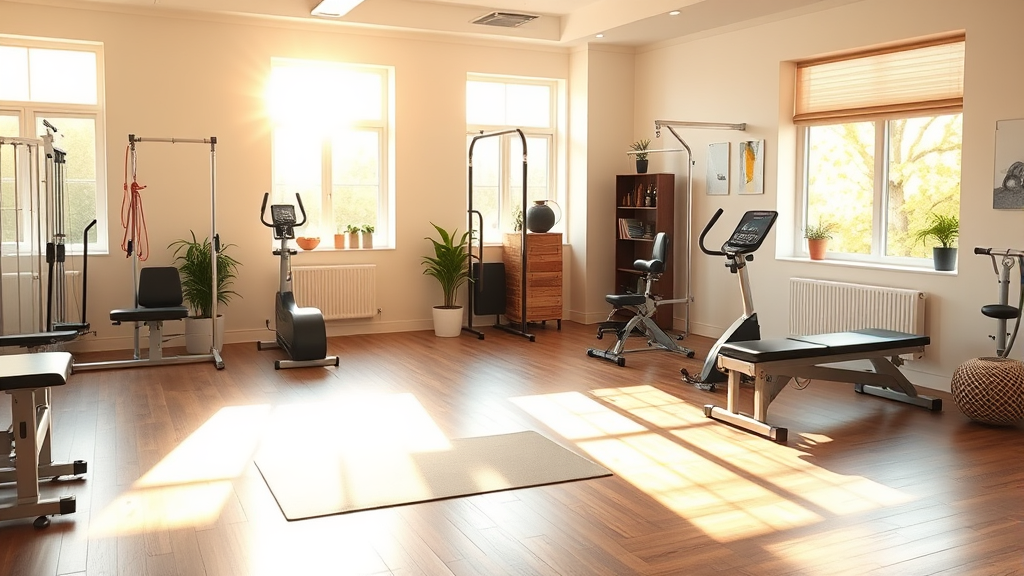
Physical therapy serves as a cornerstone of cerebral palsy management, offering hope and tangible improvements in functional mobility. The primary goals extend beyond simply addressing movement limitations to encompass pain management, prevention of secondary complications, and enhancement of overall quality of life. Through systematic assessment and intervention, physical therapists work collaboratively with individuals and families to maximize potential and promote independence.
The therapeutic approach in cerebral palsy care is inherently holistic, addressing not only the immediate mobility concerns but also considering the long-term implications of the condition. Physical therapy treatment plans are carefully crafted to evolve with the individual’s changing needs throughout different life stages, from early childhood through adulthood.
Research consistently demonstrates the effectiveness of physical therapy interventions in improving gross motor function, reducing spasticity, and enhancing participation in daily activities. The American Physical Therapy Association emphasizes the importance of evidence-based practice in cerebral palsy management, ensuring that interventions are grounded in scientific research and clinical expertise.
Comprehensive Assessment and Evaluation Process
The foundation of effective physical therapy for cerebral palsy lies in thorough assessment and evaluation. This comprehensive process begins with detailed history-taking, examining prenatal, perinatal, and postnatal factors that may have contributed to the condition. Physical therapists utilize standardized assessment tools to measure motor function, muscle tone, range of motion, strength, and functional abilities.
Common assessment instruments include the Gross Motor Function Measure (GMFM), the Pediatric Evaluation of Disability Inventory (PEDI), and the Gross Motor Function Classification System (GMFCS). These tools provide objective measurements that guide treatment planning and track progress over time. The evaluation process also considers cognitive abilities, communication skills, and psychosocial factors that may influence therapy outcomes.
Ongoing assessment is integral to successful therapy programs. Regular re-evaluation allows therapists to modify treatment approaches based on progress, changing needs, or emerging challenges. This dynamic assessment process ensures that interventions remain relevant and effective throughout the individual’s development and growth.
Evidence-Based Treatment Approaches and Techniques
Modern physical therapy for cerebral palsy employs a variety of evidence-based treatment approaches tailored to individual needs and goals. Neurodevelopmental treatment (NDT) remains a widely used approach, focusing on facilitating normal movement patterns while inhibiting abnormal reflexes and postures. This hands-on technique emphasizes quality of movement over quantity, promoting efficient and functional motor patterns.
Strength training has gained significant recognition as an effective intervention for individuals with cerebral palsy. Contrary to earlier beliefs that strengthening might increase spasticity, research now supports progressive resistance training as beneficial for improving muscle strength, functional mobility, and overall physical fitness. The National Center for Biotechnology Information has published extensive research supporting strength training protocols for cerebral palsy.
Task-specific training represents another crucial component of contemporary physical therapy treatment. This approach focuses on practicing specific functional activities that individuals need to perform in their daily lives, such as walking, stair climbing, or transferring between surfaces. By repeatedly practicing these meaningful tasks, individuals can develop motor learning and improve their functional capabilities.

Specific Mobility Enhancement Strategies
Mobility enhancement in cerebral palsy requires a multifaceted approach addressing various components of movement. Gait training forms a central element, utilizing techniques such as treadmill training, overground walking practice, and gait analysis to optimize walking patterns. Body weight support systems and robotic-assisted devices have revolutionized gait training, allowing individuals to practice walking movements even when they cannot bear full weight independently.
Balance and postural control interventions are equally important for mobility enhancement. These may include activities on unstable surfaces, proprioceptive training, and core strengthening exercises. Virtual reality systems and computerized balance training platforms offer engaging ways to challenge balance systems while providing real-time feedback and motivation.
Flexibility and range of motion maintenance represent critical aspects of mobility preservation. Stretching programs, positioning strategies, and manual therapy techniques help prevent contractures and maintain joint mobility. Serial casting and dynamic splinting may be employed when conservative stretching approaches are insufficient to address tightness or deformity.
Technology and Innovative Interventions
The integration of technology in physical therapy treatment for cerebral palsy has opened new possibilities for intervention and engagement. Robotic devices such as exoskeletons and gait trainers provide assistance and support while individuals practice movement patterns. These technologies can offer precise control over assistance levels and provide objective feedback about performance.
Virtual reality and gaming systems have transformed therapy sessions into engaging, motivating experiences. These platforms can simulate real-world environments and challenges while providing immediate feedback about movement quality and progress. Functional electrical stimulation (FES) represents another technological advancement, using electrical impulses to activate muscles and facilitate movement patterns.
Wearable sensors and mobile applications enable continuous monitoring of activity levels, gait parameters, and therapy compliance outside of clinical settings. This technology provides valuable data for therapists and helps individuals track their progress between sessions, promoting adherence to home exercise programs.
Family and Caregiver Integration
Successful physical therapy outcomes in cerebral palsy depend heavily on family involvement and caregiver support. Education and training of family members ensure that therapeutic principles and techniques are reinforced throughout daily routines and activities. This integration maximizes therapy benefits and promotes carryover of skills learned in clinical settings.
Home exercise programs are carefully designed to complement clinical interventions while being practical and sustainable for families. These programs often include positioning strategies, stretching exercises, and functional activities that can be incorporated into daily routines. Regular communication between therapists and families helps address challenges and modify programs as needed.
Caregiver training extends beyond exercise instruction to include proper body mechanics, safe transfer techniques, and equipment use. This comprehensive approach protects both the individual with cerebral palsy and their caregivers from injury while promoting optimal function and independence.
Long-Term Outcomes and Success Stories
Research demonstrates that consistent, well-designed physical therapy interventions can lead to significant improvements in mobility and function for individuals with cerebral palsy. Studies published in leading journals show enhanced gross motor function, improved walking speed and endurance, and increased participation in community activities following structured therapy programs.
Long-term follow-up studies reveal that benefits gained through physical therapy can be maintained and even enhanced over time with continued intervention. The key lies in adapting therapy approaches to meet changing needs throughout different life stages, from childhood through adulthood. Success stories from our blog showcase individuals who have achieved remarkable improvements in independence and quality of life through dedicated therapy programs.
The psychosocial benefits of improved mobility extend far beyond physical function. Enhanced mobility contributes to increased self-esteem, social participation, and overall life satisfaction. These improvements have profound impacts on family dynamics and community integration, creating positive ripple effects that benefit entire support networks.
Frequently Asked Questions
At what age should physical therapy begin for a child with cerebral palsy?
Physical therapy should ideally begin as early as possible, often within the first few months of life once cerebral palsy is suspected or diagnosed. Early intervention during the critical period of brain development can maximize neuroplasticity and prevent secondary complications. However, it’s never too late to start therapy, and individuals of any age can benefit from appropriate physical therapy interventions tailored to their specific needs and goals.
How often should someone with cerebral palsy receive physical therapy?
The frequency of physical therapy sessions varies depending on individual needs, severity of symptoms, age, and goals. Typically, children may receive therapy 2-3 times per week, while adults might benefit from 1-2 sessions weekly. Intensive therapy periods may require daily sessions, while maintenance phases might involve monthly check-ins. Your physical therapist will work with you to determine the optimal frequency based on your specific situation and progress.
Can physical therapy cure cerebral palsy?
Physical therapy cannot cure cerebral palsy, as it is a permanent neurological condition. However, therapy can significantly improve function, mobility, strength, and quality of life. The goal is to maximize potential, prevent complications, manage symptoms, and promote independence. Many individuals with cerebral palsy achieve remarkable improvements through consistent therapy, allowing them to participate more fully in daily activities and community life.
What types of equipment are commonly used in physical therapy for cerebral palsy?
Physical therapy for cerebral palsy utilizes a wide range of equipment including parallel bars, therapy balls, balance boards, treadmills with body weight support systems, standing frames, gait trainers, and mobility aids such as walkers or wheelchairs. Advanced technology may include robotic devices, virtual reality systems, and functional electrical stimulation units. The specific equipment used depends on individual needs, therapy goals, and the clinical setting.
How do I know if my child’s physical therapy is working?
Progress in physical therapy can be measured through various indicators including improved motor skills, increased strength and endurance, better balance and coordination, enhanced functional abilities in daily activities, and reduced pain or discomfort. Your therapist will use standardized assessment tools to track progress objectively and will regularly communicate about improvements and adjustments to the treatment plan. Progress may be gradual, so patience and consistency are important.
Are there any risks associated with physical therapy for cerebral palsy?
When performed by qualified professionals, physical therapy for cerebral palsy is generally very safe. However, as with any therapeutic intervention, there can be minimal risks such as temporary muscle soreness, fatigue, or minor injuries if exercises are performed incorrectly. Your physical therapist will carefully assess your condition, monitor your response to treatment, and modify interventions as needed to ensure safety while maximizing benefits.
How can families support physical therapy goals at home?
Families can support therapy goals by following through with prescribed home exercise programs, incorporating therapeutic activities into daily routines, maintaining proper positioning and equipment use, and creating an environment that encourages movement and activity. Regular communication with the therapy team, attending therapy sessions when possible, and celebrating small achievements all contribute to success. Consistency between clinic and home environments is key to maximizing therapy outcomes.